Skip to content
Every order ships free with a 30-day return policy  ·  Browse new arrivals

Diamond Pendants

Diamond Pendants in Every Style and Setting

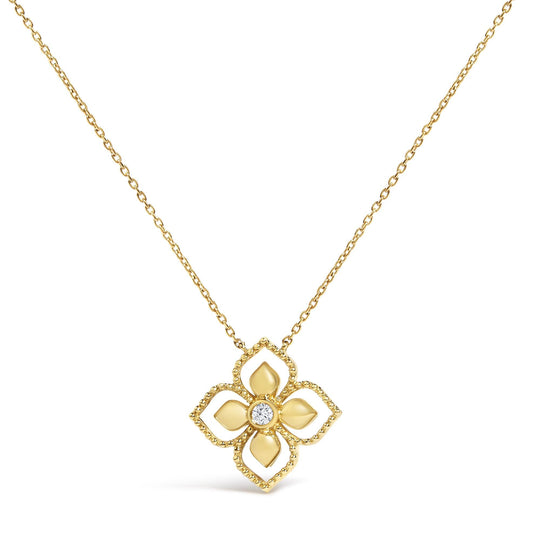
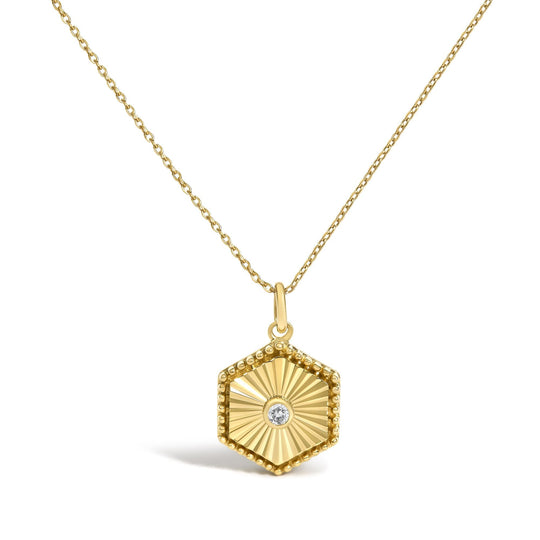
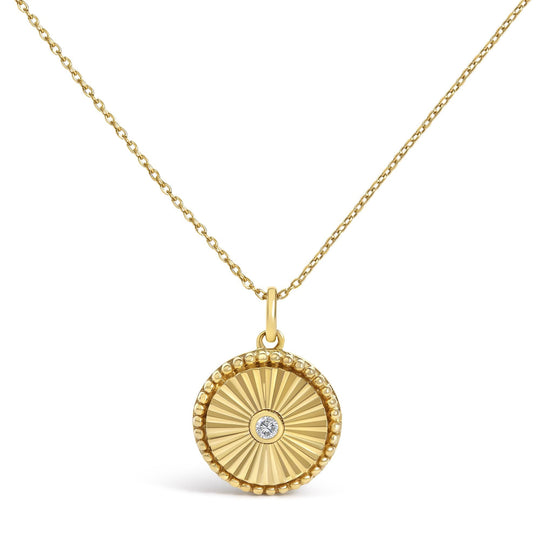
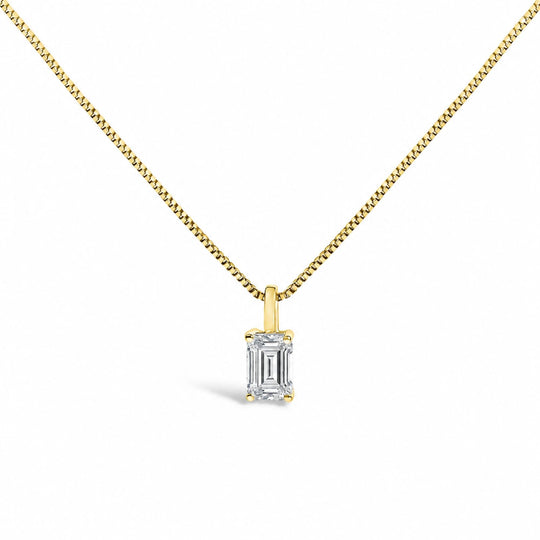
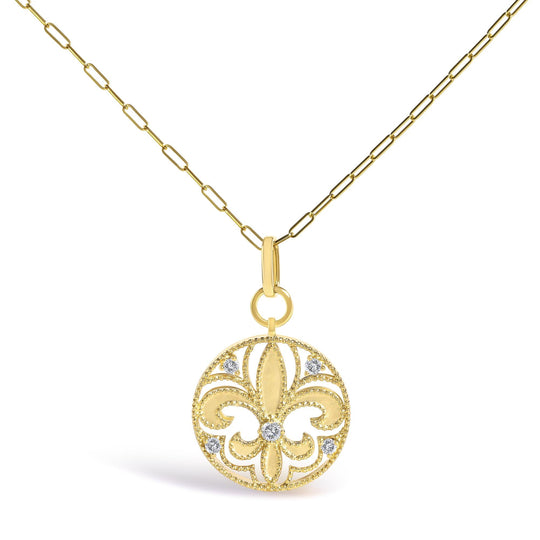
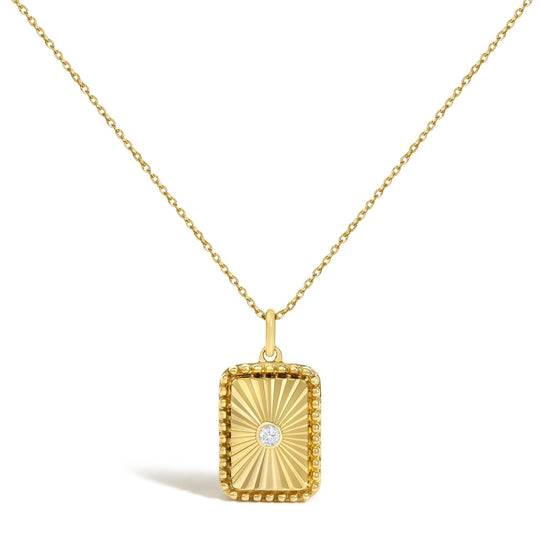
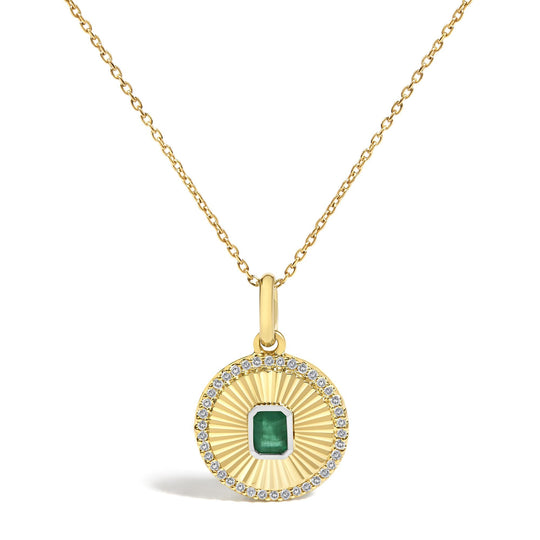
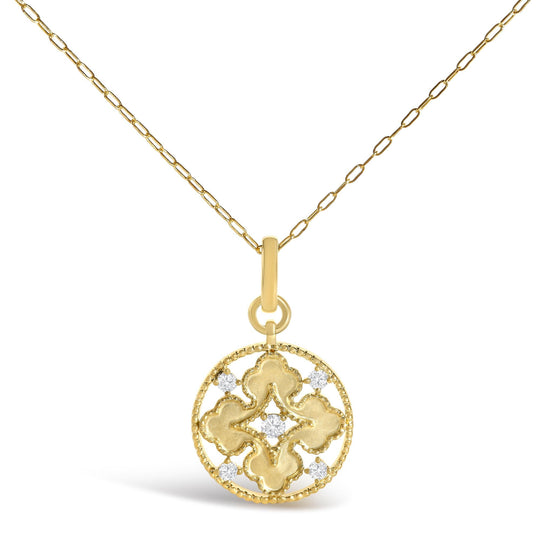
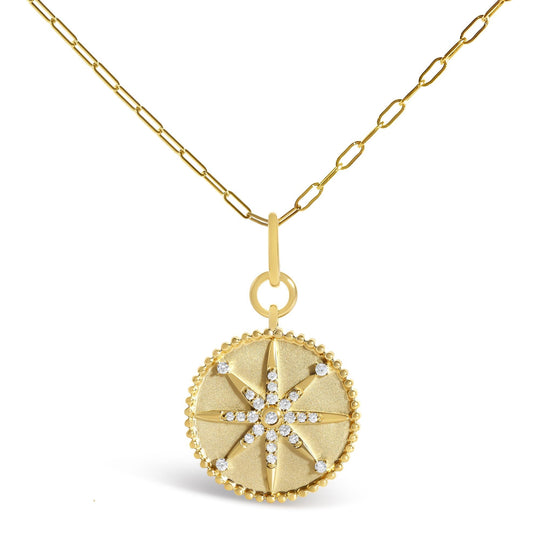
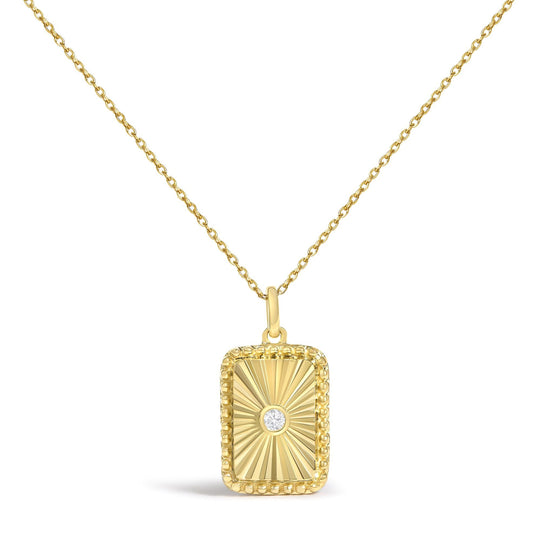
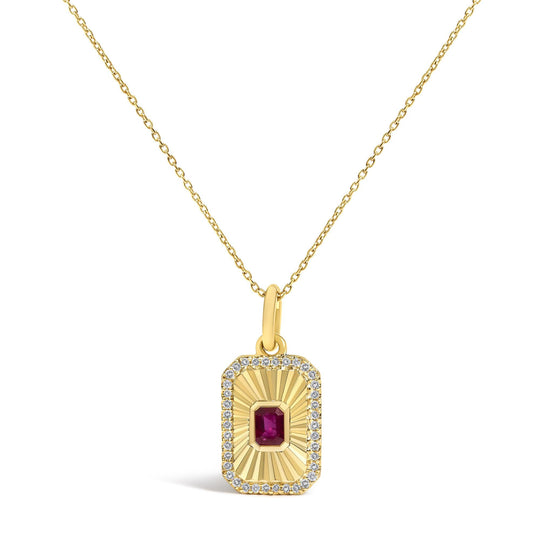
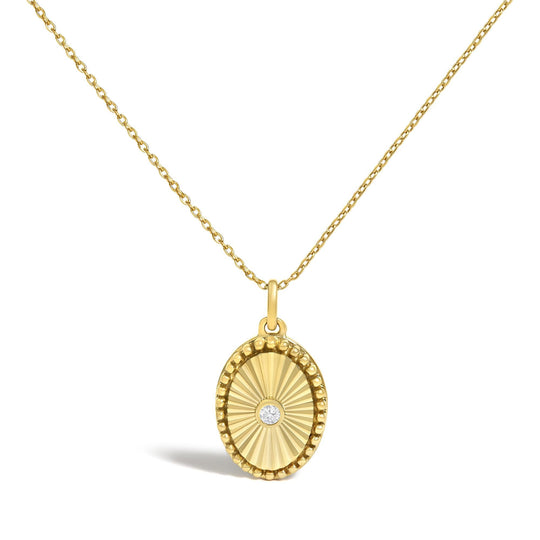
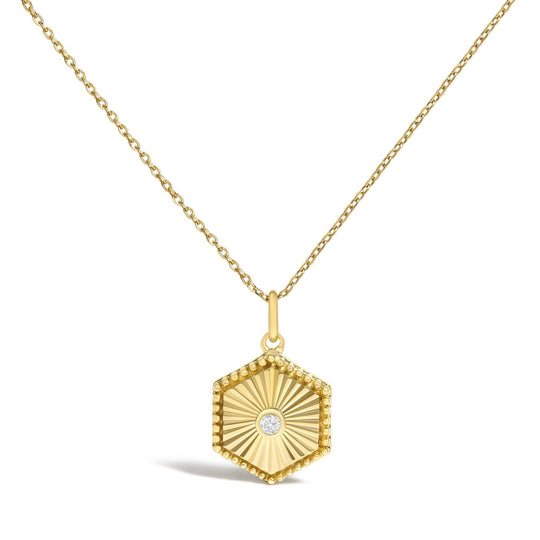
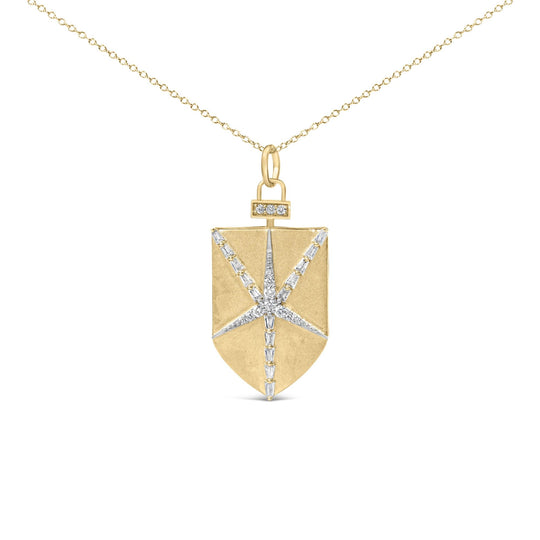
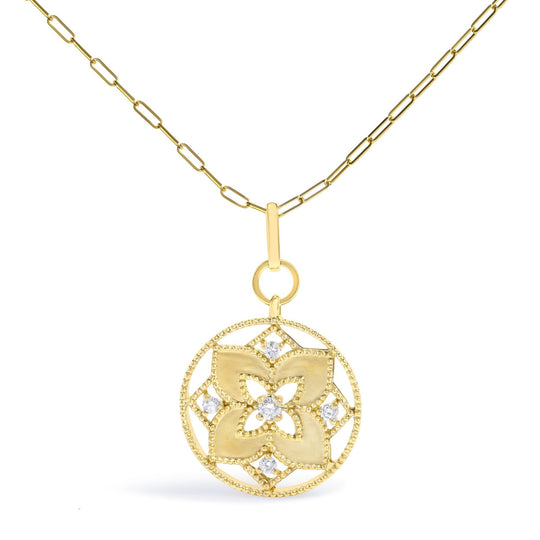
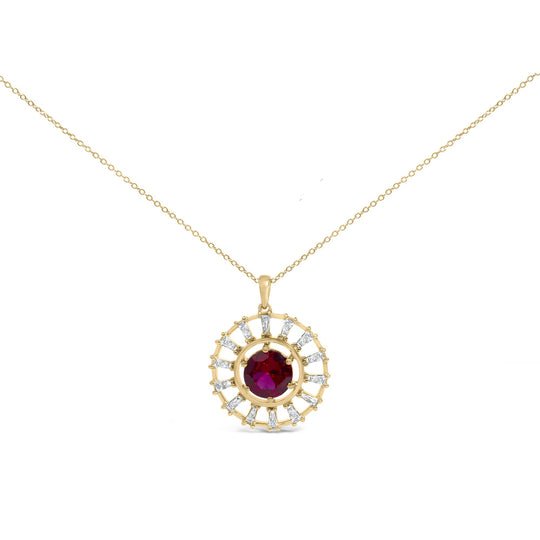
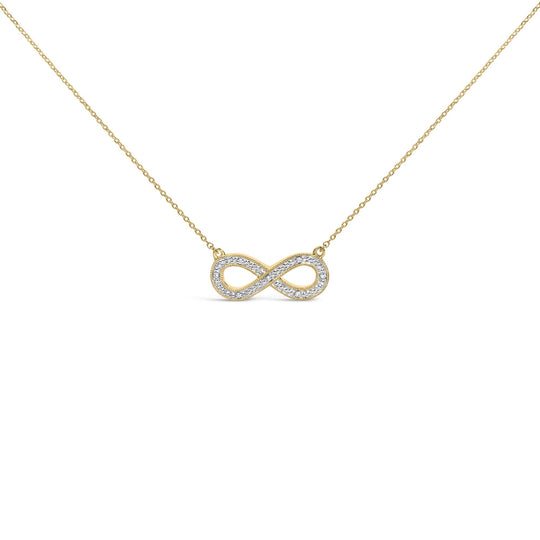
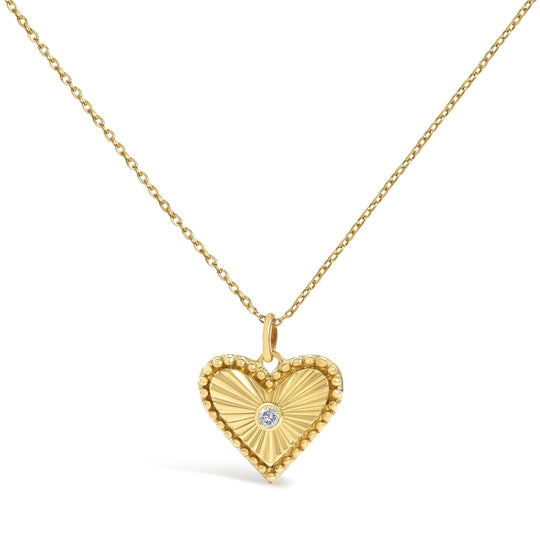
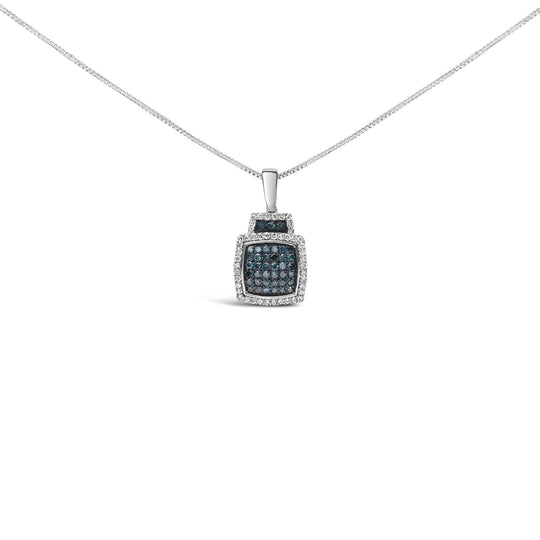
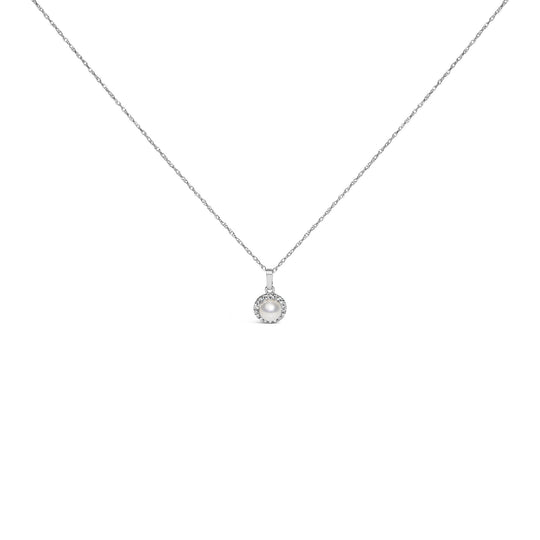
Diamond pendants are among the most consistently chosen fine jewelry gifts, suited to milestone occasions, anniversaries, and personal purchases in equal measure. Oath's diamond pendants collection covers single-stone, multi-stone, and pavé designs in round, oval, and cushion shapes, in 10K, 14K, and 18K gold and platinum, with natural and lab-grown diamond options throughout. Available with or without a matching chain. Ships free on every diamond pendant order, with a 30-day return policy included.

  • Genuine Gemstones
  • Free Shipping
  • 30-Day Returns

Buying Diamond Pendants: Settings, Chain Length, and Metal

Why Diamond Pendants Deliver Strong Visual Return

A diamond pendant concentrates stone presence at one of the highest-visibility positions on the body. Because the pendant sits at the collarbone or upper chest, it is visible to others in face-to-face interaction more reliably than a ring or bracelet. A quarter to half carat solitaire at an 18-inch length reads clearly in almost any social setting without reading as overstated. For pendants set with lab grown stones, browse lab grown diamond pendants.

Gold Pendant Settings and Metal Options

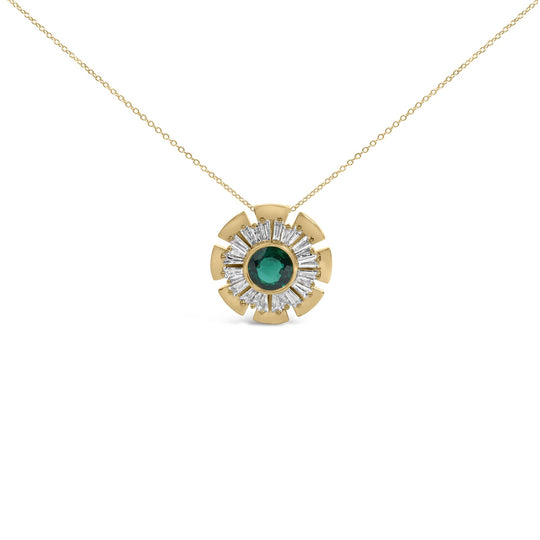
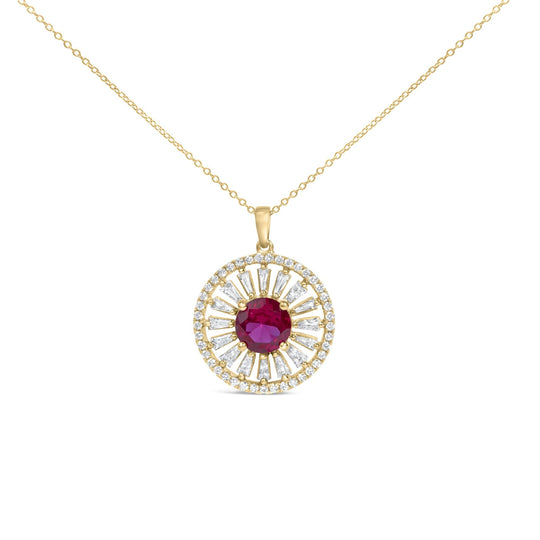
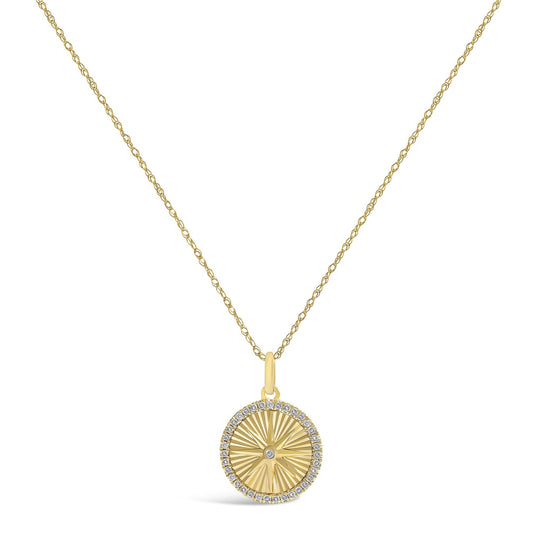
Diamond pendants in gold are available in yellow, white, and rose gold across 14k and 18k. White gold is the most popular setting for diamond pendants because its cool neutral tone maximizes the stone's apparent brilliance. Yellow gold creates a warmer contrast and suits diamonds with slightly warmer color grades. Rose gold offers a softer look that is less conventional without being unusual. Setting styles within each metal include prong solitaires, bezel settings, halo configurations, and pave designs. The gold pendants range covers all available styles across yellow, white, and rose gold.

Diamond Necklaces: Pendants as Part of a Larger Category

Diamond pendants are the most purchased type within the broader diamond necklace category. A pendant offers a single focal point at the neckline, distinct from the continuous coverage of a tennis necklace or the distributed detail of a pave chain. Buyers who want stone presence with the flexibility to change chains or layer the pendant with other pieces find the pendant format more versatile than a fixed pendant-on-chain necklace. The diamond necklaces range covers all necklace styles including both pendants and chain configurations.

Pendants and the Broader Pendant Range

Diamond pendants sit within a larger pendant category that includes plain gold, silver, and colored stone styles. Buyers comparing diamond pendants alongside other stone types benefit from seeing how diamond compares to sapphire, emerald, and other options at similar price points. For all pendant types before deciding, the full pendants range covers every pendant style across all stones and metals. Every order ships free with a 30-day return policy.

Frequently Asked Questions

What is a diamond pendant?

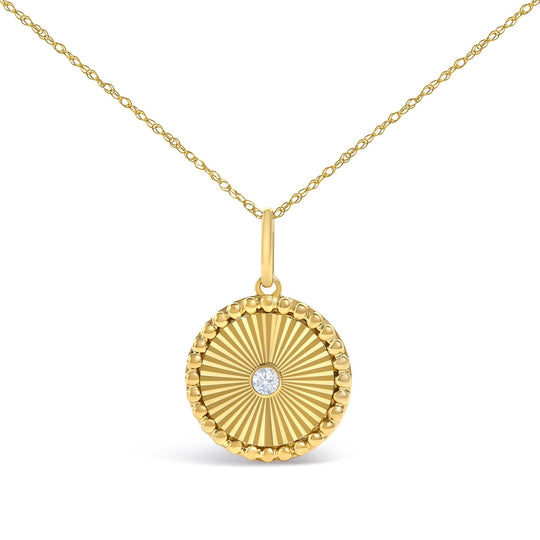
A diamond pendant is a hanging element featuring one or more diamonds, worn on a chain at the neckline. The pendant is typically sold separately from the chain, allowing buyers to choose the chain length and style independently. Diamond pendants range from simple solitaire settings with a single stone to more complex designs featuring pave, halo, or multi-stone configurations. The pendant concentrates diamond presence at one visible point on the body, making a smaller carat weight go further visually than the same stone weight distributed across a ring or bracelet.
What setting styles are available in diamond pendants?

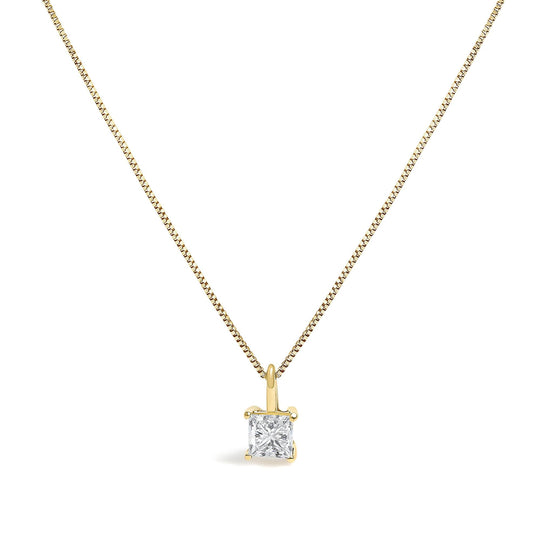
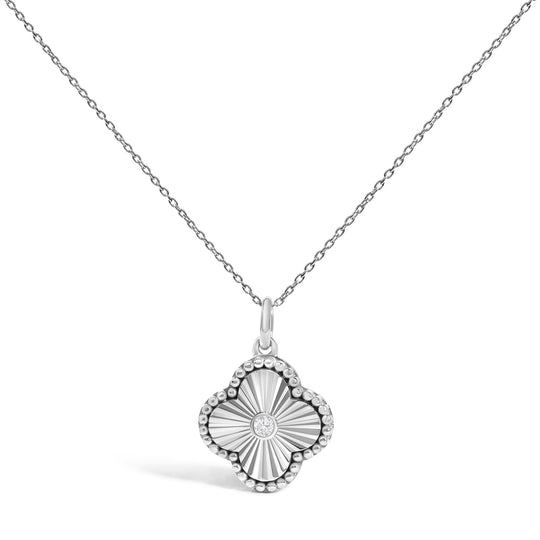
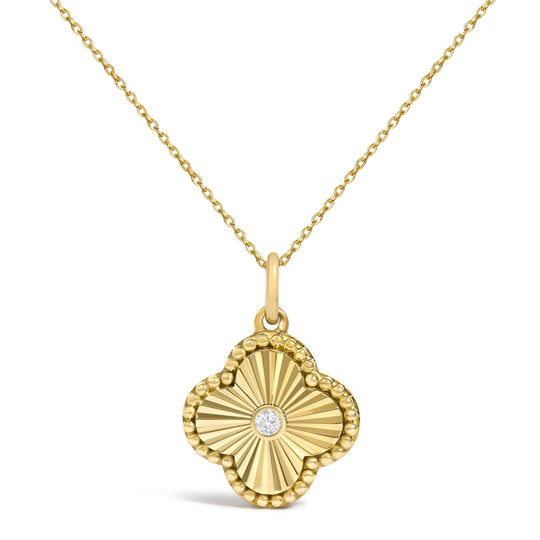
Solitaire settings hold a single diamond in a prong configuration and are the most popular pendant style because they maximize light return from the stone. Bezel settings fully encircle the stone in metal for more protection with slightly less stone exposure. Halo settings surround the center diamond with smaller accent stones to increase apparent size and overall brilliance. Pave settings distribute multiple small diamonds across a pendant surface for continuous sparkle. Each setting style changes the visual character of the pendant significantly at the same carat weight.

What chain length should I pair with a diamond pendant?

The most versatile length for a diamond pendant is 16 to 18 inches, positioning the stone at or just below the collarbone where it is most visible and suits the widest range of necklines. A shorter 14-inch chain reads like a necklace for a higher neckline context. A longer 20 to 22 inch chain lowers the pendant to mid-chest, which suits a deeper neckline or a larger, heavier stone that needs more visual space. A slim cable or box chain in 1 to 2mm reads cleanly without competing with the pendant itself.

How do I care for a diamond pendant?

Clean the pendant by soaking briefly in warm water with dish soap, then using a soft toothbrush around the setting to remove oils and residue from behind and beneath the stone. Rinse thoroughly and dry with a soft cloth. Store the pendant laid flat or hanging to prevent the bail from bending under the weight. Inspect the prongs annually. If any prong appears lifted or worn, have a jeweler tighten it before the stone is at risk. Diamond is scratch-resistant but the setting is not, so avoid rough contact with hard surfaces.

What diamond carat weight works best in a pendant?

For daily wear, a solitaire pendant in the quarter to half carat range reads clearly at the collarbone without being overwhelming. A half to one carat stone in a solitaire setting reads as a statement piece appropriate for most occasions. Above one carat, the pendant reads as a significant fine jewelry item suited to formal contexts. For a full guide to matching carat weight to budget and occasion, read how to buy a diamond.

Are diamond pendants a good gift choice?

Diamond pendants are one of the safest fine jewelry gift categories. They require no sizing, work across most style preferences, and are universally recognized as a meaningful fine jewelry piece. A simple solitaire diamond pendant in 14k white or yellow gold in the quarter to half carat range suits buyers across a wide range of occasions from birthdays to milestones. The chain can be adjusted or changed if the length isn't right.

Can a diamond pendant be worn every day?

A bezel-set diamond pendant is the most durable choice for daily wear because the stone is fully enclosed in metal. A prong-set solitaire is also suitable for daily wear if the prongs are low-profile and the bail is sturdy. Avoid wearing any pendant during activities involving heavy impact or rough physical work. The bail, which is the loop connecting the pendant to the chain, is the point most likely to deform under stress.

How do diamond earrings compare to a diamond pendant as a purchase?

Diamond earrings and pendants deliver stones at different positions and with different visual mechanics. Earrings sit at the face, which is the most visible position in face-to-face interaction. Pendants sit at the neckline, which is more visible from a distance and when the wearer is moving. Both are practical daily pieces. Buyers often purchase both as complementary pieces rather than choosing between them. The diamond earrings range covers the full earring selection to compare alongside pendants.

What silver diamond pendant options are available?

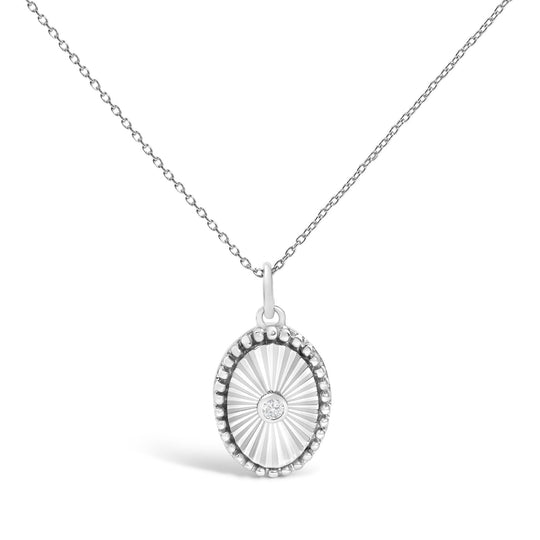
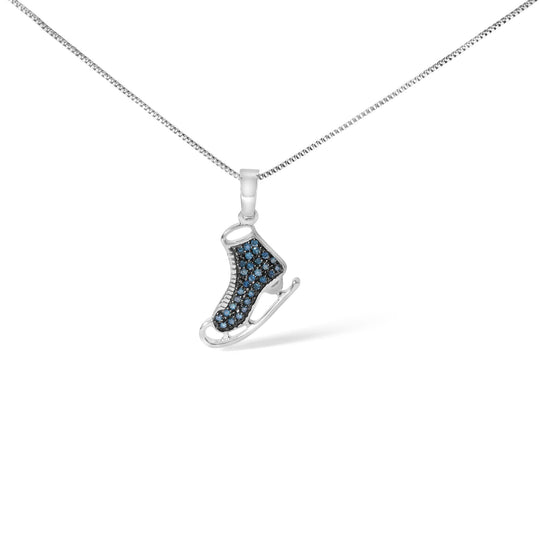
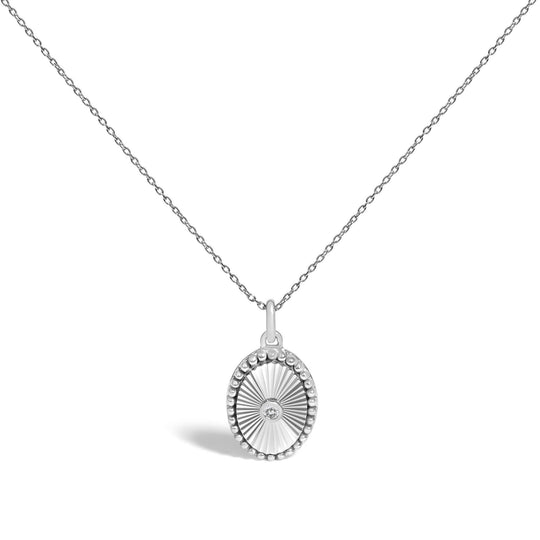
Silver diamond pendants set diamonds in sterling silver settings, offering the stone presence of a real diamond at a lower metal cost than gold. The cool tone of sterling silver suits colorless diamonds well and creates a clean, bright overall appearance. Plain solitaire and simple accent designs are the most common silver pendant styles. For buyers who want the silver look with higher metal durability, white gold is worth comparing. The silver pendants range covers the full selection of sterling pendant styles including diamond options.

How does a diamond pendant fit within the pendant necklace category?

Diamond pendants are the stone-set subset of the broader pendant necklace category. The same principles of chain length, setting style, and layering apply equally to diamond pendants as to other pendant types. Diamond pendants tend to be purchased as single focal pieces rather than as part of a layered stack, because the stone presence is significant enough to anchor a look on its own.

×
Your Bag
Subtotal (tax excl.) $0
 
Example
Example
Example
(0 )
Example
View detail
Example
Example
Option1
Option2
Option3
Option1
Option2
Option3
Sold out
Quantity
Add To Cart
Buy Now
Compare
Add Wishlist
Share:
0
0