Every order ships free with a 30-day return policy  ·  Browse new arrivals

Diamond Jewelry

Authentic Diamond Jewelry Across All Styles and Settings

Diamond jewelry spans the widest price range of any fine jewelry category, from simple solitaire studs and classic tennis bracelets to elaborate multi-stone rings and halo pendants. Oath's diamond jewelry collection covers rings, necklaces, earrings, bracelets, and pendants set in 10K, 14K, and 18K gold and platinum, with natural and lab grown diamond options throughout. Every diamond jewelry order ships free, and returns are accepted within 30 days.

Price
The highest price is $182,042.75 Reset
$
$

What to Know Before Buying Diamond Jewelry

Diamond Rings: The Most Requested Category

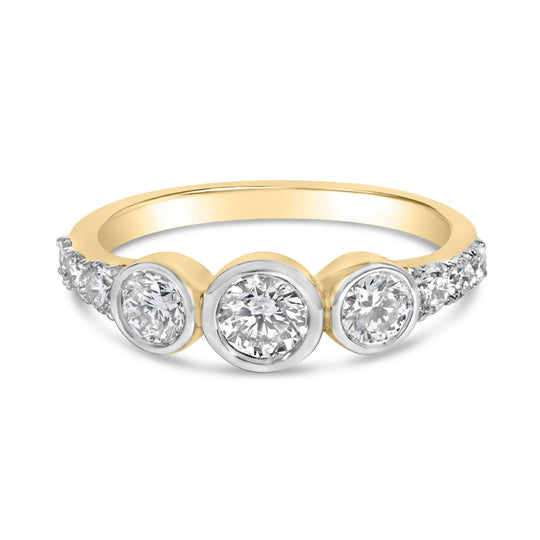
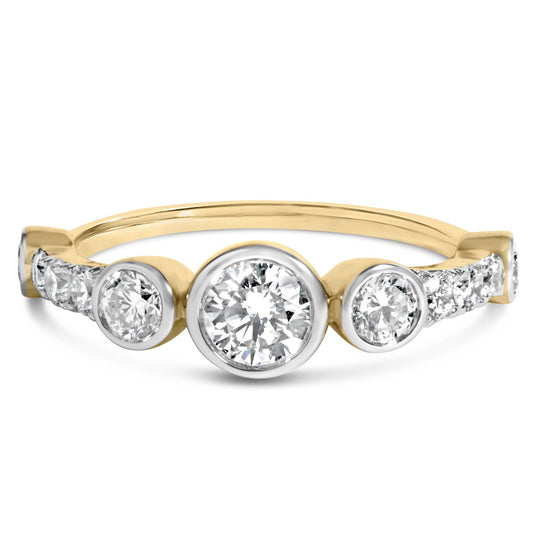
Diamond rings account for the largest share of fine diamond jewelry purchases because they carry the highest personal significance and are worn every day by a large portion of buyers. The range here covers engagement styles, fashion rings, bands, and stackable options across yellow, white, and rose gold. Settings run from simple solitaires to elaborate halo and pave constructions. The right ring depends on how it will be worn daily rather than how it looks in isolation. Browse diamond rings to see the full range by setting, metal, and style.

Diamond Earrings for Every Wearing Context

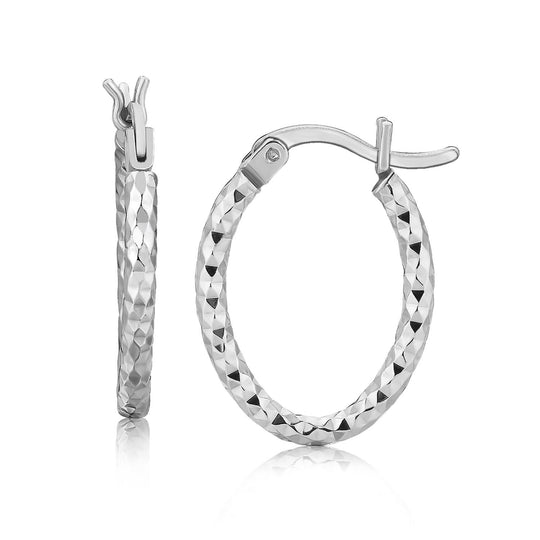
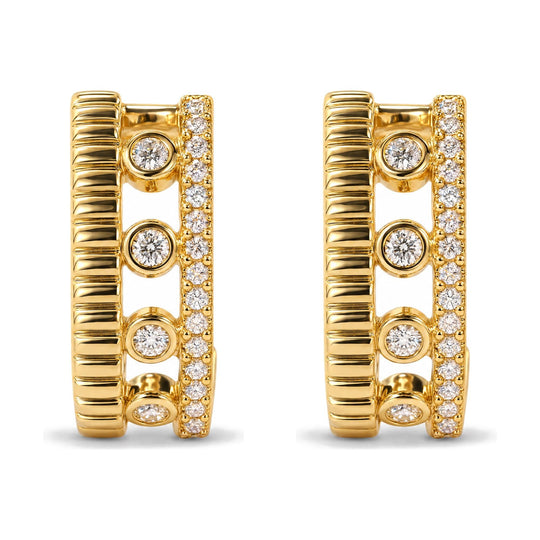
Diamond earrings are one of the most versatile pieces in fine jewelry because they work across nearly every occasion without adjustment. Studs are the most practical choice for daily wear. Hoops with pave diamond detail read more formal. Drop and dangle styles suit occasions where more movement and visibility is appropriate. All three are available here in multiple metals, with stones set in prong, bezel, and pave configurations. The diamond earrings range covers every earring style and setting in this material.

Diamond Necklaces and What Sets Them Apart

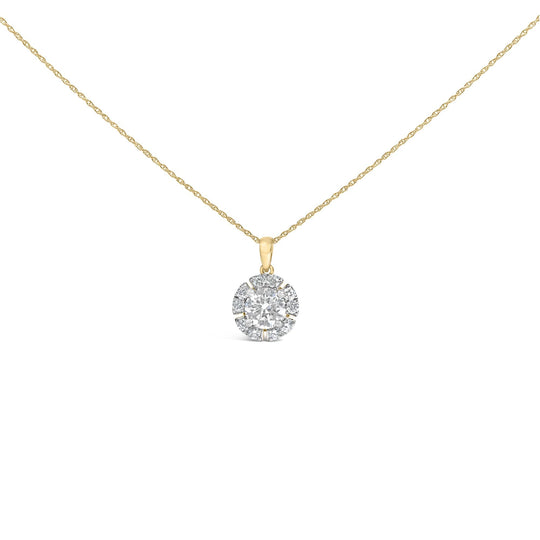
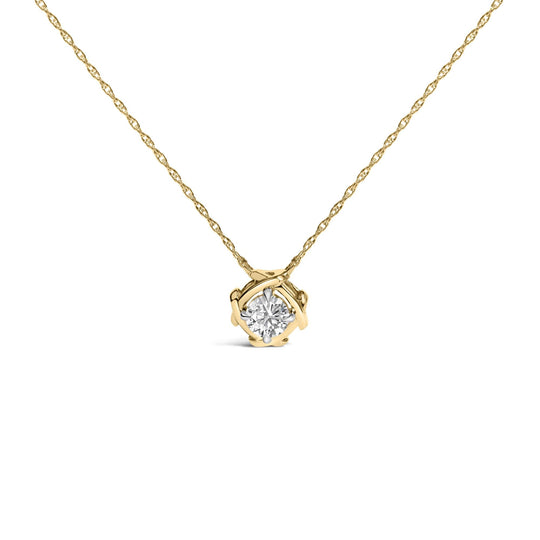
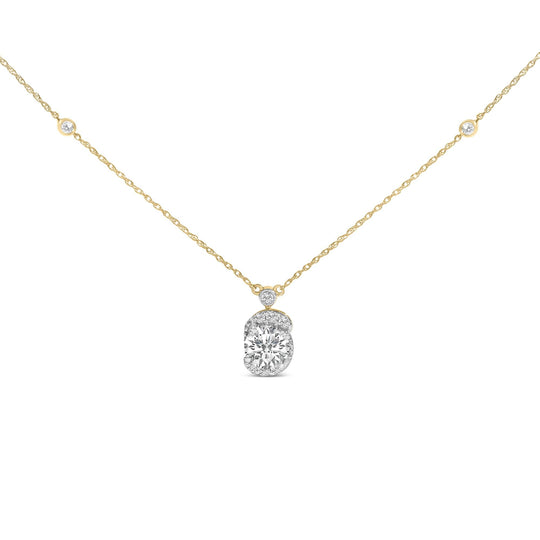
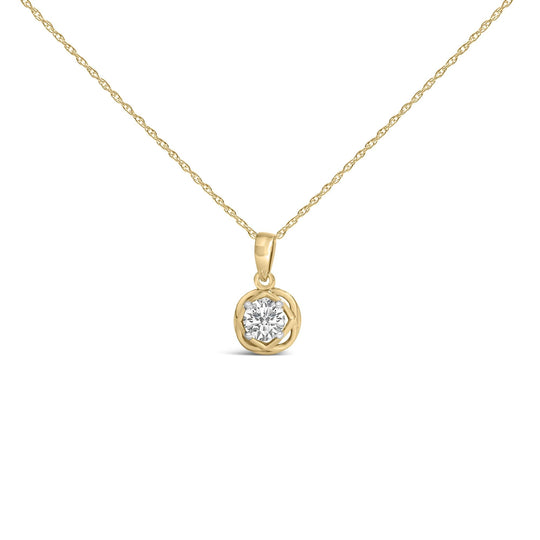
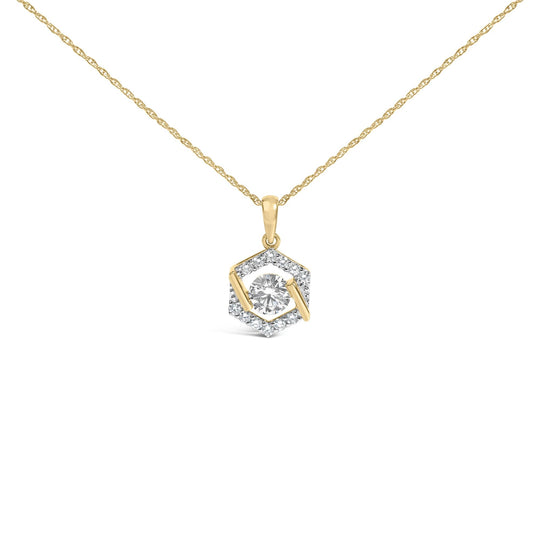
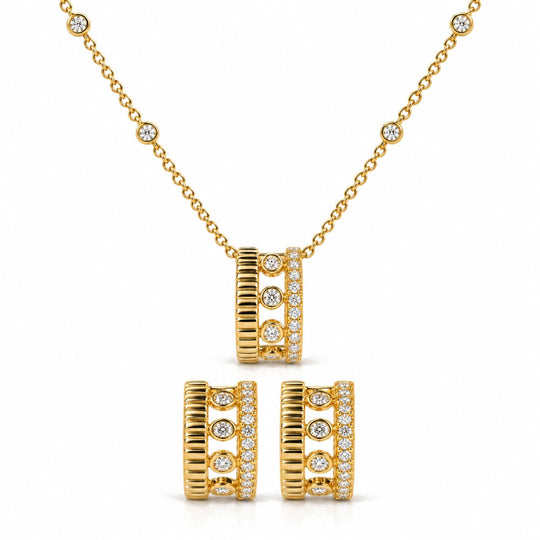
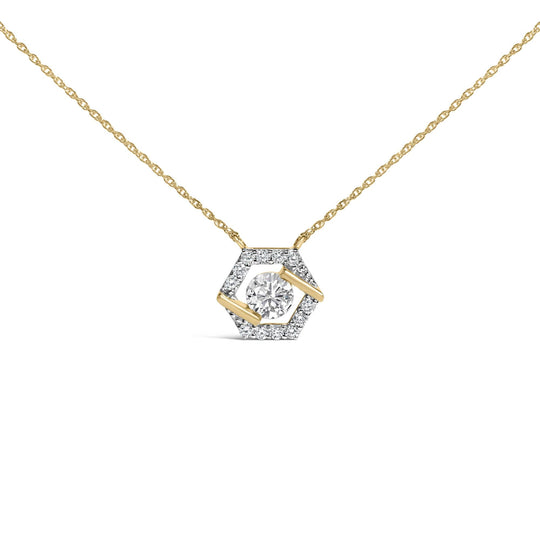
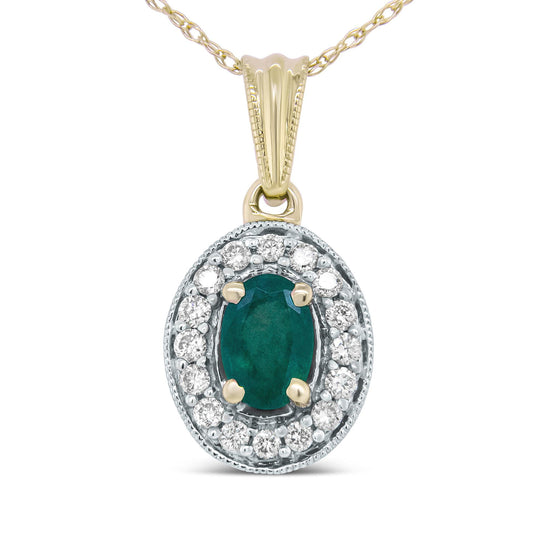
A diamond necklace delivers consistent visibility because it sits at a natural focal point on the body. Pendant styles concentrate stone presence at one point, while pave chains distribute it across the full length. Tennis necklace configurations offer the most stone coverage of any necklace type. The length determines where the piece falls and how it interacts with necklines. All styles are available in yellow, white, and rose gold. See diamond necklaces for the full selection of pendant and chain styles.

Diamond Bracelets Built Around Wrist Presence

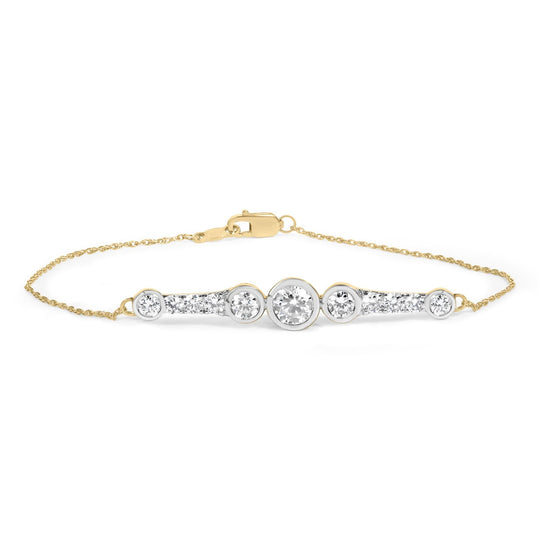
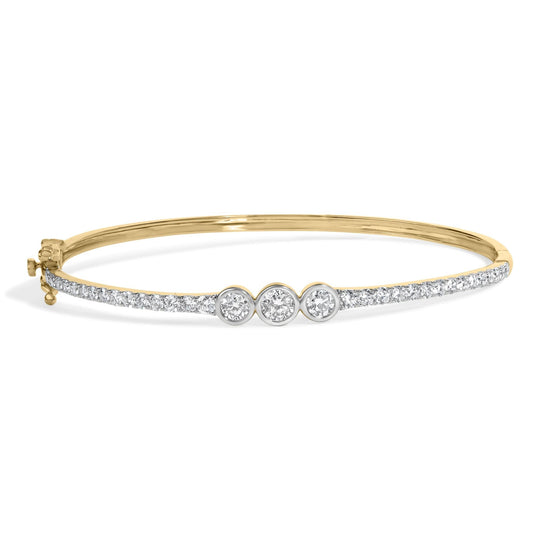
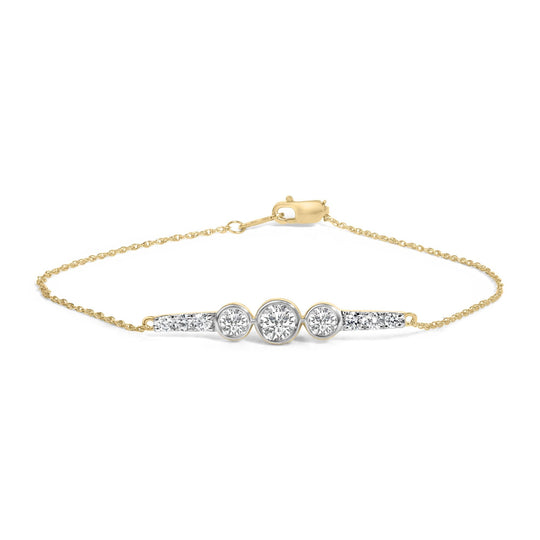
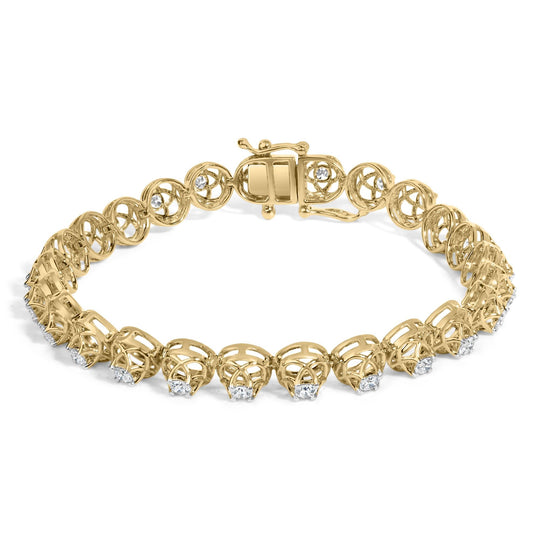
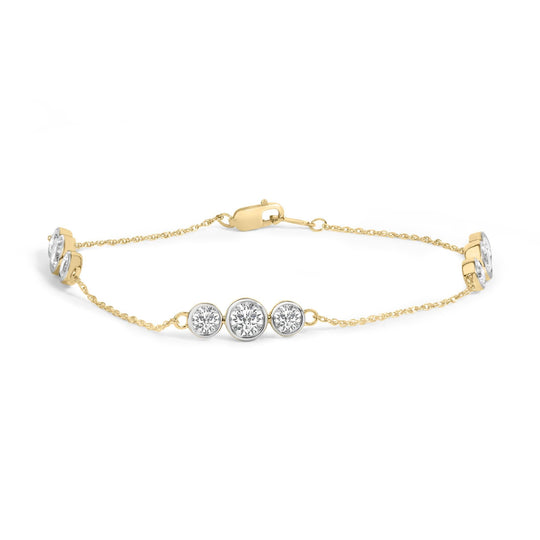
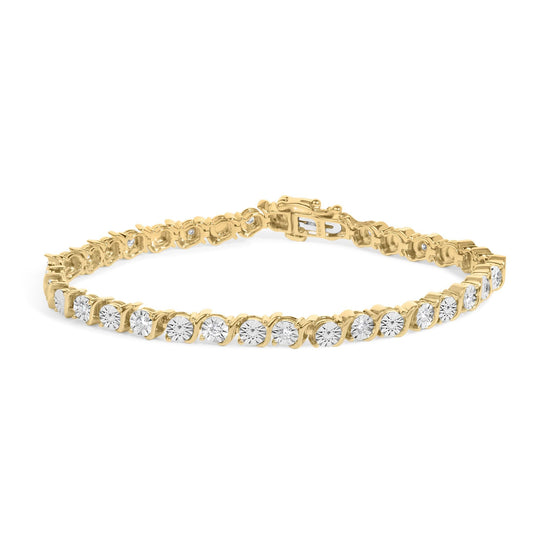
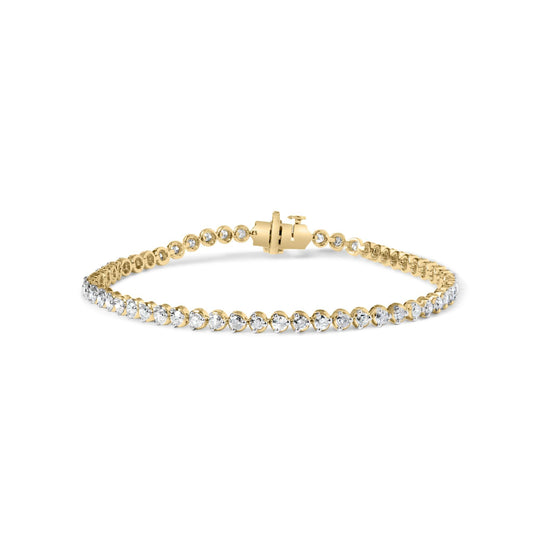
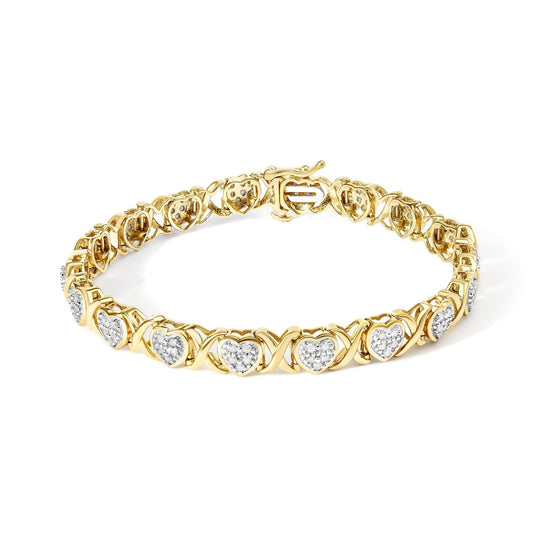
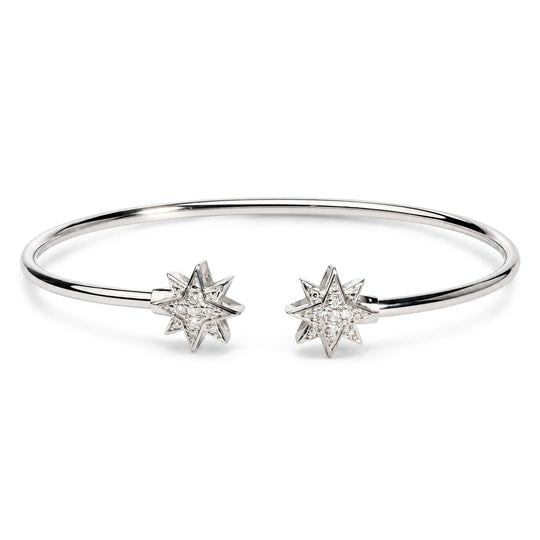
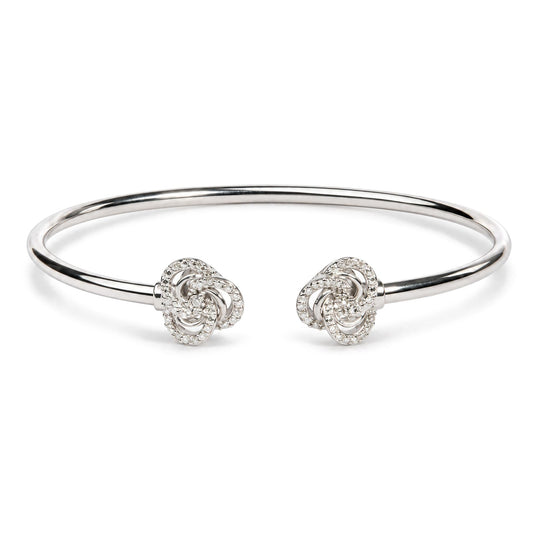
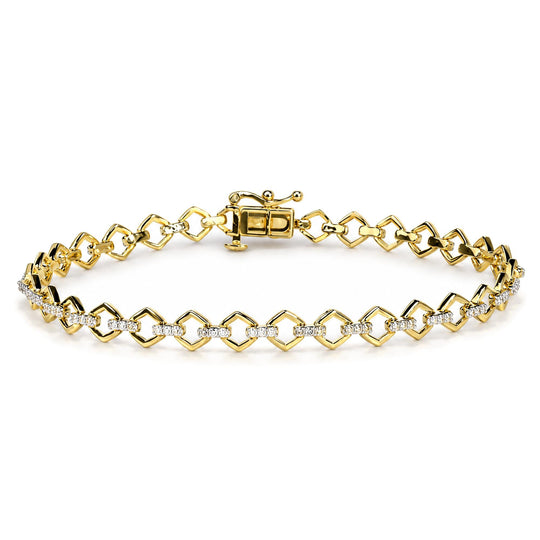
Diamond bracelets work differently from other jewelry types because they are in motion every time the wrist moves, giving them more visual presence than a static piece at the same carat weight. Tennis and pave styles are the most popular because they deliver continuous stone coverage. Bangles with diamond accents balance stone presence with a cleaner silhouette. For the full range of diamond bracelet styles, browse diamond bracelets. Every order ships free with a 30-day return policy.


Frequently Asked Questions

What is diamond jewelry?

Diamond jewelry refers to any fine jewelry piece that features diamonds as the primary or accent stone. This includes rings, necklaces, earrings, bracelets, pendants, and bangles. Diamonds are used in a range of setting styles, from solitaire and halo to pave and bezel, across gold and platinum metals. The term covers both engagement-oriented pieces and everyday fashion jewelry. At Oath, all diamonds are real, and the metal options span yellow, white, and rose gold across multiple karat options.

What are the 4 Cs of diamonds?

The 4 Cs are cut, color, clarity, and carat weight. Cut determines how well the stone reflects light and is the most significant factor in a diamond's appearance. Color is graded from D (colorless) to Z (light yellow), with D through G being the most desirable for white diamonds. Clarity measures the presence of inclusions. Carat is the weight of the stone, not its physical size. Cut has the greatest impact on how brilliant a diamond appears in person. For a full breakdown of how the four Cs shape a diamond's look and value, read how to evaluate diamond quality.

What diamond shapes are available?

The most widely available diamond shape is round brilliant, which accounts for the majority of diamond jewelry sold. Other shapes include oval, cushion, princess, emerald cut, pear, marquise, and radiant. Each shape reads differently in a setting, with elongated shapes like oval and pear making stones appear larger for their carat weight. Round brilliant reflects the most light of any shape due to its proportions. Shape availability varies by jewelry type and price range.

How do I care for diamond jewelry?

Diamond is the hardest natural material, but the settings that hold it are not. Clean diamond jewelry by soaking briefly in warm water with dish soap, then using a soft toothbrush around the setting to remove oil and residue. Rinse thoroughly and dry with a soft cloth. Avoid harsh chemicals and remove pieces before activities involving impact or abrasives. Inspect prong settings annually for wear. Professional cleaning and prong inspection every one to two years extends the life of any diamond piece.

What is the difference between natural and lab-grown diamonds?

Natural diamonds form underground over billions of years under intense heat and pressure. Lab-grown diamonds are produced in controlled environments using the same physical process accelerated over weeks. Both are chemically and physically identical to each other. The differences are origin and resale value. Natural diamonds have historically retained more resale value. Lab-grown diamonds offer larger stones at lower prices. Both are real diamonds. Oath sells natural diamonds throughout the collection.

What metal works best with diamonds?

White gold is the most popular metal for diamond settings because its cool tone does not compete with the stone's color. Yellow gold was the traditional choice and remains common in vintage and modern designs. Rose gold suits lower-color diamonds well. Platinum is the most durable option with a naturally white tone that does not require re-plating over time. All four metals are available across the diamond range here. For pieces in solid gold across other jewelry types, the gold jewelry range covers the full selection.

How do I choose a diamond setting style?

Setting style affects both the appearance and durability of a diamond piece. Prong settings show the most stone surface and maximize brilliance. Bezel settings fully encircle the stone, offering the most protection for daily wear. Pave settings spread small diamonds across a surface for continuous sparkle. Channel settings secure stones between two metal rails. The halo setting, which surrounds a center stone with a ring of smaller diamonds, is one of the most popular engagement styles and adds significant visual impact. The halo rings range covers the full selection of this setting style.

What diamond jewelry is best for everyday wear?

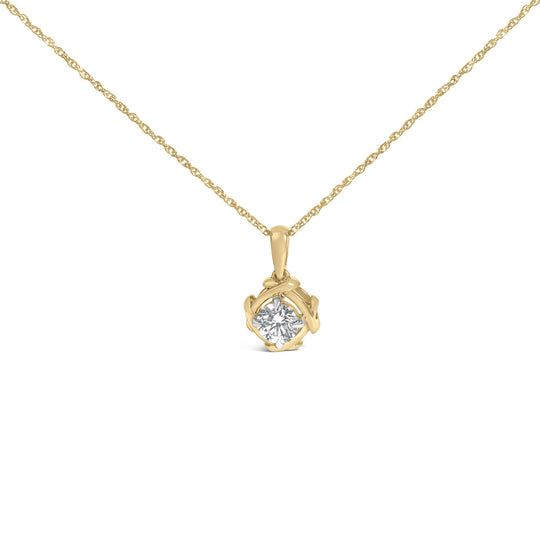
Bezel-set diamond pieces are the most durable for daily wear because the stone is fully protected by metal on all sides. Stud earrings are among the most practical, sitting close to the ear without catching on clothing. Simple diamond bands in 14k or 18k gold hold up well through regular wear. Pendants in a bezel or low-profile prong setting are also strong everyday choices. The diamond pendants range includes styles built around that balance of stone presence and daily wearability.

Is diamond jewelry a good investment?

Diamond jewelry holds value better than fashion jewelry, but it is not a liquid investment in the way financial assets are. A well-made diamond piece in solid gold retains meaningful value over time and can be resold through estate jewelers, auction houses, or private sale. The combination of diamond quality and metal karat determines resale potential more than brand or retail origin. If long-term value retention matters, focus on higher cut and color grades in a classic setting. For diamond rings that pair small accent stones with a band or colored center, browse diamond accent rings.

How does diamond jewelry compare to other gemstone options?

Diamonds are the hardest natural gemstone and the most widely recognized in fine jewelry. They suit buyers who want a colorless stone that reads formal or classic in nearly any setting. Colored gemstones offer more visual distinction and often cost less per carat for similar visual impact. Sapphires, emeralds, and rubies are the traditional alternatives in fine jewelry. The choice comes down to whether the buyer prefers the universality of a colorless diamond or the individuality of a colored stone.

×
Your Bag
Subtotal (tax excl.) $0
Pay as low as $350/month. Learn more
 
Example
Example
Example
(0 )
Example
View detail
Example
Example
Option1
Option2
Option3
Option1
Option2
Option3
Sold out
Quantity
Add To Cart
Buy Now
Compare
Add Wishlist
Share:
0
0