Skip to content
Every order ships free with a 30-day return policy  ·  Browse new arrivals

Ruby Jewelry

Genuine Ruby Jewelry in Gold and Silver

Ruby is the red variety of corundum, and color is the primary quality indicator. Deeper, more vivid reds are the most sought-after in fine jewelry, with the most prized stones showing a rich, consistent crimson throughout. Oath's ruby jewelry collection covers rings, necklaces, earrings, and bracelets set in 10K, 14K, and 18K gold and sterling silver, with genuine rubies across styles from simple solitaires to detailed multi-stone settings. Ruby is July's birthstone and a natural choice for meaningful gifts. Ships free on every ruby jewelry order, with a 30-day return window.

  • Genuine Gemstones
  • Free Shipping
  • 30-Day Returns

Ruby Jewelry: What the Gemstone Offers Across Every Jewelry Type

Ruby: The Red Corundum and What Sets It Apart

Ruby is the red variety of the mineral corundum, the same mineral as sapphire. Its intense red color comes from chromium trace elements, and the depth of that red varies with chromium concentration: higher chromium levels produce the most vivid, saturated reds. Ruby is the July birthstone and one of the historically rarest and most valued gemstones globally. Fine Burmese rubies from the Mogok Valley have set auction records; top-grade Pigeon's Blood rubies consistently exceed all other colored stones in per-carat value at the highest quality levels. Browse gemstone jewelry for a broader view of gemstone options.

Ruby Rings and Their Practical Advantages

Ruby rings benefit from the gemstone's combination of extreme hardness and vivid color. At 9 on the Mohs scale, rubies hold up to the daily wear and contact that ring settings experience better than almost any other colored stone. Rubies have become increasingly popular as engagement ring alternatives, partly as a response to rising diamond costs and partly for the symbolic associations of red with passion and commitment. Browse ruby rings for the full ruby ring range.

Ruby Earrings: Bold Color at the Face

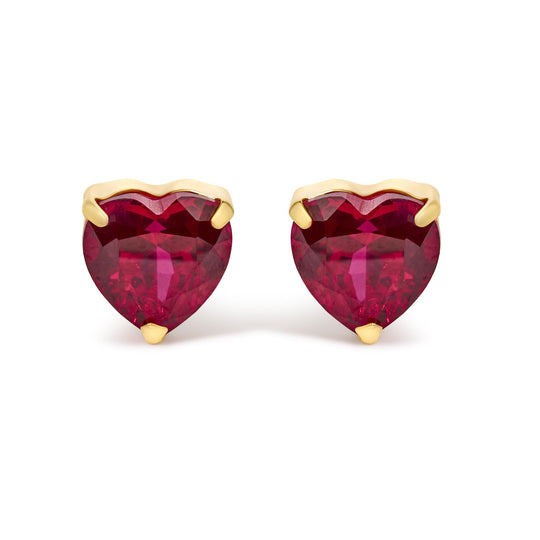
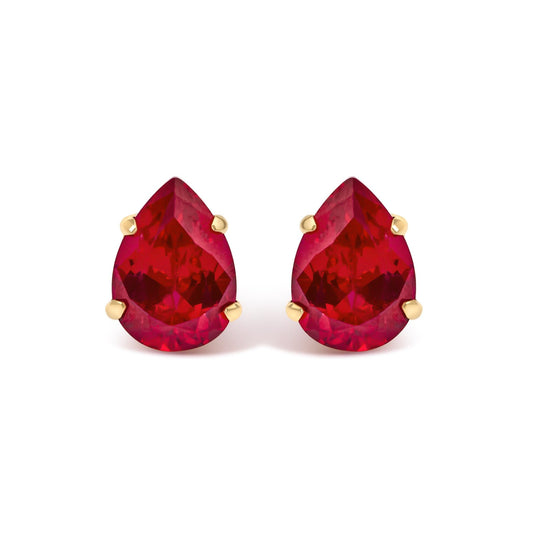
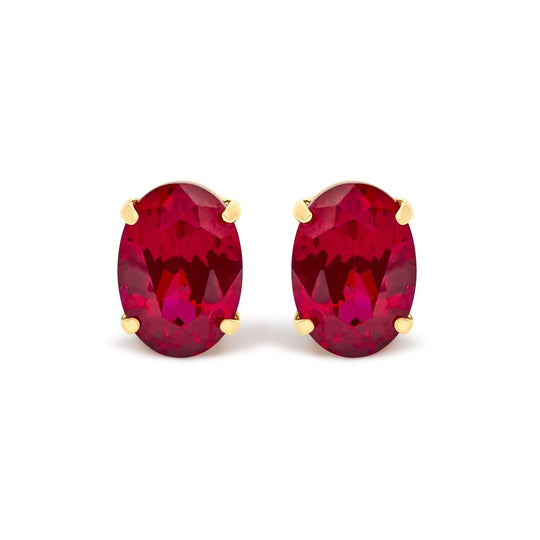
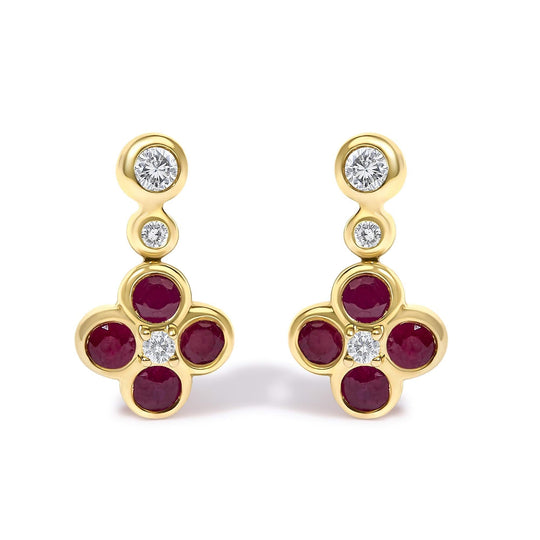
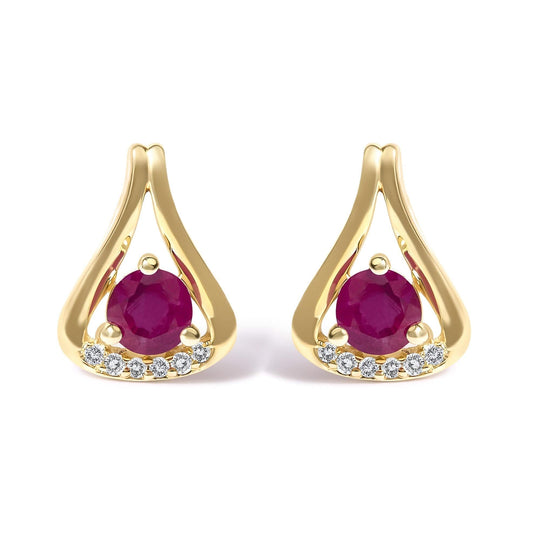
Ruby earrings create one of the most visually impactful colored gemstone effects in fine jewelry. Red has the highest natural attention-drawing quality among colors, which means a small ruby stud at the ear creates presence that larger stones in softer colors may not achieve. This allows buyers to use modest stone sizes and still generate strong visual impact. Ruby studs in yellow gold are the most traditional choice; halo designs in white gold create the highest contrast. Browse ruby earrings for the full earring range in this gemstone.

Ruby Necklaces at the Neckline

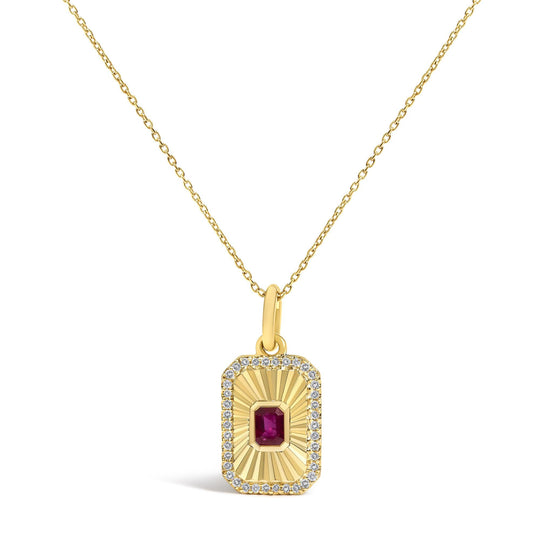
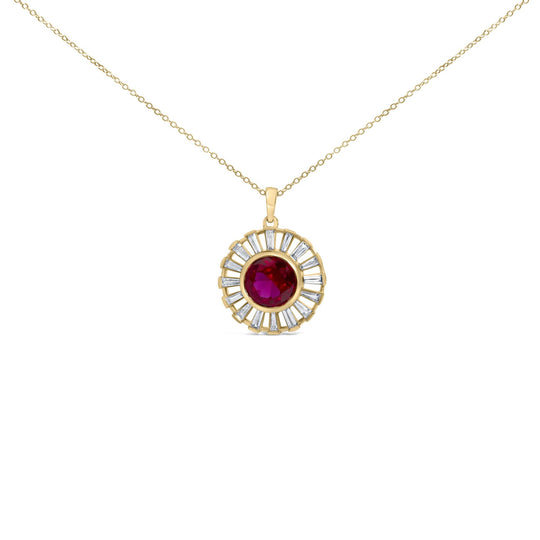
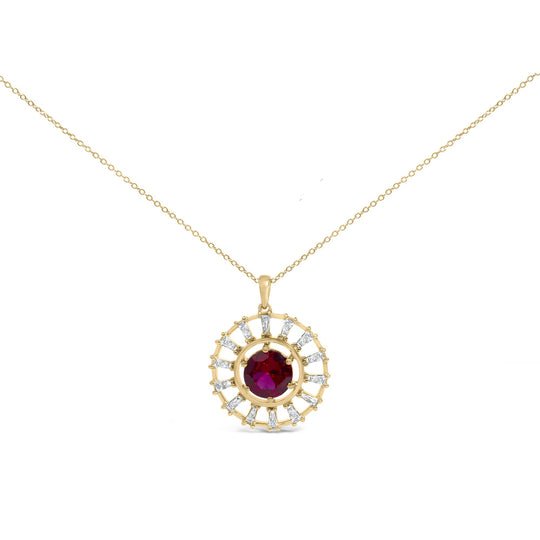
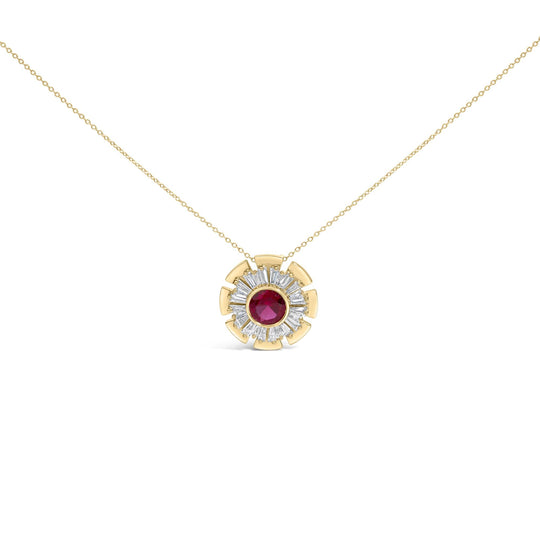
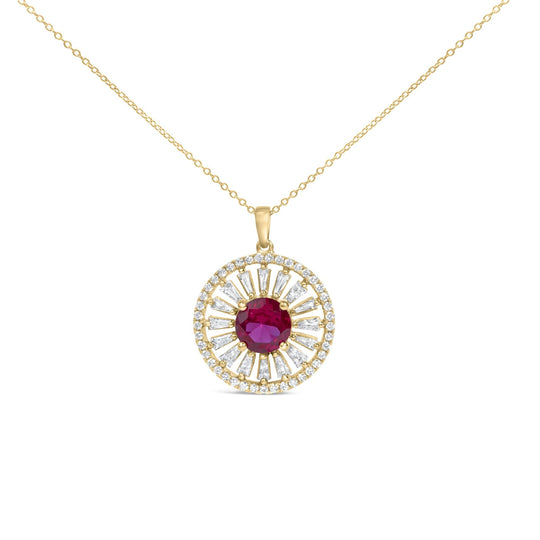
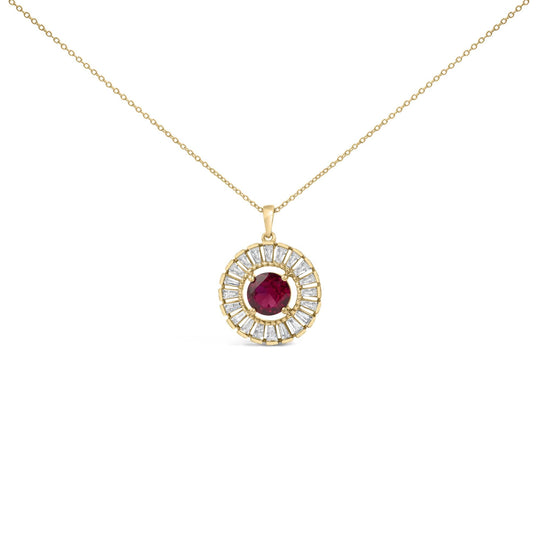
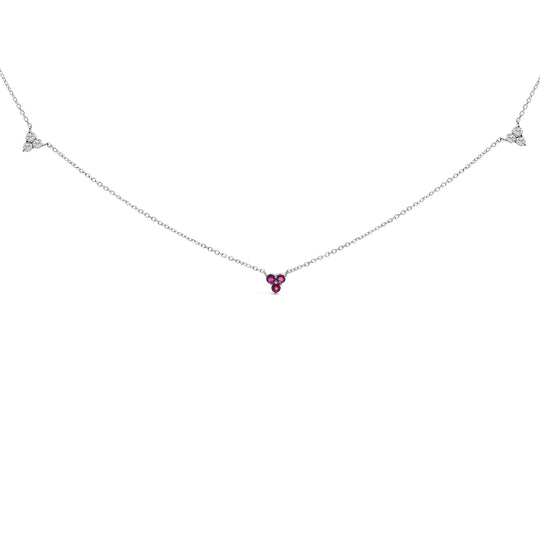
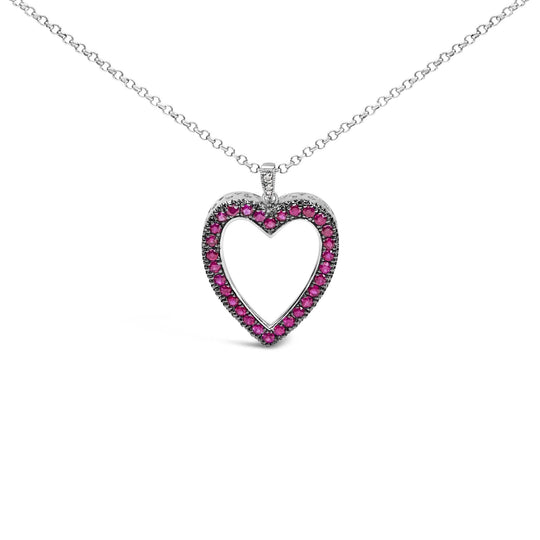
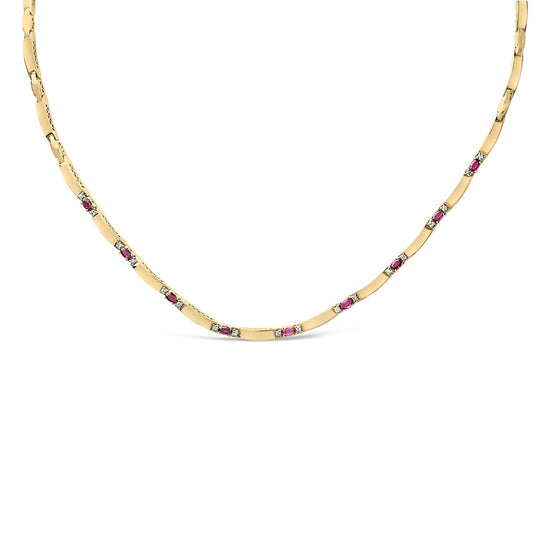
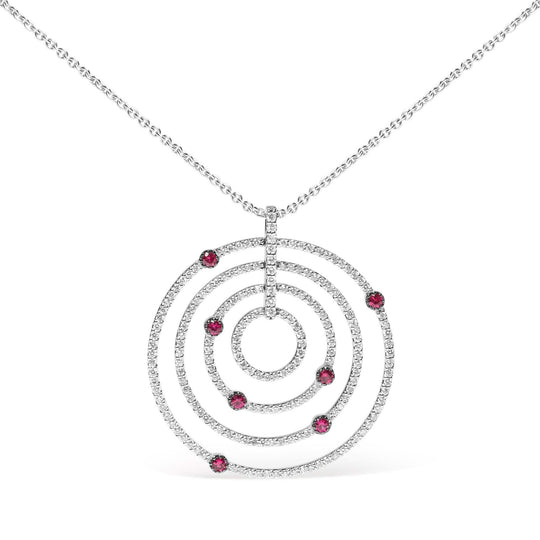
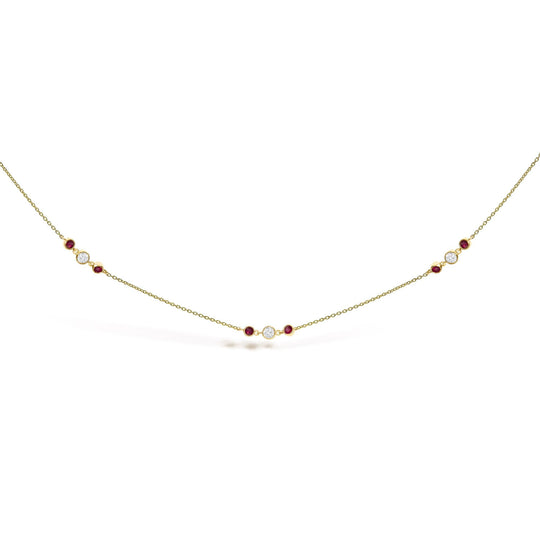
A ruby pendant at the neckline delivers a warmth and intensity that makes it one of the most distinctive gemstone choices for necklace wear. Because ruby's primary attribute is color rather than sparkle, the pendant reads as a bold deliberate accent. Deep red rubies in yellow gold settings at the collarbone position read as formal, richly jewel-like pieces. Lighter, brighter rubies in simple settings work for elevated everyday wear. Browse ruby necklaces for the full ruby necklace range. Every order ships free with a 30-day return policy.

Frequently Asked Questions

What is ruby and what makes it valuable?

Ruby is the red variety of the mineral corundum, the same mineral family as sapphire. Its red color is produced by chromium trace elements in the crystal structure. Ruby is rated 9 on the Mohs hardness scale, making it the second hardest gemstone. Its value comes from the combination of hardness, vivid color, and natural rarity: fine-quality rubies in vivid red with good transparency are among the rarest gemstones in nature, and the finest specimens reach some of the highest per-carat prices of any colored stone. For a full breakdown of the factors that set ruby value, read how to evaluate ruby quality.

What is Pigeon's Blood ruby?

Pigeon's Blood is a trade term for the most prized ruby color: a vivid, pure red with a slight blue undertone and strong fluorescence that creates a glowing appearance under incandescent light. The term originates from historical Burmese ruby descriptions and was associated specifically with Mogok Valley stones, though GIA and other laboratories now apply it to the color standard regardless of geographic origin. Rubies described as Pigeon's Blood quality command the highest premiums in the fine colored stone market.

Are rubies rarer than diamonds?

Fine-quality rubies in vivid Pigeon's Blood color are significantly rarer than comparable-grade diamonds. Diamonds are found across many global deposits; top-grade natural rubies in vivid, unheated, pure red are found in very limited supply, primarily from specific locations in Myanmar, Mozambique, and a few other sources. At the finest quality levels, rubies are among the rarest gemstones in the world, and exceptional stones regularly set records at auction.

What is the difference between heat-treated and untreated rubies?

Heat treatment applies high temperatures to rubies to improve color and reduce clarity-reducing inclusions. It is a permanent, stable treatment and is standard practice across the trade: the vast majority of commercial rubies are heat-treated. Unheated rubies that achieve excellent color and clarity without treatment are significantly rarer and command substantial premiums, particularly when certified by a reputable laboratory. Heat treatment does not reduce the stone's durability or beauty.

How hard are rubies?

Ruby shares the same 9 Mohs hardness as sapphire, placing it second only to diamond at 10. In practical terms, rubies can only be scratched by other rubies, sapphires, or diamonds. This makes ruby one of the most durable gemstones for fine jewelry, particularly for rings and bracelets where the stone experiences the most surface contact. Gemstones below 7 on the scale, including opal and pearl, are significantly more vulnerable to surface damage during regular wear.

What is the July birthstone?

Ruby is the birthstone for July. It is also associated with the 15th and 40th wedding anniversaries in traditional anniversary gift charts. Ruby's association with passion, vitality, and protection has made it one of the most symbolically significant gemstones across cultures, appearing prominently in royal jewelry, religious artifacts, and betrothal pieces throughout history.

Are lab-created rubies real rubies?

Lab-created rubies are chemically, physically, and optically identical to natural rubies. Both are corundum with chromium that creates the red color. Both carry the same 9 Mohs hardness. The only difference is origin: natural rubies form in geological environments over millions of years; lab-created rubies grow in controlled facilities in weeks. Lab-created rubies are not imitations or simulants. The primary reason buyers choose natural rubies is the value placed on natural origin and rarity.

What ruby bracelets are available?

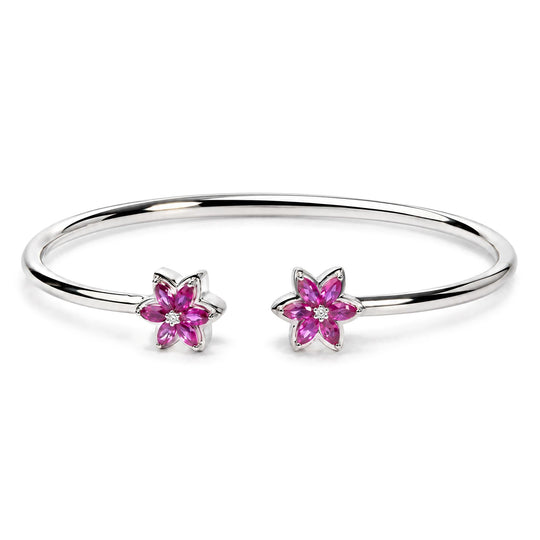
Ruby bracelets include tennis-style pieces with continuous matched rubies, channel-set bangles, and chain bracelets with ruby accent stones. Ruby tennis bracelets are the most formal option; ruby accent chain bracelets are the most versatile for everyday wear. Lab-created ruby bracelets provide more consistent color matching across the full length. Browse ruby bracelets for the current selection.

How do ruby and sapphire jewelry compare?

Ruby and sapphire are the same mineral, corundum, and share identical hardness and care requirements. The buyer choice is purely about color: ruby delivers vivid red; sapphire delivers blue, pink, yellow, or other sapphire colors. Ruby is generally rarer in fine quality than sapphire, which typically makes comparable rubies more expensive per carat. Both are among the most durable colored gemstones and suit all jewelry types equally. Browse sapphire jewelry for the sapphire range as an alternative.

How does ruby jewelry compare to diamond jewelry for the same occasion?

Diamond jewelry emphasizes colorless sparkle and light dispersion; ruby jewelry emphasizes bold, vivid red color. For formal occasions, both read as fine jewelry but create very different visual effects. Diamonds are more versatile across all outfit colors and styling contexts; rubies make a more deliberate color statement that pairs best with specific clothing colors.

×
Your Bag
Subtotal (tax excl.) $0
 
Example
Example
Example
(0 )
Example
View detail
Example
Example
Option1
Option2
Option3
Option1
Option2
Option3
Sold out
Quantity
Add To Cart
Buy Now
Compare
Add Wishlist
Share:
0
0