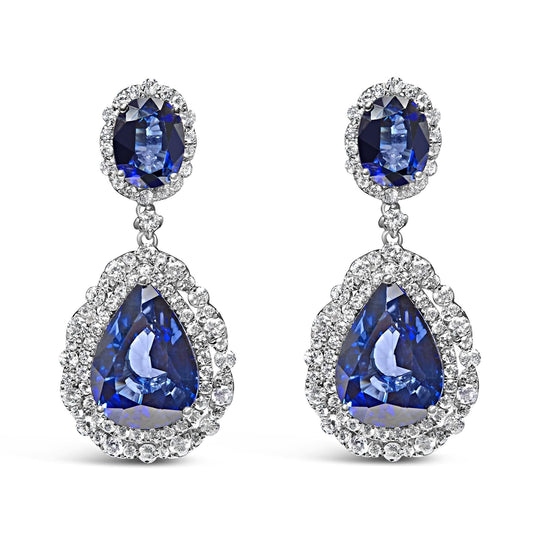
Sapphire Jewelry: A Guide to Buying the Right Stone and Style
What Makes Sapphire One of the Most Valued Gemstones
Sapphire is a variety of the mineral corundum, the same mineral as ruby, and is the second hardest gemstone at 9 on the Mohs scale. Its hardness, combined with its range of saturated colors, makes it one of the most practical fine gemstones for all jewelry types. Blue is the most recognized color, but sapphires occur naturally in every color except red. The September birthstone, sapphire has been prized in royal and religious jewelry for centuries. Browse gemstone jewelry for a broader view of gemstone options.
Sapphire Rings: The Most Cross-Shopped Sapphire Jewelry Type
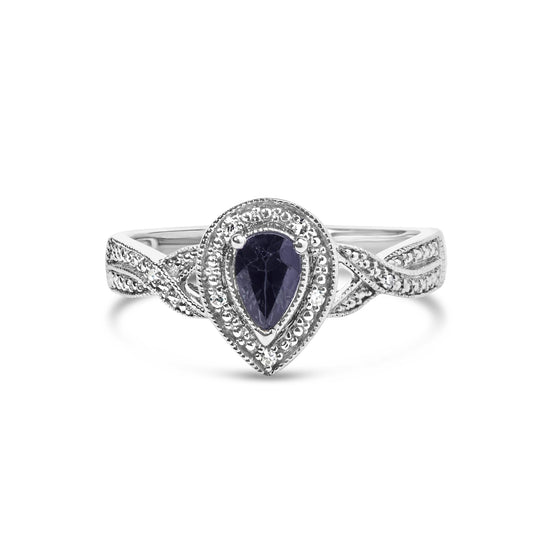
Sapphire rings represent the largest sapphire jewelry category by demand. The combination of sapphire's hardness and rich color makes it one of the most practical gemstones for ring wear, where daily contact and friction would damage softer stones. A globally recognized engagement ring featuring a Ceylon blue sapphire surrounded by diamonds brought substantial attention to the style after 2010 and continues to drive demand for sapphire engagement rings. Sapphire rings come in all styles from simple solitaires to complex halo settings. Browse sapphire rings for the full selection.
Sapphire Earrings: Color at the Face
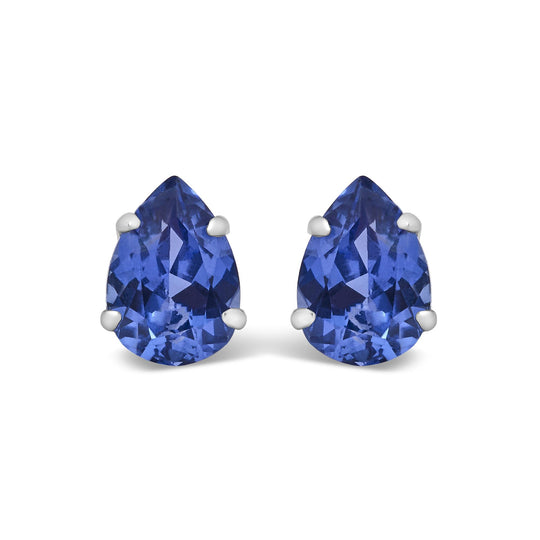
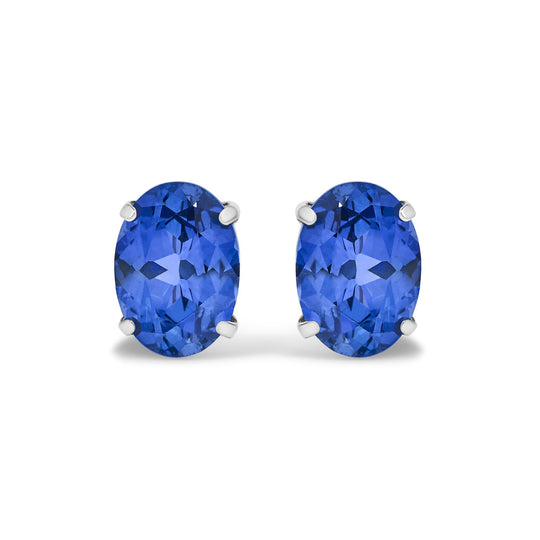
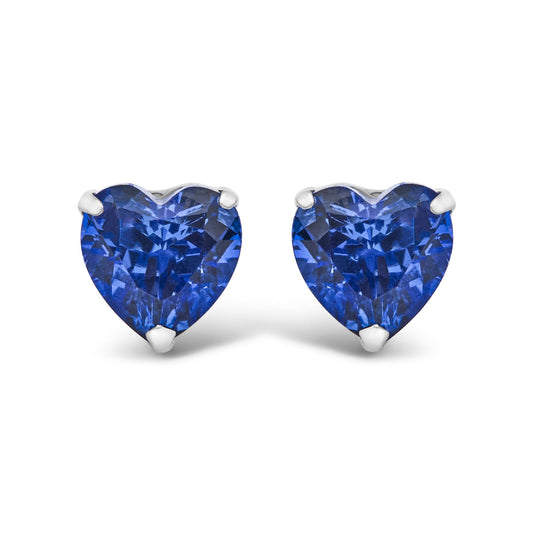
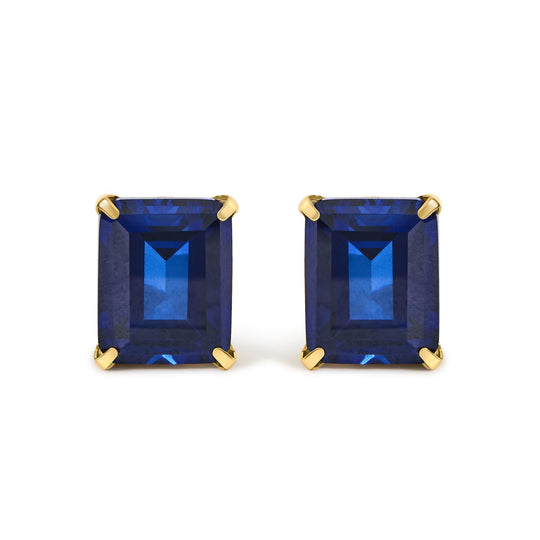
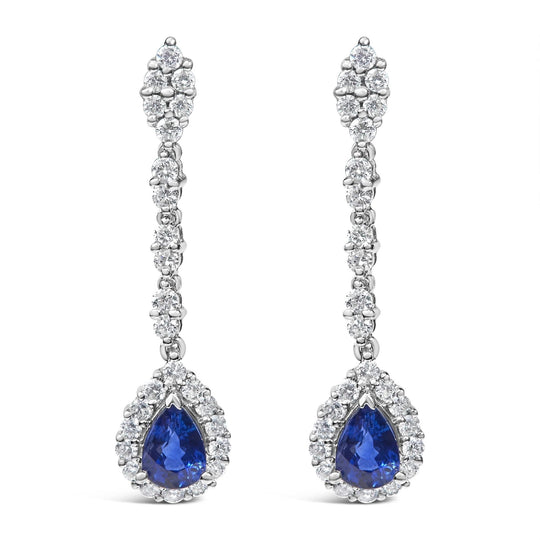
Sapphire earrings bring the gemstone's color to the area of the face, where it creates a strong accent close to the eyes. Blue sapphire studs at modest sizes read as elegant and intentional without overwhelming casual outfits. Halo sapphire earrings increase visual presence and suit formal styling. Pink sapphires in earrings have grown substantially in popularity as an alternative to pink diamonds at a fraction of the cost. The earring position benefits from sapphire's color more than any other jewelry type because proximity to the face makes color the dominant visual impression. Browse sapphire earrings for the full earring range in this gemstone.
Sapphire Necklaces at the Neckline
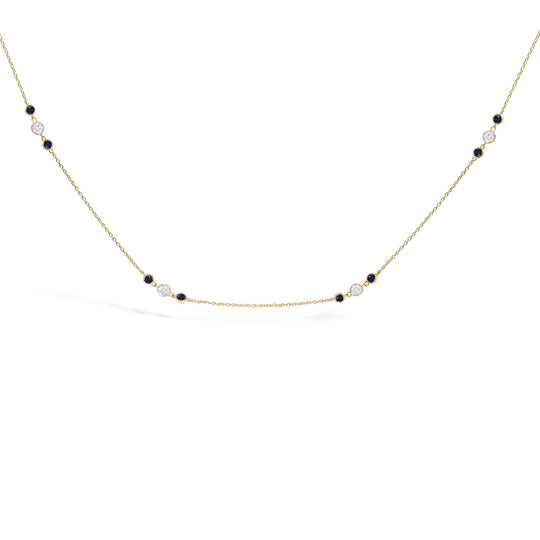
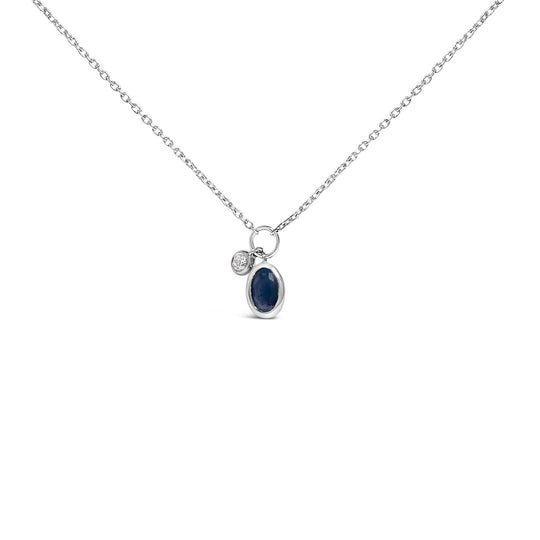
A sapphire pendant at the neckline creates a focal point of color that is distinct from the sparkle-based presence of a diamond necklace. Deep blue sapphire pendants in white gold read as formal and classic. Lighter Ceylon blue sapphires in simple settings work for everyday wear without feeling overly formal. The collarbone position means sapphires in necklaces are seen in context with clothing color choices, so buyers often think about what they wear most when choosing sapphire necklace tone. Browse sapphire necklaces for the full sapphire necklace range. Every order ships free with a 30-day return policy.
Frequently Asked Questions
What is sapphire and why is it valued?
Sapphire is a gemstone variety of the mineral corundum, the same mineral family as ruby. Its blue color in the most recognized variety comes from trace amounts of iron and titanium in the crystal structure. Sapphire is rated 9 on the Mohs hardness scale, making it the second hardest gemstone and one of the most practical for fine jewelry wear. Its combination of hardness, saturated color, and natural rarity accounts for its long history as a prestige stone in royal, religious, and engagement jewelry. For a full breakdown of the factors that set sapphire value, read how to evaluate sapphire quality.
What colors do sapphires come in?
Sapphires occur naturally in every color except red, which is classified separately as ruby (both are corundum). Blue is the most recognized and widely purchased color. Pink sapphires range from pale rose to vivid magenta. Yellow sapphires span lemon to deep golden tones. Orange-pink sapphires of the rarest color variety are called Padparadscha, meaning lotus blossom in Sanskrit. White and colorless sapphires exist but are less commonly seen in fine jewelry. All varieties share the same mineral, hardness, and care requirements.
Are sapphires more valuable than diamonds?
Exceptional sapphires, particularly unheated Kashmir and Burma stones, can reach very high values per carat. However, diamonds are consistently more valuable on a per-carat basis at the retail market level across most quality grades. The comparison is somewhat misleading because sapphire and diamond serve different aesthetic roles in jewelry and are not typically direct substitutes. Sapphire is valued primarily for its color; diamond is valued for its colorless brilliance.
What is the difference between natural and heat-treated sapphires?
Heat treatment involves heating a sapphire to very high temperatures to improve color and reduce visible inclusions. It is a standard, accepted practice in the sapphire trade and does not reduce the stone's durability or beauty. The vast majority of commercial sapphires are heat-treated. Unheated sapphires that achieve excellent color and clarity naturally are significantly rarer and command a substantial premium. GIA and other laboratories can identify and certify untreated stones.
How hard are sapphires compared to other gemstones?
Sapphire is 9 on the Mohs hardness scale, placing it second only to diamond at 10. This means sapphires can scratch every other gemstone except diamonds. In practical terms, sapphires are excellent for daily wear in rings, bracelets, and any setting where the stone comes into frequent contact with surfaces. Gemstones below 7 on the Mohs scale, such as opal, pearl, and fluorite, require more protective settings for everyday jewelry use.
What is the most desirable sapphire color?
The most prized sapphire color is a vivid, medium-dark blue with strong saturation and excellent transparency, historically associated with Kashmir sapphires from the Himalayas. This is described in the trade as Royal Blue or Vivid Blue. Ceylon cornflower blue, a lighter, bright pure blue from Sri Lanka, is the second most sought-after and is the most commonly available in fine jewelry. Stones that appear near-black in indoor lighting are less desirable because they lack the color transparency that drives sapphire value.
Are lab-created sapphires real sapphires?
Lab-created sapphires have the same chemical composition, crystal structure, and physical properties as natural sapphires. They are composed of the same mineral, corundum, with the same trace element inclusions that produce color. They are not imitations or simulants. The only meaningful difference is origin: natural sapphires form over millions of years in geological environments; lab-created sapphires are grown in controlled environments in weeks. They carry the same hardness and durability as natural stones.
What sapphire bracelets are available?
Sapphire bracelets include tennis-style pieces with continuous matched sapphires, channel-set bangles, and chain bracelets with sapphire accent stones. Blue sapphire tennis bracelets are the most formal option; sapphire accent chain bracelets are the most versatile for everyday wear. Both natural and lab-created sapphires are available in bracelet form, with lab-created options providing more consistent color matching across the full length. Browse sapphire bracelets for the current selection.
How do sapphire and diamond earrings compare for the same budget?
Sapphires and diamonds serve different visual roles in earrings. Sapphire studs bring rich color to the ear; diamond studs bring colorless sparkle. At a comparable budget, sapphires typically offer a larger visible stone because sapphire costs less per carat than diamond. For buyers who want color as the dominant characteristic at the ear, sapphire provides a look that diamonds cannot replicate. For buyers who want sparkle and brilliance as the primary quality, diamonds are the more appropriate choice.
What other colored gemstone jewelry compares to sapphire?
Ruby is the most direct comparison: both are corundum, both rated 9 on the Mohs scale, and both among the most valued colored gemstones in fine jewelry. Ruby brings red to the same hardness and durability characteristics as sapphire. Emerald offers an alternative rich green color at a somewhat lower hardness. Tanzanite produces a violetish-blue similar to some sapphires but is softer and requires more careful handling. Browse ruby jewelry for the full selection as the closest colored stone alternative.
Use left/right arrows to navigate the slideshow or swipe left/right if using a mobile device