Skip to content
Every order ships free with a 30-day return policy  ·  Browse new arrivals

Pearl Jewelry

Genuine Pearl Jewelry in Gold and Silver

Pearls are the only organic gemstone in fine jewelry, formed inside mollusks rather than in the earth, which gives each pearl a distinctive luster no other stone replicates. Oath's pearl jewelry collection includes necklaces, earrings, rings, and bracelets featuring both freshwater and cultured pearls set in gold and sterling silver. Styles range from classic strand necklaces to contemporary stud earrings and layered designs. Every pearl jewelry order ships free, with returns accepted within 30 days of delivery.

  • Genuine Gemstones
  • Free Shipping
  • 30-Day Returns

Pearl Jewelry: Understanding the Organic Gemstone and Its Best Applications

What Pearl Is and Why It Occupies a Unique Category in Fine Jewelry

Pearl is the only fine jewelry gemstone of organic origin: it forms inside living mollusks, not in geological environments like minerals do. The iridescent coating called nacre is secreted by the mollusk in layers around a nucleus and produces the distinctive soft glow that defines pearl's visual appeal. Pearls are rated 2.5 to 4.5 on the Mohs hardness scale, requiring more careful handling than any other fine jewelry gemstone. Pearl is the June birthstone and associated with the 30th wedding anniversary. For the full gemstone range including harder alternatives, the gemstone jewelry hub covers all stone categories.

Pearl Earrings: The Most Practical Pearl Jewelry for Regular Wear

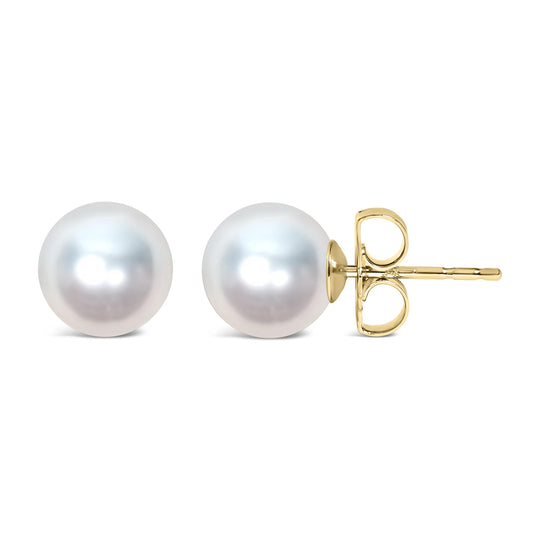
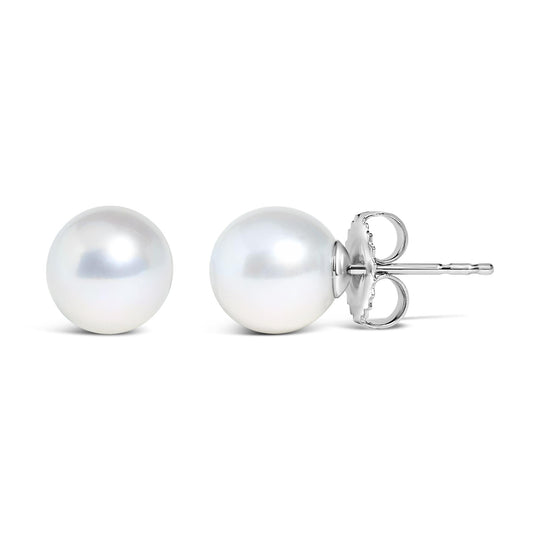
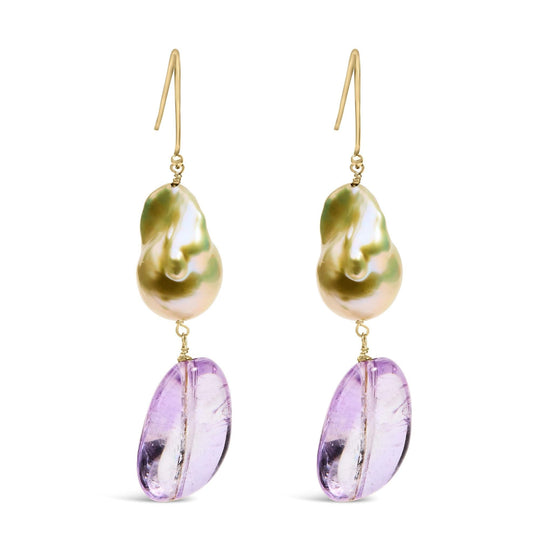
Pearl earrings are the most practical everyday pearl application because earrings experience the least surface contact of any jewelry type. A pearl stud at the ear makes minimal contact with hard surfaces throughout the day, preserving nacre quality far better than pearl in ring or bracelet form. Akoya pearl studs at 7mm to 8mm in yellow gold represent the classic, enduring pearl earring choice. Browse pearl earrings for the full selection.

Pearl Necklaces: The Defining Pearl Jewelry Type

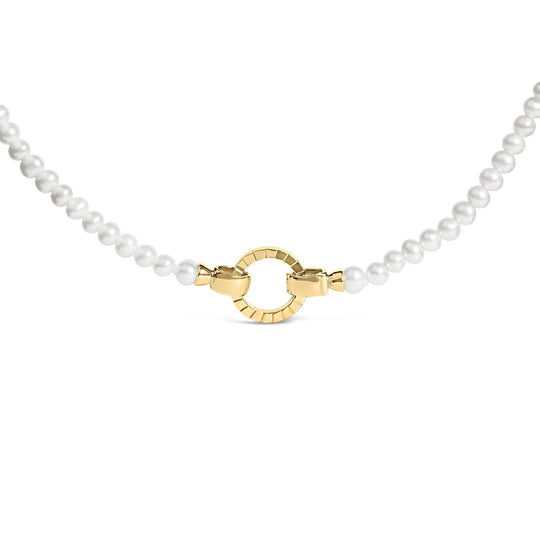
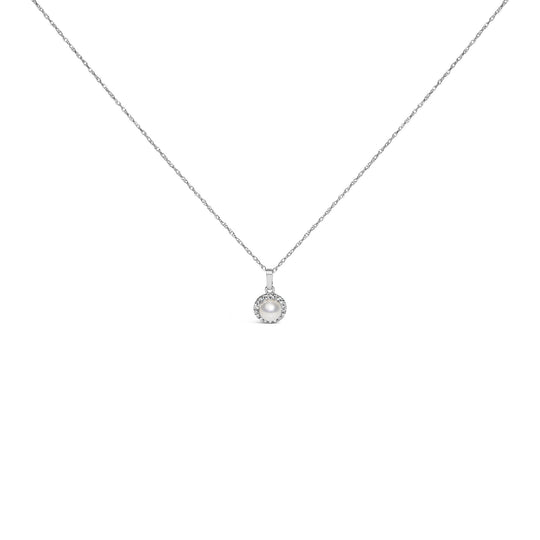
The pearl necklace is the form most closely associated with pearl jewelry: a classic knotted strand of matched pearls at the collarbone. Pearl necklaces suit the widest range of formal and semi-formal occasions and remain a consistent formal dressing standard. They require the most maintenance of any pearl jewelry type: knotted silk strands need re-stringing every one to two years with regular wear, and all pearl care precautions apply throughout. Browse pearl necklaces for the full necklace and chain selection.

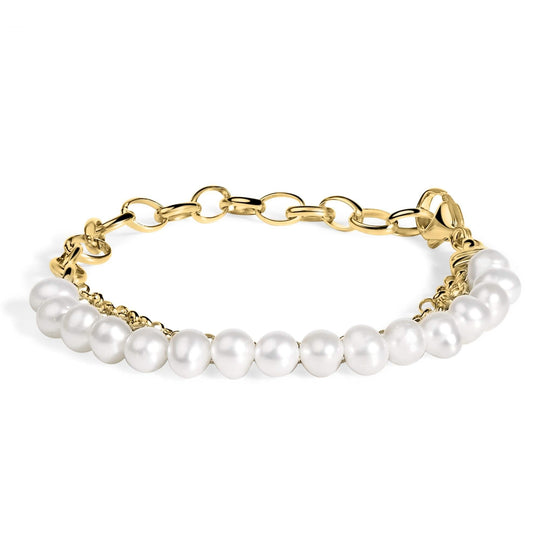
Pearl Bracelets at the Wrist

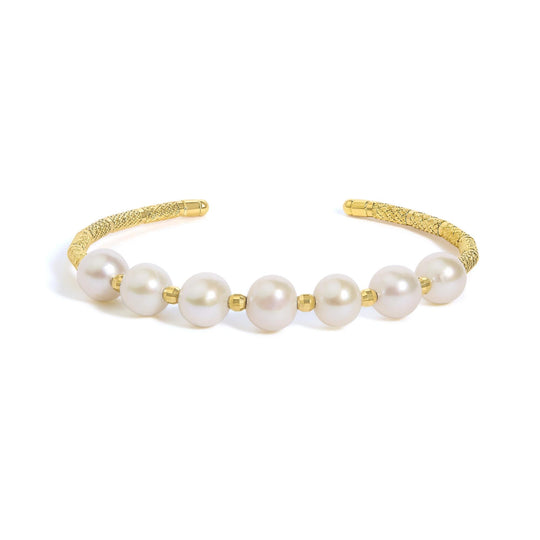
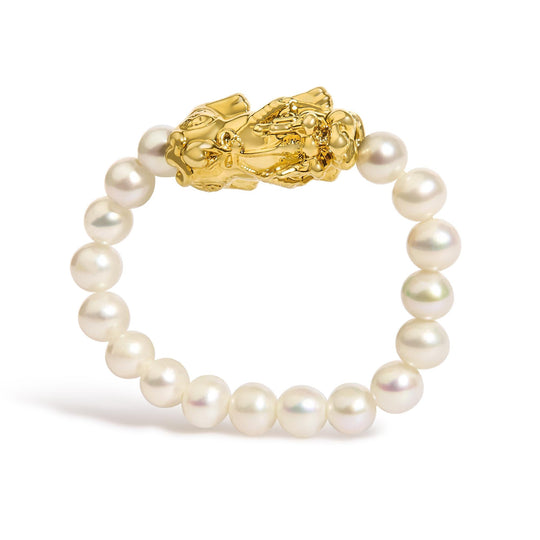
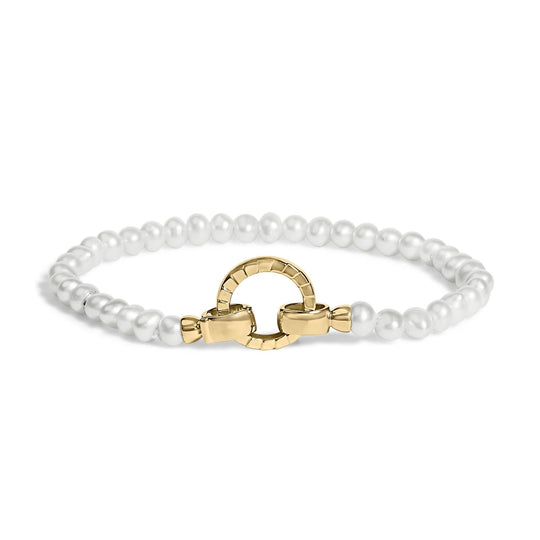
Pearl bracelets are the highest-wear pearl jewelry type because the wrist contacts hard surfaces throughout the day. Nacre scratches and surface dulling accumulate faster at the wrist than at the ear or neckline. Tennis-style pearl bracelets with individual settings provide more nacre protection than knotted strands. Careful daily habits allow pearl bracelets to remain in good condition over time. Browse pearl bracelets for the full selection. Every order ships free with a 30-day return policy.

Frequently Asked Questions

What is the difference between natural and cultured pearls?

Natural pearls form when a mollusk spontaneously produces nacre around an irritant, with no human involvement. They are extremely rare and found almost exclusively in estate jewelry. Cultured pearls form when a human technician inserts a nucleus into the mollusk to trigger nacre production; the mollusk then creates the pearl in the same way it would naturally. Virtually all commercial pearls are cultured. Both are real pearls. Imitation pearls are made of glass or plastic and are not real pearls.

What are the different types of pearls and how do they compare?

Akoya pearls are saltwater pearls grown in Japan and China, known for consistent roundness and bright metallic luster, typically 6mm to 8mm. Freshwater pearls are grown in mussels, come in a wide range of shapes and colors, and are the most affordable option. South Sea pearls are grown in Australian and Indonesian waters, are the largest cultured pearls at 10mm to 15mm, and display a satiny luster in white, cream, and golden tones. Tahitian pearls produce dark green, gray, and black colors.

What is pearl luster and why does it matter?

Luster is the quality, depth, and sharpness of light reflected from the nacre surface. High-luster pearls reflect a near-mirror image; low-luster pearls look chalky or dull. Luster is the single most important quality criterion in pearls and directly correlates with nacre thickness: thicker nacre produces stronger luster. High-luster pearls also tend to be more durable. When comparing pearls, hold them in natural light: the depth and sharpness of what you can see reflected is luster in direct practice. For why luster and nacre set pearl value, read how to evaluate pearl quality.

How do you care for pearl jewelry?

Put pearls on last, after all makeup, perfume, and hairspray. Wipe with a very soft, slightly damp cloth after every wearing to remove skin oils and perspiration. Never use ultrasonic cleaners, steam cleaners, or chemical jewelry cleaners. Avoid contact with household cleaners, chlorine, and acidic substances. Store in a soft pouch or cloth-lined box, never in plastic bags, which dehydrate the nacre. Have knotted pearl strands re-strung every one to two years with regular wear.

What is the June birthstone?

Pearl color has two components: body color and orient (overtone). Body color is the primary color: white, cream, pink, silver, gold, green, blue, or black. Orient is the iridescent secondary color visible across the nacre surface. Akoya pearls are predominantly white with pink or silver overtones. Freshwater pearls range from white to lavender to peach. South Sea pearls are white, cream, and gold. Tahitian pearls range from light gray to deep black with green, blue, and purple overtones.

Are there different pearl colors and what causes them?

Yes. Pearl color has two components: body color and orient (overtone). Body color is the primary color: white, cream, pink, silver, gold, green, blue, or black. Orient is the iridescent secondary color visible across the nacre surface. Akoya pearls are predominantly white with pink or silver overtones. Freshwater pearls range from white to lavender to peach. South Sea pearls are white, cream, and gold. Tahitian pearls range from light gray to deep black with green, blue, and purple overtones.

How hard are pearls and why does it matter?

Pearls are rated 2.5 to 4.5 on the Mohs hardness scale, making them softer than virtually every other fine jewelry gemstone. This means pearls accumulate surface scratches from contact with harder materials encountered in daily life: dust particles, table surfaces, handbag linings, and other jewelry. The care requirements for pearl, including avoiding contact with hard surfaces, storing separately from other jewelry, and removing before activities, directly address this hardness vulnerability.

What pearl chains are available?

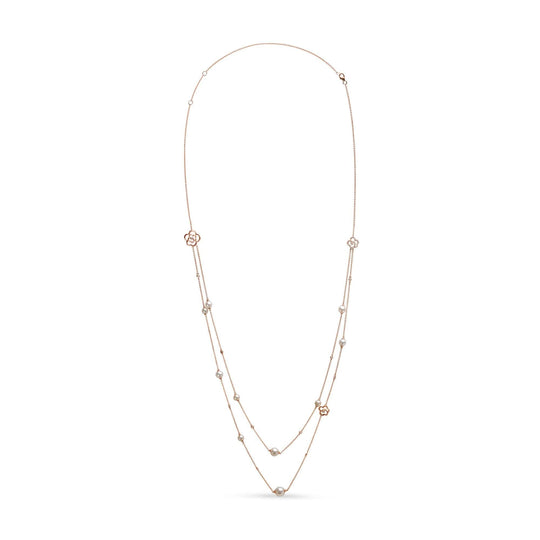
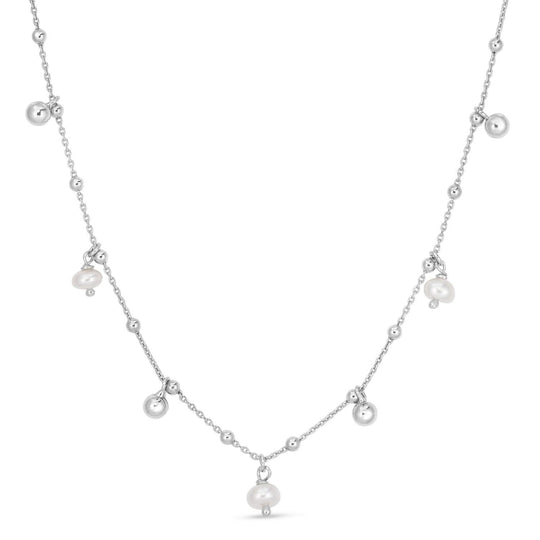
Pearl chains integrate pearls into a metal link chain at intervals, creating a lighter, more modern alternative to classic full pearl strands. They are available in station designs with evenly spaced pearls and in cluster designs where pearls concentrate at the center. Pearl chains suit everyday wear better than traditional knotted strands and integrate naturally with layered necklace styling. Browse pearl chains for the current selection.

How does pearl jewelry compare to sapphire jewelry?

Pearl and sapphire occupy completely different positions in fine jewelry. Sapphire is a hard mineral at 9 Mohs; pearl is an organic material at 2.5 to 4.5 Mohs. Sapphire delivers vivid color; pearl delivers soft luster. Sapphire requires far less care than pearl. Pearl is associated with classic elegance and traditional formal dressing; sapphire is associated with vivid color and works across formal and casual styling contexts. For the mineral gemstone alternative, browse sapphire jewelry.

How does pearl jewelry compare to diamond jewelry?

Diamond and pearl deliver entirely different visual effects. Diamond creates brilliant sparkle through light refraction; pearl creates soft luster through nacre reflection. Diamond at Mohs 10 is significantly more durable and requires much less care. Pearl is associated with classical elegance and formal traditional styling; diamond works across formal and casual contexts.

×
Your Bag
Subtotal (tax excl.) $0
 
Example
Example
Example
(0 )
Example
View detail
Example
Example
Option1
Option2
Option3
Option1
Option2
Option3
Sold out
Quantity
Add To Cart
Buy Now
Compare
Add Wishlist
Share:
0
0