Every order ships free with a 30-day return policy  ·  Browse new arrivals

Gemstone Jewelry

Colorful Gemstone Jewelry in Gold and Silver

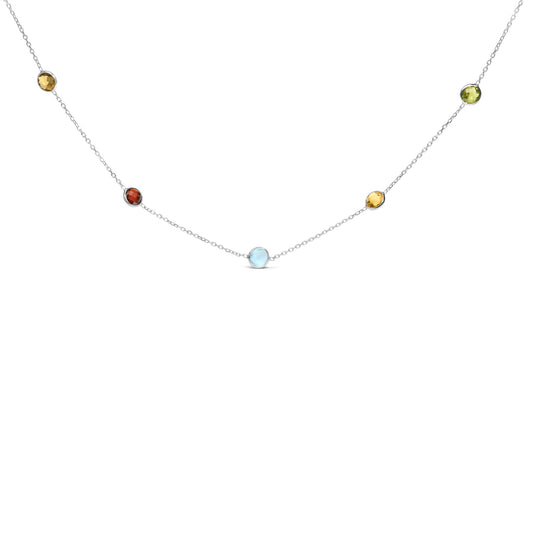
Colored gemstone jewelry has grown steadily as buyers look beyond diamonds for pieces with distinctive color, personal meaning, and strong visual character. Oath's gemstone jewelry collection spans emeralds, sapphires, rubies, amethysts, garnets, opals, and more across rings, necklaces, earrings, bracelets, and pendants set in gold and sterling silver. Genuine stones throughout, across pieces suited to everyday wear and significant occasions. Every gemstone jewelry order ships free, with a 30-day return policy.

  • Genuine Gemstones
  • Free Shipping
  • 30-Day Returns

How to Choose Fine Gemstone Jewelry

Aquamarine and the Blue Gemstone Category

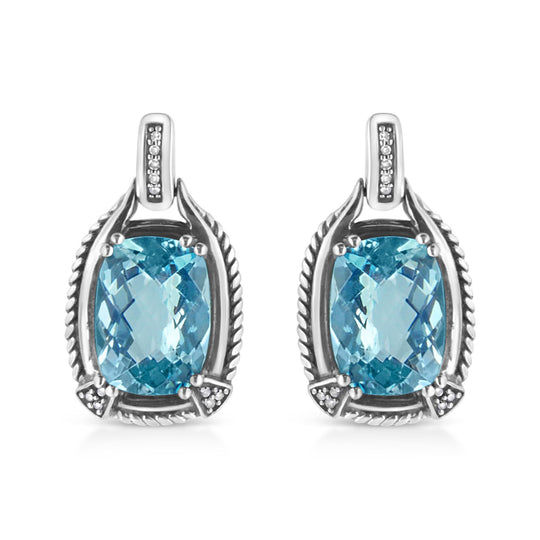
Blue is among the most commercially popular gem colors, with sapphire, aquamarine, and blue topaz providing distinct options at different price points and durability levels. Aquamarine's accessible size range and pale to medium blue color suit buyers who want a naturally blue gem with genuine fine jewelry credentials and consistent availability. As the March birthstone, it also carries recognized gift relevance. For a closer look at one of the blue gem category's most accessible options, explore aquamarine jewelry.

Sapphire: The Reference Point for Colored Gemstones

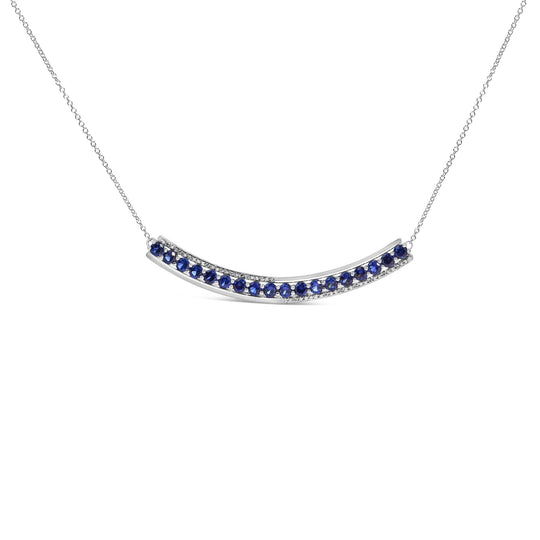
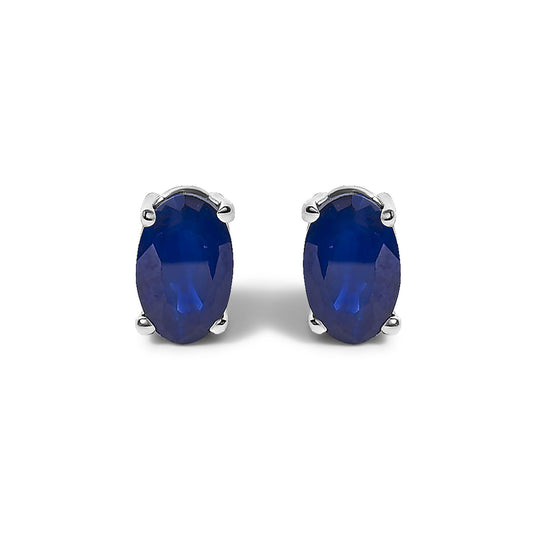
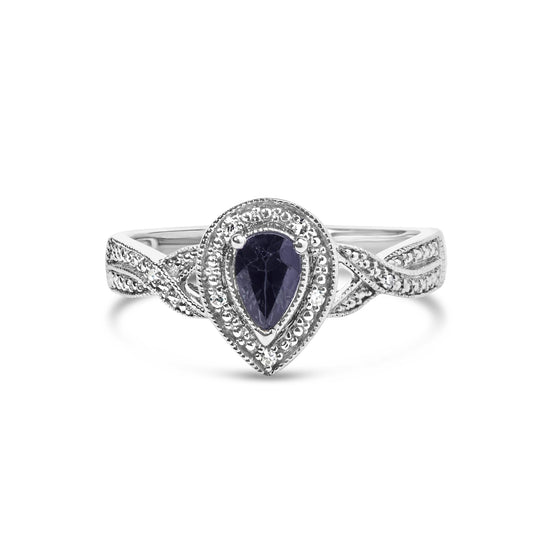
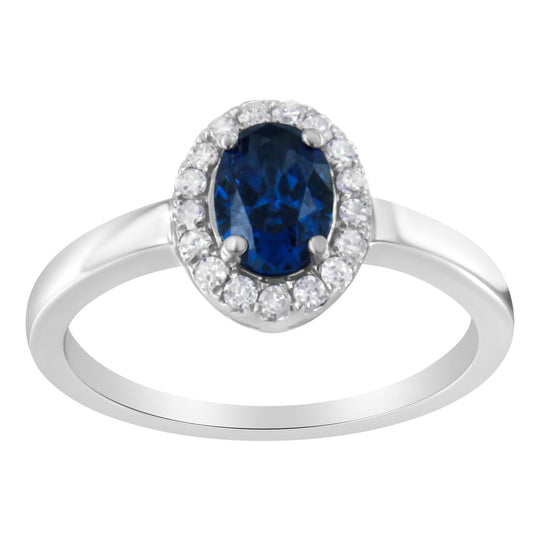
Sapphire is the most commercially significant colored gemstone in fine jewelry and a useful reference point when evaluating all other colored stones. Its durability at 9 on the Mohs scale sets the practical standard for daily-wear gemstone jewelry. Its color range, from pale blue through vivid royal to padparadscha pink-orange, offers more variation than most buyers expect from a single gem species. It is the default colored stone choice for engagement and milestone jewelry where proven durability and heritage are priorities. For the full sapphire range, see sapphire jewelry.

Ruby: Intensity, Rarity, and Fine Jewelry Heritage

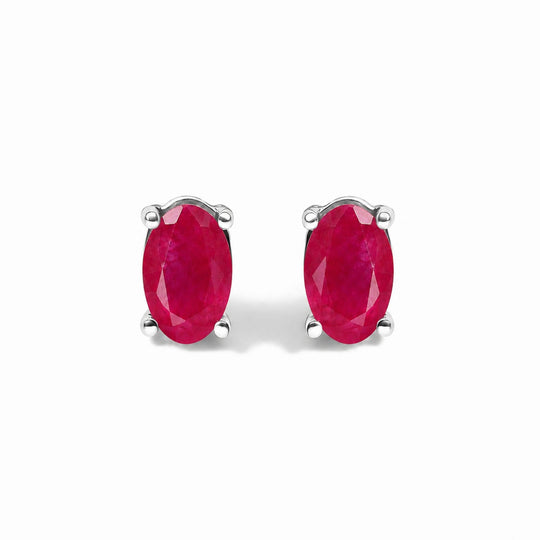
Ruby occupies the highest tier of colored gemstone value alongside sapphire and emerald, and carries the strongest cultural history of any red gemstone globally. The gem's vivid red color, driven by chromium trace elements in corundum, produces a saturation no other red gem matches at comparable sizes. At 9 on the Mohs scale, ruby is among the most durable colored stones, making it as practical as it is visually compelling. Fine ruby of significant saturation and clean clarity is genuinely rare. For the red gemstone category, explore ruby jewelry.

Emerald and the Green Stone Tradition

Emerald completes the traditional tier of precious colored gems and is defined primarily by its distinctive deep green color. The most valued emeralds have saturated green with blue secondary hues, associated with Colombian origin. Emerald rates 7.5 to 8 on the Mohs scale and benefits from protective bezel settings given its natural fracture characteristics. Most commercial emerald is fracture-filled with oil or resin, a standard and disclosed practice. For the green gemstone category, explore emerald jewelry. Every order ships free with a 30-day return policy.


Frequently Asked Questions

What makes a gemstone suitable for fine jewelry?

A gemstone suitable for fine jewelry combines adequate hardness to resist scratching, stable chemistry that does not degrade over time, and consistent enough supply to support commercial production. The traditional precious gemstones, diamond, sapphire, ruby, and emerald, set the standard across all three criteria. Colored stones in the 7 to 9.5 Mohs range are generally suitable for most jewelry types, with softer gems restricted to lower-impact settings like pendants and earrings. Hardness alone does not determine suitability: fracture resistance, cleavage characteristics, and treatment stability all matter alongside raw Mohs rating. For how to weigh hardness, color, clarity, and treatment when buying, read the complete gemstone jewelry buying guide.

How do I compare gemstone options before buying?

When comparing gemstone options, evaluate color saturation, clarity standards for the gem species, hardness, and commercial availability. The right choice depends on the wearer's priorities. Sapphire prioritizes durability and color range. Emerald prioritizes color depth and tradition. Aquamarine prioritizes clarity and size accessibility. Rarer gems add exclusivity as a factor; tanzanite, for example, exists in only one deposit globally, giving it a scarcity profile that sapphire or aquamarine do not share. For the tanzanite category, see tanzanite jewelry
Which gemstones are the most durable for everyday wear?

Sapphire and ruby, both at 9 on the Mohs scale, are the most durable colored gemstones for everyday ring and bracelet wear. Aquamarine and topaz rate 7.5 to 8, making them practical for earrings, pendants, and bracelets and acceptable for rings with reasonable care. Emerald also rates 7.5 to 8 but has additional fracture considerations that benefit from protective settings for daily ring use. Opal and pearl require the most careful handling of the commercial fine gemstones.

Are gemstone rings practical for daily wear?

Gemstone rings are practical for daily wear with appropriate stone and setting choices. Sapphire and ruby rings handle continuous wear reliably at their hardness level. Aquamarine and topaz rings work well with bezel settings that protect the stone's edges. Emerald rings require more care and protective settings to reduce fracture risk. For any colored gemstone ring intended for engagement or continuous daily wear, reviewing the stone's durability profile before purchasing is recommended.

What is the difference between precious and semi-precious gemstones?

The precious versus semi-precious classification is a commercial distinction rather than a scientific one. Diamond, sapphire, ruby, and emerald were historically designated precious; all others semi-precious. In practice, fine alexandrite, demantoid garnet, or Paraiba tourmaline command prices far above many specimens labeled precious. The distinction conveys little about actual rarity or value in the current market and is increasingly avoided by reputable jewelers in favor of more specific quality descriptions.

How does gemstone color affect value?

Color is the primary value driver for most colored gemstones. Saturation, the intensity of the hue, matters more than hue purity in most gem species. Secondary colors can either enhance or reduce value depending on the gem: a slightly orange-red ruby is valued less than a pure red, while a slightly violet blue sapphire is often preferred over a pure blue. Tone, the lightness or darkness of the color, also matters; very pale and very dark stones are generally less valued than medium to medium-dark tones.

Are gemstone treatments common and do they affect value?

Treatment is the norm in commercial colored gemstone supply. Heat treatment of sapphire and ruby is universal and accepted. Filling fractures in emerald with oil or resin is standard practice and disclosed by reputable sellers. Beryllium diffusion in sapphire is common but requires specific disclosure. The key distinction is between stable treatments that are permanent and industry-standard, versus less stable treatments that may affect long-term appearance. Reputable sellers disclose all known treatments and can provide documentation for significant stones.

How should I care for fine gemstone jewelry?

Cleaning methods vary by stone. Most gems clean safely with warm water, mild soap, and a soft brush. Ultrasonic cleaners are appropriate for sapphire, ruby, and most hard stones without fractures, but should be avoided for emerald, opal, and treated stones. Steam cleaning is safe for the same subset that handles ultrasonics. Store gems separated from one another, since harder stones can scratch softer ones. Remove fine gemstone jewelry before heavy manual work, gym use, and swimming. Earrings are the gemstone jewelry type with the least daily surface contact, requiring the least care overall.

Are pearl rings a good fine jewelry choice?

Pearl rings are a distinctive fine jewelry choice that occupies a different category from faceted gemstone rings. Pearl's organic nacre surface creates soft, diffused luster that no faceted stone replicates. The main practical consideration is setting: bezel settings protect pearl's nacre surface most effectively for ring wear, where daily contact with hard surfaces is unavoidable. Freshwater pearls provide the most accessible price point for pearl ring settings, while Akoya and South Sea pearls suit more formal pieces. Pearl rings are widely given for milestone gifts and formal occasions where the stone's classic associations carry meaning. For the full range of pearl ring styles in gold and silver, see pearl rings.

What types of gemstone jewelry are most wearable long-term?

The most wearable fine gemstone pieces combine durable stone choices with lower-impact jewelry types. Sapphire, ruby, and aquamarine in earrings or pendant settings require the least daily management. Rings are the format that benefits most from careful stone selection, since they contact more surfaces than any other jewelry type.

×
Your Bag
Subtotal (tax excl.) $0
Pay as low as $350/month. Learn more
 
Example
Example
Example
(0 )
Example
View detail
Example
Example
Option1
Option2
Option3
Option1
Option2
Option3
Sold out
Quantity
Add To Cart
Buy Now
Compare
Add Wishlist
Share:
0
0