Skip to content
Every order ships free with a 30-day return policy  ·  Browse new arrivals

Diamond Earrings

Diamond Earrings Across All Styles and Settings

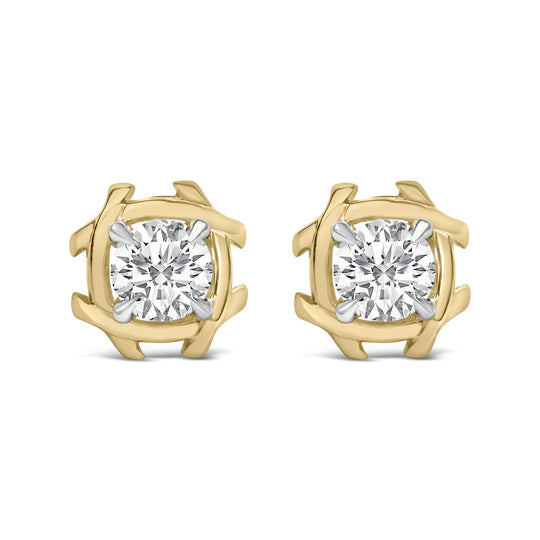
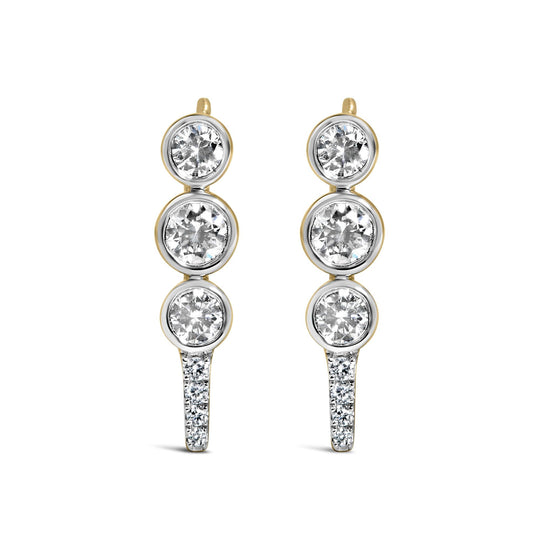
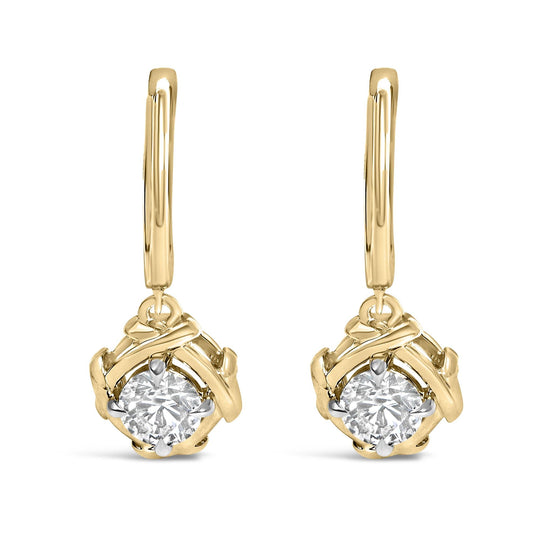
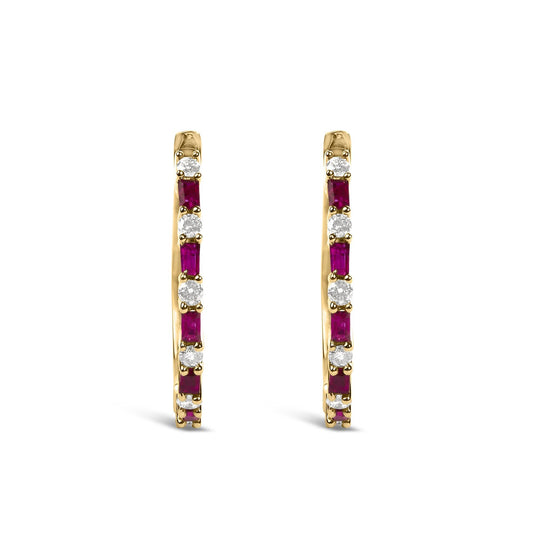
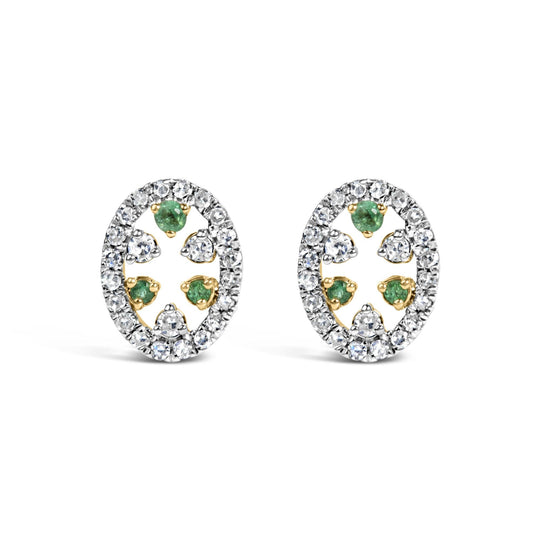
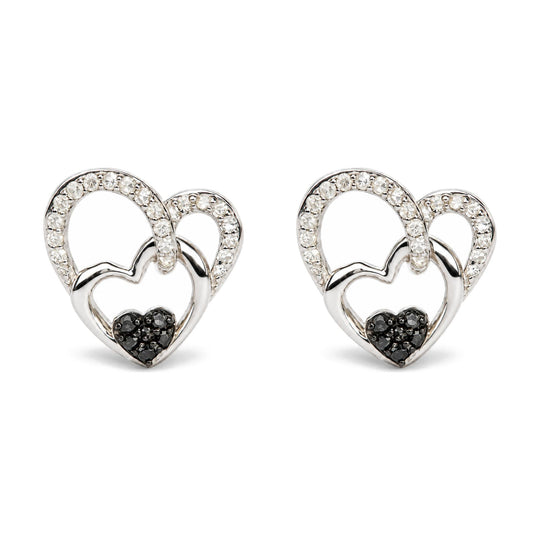
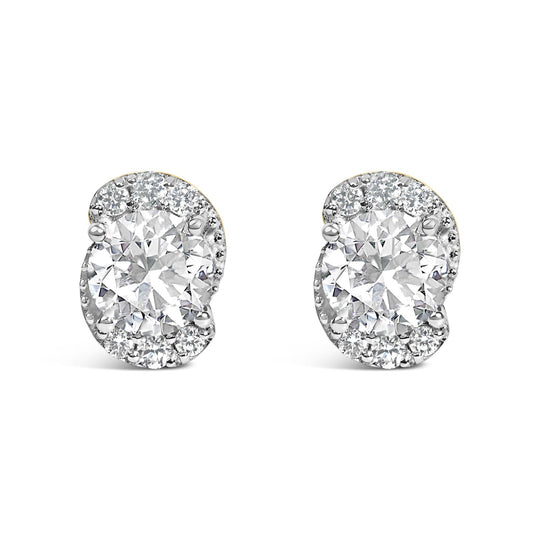
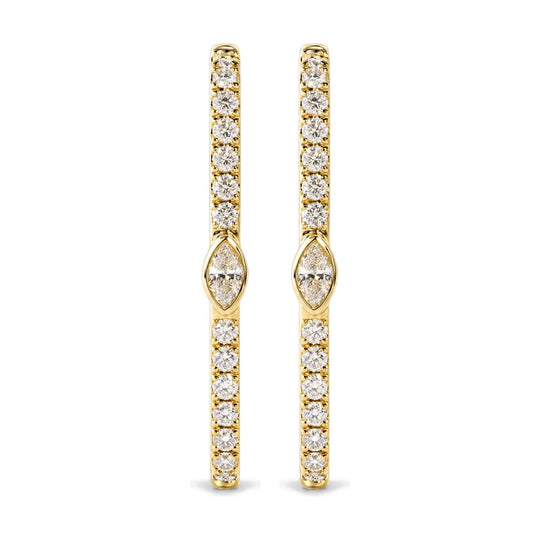
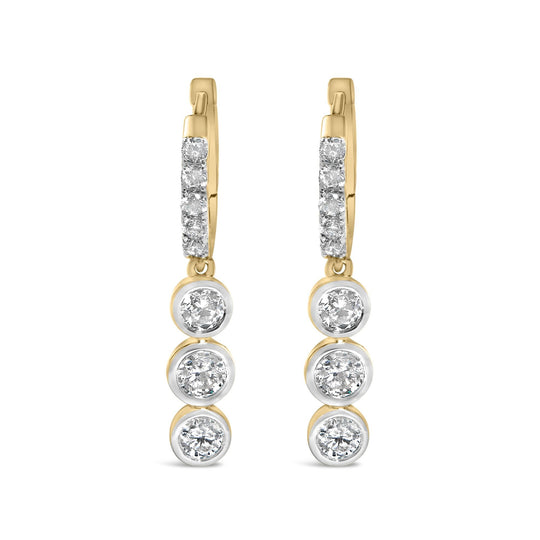
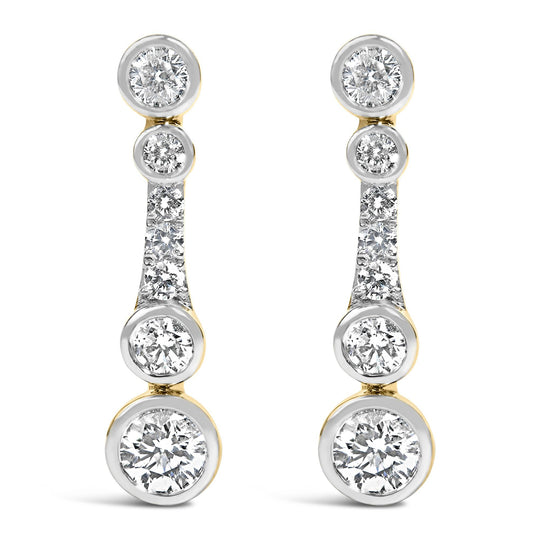
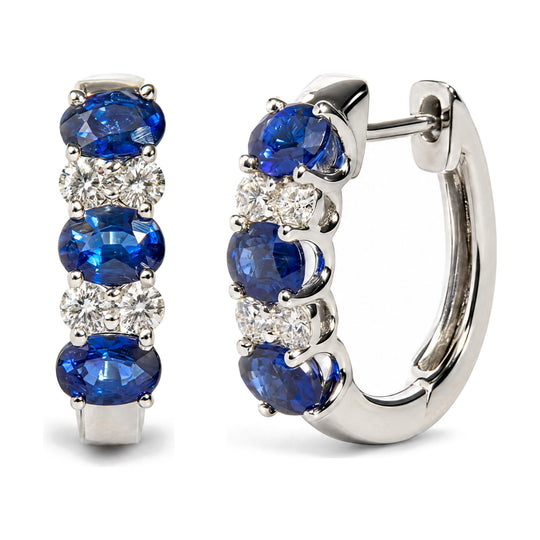
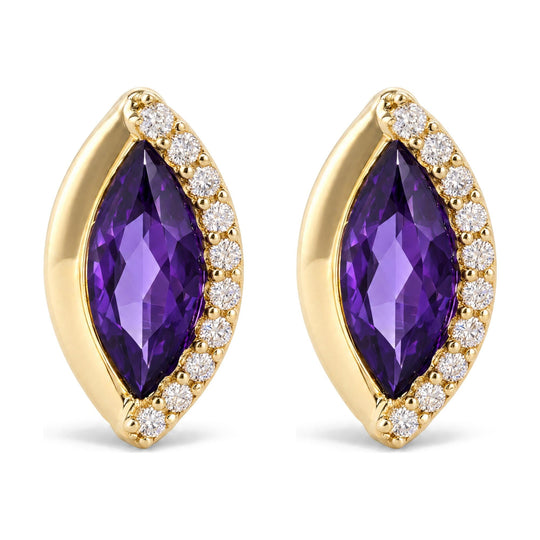
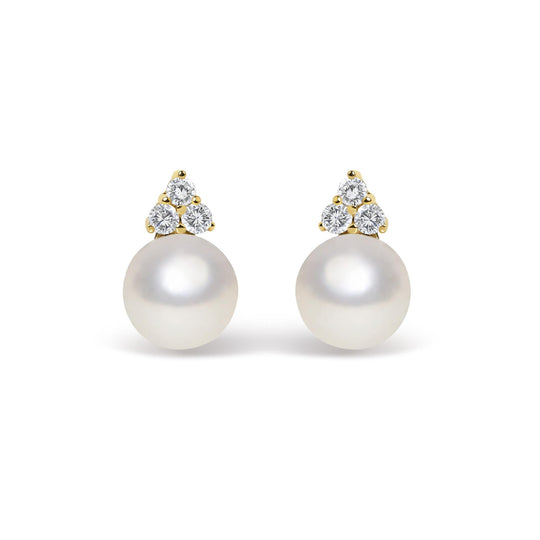
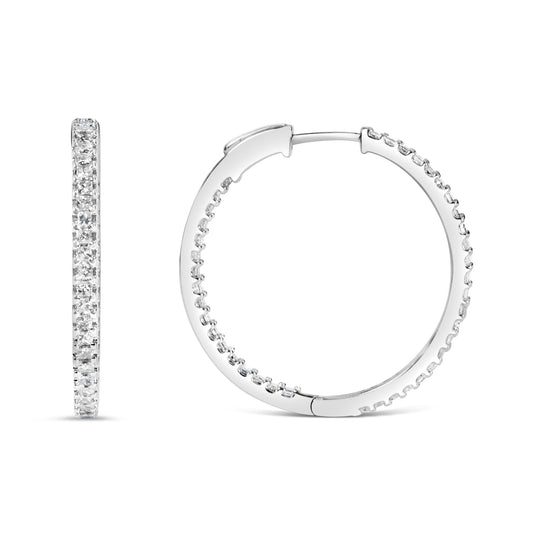
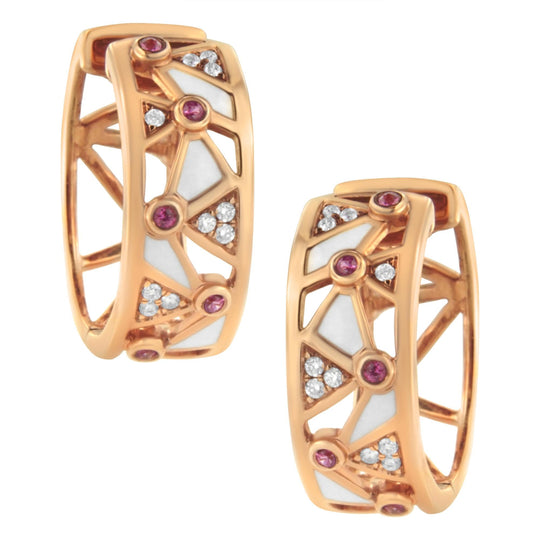
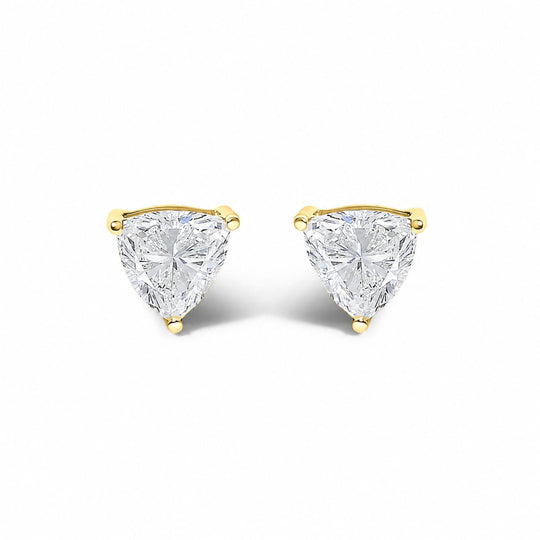
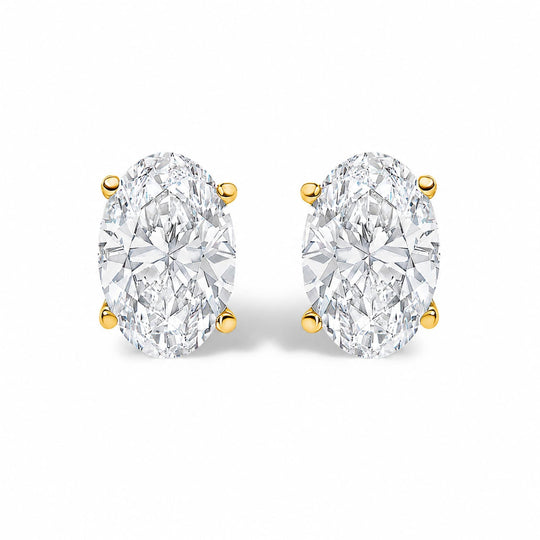
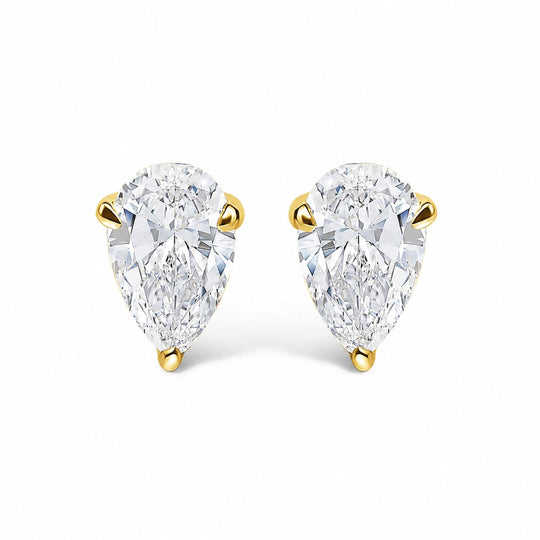
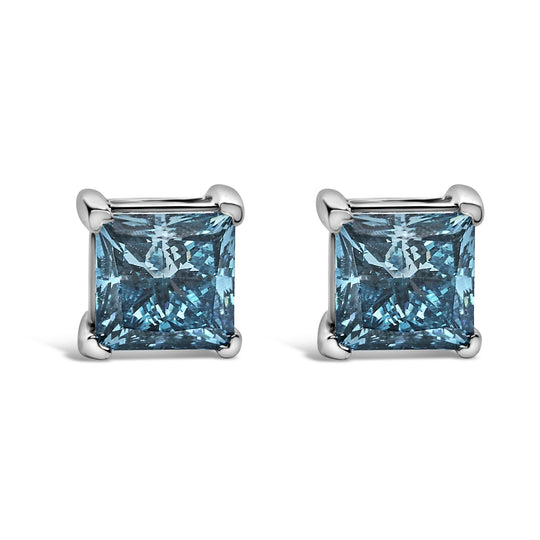
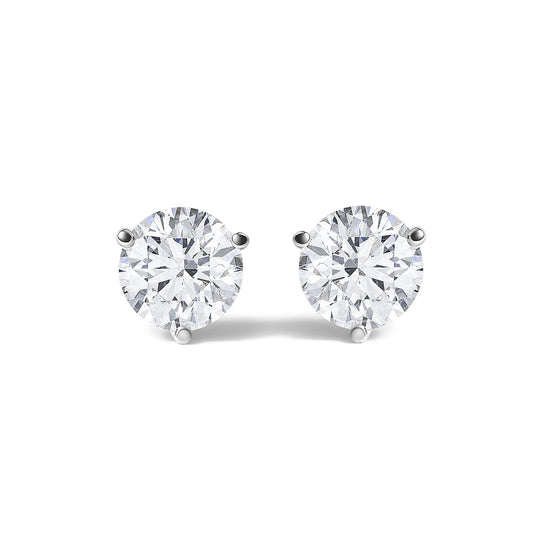
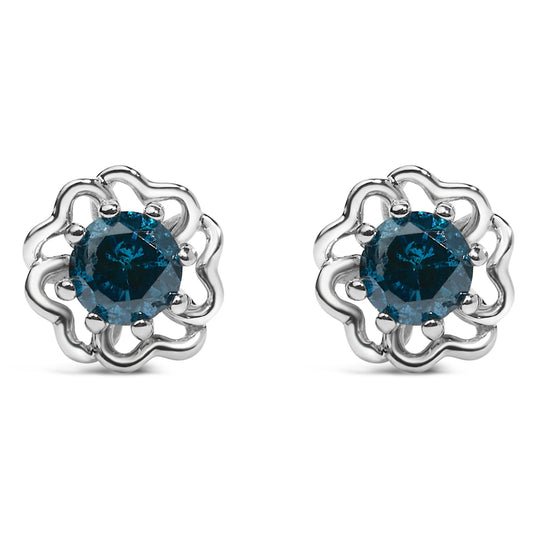
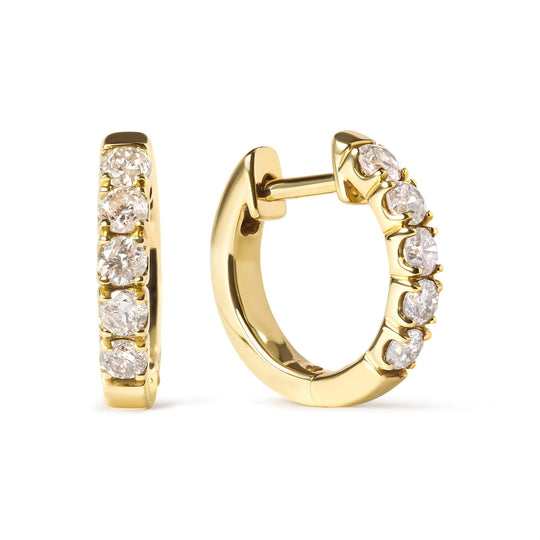
Diamond earrings span a wider range than almost any other earring category, from clean single-stone stud settings to elaborate multi-stone designs suited to formal occasions. Oath's diamond earrings collection covers stud, hoop, drop, huggie, and dangle styles in 10K, 14K, and 18K gold and platinum, with natural and lab-grown diamond options and pavé and scattered stone designs throughout. Every diamond earring order ships free, with a 30-day return policy.

  • Genuine Gemstones
  • Free Shipping
  • 30-Day Returns

Buying Diamond Earrings: Settings, Size, and Pairing Choices

Diamond Earring Settings and What Each Does

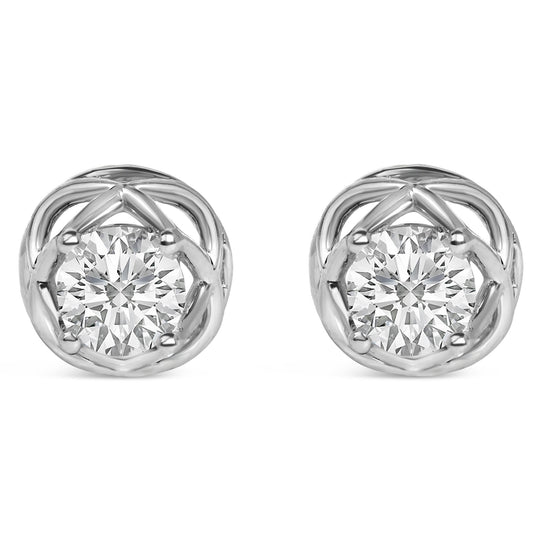
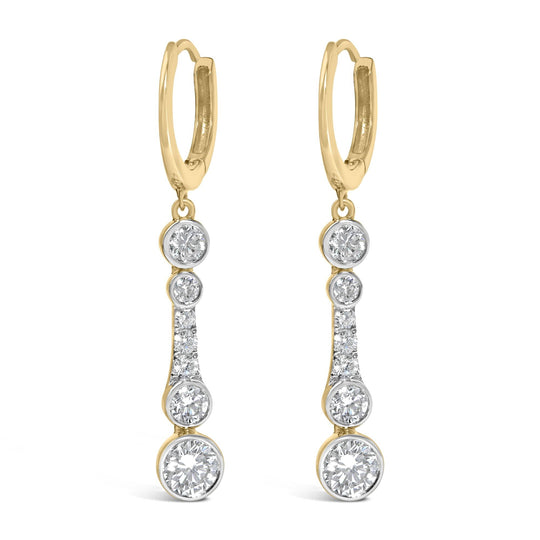
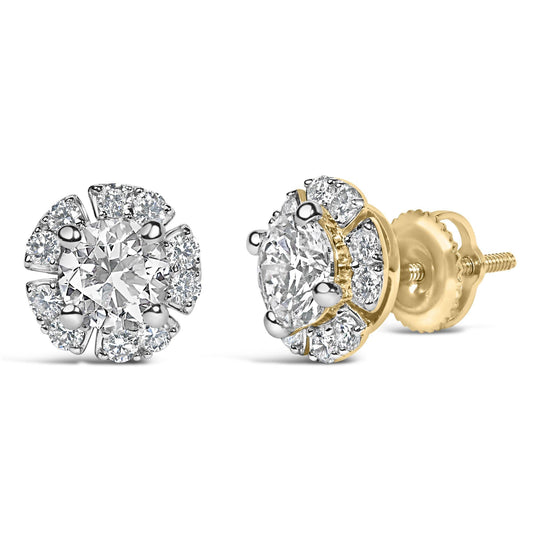
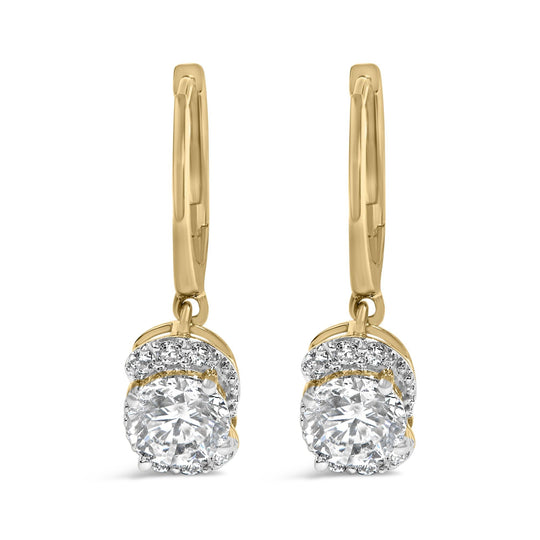
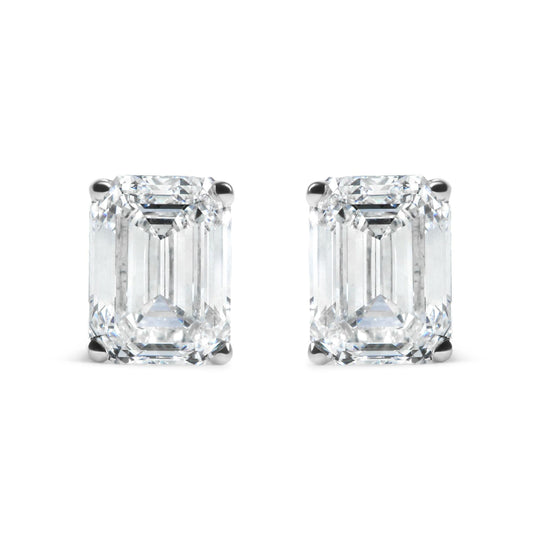
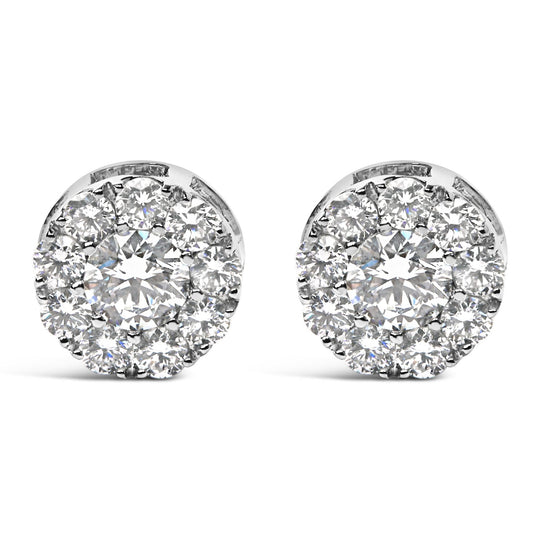
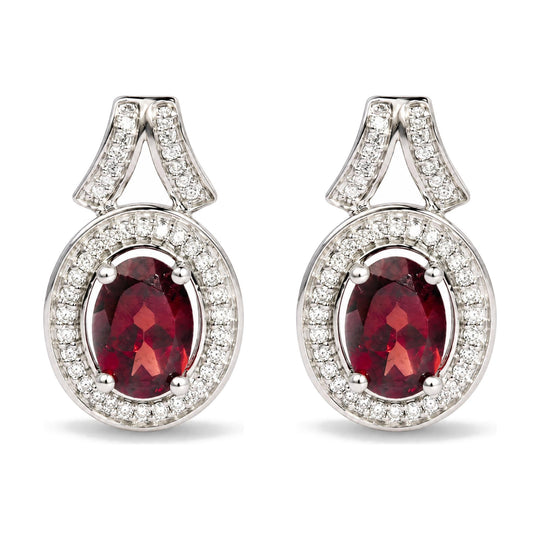
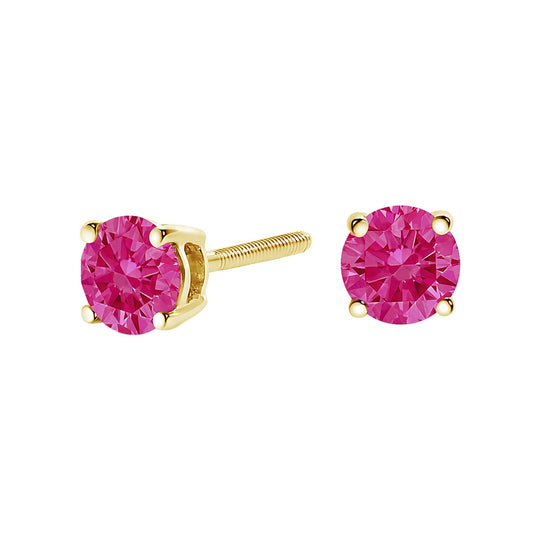
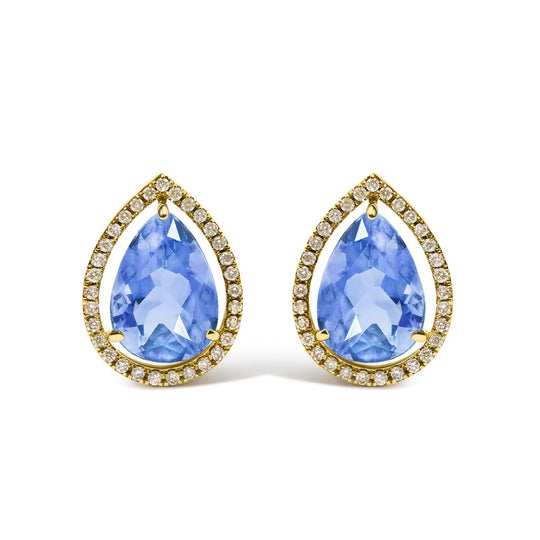
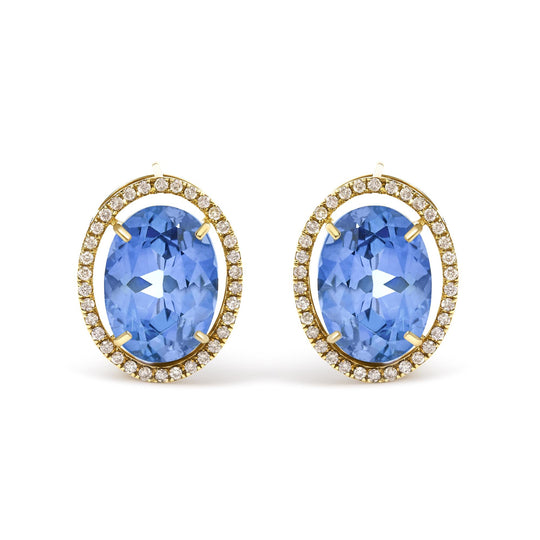
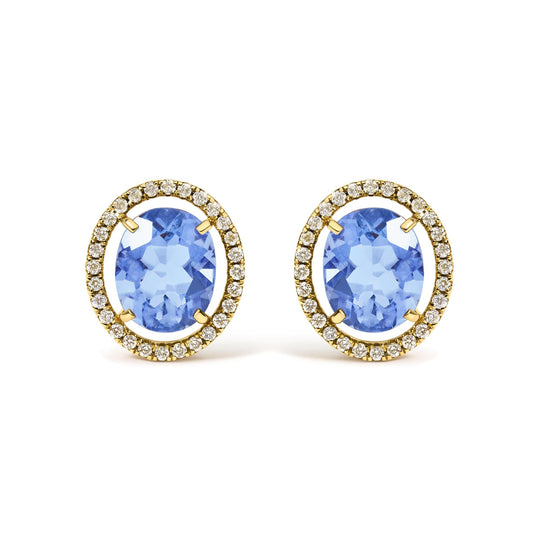
Stud settings hold a single diamond at the ear with a minimal post and backing; the clean design works in every context from everyday to formal, making it the most common diamond earring format. Halo settings surround a center stone with smaller diamonds, making the central stone appear significantly larger than its carat weight. Dangling diamond earrings use articulated settings to create movement, making a smaller total carat weight appear more substantial. For earrings set with lab grown stones, browse lab grown diamond earrings.

Choosing Diamond Stud Size for Different Contexts

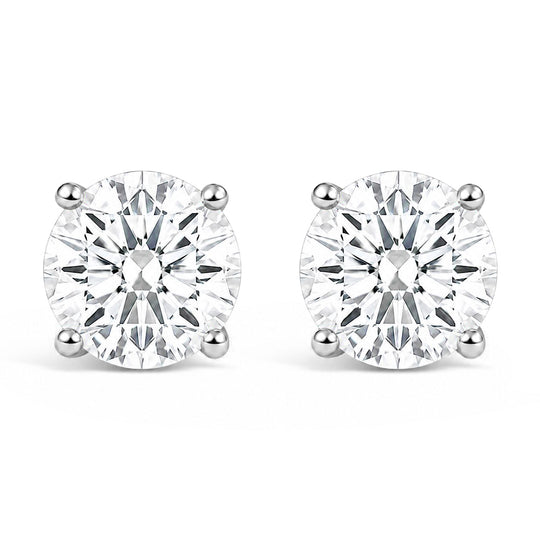
Diamond stud size is measured in total carat weight for pairs, which splits between two stones. A common benchmark is that 0.5 TCW suits most everyday contexts; 1.0 TCW is a statement size; 2.0 TCW and above is high-impact and formal. The perceived size of a stud depends heavily on cut quality: a well-cut stone at 0.5 TCW looks larger and brighter than a poorly cut stone at the same weight. The diamond rings range covers center stone sizing context.

Natural vs. Lab-Grown Diamonds in Earrings

The natural vs. lab-grown decision in earrings follows the same logic as in rings, but with different priorities. Because earrings sit further from close inspection, slightly lower clarity grades including SI1 and SI2 are even more acceptable in studs. Lab-grown diamonds offer a strong value case for earrings specifically, because size and sparkle per carat is the primary buyer goal rather than resale value. For halo settings where smaller surrounding diamonds amplify the center stone, the halo earrings range covers every configuration.

Diamond Earring Metal Choices: White, Yellow, and Rose Gold

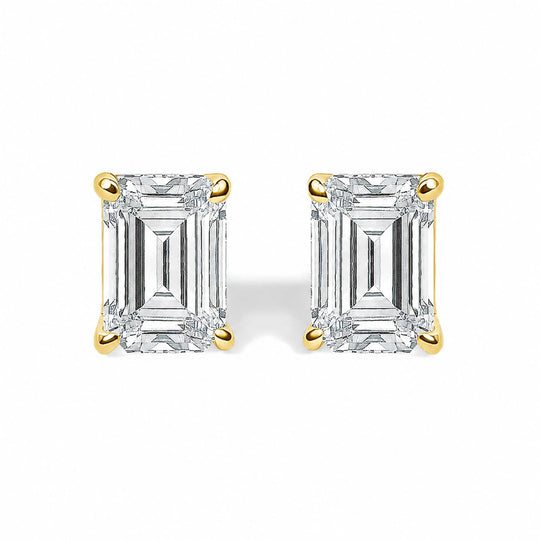
White gold and platinum are the most widely chosen metals for diamond stud earrings because the neutral tone creates a seamless visual transition to the diamond's colorless body. Yellow gold suits lower color-grade diamonds well, as the warm metal background makes the stone read richer rather than yellowish. Rose gold produces the most romantic result and pairs well with champagne and near-colorless diamonds that pick up the warm tone. For the most versatile everyday option, the stud earrings range covers every setting and size. Every order ships free with a 30-day return policy.

Frequently Asked Questions

What is a good carat weight for diamond stud earrings?

Diamond stud earrings are most commonly purchased at 0.5 total carat weight (0.25ct per ear), which provides clear sparkle at everyday distances without being overpowering. 1.0 total carat weight reads as a statement size well-suited to formal occasions. Anything above 1.5 total carat weight is high-impact and best suited to intentional dressing. Cut quality determines how much impact a given carat weight delivers: a well-cut 0.5 TCW stud outperforms a poorly cut 0.75 TCW in visible brilliance.
What is the best diamond cut for stud earrings?

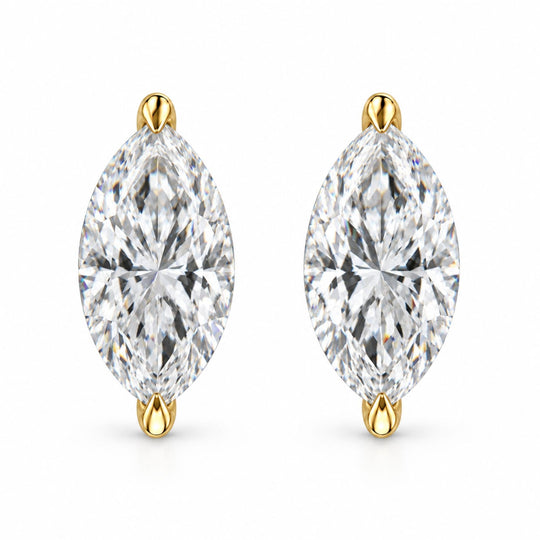
Diamond earrings suit round brilliant cuts most naturally because the shape maximizes light return from all angles, producing the most consistent sparkle across different lighting conditions. Princess cuts work well for buyers who want a square silhouette with strong brilliance. Cushion and oval cuts create a softer result. For halos and drop earrings, pear and marquise cuts add visual length. Within any shape, cut quality is the most important grade to prioritize for maximum visible impact.

What clarity grade is sufficient for diamond earrings?

Diamond earrings are well-served by VS2 and SI1 clarity grades when worn at conversational distance, where inclusions are effectively invisible. Because earrings sit further from close visual inspection than rings, SI2 can also be acceptable since inclusions visible only under magnification do not show at earring distance. Flawless and Internally Flawless grades carry premiums for properties that make no visible difference in earring settings.

What is the difference between natural and lab-grown diamond earrings?

Diamond earrings using natural and lab-grown stones are optically identical, as both share the same chemical composition, hardness, and optical properties. In the earring context, where stones are seen from a distance and resale value is less relevant than in engagement rings, lab-grown diamonds represent strong practical value for the same visual quality at a substantially lower cost per carat. For a fuller comparison of the two origins, read natural vs lab-grown diamonds.

How do you keep diamond stud earrings secure in the ear?

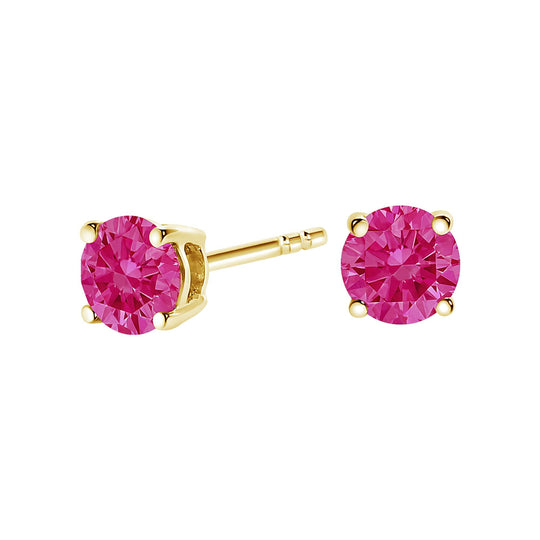
Most diamond studs use butterfly or push-back closures, which are secure for everyday wear but can loosen over time. Screw-back closures provide significantly stronger security and are worth choosing for higher-value studs or active wearers. Locking back systems are the highest-security option and are available as aftermarket additions to standard posts. Check and tighten butterfly backs regularly, as they gradually lose tension with daily use.

How do you clean diamond stud earrings?

Diamond stud earrings are best cleaned with warm water, mild soap, and a soft toothbrush applied gently around the stone and setting to remove skin oils and daily residue. Rinse thoroughly and dry completely before storage. Ultrasonic cleaners are effective for solid gold studs with diamonds but should be avoided if the earrings contain other stones, enamel, or fragile settings. Have prong tips checked annually if worn daily, as prongs in earrings can catch on fabric and gradually bend over time.

Can you wear diamond earrings every day?

Diamond earrings are well-suited to daily wear, as diamonds are hard enough for regular use and the standard stud setting is robust. The main care considerations are removing before swimming in chlorine, which can degrade the metal setting over time, and before activities where the earrings might catch on fabric or equipment. Daily wearers should check the security of backings regularly and have settings inspected annually to ensure prong tips remain secure.

Are diamond earrings available in yellow gold?

Diamond earrings suit yellow gold naturally, as the warm metal background makes lower color-grade stones read richer rather than yellowish. Yellow gold studs also suit warm skin tones well. The warm-metal combination creates a look that is traditional and rich rather than the contemporary character of white gold settings. The gold earrings range covers the full yellow gold selection including diamond styles.

What diamond necklaces pair with diamond earrings?

Diamond earrings complement most naturally at the neckline with an understated piece: a diamond solitaire pendant at 16 to 18 inches if the earrings are studs, or a simple diamond chain or single-stone pendant if the earrings are larger halos or drops. For formal occasions where earrings are the dominant piece, a slim diamond chain with no pendant keeps the neckline active without competing.

What diamond bracelets coordinate with diamond earrings?

Diamond earrings complement most naturally at the wrist with a diamond tennis bracelet in matching metal, sharing the small-stone sparkle language across ear and wrist. For something subtler, a thin pave or channel-set diamond bangle coordinates without the full-bracelet commitment. Keep metal consistent across earring and bracelet for the most intentional result. The diamond bracelets range covers wrist options.

×
Your Bag
Subtotal (tax excl.) $0
 
Example
Example
Example
(0 )
Example
View detail
Example
Example
Option1
Option2
Option3
Option1
Option2
Option3
Sold out
Quantity
Add To Cart
Buy Now
Compare
Add Wishlist
Share:
0
0