Skip to content
Every order ships free with a 30-day return policy  ·  Browse new arrivals

14K Rings

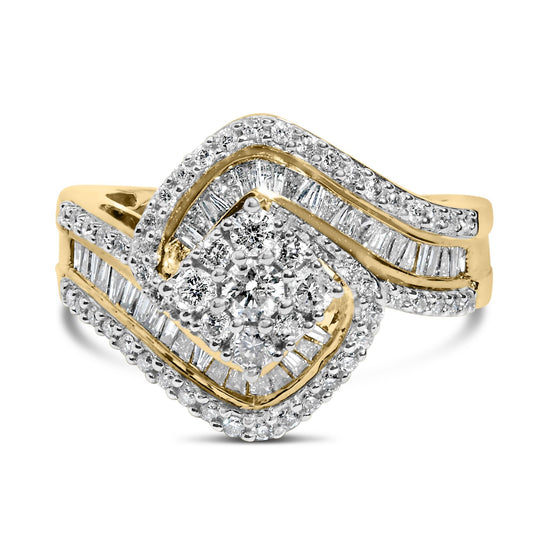
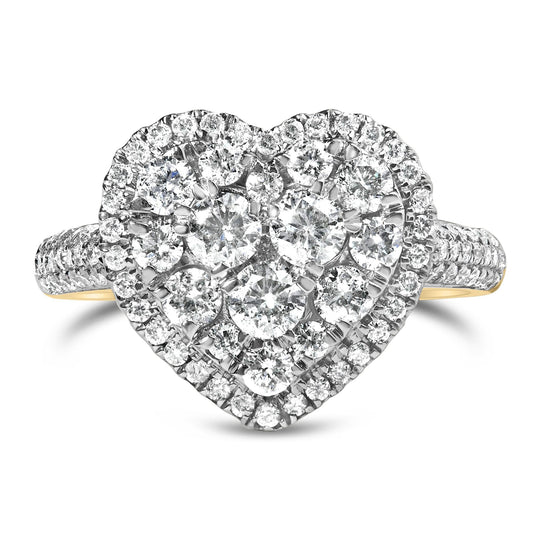
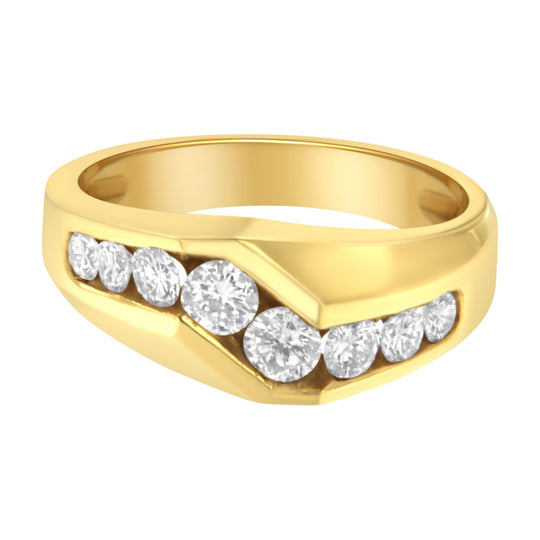
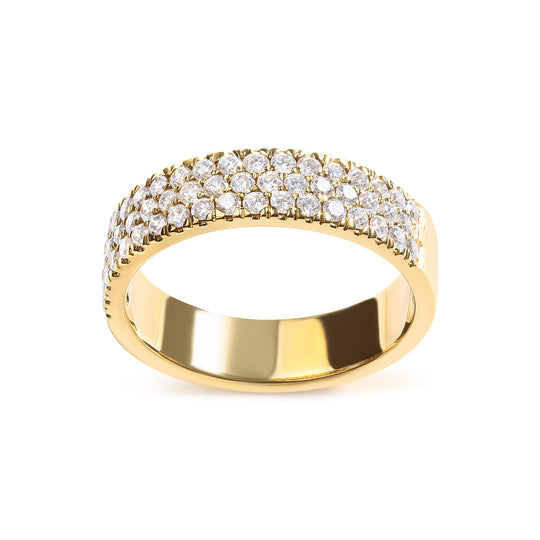
14K Gold Rings Across All Styles and Occasions

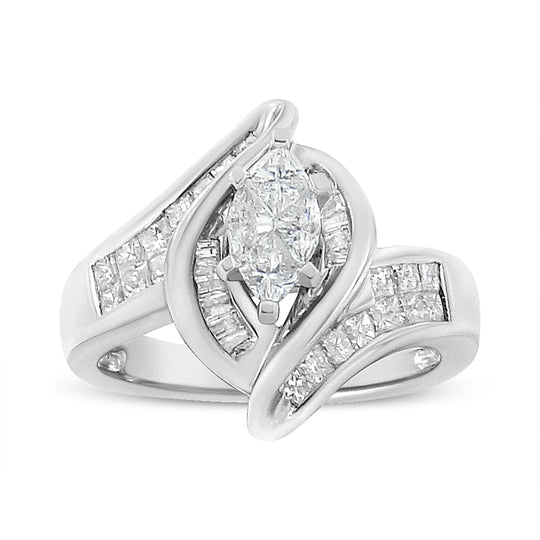
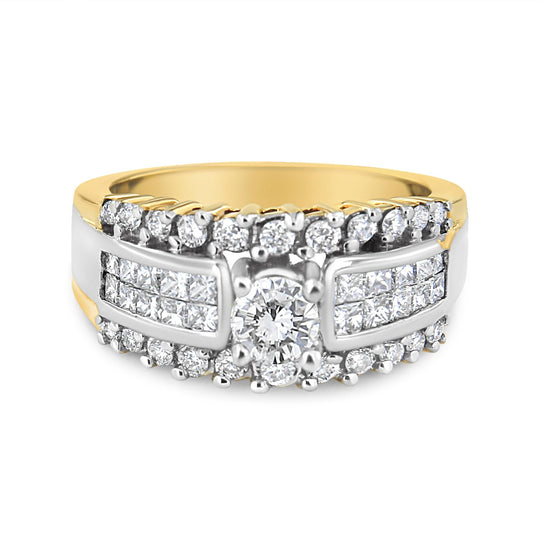
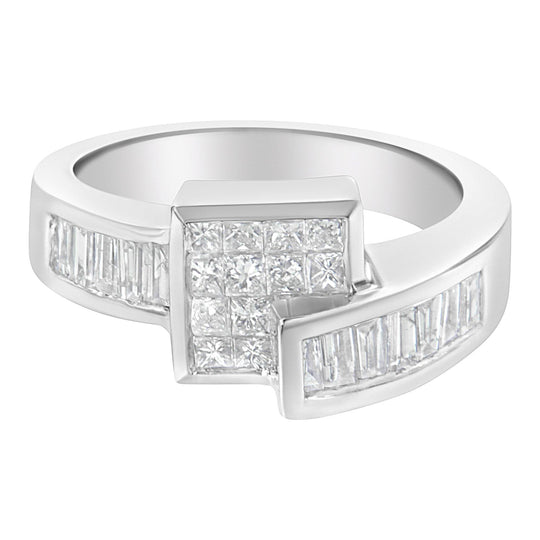
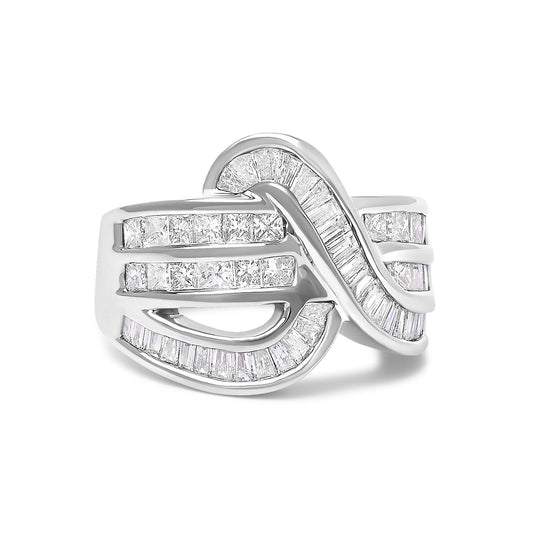
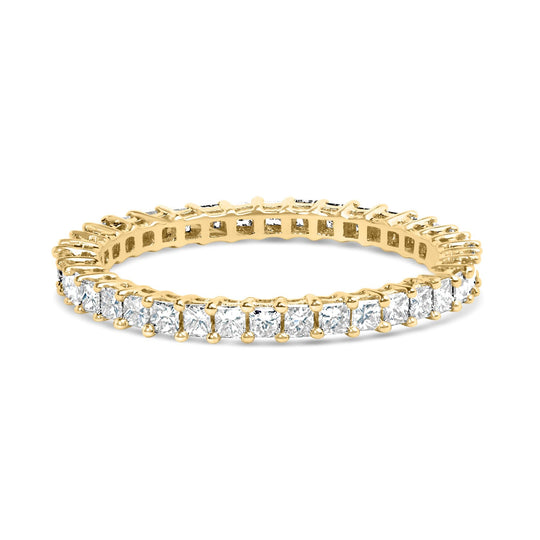
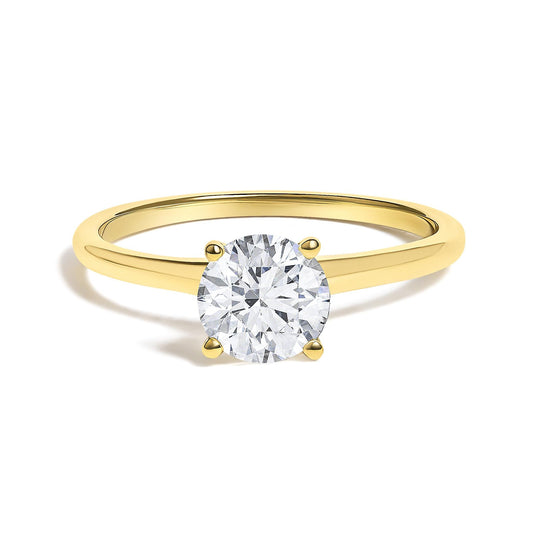
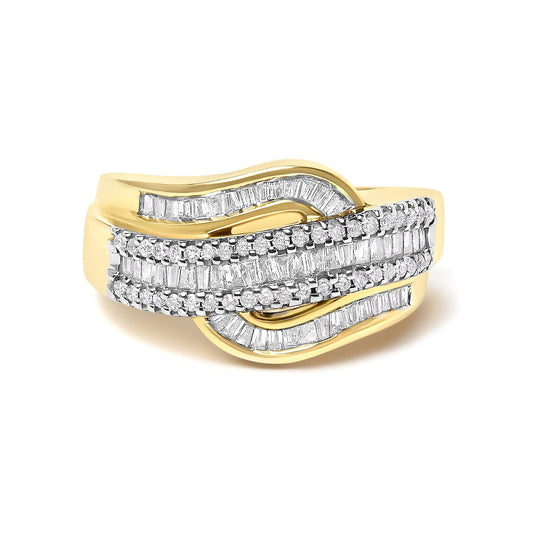
14K gold is the most widely chosen karat for rings in the US, offering the right balance of gold content and durability for pieces worn every day. Oath's 14K gold rings span engagement styles, fashion rings, gemstone settings, and plain bands in yellow, white, and rose gold, with genuine stones throughout where featured. Every 14K gold ring order ships free, with returns accepted within 30 days.

  • Genuine Gemstones
  • Free Shipping
  • 30-Day Returns

How to Choose 14K Gold Rings for Daily Wear?

Why 14K Is the US Standard for Fine Gold Rings

14K gold contains 58.3% pure gold and is the most widely produced karat grade for fine rings in the US because it strikes the most practical balance between gold content and alloy durability for daily wear. The remaining 41.7% alloy metals add the hardness that rings specifically need: of all jewelry types, rings endure the most daily contact, impact, and exposure. 14K holds stone settings securely over decades, resists surface marking better than 18K, and does not tarnish. For bridal ring styles spanning engagement and wedding bands, browse bridal rings.

14K in Yellow, White, and Rose Gold

14K gold is produced in all three color finishes. Yellow 14K uses silver and zinc alloys to maintain the natural warm gold tone. White 14K uses palladium alloys and is rhodium-plated for a bright neutral finish. Rose 14K uses a higher copper proportion for its characteristic warm pink. All three carry 58.3% gold content and perform equivalently for daily ring wear. The color choice is purely aesthetic. Browse gold rings to compare 14K across all three gold colors.

14K vs. 18K Gold Rings: Durability vs. Color Richness

18K gold has a richer, deeper color than 14K due to its higher 75% gold content, but is softer and accumulates surface marks more readily through daily ring contact. For buyers who wear a ring every day for years, 14K provides better scratch resistance at a lower cost while still delivering the rich gold appearance that defines fine jewelry. 18K is the better choice when color quality is the top priority and the ring will see controlled, lower-contact wear. Compare on the 18k rings page.

14K vs. 10K Gold Rings: Color vs. Hardness

10K gold is harder and more scratch-resistant than 14K, but produces a lighter, less warm gold tone due to its lower 41.7% gold content. For most daily-wear ring contexts, the hardness advantage of 10K over 14K is marginal and the color difference is more noticeable. Buyers who prioritize maximum scratch resistance in active stacking wear will find 10K the better choice; buyers who want the richest practical gold color for daily wear will find 14K the stronger option. Compare directly on the 10k rings page. Every order ships free with a 30-day return policy.

Frequently Asked Questions

What does 14K mean in a gold ring?

14K indicates the ring contains 58.3% pure gold, with the remaining 41.7% being alloy metals that add strength and determine the color. The karat designation comes from a 24-part system measuring gold purity: 14 of those 24 parts are gold. The 14K mark is stamped on the inside of the band as 14K, 585, or 14Kt. It is the most widely produced karat grade in the US fine jewelry market because it provides a practical combination of gold content and alloy durability for pieces worn daily.
Is 14K gold good for everyday ring wear?

14K gold is the most recommended karat for rings worn every day. Its alloy composition is hard enough to withstand the daily impact, friction, and chemical exposure that rings encounter more than any other jewelry type. The metal holds stone settings securely over decades of wear, resists scratching better than 18K, and does not tarnish or rust under normal conditions. Most fine jewelry professionals recommend 14K as the baseline karat for engagement rings and wedding bands intended for lifelong daily wear.

What is the difference between 14K yellow, white, and rose gold?

14K yellow, white, and rose gold rings share the same 58.3% gold content. The difference is in the alloy metals that make up the remaining 41.7%. Yellow gold uses silver and zinc alloys to preserve the natural warm color. White gold uses palladium and is rhodium-plated for a bright neutral finish. Rose gold uses a higher copper proportion for its characteristic warm pink tone. The color choice affects aesthetics only; gold content and practical durability are equivalent across all three at 14K.

How do I care for a 14K gold ring?

14K gold rings clean easily with warm water, mild dish soap, and a soft-bristled brush every few weeks. Rinse thoroughly and dry with a lint-free cloth. Remove the ring before working with harsh chemicals, chlorine, or abrasive materials. White gold rings need rhodium replating every one to three years as the surface coating wears. Yellow and rose gold do not require replating. Store in a soft pouch or jewelry box to prevent surface scratches from contact with other pieces.

Can 14K gold rings be resized?

14K gold rings resize straightforwardly for most jewelers. The alloy is workable at standard goldsmithing temperatures. Most rings can be adjusted one to two sizes in either direction without affecting the design. Eternity bands with continuous stone settings present more resizing challenges than plain bands. Confirming resizability before purchase is advisable for rings with unusual settings or shank constructions that may limit how much adjustment is possible.

Does 14K gold tarnish?

14K gold does not tarnish. The gold content is high enough to resist the surface oxidation that causes tarnish in silver and lower-grade alloys. What accumulates on 14K gold rings over time is a surface residue of soap, skin oils, and product buildup, which a standard warm soapy water cleaning resolves. White gold rings show apparent color change over time as their rhodium plating wears, but this is a surface coating issue rather than tarnish on the gold itself.

What ring styles are available in 14K gold?

14K gold is available in every ring style category: engagement rings and wedding bands across solitaire, halo, three-stone, and plain band formats; fashion rings including stackable, signet, and birthstone styles; promise and anniversary rings; and cocktail and statement rings. The karat grade is produced in all three gold colors across all standard ring widths and settings. It is the most broadly available karat grade for fine rings in the US market.

What is the best color of 14K gold for a ring?

14K gold ring color choice depends on the wearer's skin tone, personal preference, and the stone being set. Yellow gold complements warm and olive skin tones and creates a rich, traditional look. White gold suits cooler skin tones and reads as modern and neutral. Rose gold has a warm, contemporary character and is popular across a wide range of skin tones. All three are equally practical in 14K for daily ring wear. Browse yellow gold rings to compare warm-tone 14K options directly.

Are 14K gold rings suitable for diamond settings?

14K gold is one of the most commonly used metals for diamond ring settings in the US. Its alloy hardness holds prong, bezel, and pavé settings securely through daily wear, maintaining stone security over decades. White gold at 14K is the most popular setting metal for diamonds because its neutral tone maximizes the stone's apparent brightness. Yellow gold at 14K creates a warmer visual context for diamonds. Browse diamond rings for 14K gold options across all setting styles.

Is 14K gold a good choice for an engagement ring?

14K gold is the most widely recommended metal for engagement rings in the US, combining appropriate hardness for daily wear with a warm, rich appearance at a practical cost relative to 18K. It holds settings securely through active daily wear, and the choice between yellow, white, and rose gold is purely aesthetic since all three perform equivalently. Browse engagement rings for 14K options across all setting styles.

Your Bag
Subtotal (tax excl.) $0
 
Example
Example
Example
(0 )
Example
View detail
Example
Example
Option1
Option2
Option3
Option1
Option2
Option3
Sold out
Quantity
Add To Cart
Buy Now
Compare
Add Wishlist
Share:
0
0