Skip to content
Every order ships free with a 30-day return policy  ·  Browse new arrivals

Topaz Jewelry

Genuine Topaz Jewelry in Gold and Silver

Topaz comes in a wide range of colors, with blue topaz the most common variety used in fine jewelry, followed by white, yellow, and the rarer imperial orange. It is November's birthstone alongside citrine. Oath's topaz jewelry collection covers rings, necklaces, earrings, and bracelets set in 10K, 14K, and 18K gold and sterling silver, with genuine topaz across a range of colors and styles. Free shipping on every topaz jewelry order, with returns accepted within 30 days.

  • Genuine Gemstones
  • Free Shipping
  • 30-Day Returns

How Do You Build a Complete Topaz Jewelry Collection?

Topaz Rings: Strong Foundation for a Colored Stone Collection

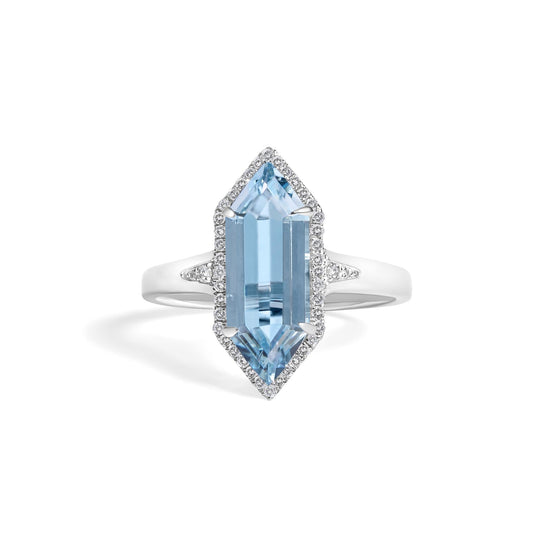
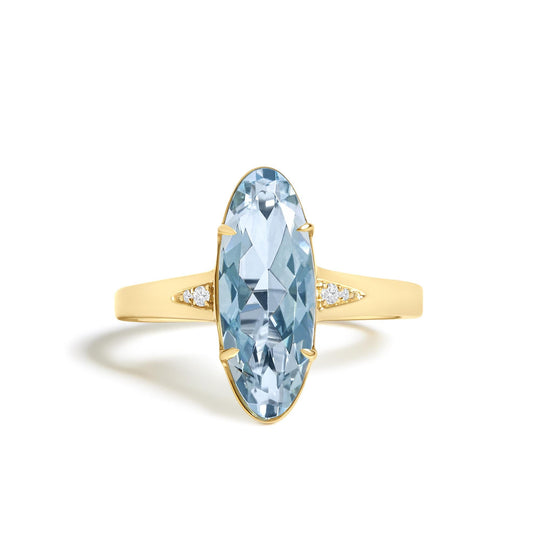
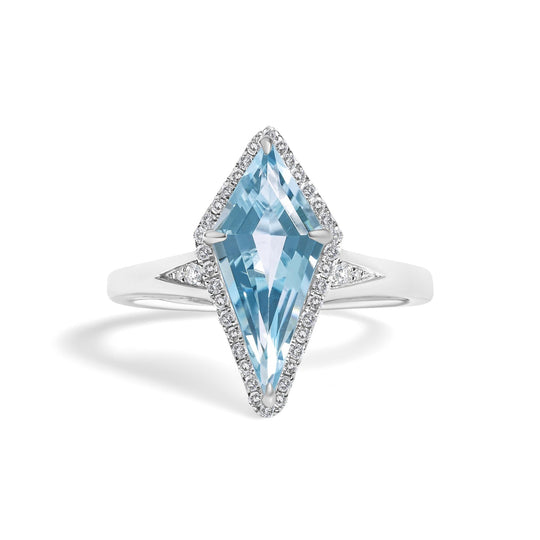
At Mohs 8, topaz is harder than most colored gemstones and makes a practical ring stone when set in a protective bezel or low-profile prong. The blue variety in a halo or solitaire setting is the most popular ring format, with London Blue topaz offering the deepest, most premium-looking color at an accessible price point. For buyers starting a topaz collection at the ring level, topaz ring covers the full range of setting styles and blue grades.

Topaz Necklaces: Wearing the Stone at the Neckline

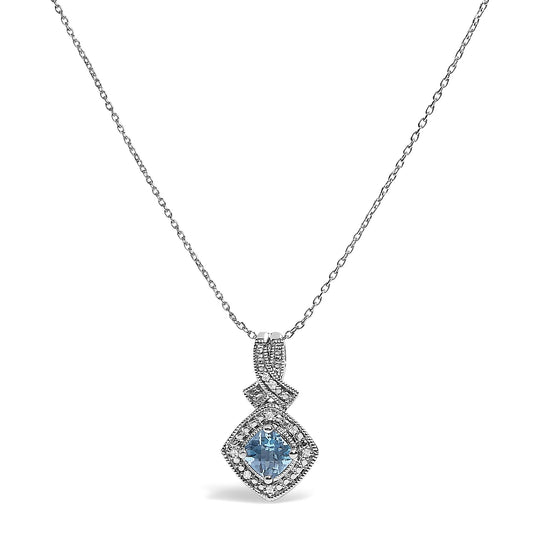
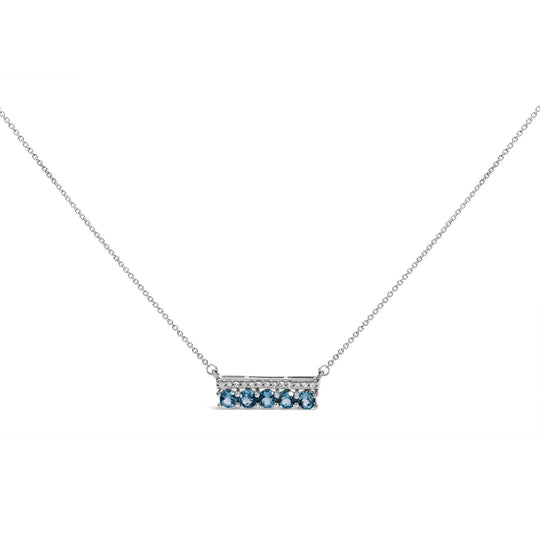
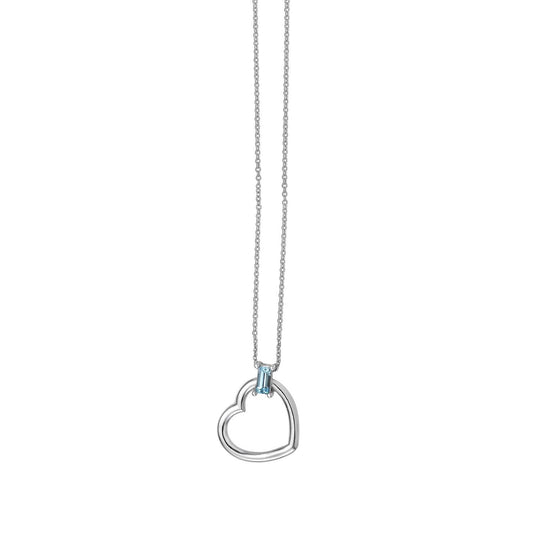
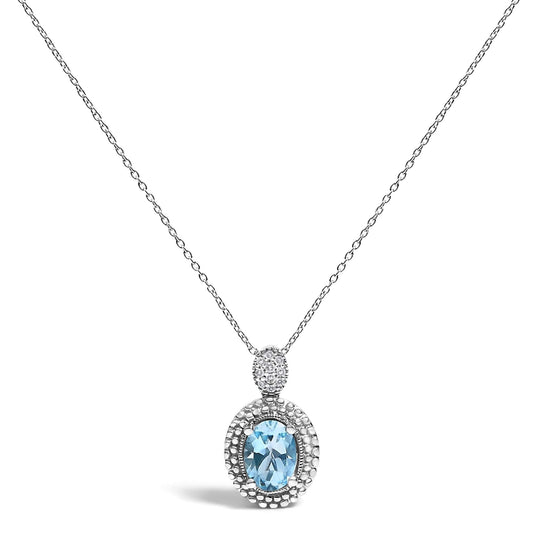
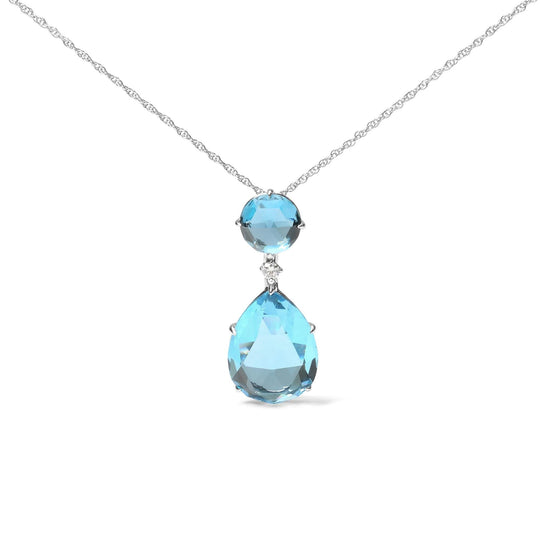
Topaz's abundance in large, clean crystals makes the necklace pendant format particularly effective for this stone, enabling visually substantial stones at price points below equivalent sapphire or tanzanite. A London Blue oval or cushion pendant in a halo setting on an 18-inch gold chain is the most complete daily pendant option. For all pendant and chain necklace styles across the topaz color grades, topaz necklace covers the full range.

Topaz Earrings for Daily Wear

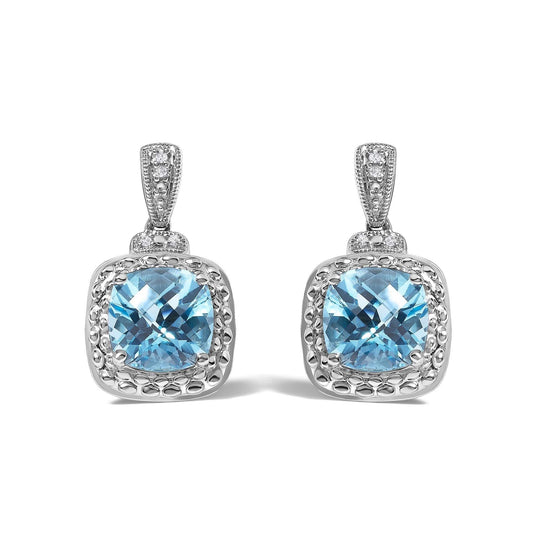
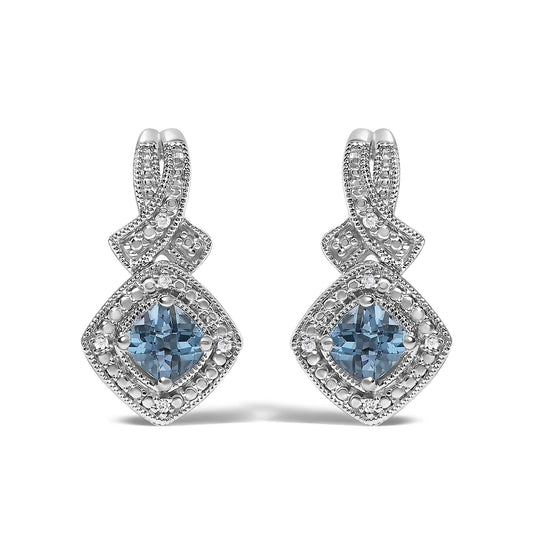
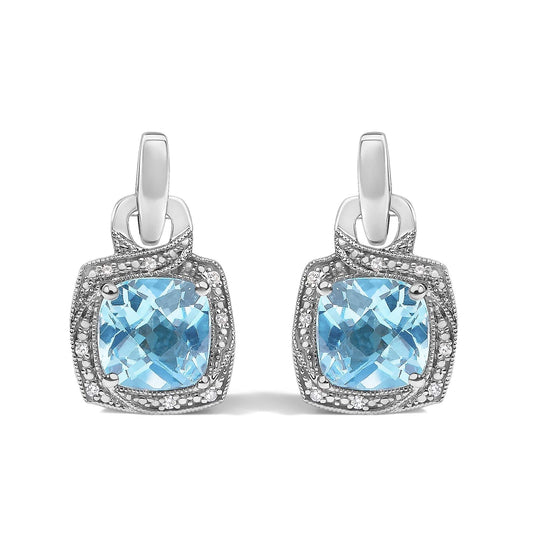
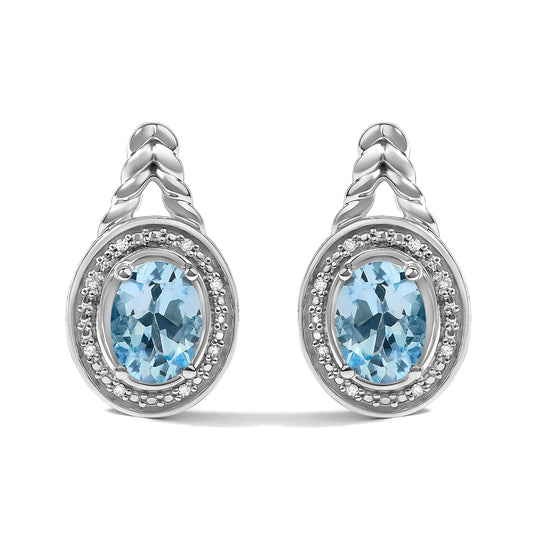
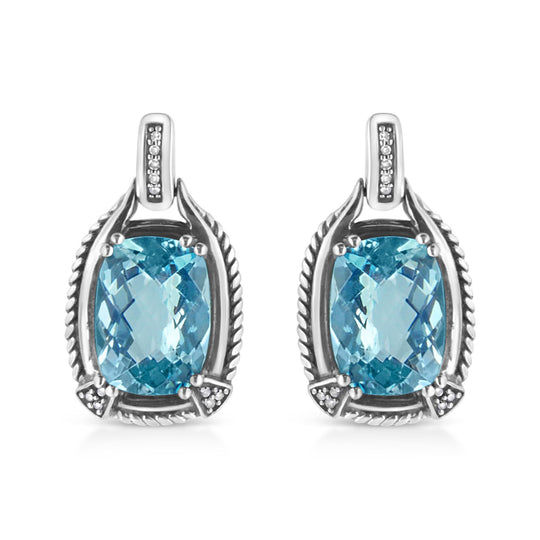
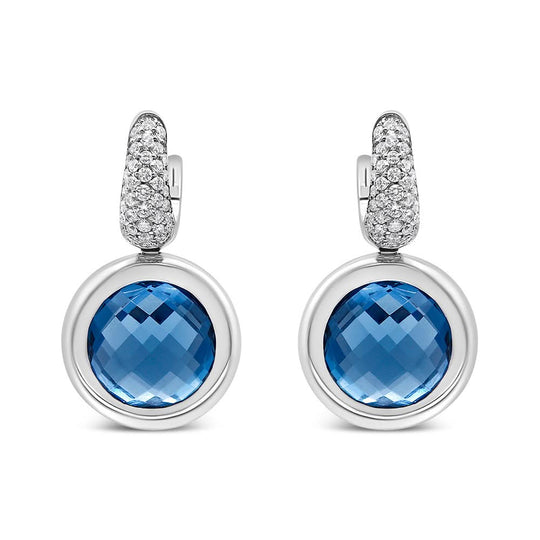
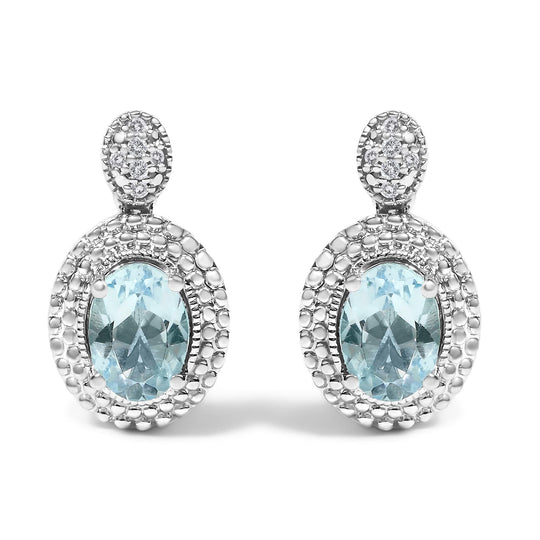
Earrings are the lowest-maintenance topaz format because the stone faces minimal direct contact. A pair of London Blue or Swiss Blue topaz studs in yellow or white gold can be worn daily without the care considerations that apply to rings and bracelets. For buyers new to topaz who want daily exposure to the stone's color before committing to other formats, topaz earrings is the best entry point.

Completing a Topaz Set with a Bracelet

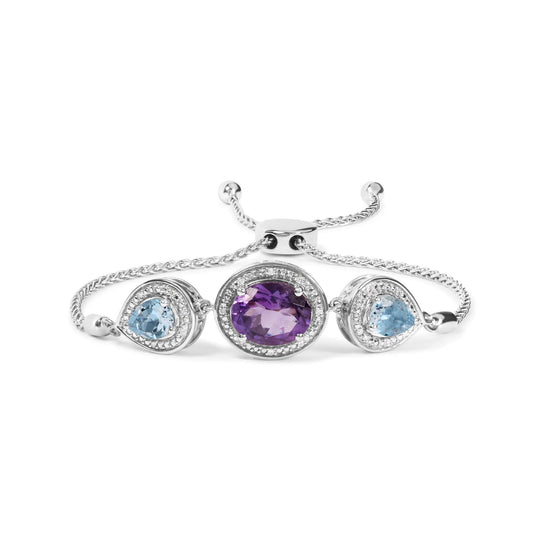
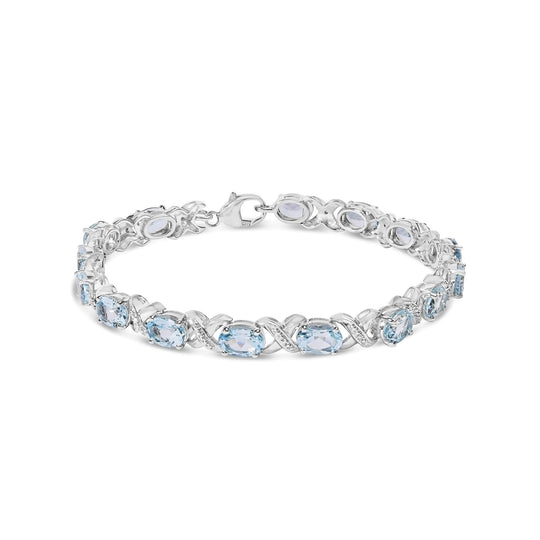
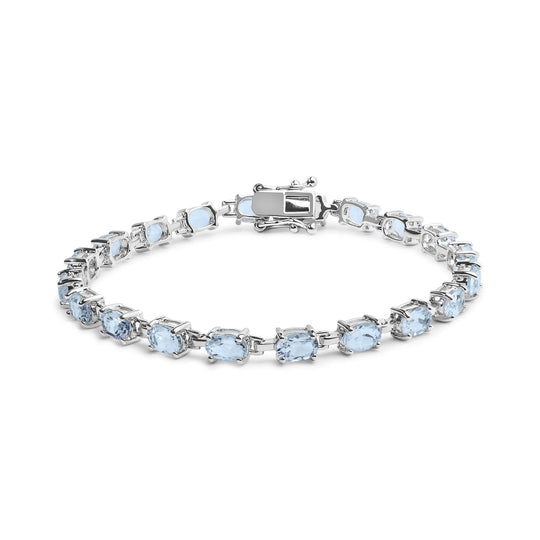
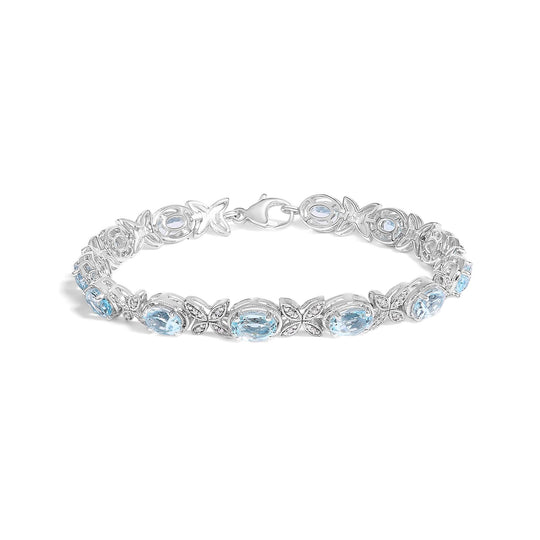
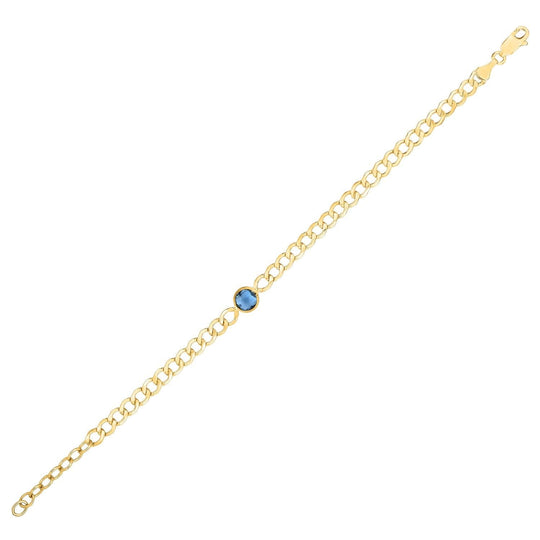
A topaz bracelet extends the stone's blue color from neckline and ear to wrist. Tennis and station formats allow matched topaz stones to create a continuous or spaced color line. Because bracelets face more wear contact than pendants or earrings, bezel and channel settings are the most practical choice for topaz in this format. For all topaz bracelet styles and setting formats, topaz bracelets covers the complete category. Every order ships free with a 30-day return policy.

Frequently Asked Questions

What is topaz and what makes it distinctive?

Topaz is an aluminum silicate fluoride mineral that occurs naturally in colorless, yellow, orange, pink, and blue varieties. At Mohs 8, it is one of the harder gemstones in regular fine jewelry use. The blue topaz that dominates the market is produced by treating colorless material with irradiation followed by heat stabilization, a permanent, industry-standard process. Imperial Topaz, the rare orange-yellow natural variety, is the most valuable. Topaz is available globally from deposits in Brazil, Pakistan, Russia, and Nigeria, making it one of the most accessible hard colored gemstones at meaningful sizes. For how color, grade, and clarity set topaz value, read how to evaluate topaz quality.

What is the November birthstone?

Topaz is the traditional November birthstone, alongside citrine as the modern alternative. The original historical association was with Imperial Topaz, the rare orange-yellow variety. Blue topaz was added to the December birthstone list by the American Gem Trade Association in 2002. For November birthday gifts, any topaz variety qualifies. Blue topaz is the most widely gifted because it is visually recognizable and available in vivid, large stones at accessible prices. Imperial Topaz makes a more distinctive gift but is harder to source and commands a significant price premium.
What type of topaz jewelry is best for daily wear?

Earrings and pendants are the most practical topaz formats for daily wear because the stone faces minimal direct contact and the cleavage consideration does not apply. Rings require a bezel or low-profile prong setting to protect the stone's cleavage direction. Bracelets and bangles benefit from bezel or channel settings for the same reason. For buyers new to topaz who want to wear the stone daily, topaz earrings or a pendant are the best starting points before moving to rings or bracelets where setting choice becomes more critical.

How is blue topaz different from natural topaz?

Natural topaz in blue color exists but is extremely rare. The vast majority of blue topaz in commercial jewelry is produced by irradiating colorless natural topaz, which changes the crystal's color centers, and then applying heat to stabilize the result. The treatment is permanent, universally accepted, and fully disclosed by all reputable sellers. The finished stone is natural topaz that has been treated — not a synthetic or simulated material. The three grades produced by the treatment (Sky Blue, Swiss Blue, London Blue) vary based on the irradiation and heating parameters applied.

Does topaz fade over time?

Heat-treated blue topaz is stable under normal wear conditions and will not fade from regular daily exposure. Prolonged extreme heat, above temperatures not encountered in normal jewelry wear, could theoretically affect the color. Irradiation-produced blue topaz that has been heat-stabilized is specifically processed to be resistant to the type of light and moderate heat exposure typical in jewelry use. Extended direct high-intensity sunlight over years is a theoretical concern but not a practical one in normal wearing and storage. Treat stored pieces the same as any quality jewelry: away from direct light and heat sources when not worn.

What topaz jewelry styles are available?

Topaz is available across all jewelry types: rings in solitaire, halo, and three-stone formats; earrings in studs, drops, and halos; necklaces in pendant and chain-station designs; bracelets in tennis and station formats; bangles with bezel-set stones; and pendants in solitaire and halo designs. The blue topaz grades, Sky Blue, Swiss Blue, and London Blue, appear across all formats. For the full range of topaz rings across setting styles and metals, topaz rings is the most comprehensive starting point.

How do topaz earrings compare to ring and necklace styles?

Earrings are the most practical topaz format for daily wear because the stone faces no direct contact risk. Rings are the most visible format but require a protective setting for the cleavage direction. Pendants position the stone at close viewing distance against skin, where color depth reads most clearly. Buying an earring and pendant combination in the same metal and blue grade is the most effective way to build a cohesive topaz look. For the full topaz earrings category, browse topaz earrings for all available styles.

What topaz necklace and pendant styles are available?

Topaz pendants are available in solitaire, halo, and three-stone formats across yellow gold, white gold, and sterling silver. The pendant format is particularly strong for topaz because the stone's availability in large, clean crystals allows visually substantial pieces at accessible price points. London Blue in a halo setting reads as a premium piece at a fraction of the equivalent sapphire cost. For the full topaz pendant range including all settings, browse topaz pendants.

How does topaz compare to amethyst across fine jewelry?

Topaz and amethyst are both widely available, accessibly priced colored gemstones for fine jewelry. Topaz is harder at Mohs 8 but has perfect cleavage; amethyst is softer at Mohs 7 with no cleavage. Topaz produces blues and rare oranges; amethyst produces purples. Both are treated in most commercial material. For buyers who prefer blue, topaz is the choice. For the full topaz bangle range across all metals and formats, browse topaz bangles.

How does topaz compare to sapphire for fine jewelry?

Sapphire at Mohs 9 is harder than topaz at 8 and has no cleavage planes, making it more durable in all jewelry formats. Sapphire's blue color is natural and consistent; blue topaz is treated by irradiation but produces a broader range from pale to deep. Sapphire commands significantly higher prices at equivalent sizes. For buyers who want large, vivid blue stones at accessible prices across multiple jewelry types, topaz is the practical choice.

×
Your Bag
Subtotal (tax excl.) $0
 
Example
Example
Example
(0 )
Example
View detail
Example
Example
Option1
Option2
Option3
Option1
Option2
Option3
Sold out
Quantity
Add To Cart
Buy Now
Compare
Add Wishlist
Share:
0
0