Skip to content
Every order ships free with a 30-day return policy  ·  Browse new arrivals

Amethyst Jewelry

Genuine Amethyst Jewelry in Gold and Silver

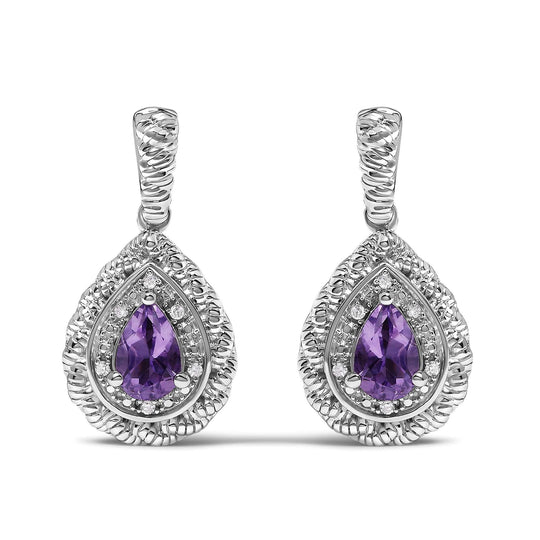
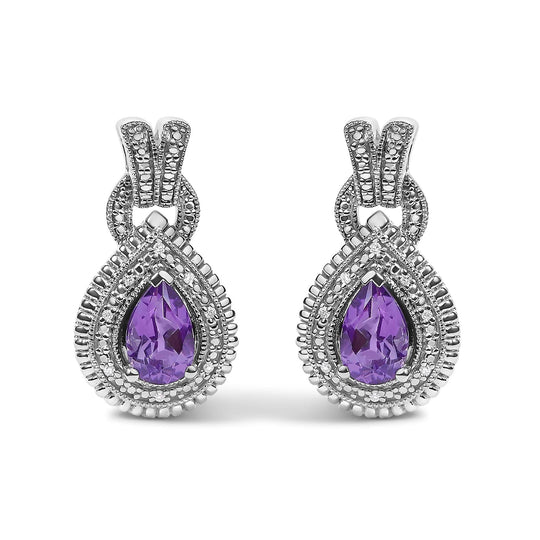
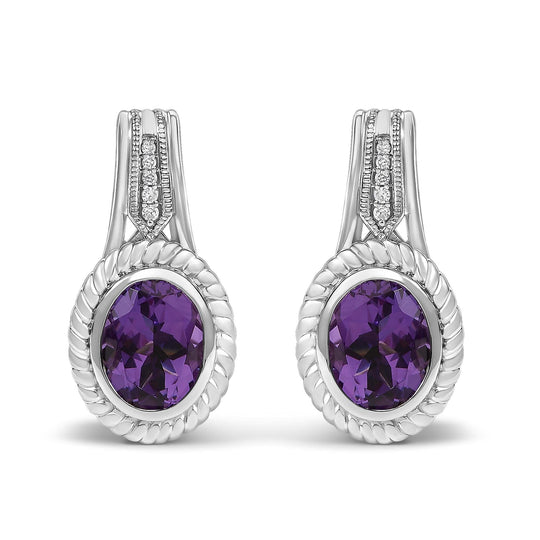
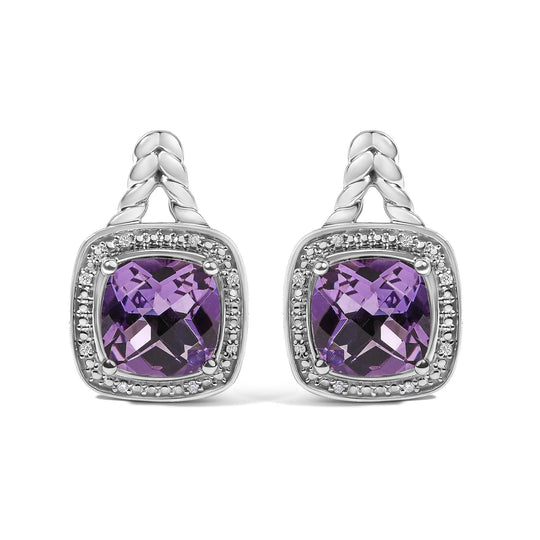
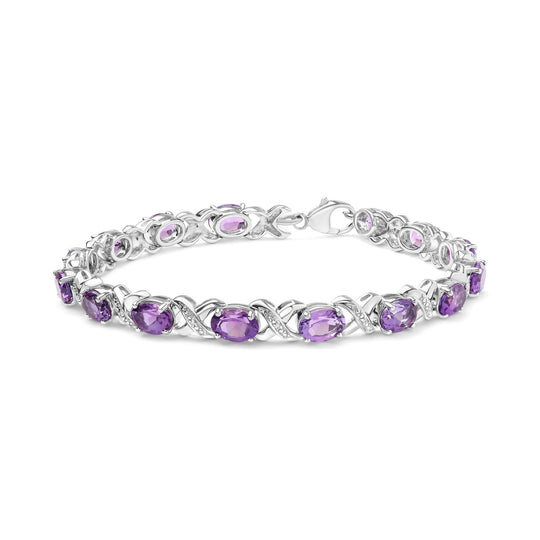
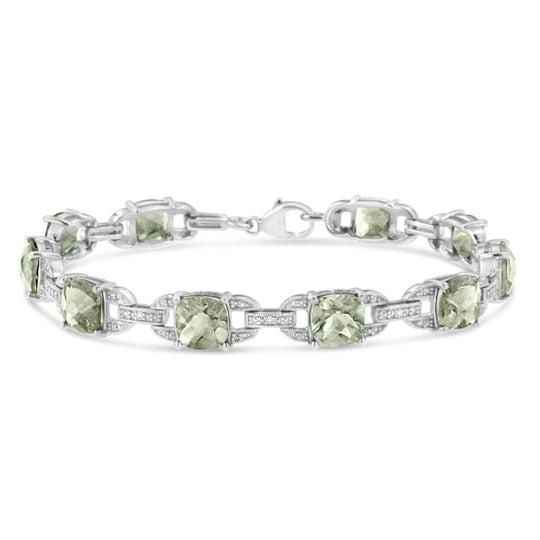
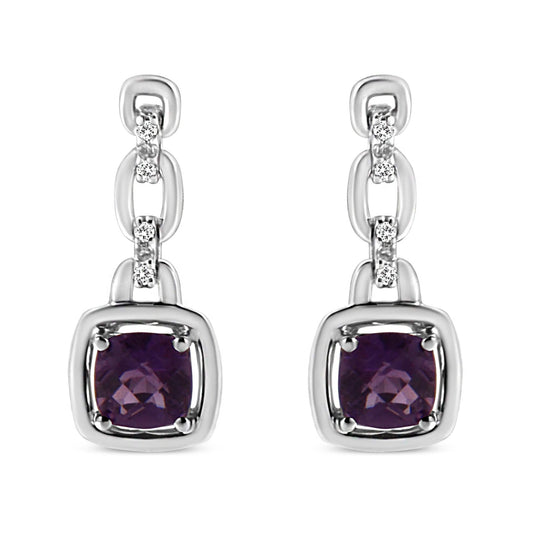
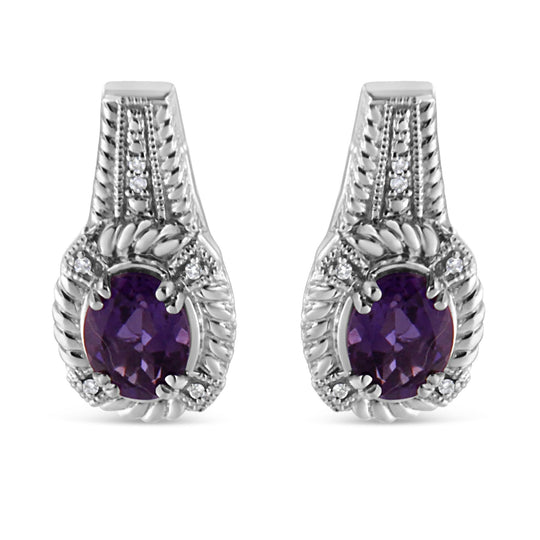
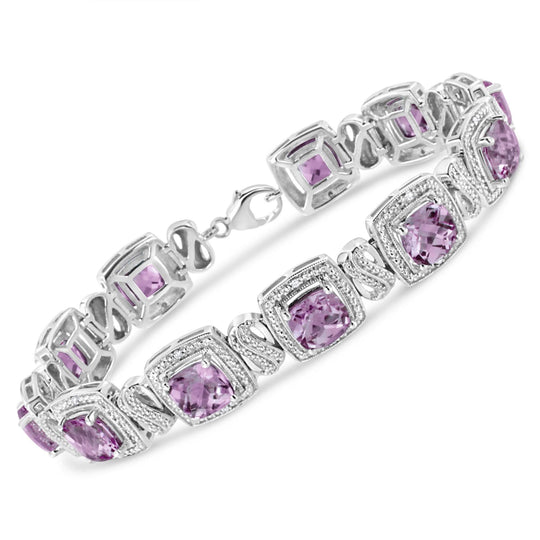
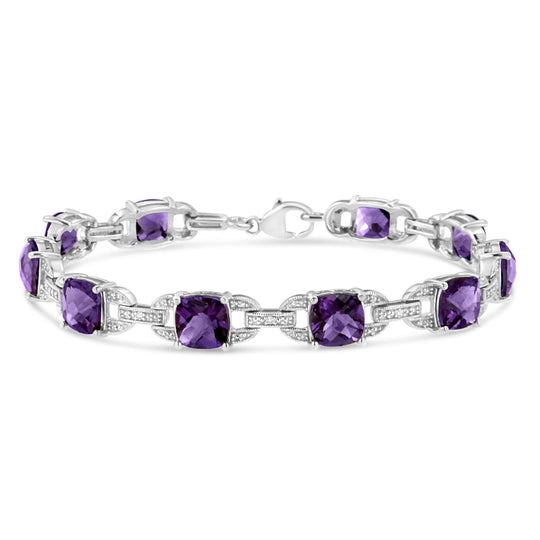
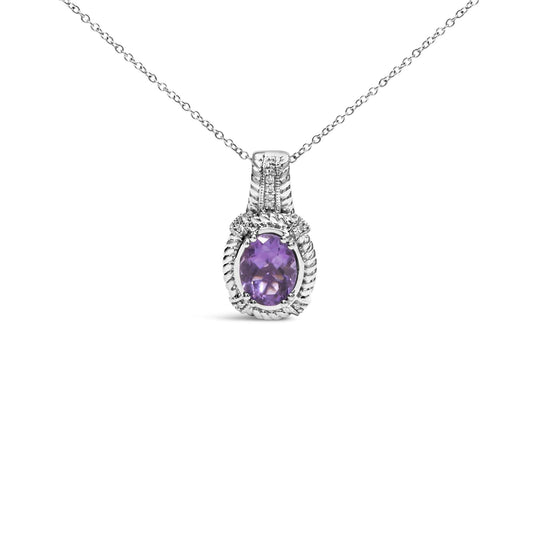
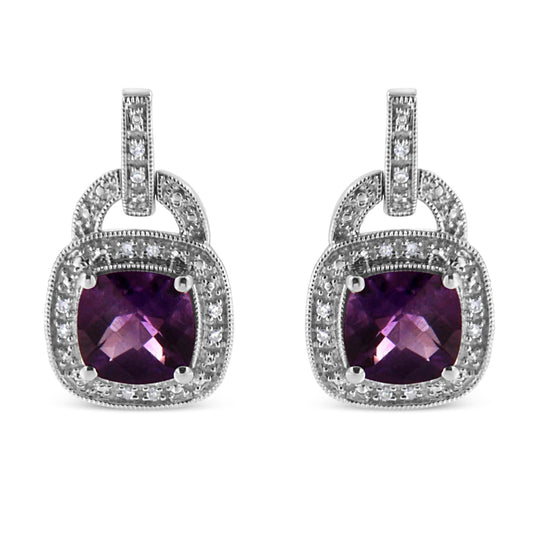
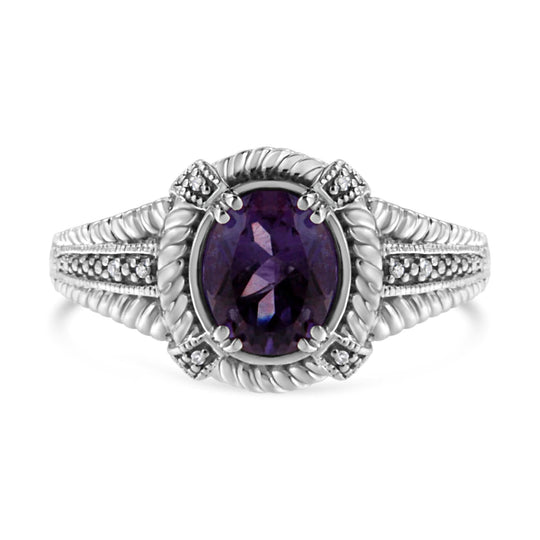
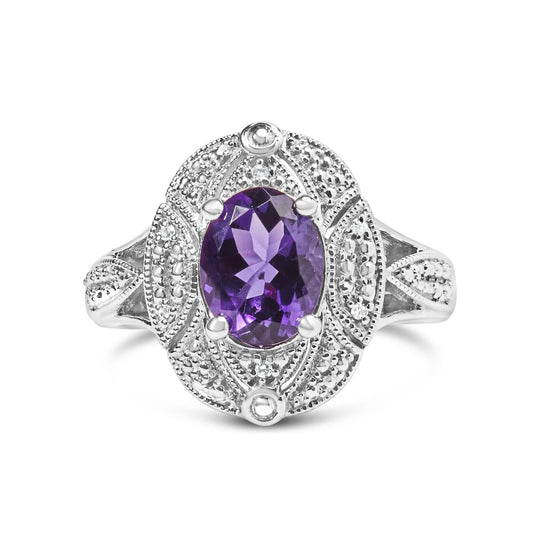
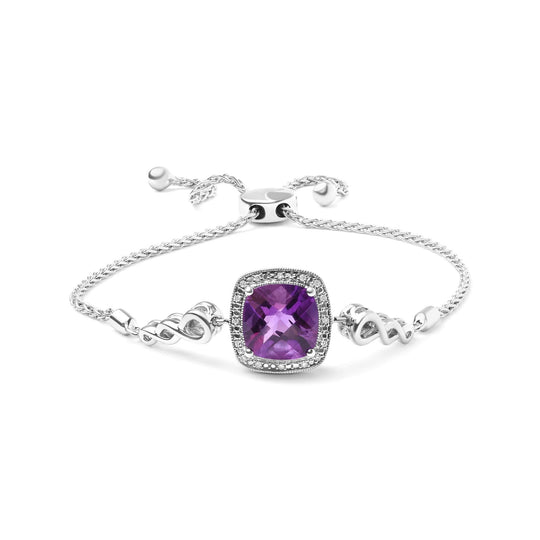
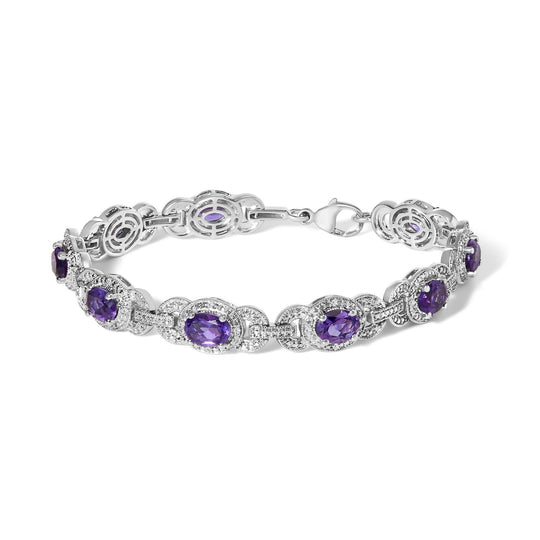
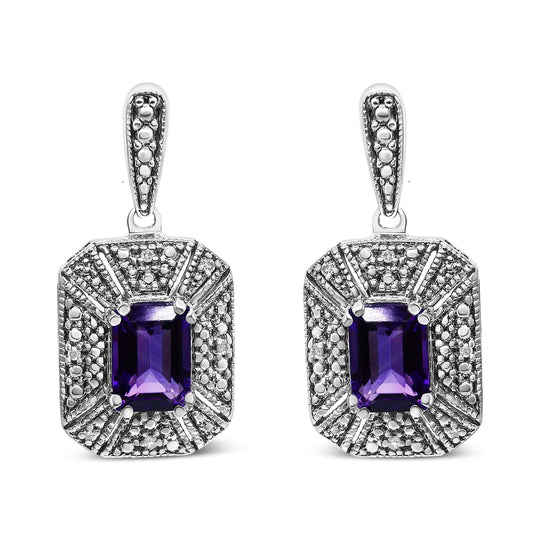
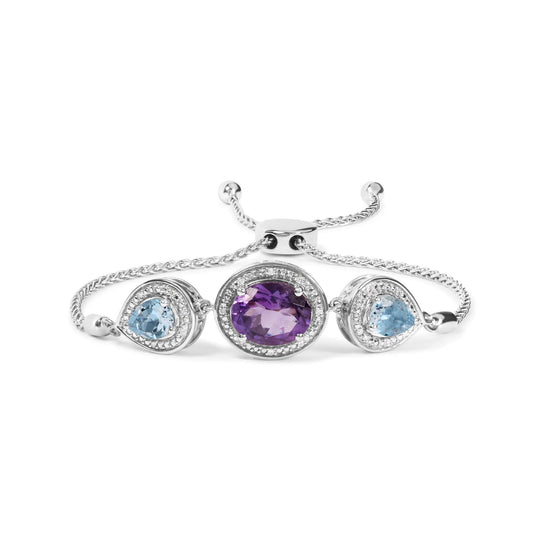
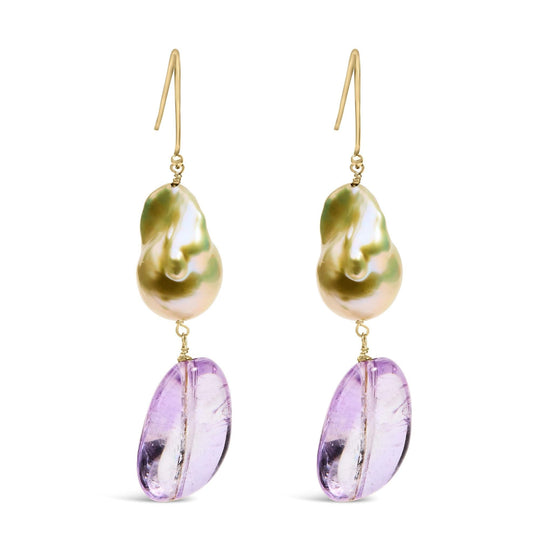
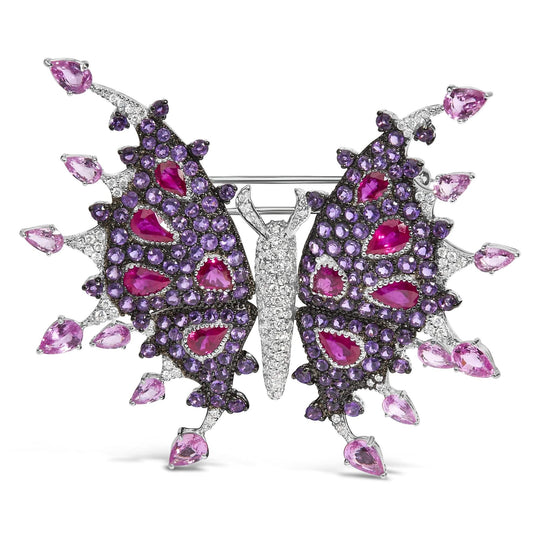
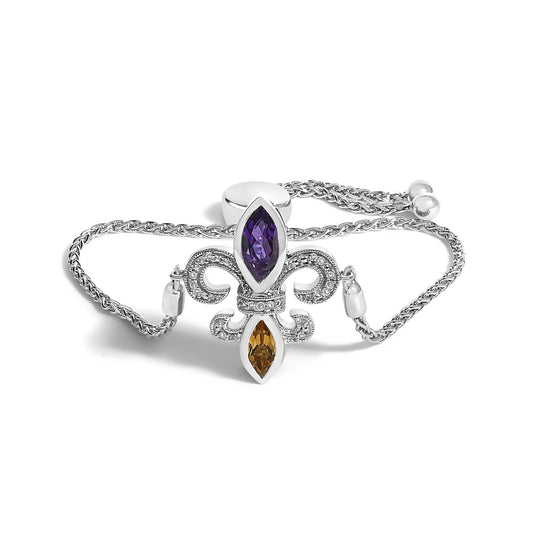
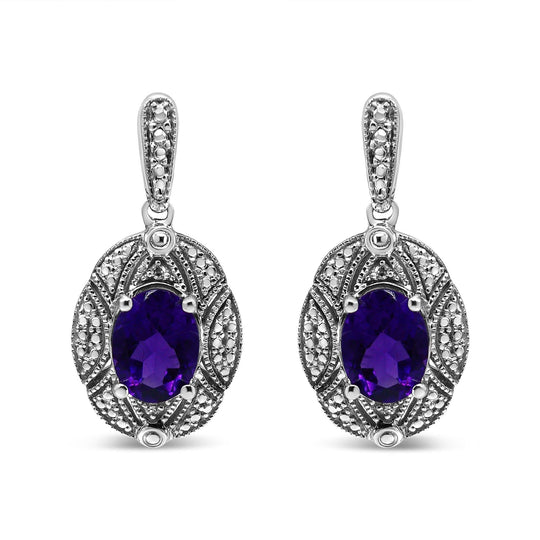
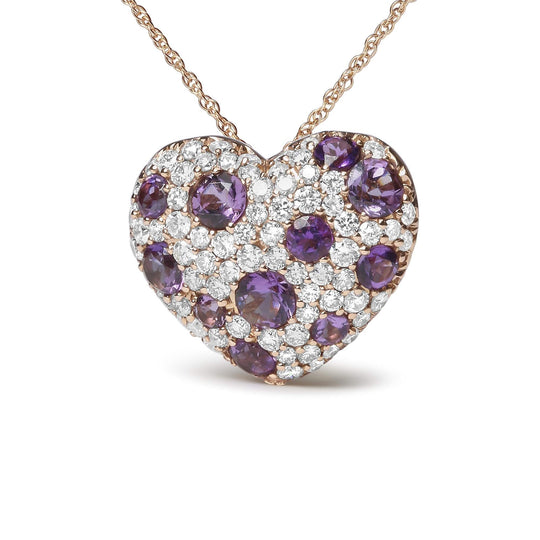
Amethyst ranges in color from pale lavender to deep violet, with the richest purple tones typically the most valued in fine jewelry. It is February's birthstone and one of the most widely chosen colored gemstones for personal pieces and gifts alike. Oath's amethyst jewelry collection covers rings, necklaces, earrings, and bracelets set in 10K, 14K, and 18K gold and sterling silver, with genuine amethysts across simple and detailed settings. Free shipping included on every amethyst jewelry order, and returns are open for 30 days.

  • Genuine Gemstones
  • Free Shipping
  • 30-Day Returns

How to Choose Aquamarine Jewelry That Lasts

Color and Clarity: Reading Aquamarine Tone

Aquamarine ranges from pale icy blue to deep blue-green teal, with medium pure blue as the most commercially valued shade. Prioritize even color distribution across the stone over hitting a specific hue, as uneven saturation is more distracting than a lighter overall tone. Clarity is a defining characteristic; eye-clean stones should be the standard expectation, not a premium. Compare tone in natural light and indoor lighting before committing to a stone. For fine pieces chosen to mark a commitment, browse commitment jewelry.

Metal Settings and Construction Quality

White gold and platinum complement aquamarine's cool blue without competing with it tonally. Prong settings maximize the gem's exposure and let light pass freely through the stone; bezel settings offer more protection and a cleaner modern silhouette. Four-claw and six-claw configurations are standard for rings, while channel and pave accents frame aquamarine effectively in earrings and pendants. For a versatile entry point in aquamarine settings, browse gold necklaces

Choosing Aquamarine for Milestones and Occasions

As the March birthstone and the traditional 19th anniversary gem, aquamarine is an established choice for milestone giving. Its durability makes it a practical center stone for non-traditional engagement and commitment pieces where buyers want a colored gem with fine jewelry credentials. For buyers comparing aquamarine to classic white gemstones for bridal or anniversary jewelry, the comparison is worth making directly. See the full range alongside diamond necklaces

Carat Weight, Cut, and Scale by Jewelry Type

Aquamarine's large natural crystal habit means stones above 3 carats are commercially available at accessible price points compared to ruby or emerald of equivalent weight. Step cuts, especially the emerald cut, showcase aquamarine's clarity and saturate color most effectively. For rings, 1 to 3 carats offers strong visual presence; for earrings and pendants, 0.5 to 1.5 carats per stone reads clearly at arm's length. For colored stones carrying diamond brilliance, browse colored diamond jewelry. Every order ships free with a 30-day return policy.

Frequently Asked Questions

What is amethyst and why is it used in fine jewelry?

Amethyst is a variety of quartz colored purple by iron trace elements within its crystal structure. It sits at 7 on the Mohs hardness scale, making it suitable for most jewelry types with appropriate care. Significant deposits occur in Uruguay, Zambia, and Brazil, making it one of the most abundantly available colored gemstones globally. Its combination of a strong visual color range, accessibility relative to rarer stones, and deep historical associations across many cultures makes it one of the most consistently used gemstones in fine jewelry.
Is amethyst the February birthstone?

Amethyst is the traditional and modern birthstone for February, recognized internationally across both historical and updated birthstone lists. It is one of the most gifted colored gemstones for February birthdays, which means it is widely available across a range of jewelry types, metals, and price points. Purple is one of the more distinctive colors in the birthstone calendar, which adds to amethyst's recognition and appeal as a purposeful gift choice rather than a generic one.

How does amethyst compare to other gemstones in durability?

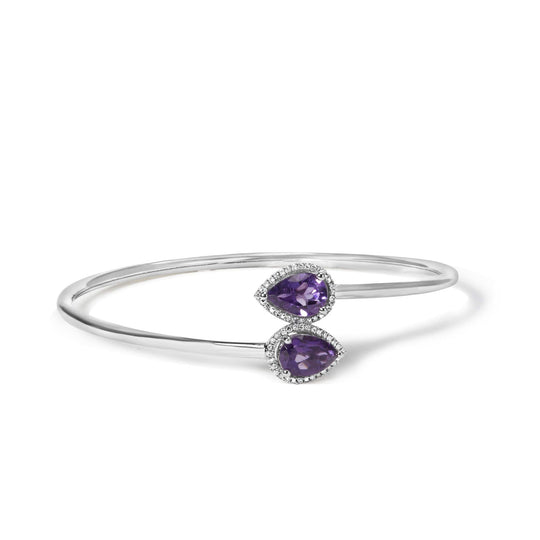
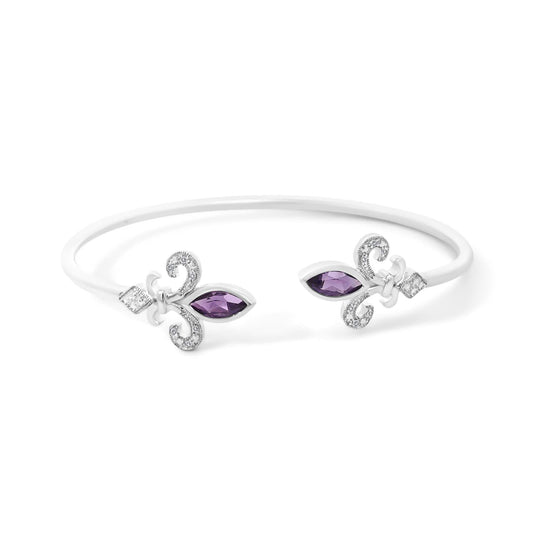
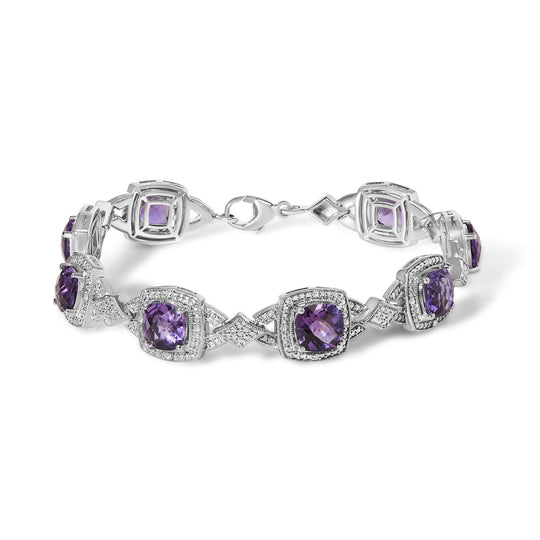
At 7 on the Mohs scale, amethyst is softer than sapphire and ruby at 9 and diamond at 10. It is comparable in hardness to other quartz varieties such as citrine and rose quartz, and softer than topaz at 8. This means amethyst can be scratched by harder stones if stored in contact with them. For rings and bracelets, protective bezel or channel settings reduce this risk significantly. Amethyst has no significant cleavage planes, making it less prone to splitting than some stones of similar hardness.

What does amethyst symbolize?

Amethyst has been associated with clarity, calm, and spiritual focus since antiquity. In ancient Greece and Rome it was connected to sober, clear thinking. Medieval clergy wore it as a stone of piety and wisdom. In contemporary jewelry it is most commonly understood as representing inner balance and emotional steadiness. As the February birthstone it carries added personal significance for those born that month. These associations make it a purposeful gift for milestones, personal pieces, and jewelry given to mark a significant life transition.

Does amethyst come in colors other than purple?

Amethyst is always purple by definition, as the name refers specifically to the purple variety of quartz. The range within that definition is wide: from pale lavender through mid-violet to deep, saturated purple. The Rose de France variety describes light, cool-toned lavender material. The deepest color comes primarily from Uruguay and Zambia. Heated amethyst can convert to yellow or orange, at which point it becomes citrine rather than amethyst. All true amethyst, regardless of intensity, falls within the purple spectrum. For how color and saturation set amethyst value, read how to evaluate amethyst quality.

What is the difference between natural and lab-created amethyst?

Natural and lab-created amethyst are chemically and physically identical, both being purple quartz formed from silicon dioxide with iron trace elements. Natural stones form in geological deposits over long periods; lab-created stones are grown in controlled conditions. Because natural amethyst is abundantly available globally, the price premium for natural over lab-created is smaller than for most other gemstones. Most amethyst in fine jewelry is natural. If you specifically want lab-created material, confirm this with the seller, as the two are not visually distinguishable once set.

What type of amethyst jewelry is best for daily wear?

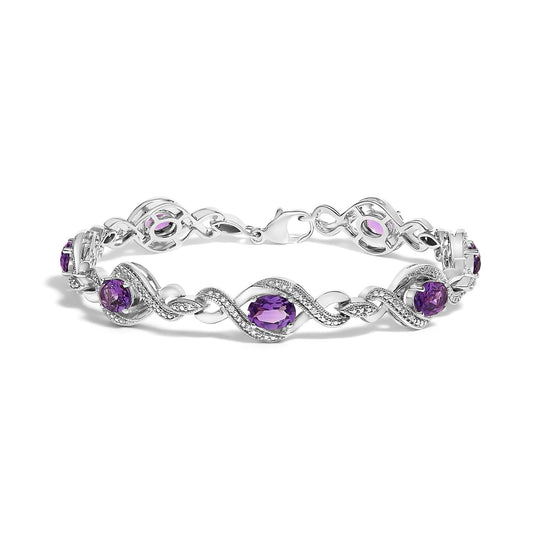
Amethyst jewelry suits daily wear best when the format offers minimal physical contact for the stone. Earrings face the least abrasion and are the most practical starting point. Pendants are a close second for the same reason. Rings and bracelets are viable for daily wear with protective settings and sensible wear habits, but require more attention to avoid impact damage. For buyers new to wearing amethyst regularly, studs or a pendant are the most reliable starting point before moving to a ring or bracelet.

What amethyst pendant styles are available?

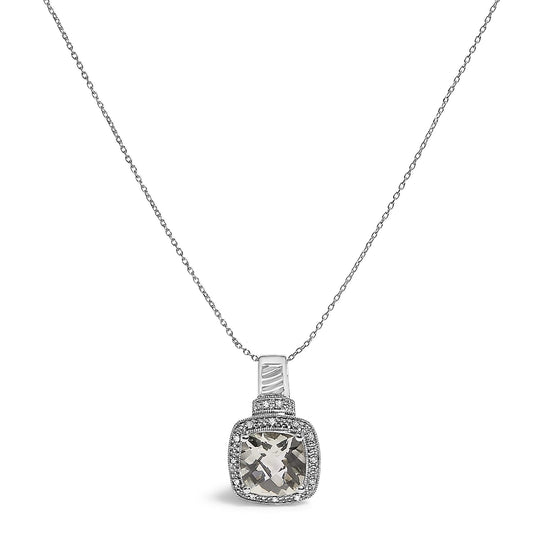
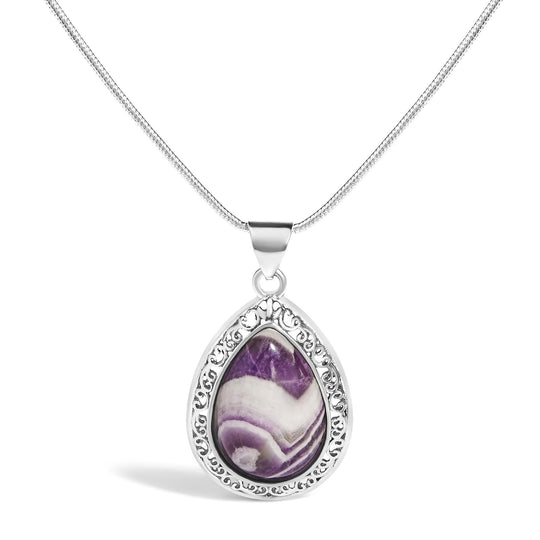
Amethyst jewelry across necklace styles is led by pendants, which offer the widest variety of designs from simple solitaires to halo designs with diamond accents. Setting styles include bezel, prong, and vintage-inspired milgrain or filigree options. Stone shapes typically include oval, cushion, round, and pear. Metal options cover yellow gold, white gold, rose gold, and sterling silver. For a full look at all pendant styles and settings in the amethyst range, amethyst pendants covers the complete category.

How does amethyst compare to other purple gemstones?

Amethyst compares favorably among purple gemstones in terms of accessibility and visual impact. Other purple options in fine jewelry include tanzanite, purple sapphire, and alexandrite. Amethyst is the most abundant and accessible of the group, with the widest range of readily available sizes and settings. Tanzanite is rarer, more expensive, and comparable in hardness. Purple sapphire is significantly harder and more durable but commands a much higher premium.

How does amethyst compare to sapphire in fine jewelry?

Amethyst compares to sapphire across several key dimensions in fine jewelry. Sapphire is significantly harder at 9 versus 7 on the Mohs scale, making it the more durable choice for rings and bracelets worn daily with minimal care. Sapphire is also rarer and commands a substantially higher price, particularly for stones with strong saturation. Amethyst's purple-violet color range overlaps with purple sapphire at the lighter end, though the two have distinct appearances at higher saturations. For buyers drawn to the blue-violet color range, sapphire jewelry covers the full collection available in fine settings.

×
Your Bag
Subtotal (tax excl.) $0
 
Example
Example
Example
(0 )
Example
View detail
Example
Example
Option1
Option2
Option3
Option1
Option2
Option3
Sold out
Quantity
Add To Cart
Buy Now
Compare
Add Wishlist
Share:
0
0