Skip to content
Every order ships free with a 30-day return policy  ·  Browse new arrivals

Solitaire Pendants

  • Genuine Gemstones
  • Free Shipping
  • 30-Day Returns

Solitaire Pendants: Single Stone at the Neckline

What Defines a Solitaire Pendant

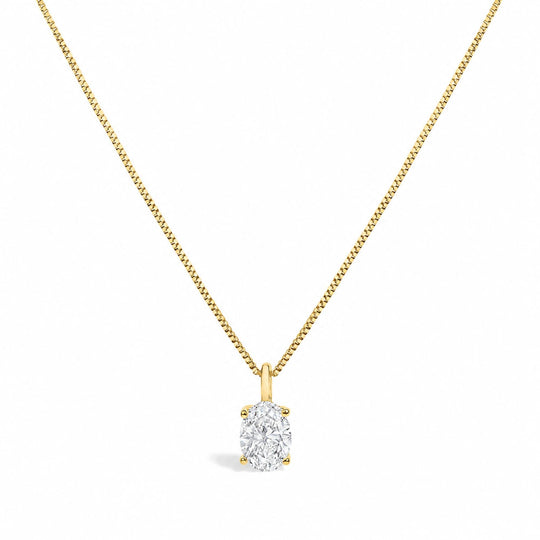
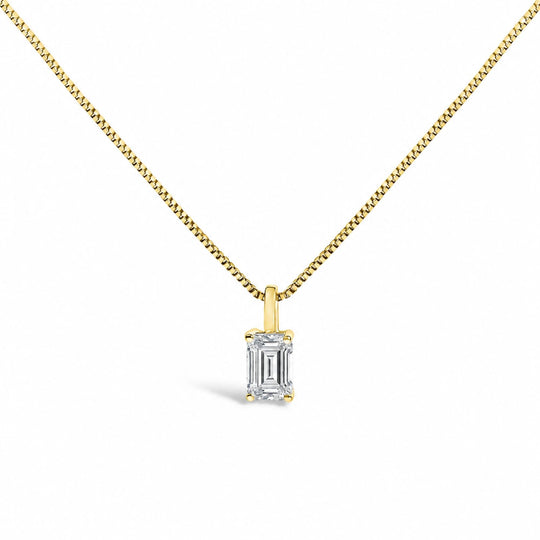
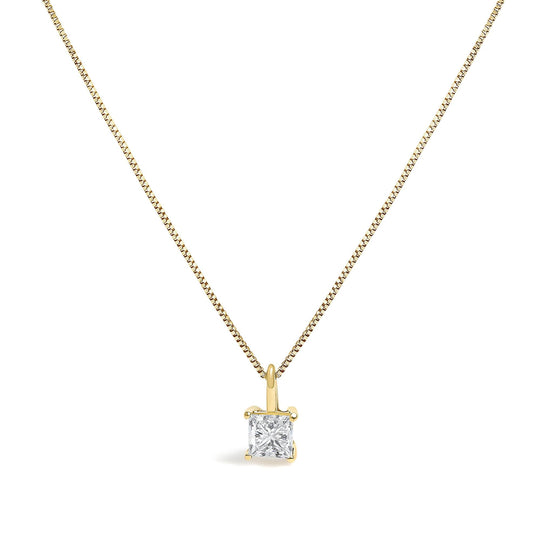
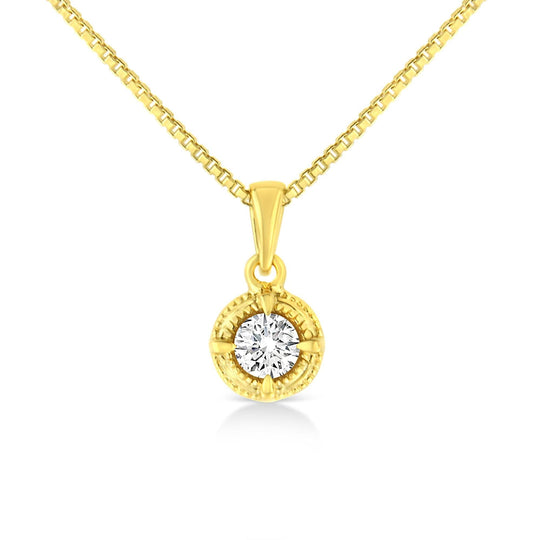
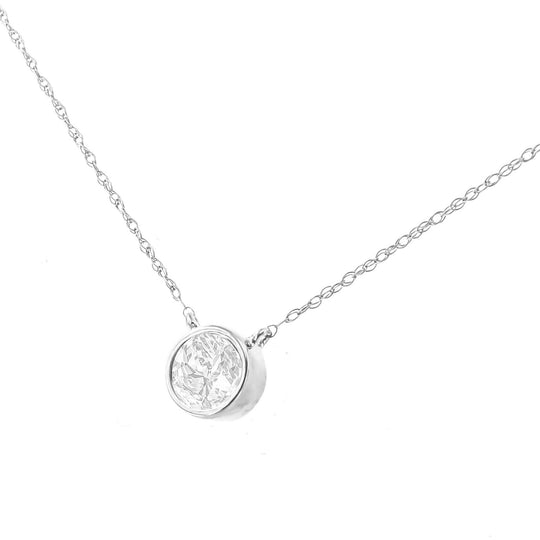
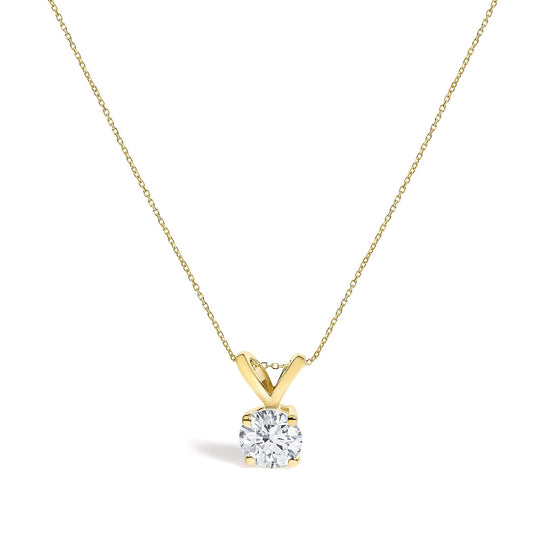
A solitaire pendant is a pendant necklace featuring a single stone in an individual setting on a chain, with no surrounding accent diamonds, halos, or decorative frames. The format's defining characteristic is focus: remove everything that competes with the center stone and let the stone's own light performance or color carry the piece. Solitaire pendants are the most widely purchased pendant format because the single-stone design works at all stone sizes, in all metals, and across all budgets. Browse the full pendants range for solitaire and other pendant designs in gold and diamond.

Diamond Solitaire Pendants

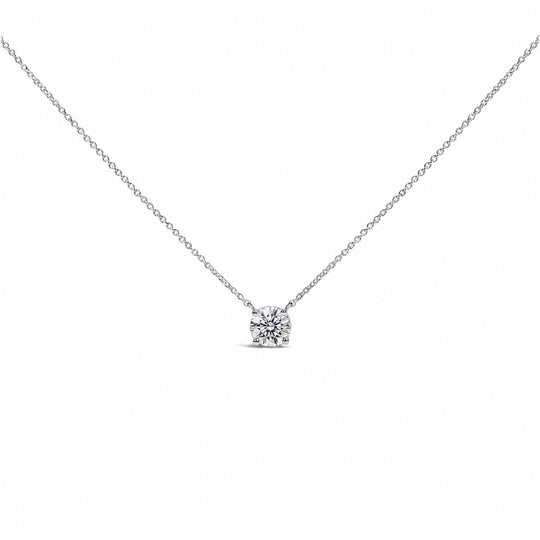
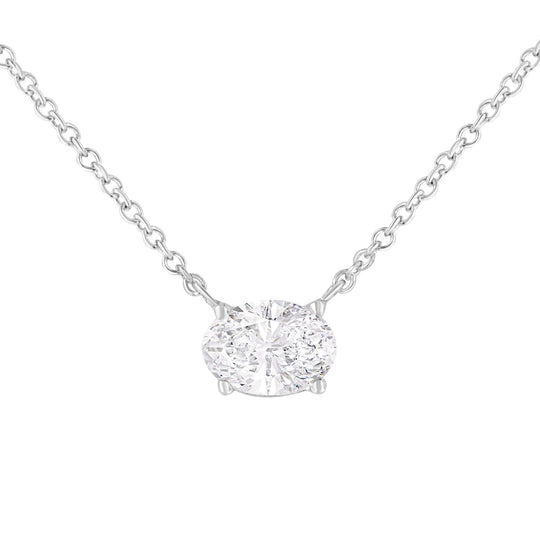
Diamond solitaire pendants are the most commonly purchased solitaire pendant configuration, available in four-prong, six-prong, and bezel settings across white, yellow, and rose gold at 14k and 18k. The round brilliant cut's 58-facet optimization delivers consistent sparkle at the neckline even at modest carat weights, making 0.25 to 0.50 carat pendants effective everyday pieces. A single round brilliant diamond in a white gold prong setting is the most widely purchased diamond pendant configuration globally. Browse diamond pendants for solitaire and other diamond pendant options.

Setting and Metal Choices for Solitaire Pendants

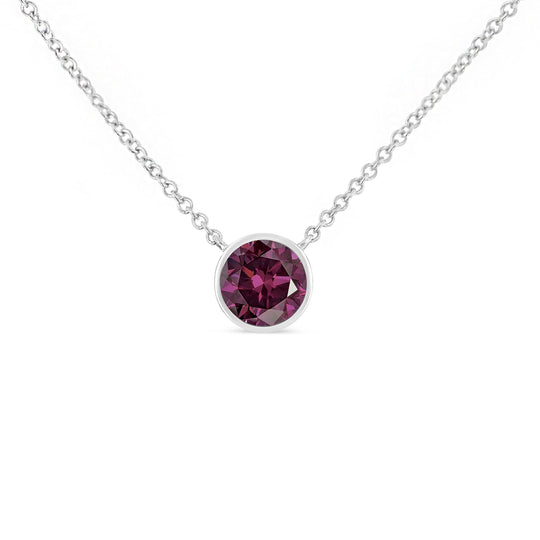
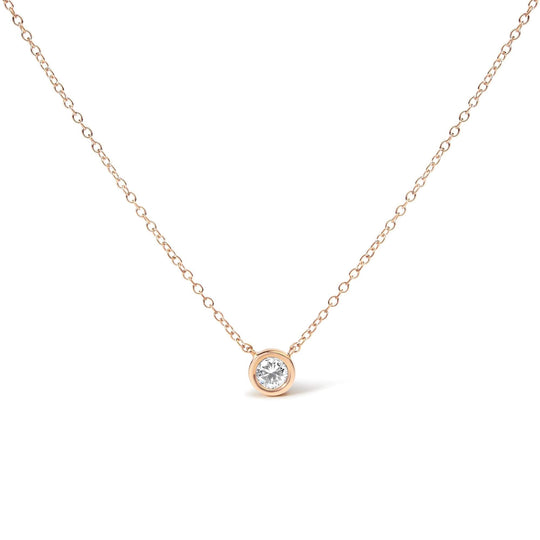
White gold is the most commonly chosen setting metal for diamond solitaire pendants because the neutral cool tone maximizes the colorless stone's brilliance by contrast. Yellow gold suits colored gemstone solitaires and buyers who prefer a warmer aesthetic. Bezel settings protect the stone's edge and suit daily active wear; prong settings expose the maximum stone surface for light performance. All three gold tones are available in 14k and 18k. Browse gold pendants for solitaire styles across all three gold tones.

Solitaire Pendants and Chain Pairing

A solitaire pendant works best with a chain whose weight does not compete with the stone's visual focus. Fine cable and box chains at 1mm to 1.5mm at 16 to 18 inches position the stone near the collarbone where it reads clearly without the chain adding visual mass. Heavier chains above 2mm begin to draw attention away from the pendant and are better suited to chain-as-statement wear. Browse pendant necklaces for complete pendant necklace options combining chain and solitaire pendant. Every order ships free with a 30-day return policy.

Frequently Asked Questions

What is a solitaire pendant?

A solitaire pendant is a pendant necklace featuring a single stone in an individual setting on a chain, with no surrounding accent diamonds, halos, or decorative frames. The design principle isolates the center stone entirely, making the stone's individual quality the sole visual focus. Solitaire pendants are the most widely purchased pendant configuration because the format adapts to all stone types, sizes, and metal colors without any design noise competing with the stone.

What stone is most common in solitaire pendants?

Round brilliant diamonds are the most common stone in solitaire pendants because the 58-facet cut delivers consistent light return at all carat scales, making even small stones visible and sparkling at conversational distance. A single round brilliant diamond solitaire pendant is one of the most purchased diamond jewelry items globally. Round brilliant stones also require no preferred orientation, so the circular form reads the same from all angles, making it the most practical solitaire shape for pendant wear.

What carat weight suits a solitaire diamond pendant for daily wear?

Diamond solitaire pendants in the 0.25 to 0.50 carat range are the most practical for everyday wear. A 0.25 carat round brilliant pendant creates visible sparkle at the neckline without the physical weight or setting bulk that affects comfort during daily use. Pendants above 0.50 carats begin to read as milestone or occasion pieces rather than everyday accessories. Most buyers choosing a diamond pendant as a primary daily piece find the 0.25 to 0.35 carat range the best balance between visibility and wear practicality.

What is the difference between prong and bezel solitaire pendant settings?

Prong settings secure the solitaire stone with individual wire tabs at the girdle, exposing the maximum stone surface and allowing light to enter from all sides for maximum optical performance. Bezel settings wrap a continuous metal rim around the stone's perimeter, protecting the stone's edge and producing a sleeker, more modern profile suited to daily active wear. Prong solitaires show more of the stone; bezel solitaires protect the stone more fully. Both are practical for pendant wear, where the stone experiences less contact than in ring settings.

Can gemstone solitaire pendants replace diamond?

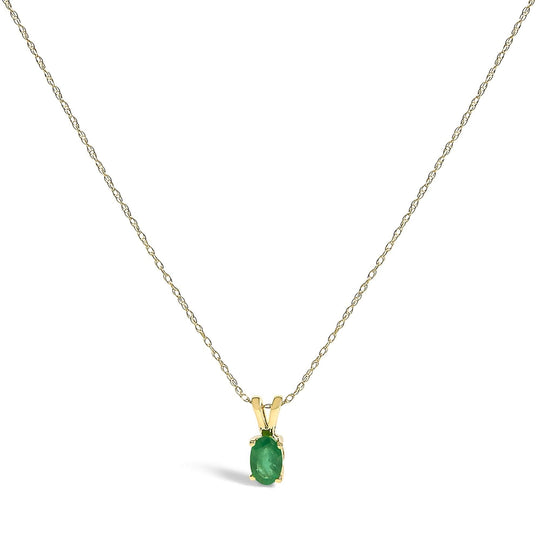
Colored gemstone solitaire pendants replace diamond entirely within the solitaire format while introducing color as the primary visual attribute. A blue sapphire solitaire in white gold delivers a strong cool-toned focal point at the neckline; a ruby solitaire in yellow gold reads as warm and bold. The solitaire format works particularly well with colored stones because no surrounding diamonds compete with or dilute the stone's color presence. Sapphire, ruby, emerald, and topaz are the most commonly chosen gemstones for colored solitaire pendants.

What chain length is best for a solitaire pendant?

An 18 inch chain is the most versatile length for a solitaire pendant, positioning the stone at or just below the collarbone on most adults where it reads clearly and suits most necklines. A 16 inch chain sits higher and suits formal or crew-neck styling. A 20 to 22 inch chain positions the pendant lower on the chest and suits open necklines or layered looks where the pendant reads at longer range. The pendant's size should guide chain selection: smaller stones benefit from shorter chains that keep them closer to eye level.

How are solitaire pendants stored without damage?

Solitaire diamond pendants should be stored separately from other jewelry because the diamond will scratch any metal or gemstone it contacts during storage. Clasping the chain before storage and placing the pendant in a soft pouch or separate compartment prevents both chain tangling and stone-on-metal scratching. A lined jewelry box with a dedicated pendant compartment or a hanging pendant organizer are the most practical storage solutions. Avoid storing multiple pendants loose in the same compartment.

Are solitaire pendants different from solitaire necklaces?

Solitaire pendants and solitaire necklaces describe the same format from different reference points. A solitaire pendant refers to the focal stone-and-setting component; a solitaire necklace refers to the complete chain-and-pendant combination. When shopping, both terms indicate a single-stone design on a chain rather than a multi-stone or decorative necklace. Browse solitaire necklaces for the full range of complete solitaire chain-and-pendant necklace configurations.

How does a solitaire pendant compare to a solitaire ring?

Solitaire pendants and solitaire rings both isolate a single stone as the sole visual element, but differ in wear context and practical requirements. A pendant sits at neckline level with minimal daily contact, making setting and stone choices more flexible than a ring. A ring encounters far more daily contact and impact, placing higher demands on prong security and stone hardness. Solitaire pendants are the lower-maintenance format and suit buyers entering the solitaire format before committing to a ring investment. Browse solitaire rings for the ring format of the same design principle.

Are solitaire pendants available in sterling silver?

Solitaire pendants are available in sterling silver, providing the single-stone format at a lower material cost than gold. Sterling silver solitaire pendants typically feature cubic zirconia or semiprecious stones rather than diamonds, delivering the solitaire aesthetic at a very accessible price point. The silver tone suits the cooler visual register of white topaz, blue topaz, and amethyst solitaire stones particularly well. Browse silver pendants for the full range of sterling silver pendant options including solitaire styles.

Your Bag
Subtotal (tax excl.) $0
 
Example
Example
Example
(0 )
Example
View detail
Example
Example
Option1
Option2
Option3
Option1
Option2
Option3
Sold out
Quantity
Add To Cart
Buy Now
Compare
Add Wishlist
Share:
0
0