What Are Cable Chains and When to Use Them?
What Cable Chains Are and How They're Constructed
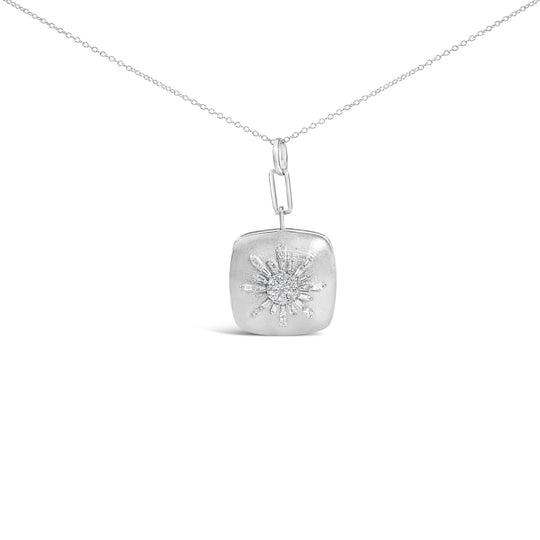
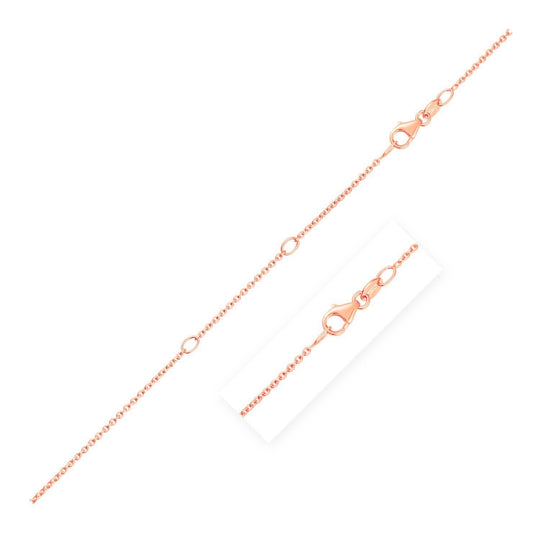
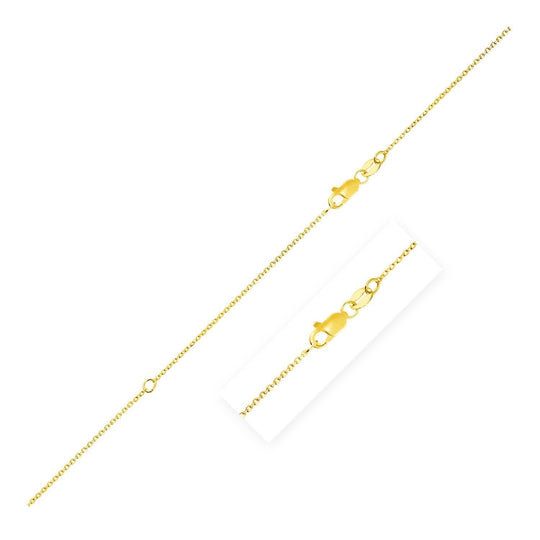
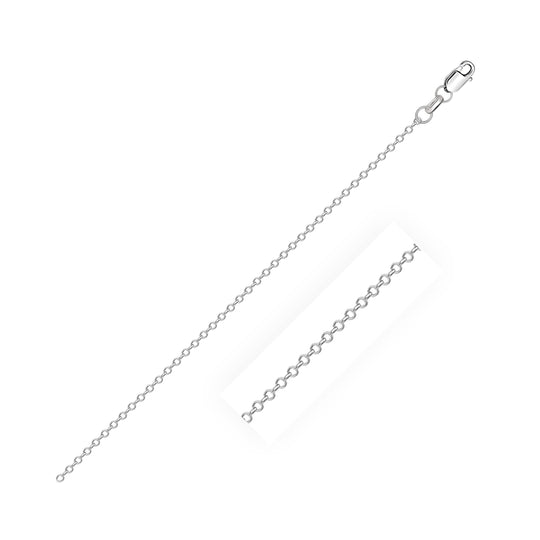
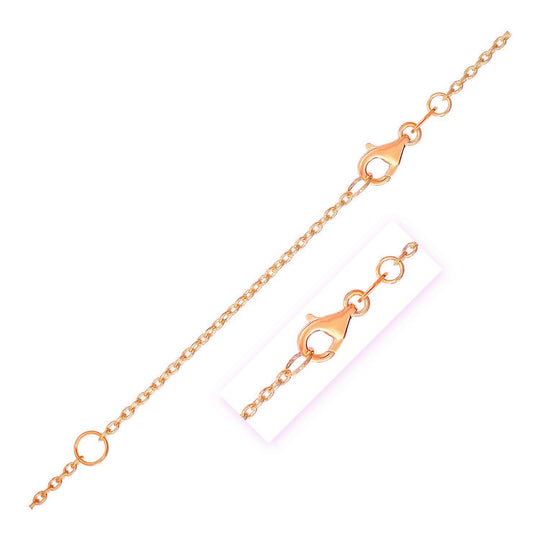
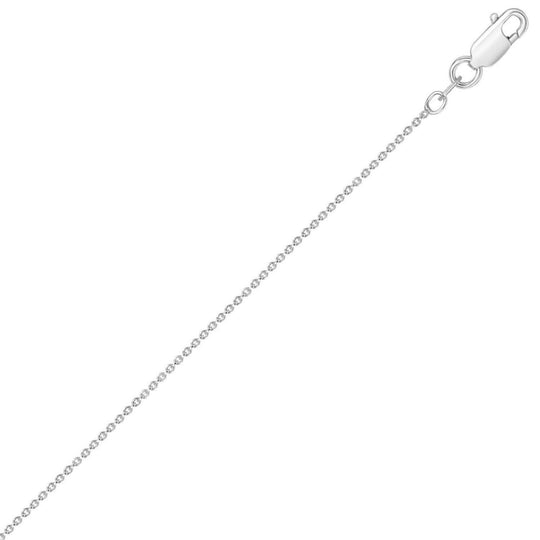
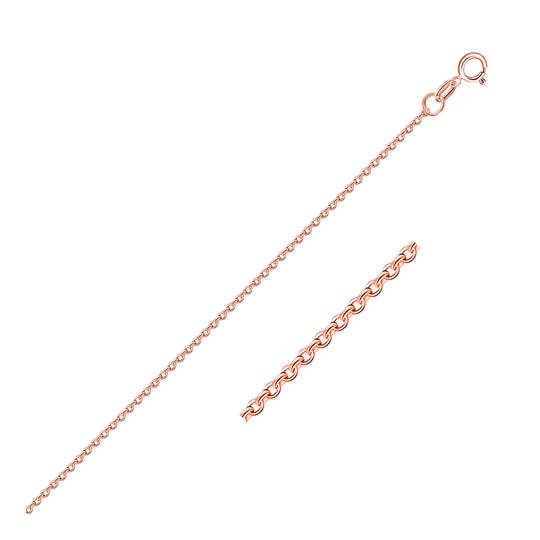
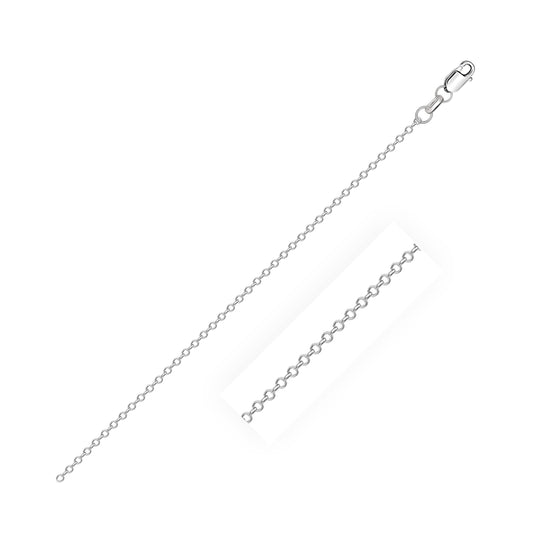
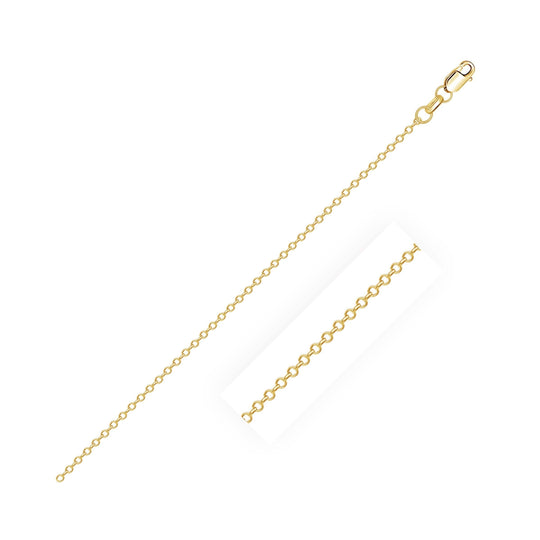
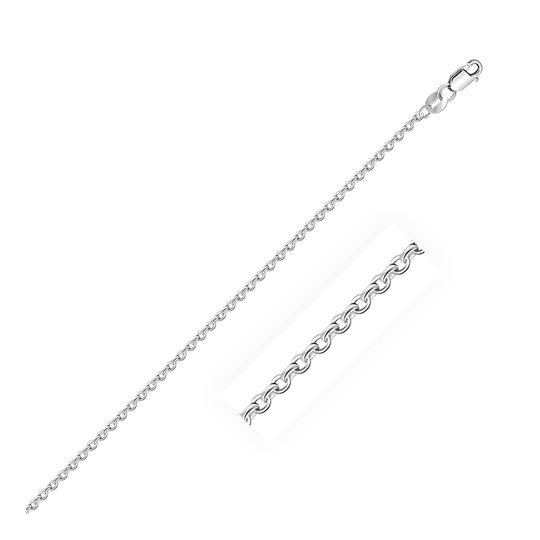
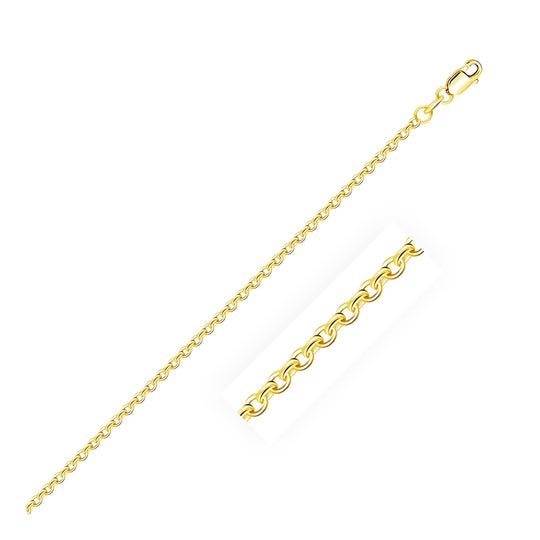
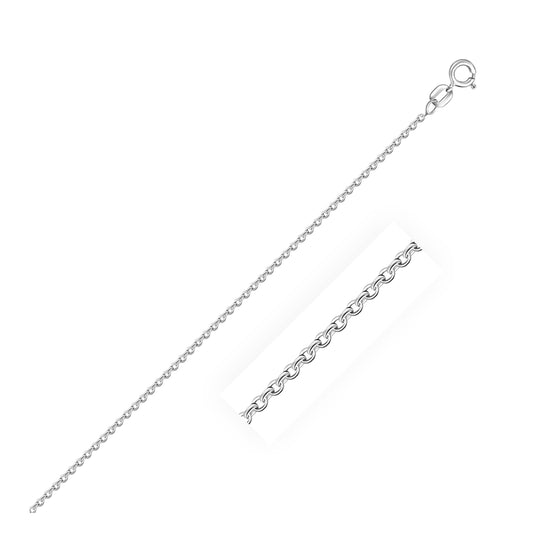
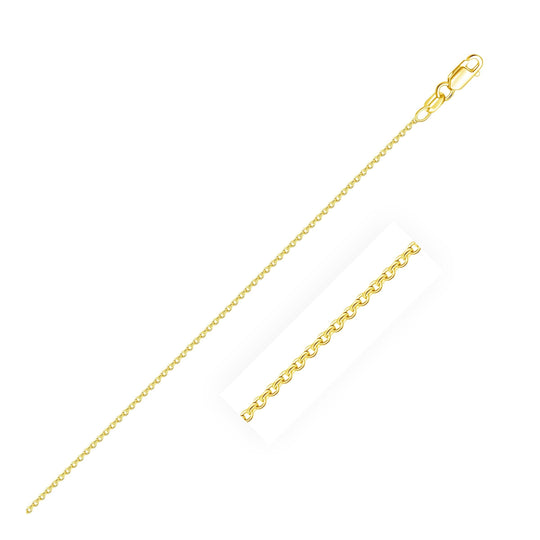
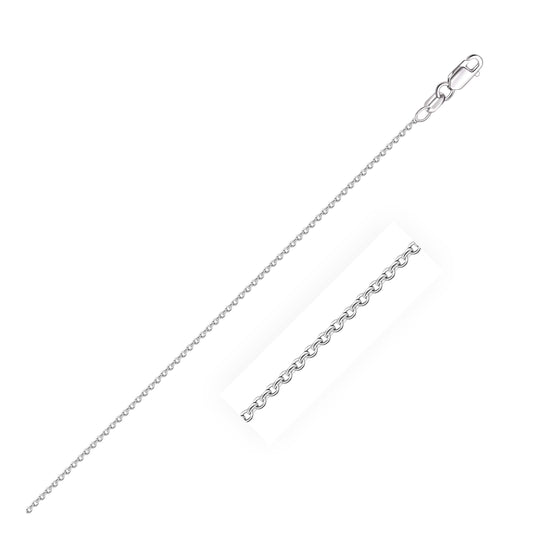
A cable chain consists of oval or round links connected in alternating orientations, each link perpendicular to the next, creating the most fundamental chain construction in fine jewelry. The alternating link orientation gives cable chains a natural drape and flexibility. Cable is the standard chain for pendant necklaces and is equally versatile worn solo. For chains with faceted, light-catching links, browse sparkle chains.
Gold Cable Chains
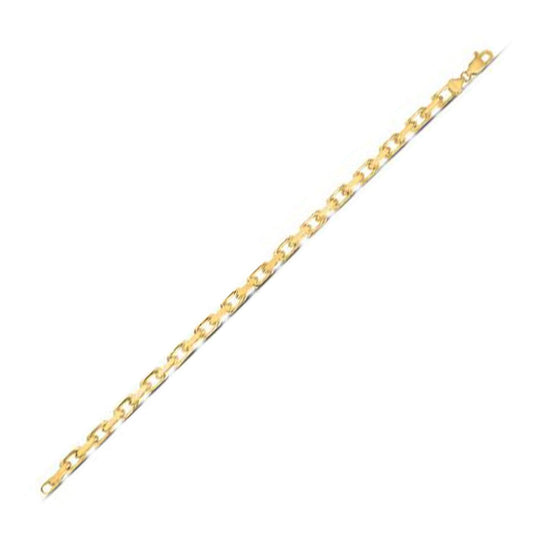
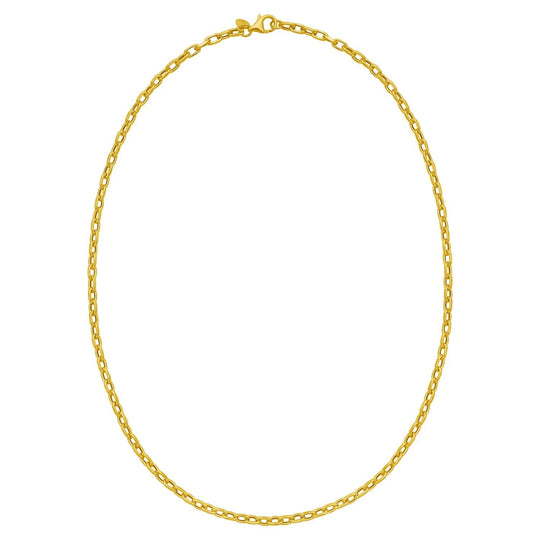
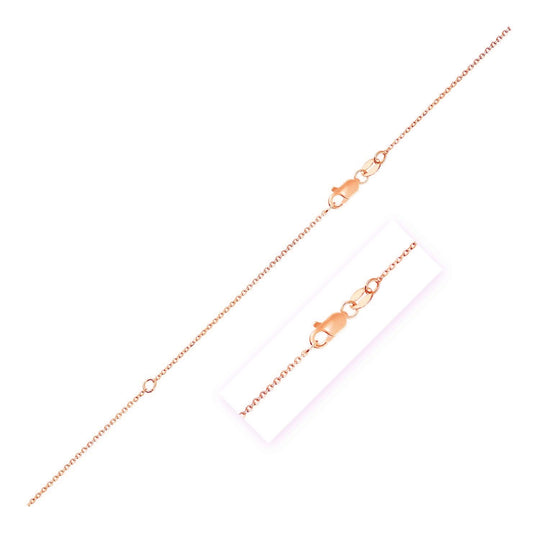
Gold cable chains are available in 10k, 14k, and 18k across yellow, white, and rose finishes. 14k yellow gold cable chains are the most widely purchased gold chain because of their versatility, durability, and accessible price relative to 18k. At 1mm to 2mm, a gold cable chain works well as a solo everyday piece or as a pendant chain. For the full gold chain range, browse gold chains.
Sterling Silver Cable Chains
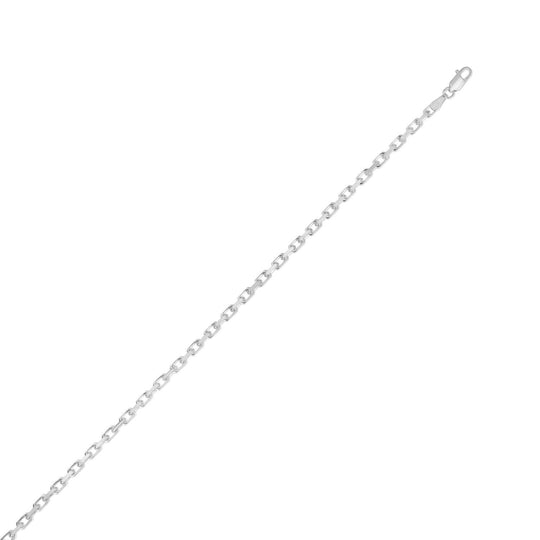
925 sterling silver cable chains provide the same clean, alternating oval-link construction at a lower price point than gold. Sterling silver cable chains are the most common format for buyers new to fine metal chains. They require periodic polishing to manage tarnish, which is the main maintenance difference compared to gold. For the full sterling silver chain range, browse silver chains.
Cable Chains in the Full Necklace Range
Cable chain is the most versatile construction in a full necklace range that also includes box, rope, figaro, Byzantine, and curb styles. The cable pattern's simplicity makes it the most compatible with pendants and the most adaptable to different necklines and layering combinations. For chains with woven and patterned surfaces, browse textured chains. Every order ships free with a 30-day return policy.