Choosing Sapphire Necklaces: Color, Setting, and Occasion
What Makes Sapphire a Strong Choice for Necklaces
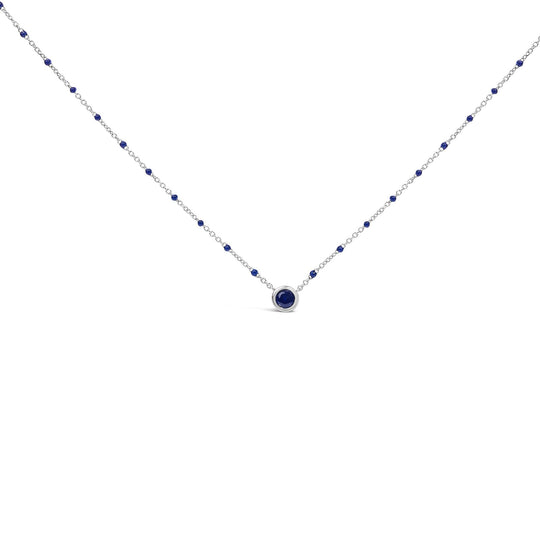
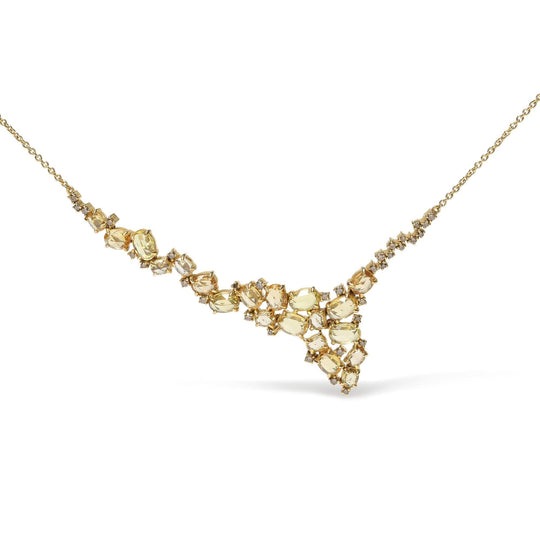
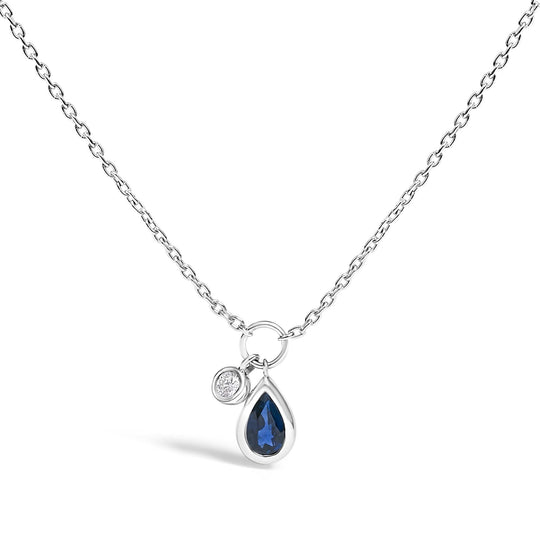
A sapphire pendant at the neckline serves a different visual function than a diamond necklace. Where diamonds create sparkle, sapphires create color, and at the collarbone, color reads with significant presence and intention. Deep blue sapphires in white gold settings produce the most formal, classic collarbone look. Pink and yellow sapphires read as warmer and more contemporary. Ceylon blue sapphires, lighter and brighter in tone, read well in everyday wear contexts where a vivid dark stone might feel heavy. Browse sapphire jewelry for the full sapphire range across all jewelry types.
Sapphire Pendant vs. Multi-Stone Sapphire Necklaces
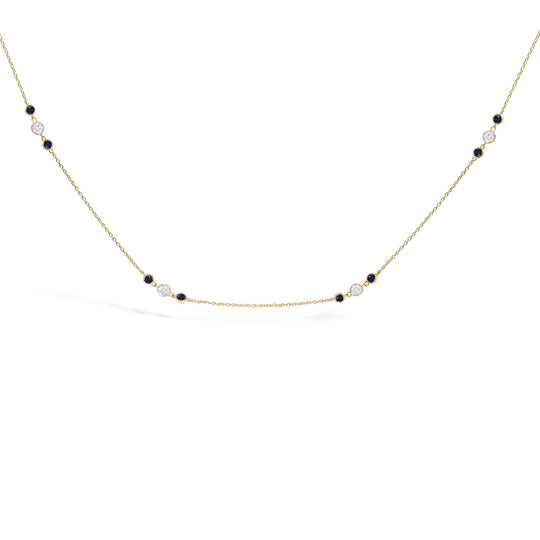
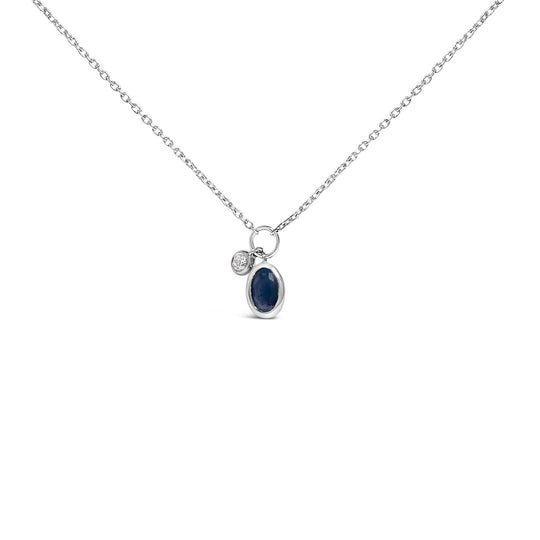
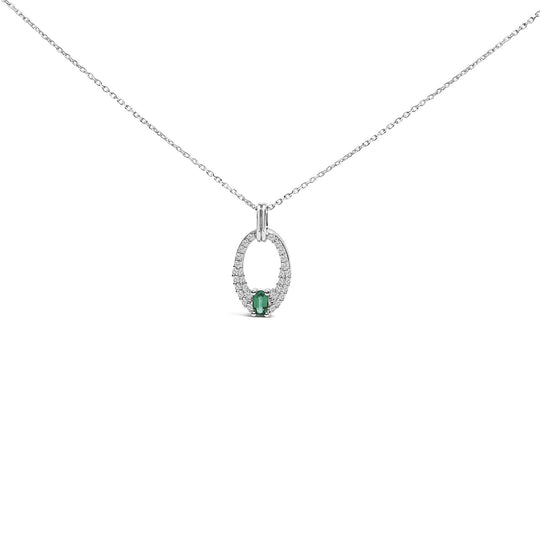
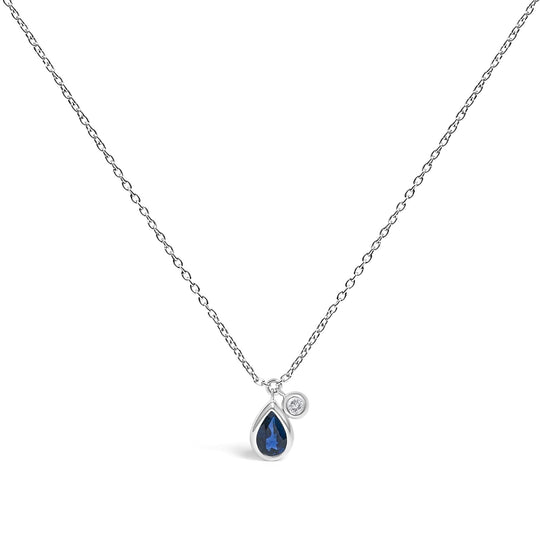
Sapphires are almost universally presented in pendant form for necklaces, with the stone as a focal element on a plain chain. A solitaire sapphire pendant shows the stone in isolation; a halo design surrounds it with smaller diamonds for added presence. Station necklaces with multiple smaller sapphires distribute the color across the necklace length. A small sapphire in a simple setting typically works better than a large statement piece for everyday wear, as the gemstone's rich color makes bold sizes read very strongly. Browse sapphire rings for cross-reference on sapphire quality.
Setting and Metal Choices for Sapphire Necklaces
White gold is the most widely chosen metal for blue sapphire necklaces because the neutral backdrop allows the blue to read as purely as possible. Yellow gold creates a richer, more traditional pairing and was historically the setting metal for fine sapphire jewelry. For pink and orange sapphires, rose gold creates a harmonious warm-toned combination. Chain weight should match stone size: a small sapphire under 5mm needs a chain no heavier than 1.5mm; larger sapphires above 8mm can carry a 2mm to 2.5mm chain without the pendant spinning or tilting. Browse gold necklaces for gold chain options.
Quality Criteria When Buying a Sapphire Necklace
Color is the dominant quality criterion in sapphires, not clarity. A vivid, evenly saturated stone with good transparency is worth more than a paler, cleaner stone. Look for depth of color: the sapphire should maintain its richness in different lighting conditions, not only under bright light. Avoid stones that look near-black in normal indoor lighting, as that depth suggests poor transparency. Most natural sapphires have inclusions, which are acceptable as long as they don't reduce transparency or create visible breaks in the color. Browse diamond necklaces for comparison with diamond necklace quality considerations. Every order ships free with a 30-day return policy.