Skip to content
Every order ships free with a 30-day return policy  ·  Browse new arrivals
Round Rings

Round Rings

Round Rings in Gold and Silver

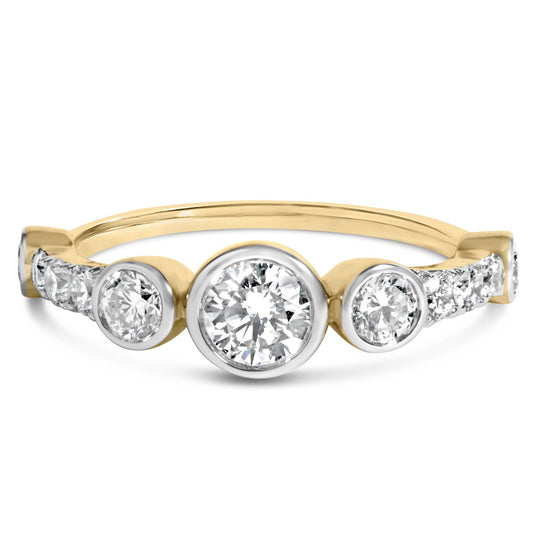
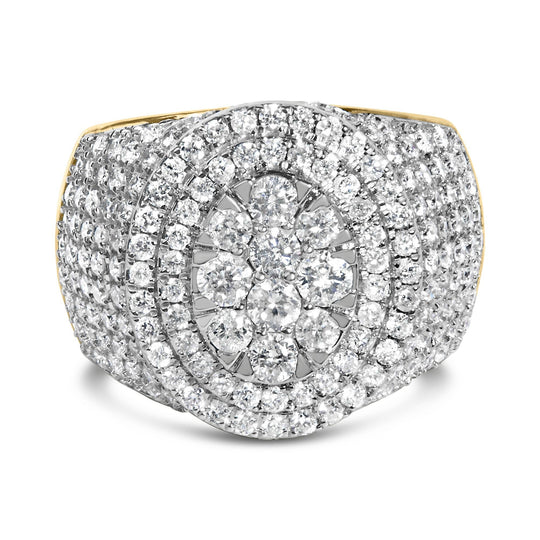
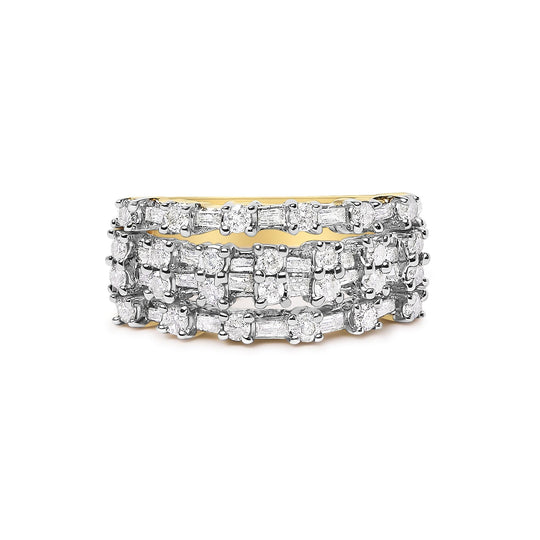
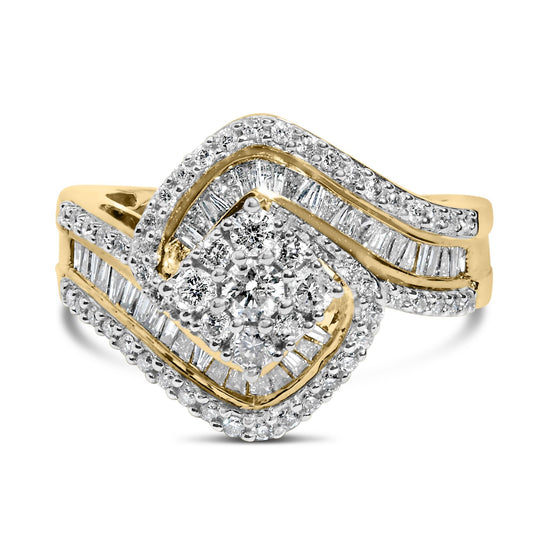
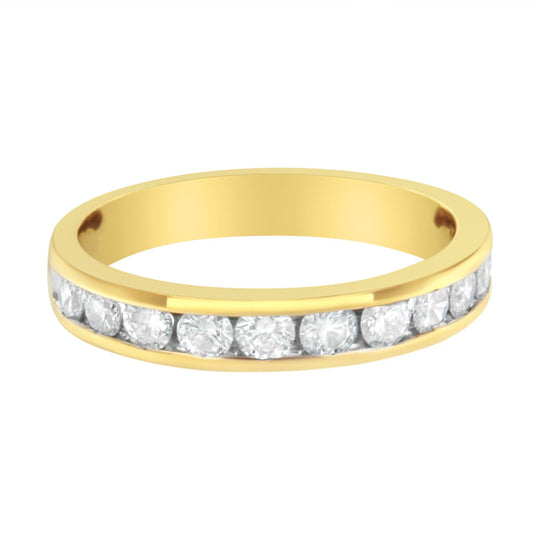
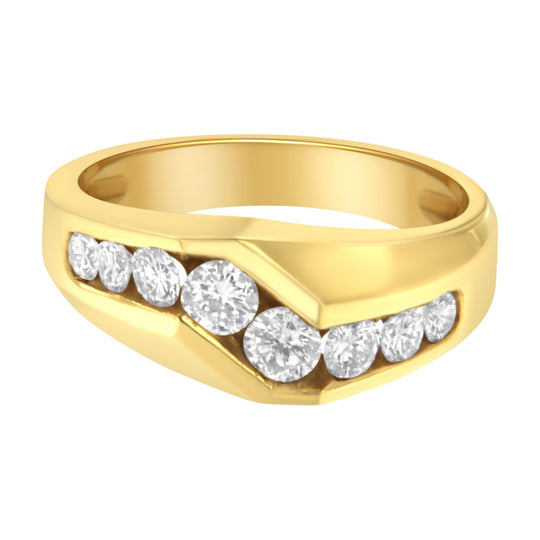
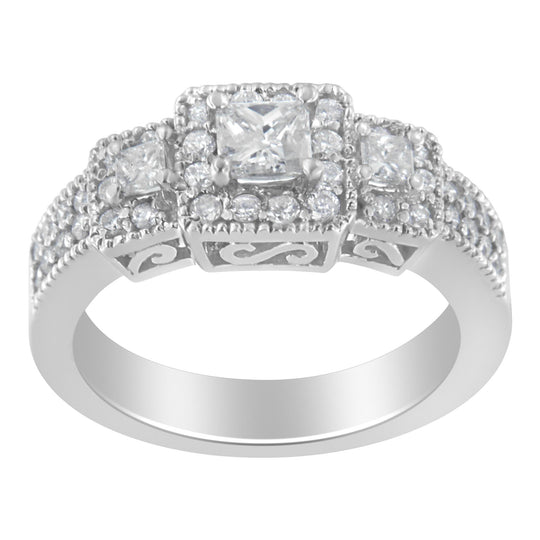
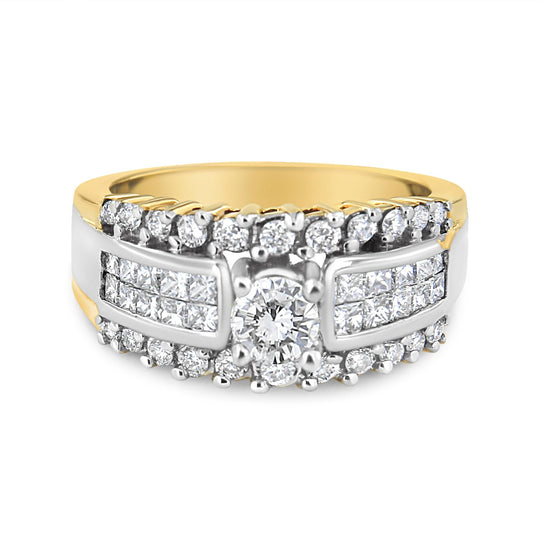
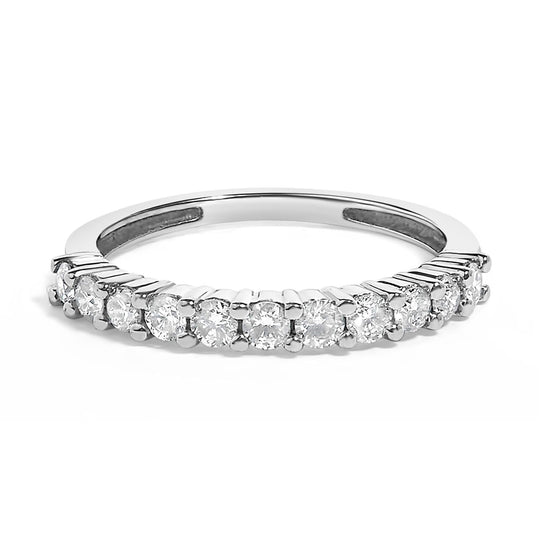
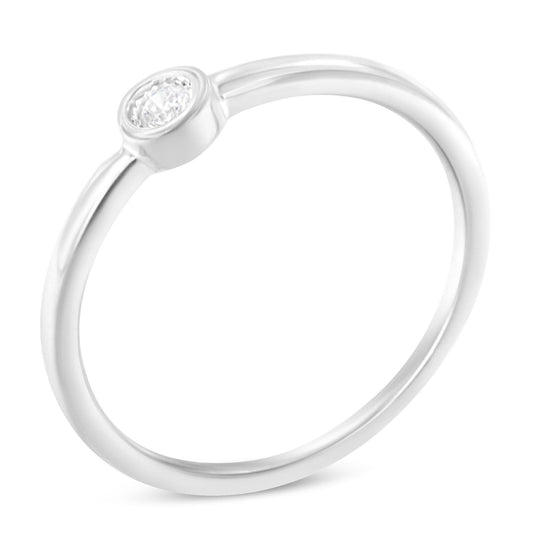
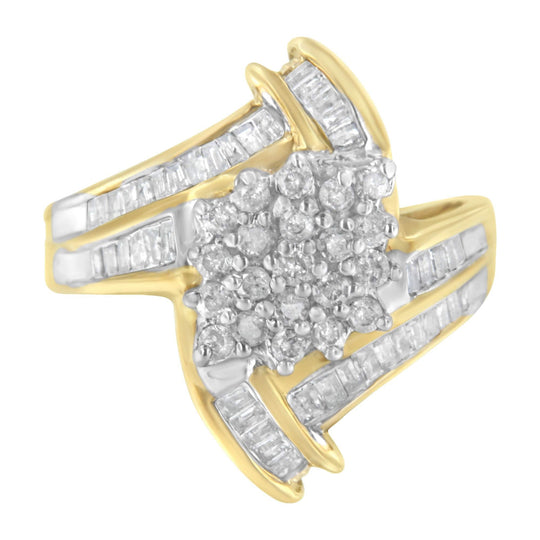
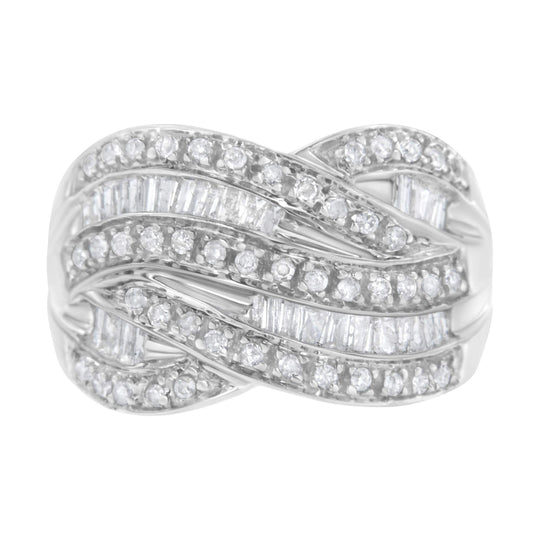
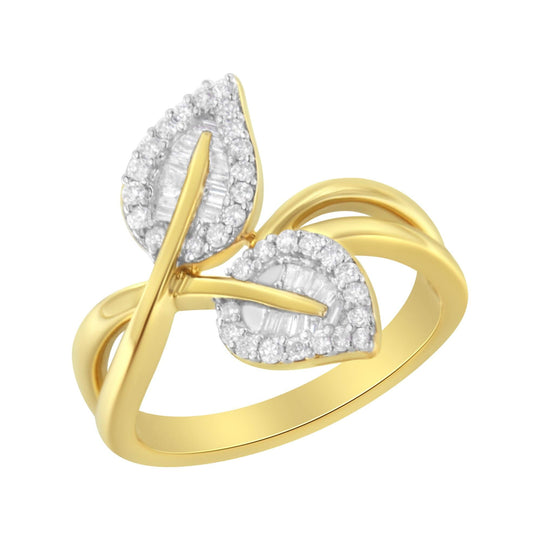
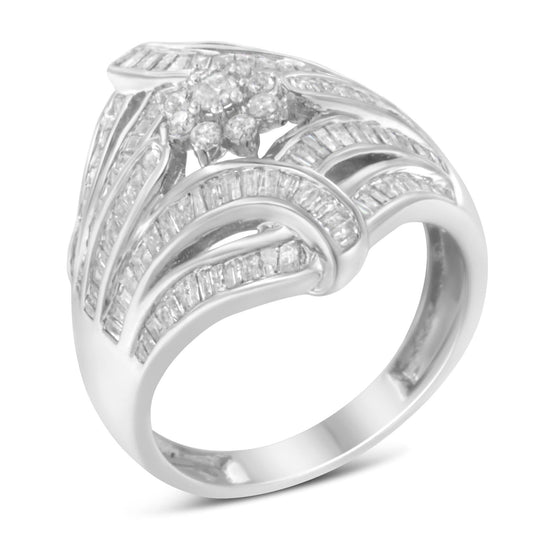
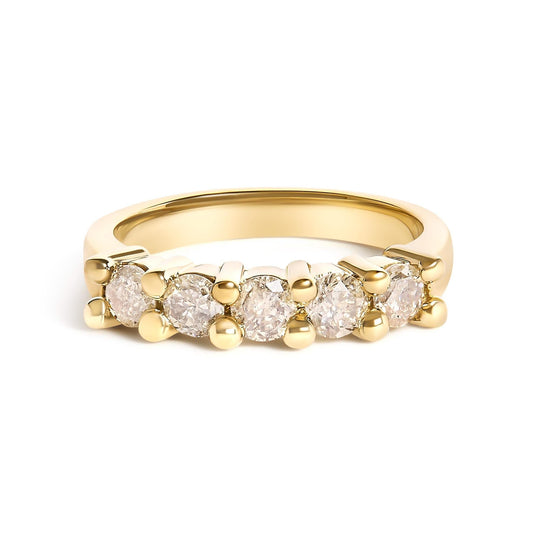
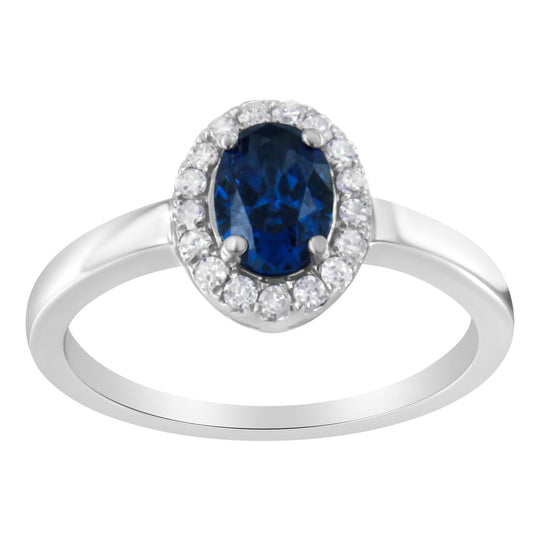
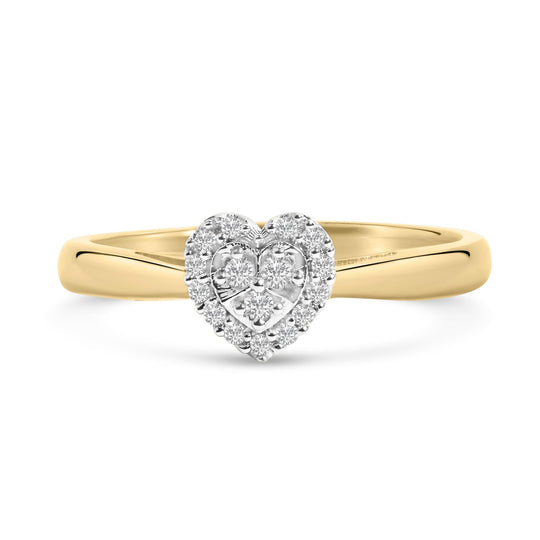
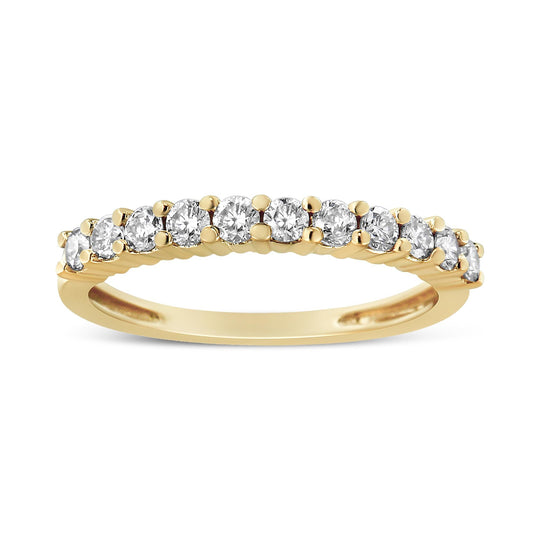
Round cut stones dominate ring settings for a clear reason: the cut's symmetry and light performance work equally well in solitaire, halo, and multi-stone configurations. Oath's round rings cover engagement styles, fashion rings, gemstone settings, and plain band designs in 10K, 14K, and 18K gold, white gold, rose gold, and sterling silver. Ships free on every round ring order, with a 30-day return window.

  • Genuine Gemstones
  • Free Shipping
  • 30-Day Returns

Round Cut Rings: The Most Purchased Diamond Ring Shape

Why the Round Brilliant Is the Standard Diamond Ring Shape

The round brilliant cut accounts for the majority of all diamond ring sales globally because its 57 to 58 facet geometry maximizes light return, brilliance, and fire across the widest range of lighting conditions. No other diamond shape performs as consistently in different environments. The symmetrical form also means slight variations in color or clarity are less visible than in step cuts or elongated shapes, giving buyers more value per carat at a given quality grade. For the full range of diamond ring configurations across every shape and setting, diamond rings covers every available style.

Round vs. Oval: The Two Most Popular Shapes Compared

Oval is the most popular alternative to round, and the comparison comes down to two practical differences. Oval spreads its carat weight across a larger face-up surface area, making it appear larger per carat than round, and the elongated shape creates a slimming effect on the finger. Round produces more symmetrical brilliance with no bow-tie shadow, a light leakage pattern common in elongated shapes. Buyers who prioritize maximum apparent size typically lean toward oval; buyers who prioritize consistent sparkle typically choose round. For buyers comparing both shapes directly, oval rings covers the full oval ring range.

Gold Settings for Round Cut Rings

White gold is the most purchased metal for round brilliant rings because its neutral tone recedes behind the stone's brilliance rather than adding competing warmth. Yellow gold pairs well with round diamonds that have slightly lower color grades, where the warm metal complements rather than contrasts with the stone's warmth. Rose gold round rings are a less conventional choice with a softer character that suits certain styling contexts. All three are available in 14K and 18K. For the full gold ring range across all settings and karat options, gold rings covers every format available.

Round Cut Within the Full Ring Category

Round brilliant is the most widely available shape across all price points and setting configurations, making it the easiest shape to find in any specification. For buyers comparing round against oval, cushion, princess, and other shapes before deciding, the full rings collection covers every shape, setting, and metal combination available. Every order ships free with a 30-day return policy.


Frequently Asked Questions

Why is the round brilliant cut so popular for rings?

The round brilliant cut has 57 or 58 facets arranged in a specific geometry that maximizes light return, brilliance, and fire across the widest range of lighting conditions. No other diamond shape performs as consistently across different environments. The round shape is also the most symmetrical, which makes slight variations in color and clarity less visible than in step cuts or elongated shapes. These properties combine to make it the most purchased and most widely versatile diamond ring shape.

What does GIA Excellent cut mean for a round diamond?

A GIA Excellent cut grade indicates the stone's proportions, symmetry, and polish fall within the range that produces optimal light performance. For round brilliants, GIA grades cut in five categories from Excellent to Poor. An Excellent cut grade is the top tier and is the standard to target for engagement and milestone ring purchases. Triple Excellent (Excellent in cut, symmetry, and polish) is the most precise specification and the one found in premium round diamond rings.

How does a round diamond compare to other shapes in brilliance?

The round brilliant produces the highest brilliance of all diamond shapes because its facet geometry is optimized for light return rather than visual character. Oval, pear, and marquise are modified brilliants that produce high but slightly lower brilliance. Step cuts like emerald and Asscher emphasize clarity and depth rather than sparkle. Cushion cuts produce more fire and colored light flashes. None match round for raw brightness, but many buyers prefer the visual character of other cuts over pure brilliance.

What setting works best with a round cut stone?

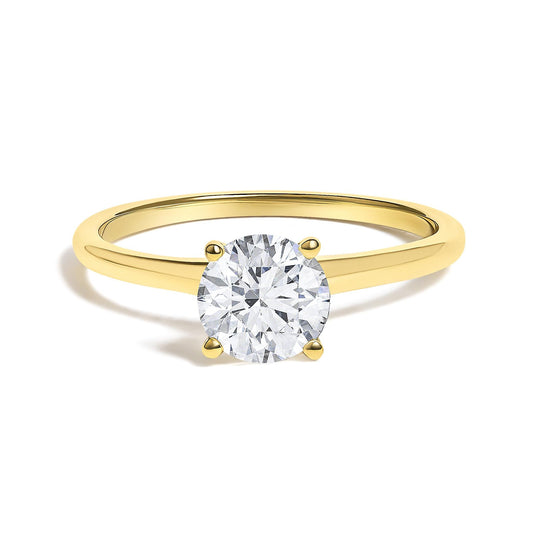
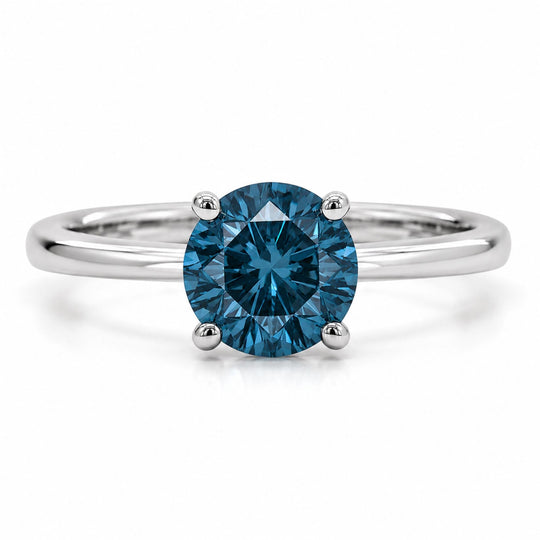
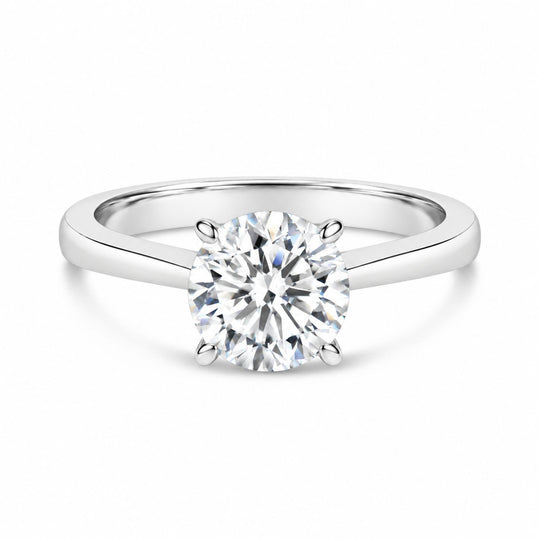
The four-prong solitaire is the most purchased setting for round brilliants because it exposes the maximum stone surface area while providing secure corner-free support. Six-prong settings provide more security. Bezel settings offer a modern alternative that wraps the stone in metal with no exposed prong tips. Halo settings surround the round stone with smaller diamonds, increasing the visual presence. The round stone works in every setting type because its symmetry adapts to all configurations without the alignment challenges of elongated shapes.

What carat size should I choose for a round diamond ring?

A 0.5ct round brilliant measures approximately 5.1mm in diameter and reads clearly on the hand. A 1.0ct round is approximately 6.5mm and is the most requested size for engagement rings. A 1.5ct is 7.4mm and reads as a noticeable statement. Size preference is personal and should be calibrated to hand size and lifestyle context. Buyers with smaller hands often find 0.75 to 1.0ct ideal; buyers with larger hands or stronger stone preferences lean toward 1.25 to 2.0ct.

Do round diamonds appear larger or smaller than other shapes?

Round diamonds appear slightly smaller per carat than elongated shapes like oval, pear, and marquise. A 1.0ct round has a 6.5mm diameter face-up surface. A 1.0ct oval typically measures 7.5 to 8mm in length. The elongated shapes spread their carat weight across a larger face-up footprint, creating the impression of a larger stone. For buyers who want maximum apparent size per carat, oval and marquise are the more efficient choices. Round diamonds compensate with superior brilliance.

Is the bow-tie effect a concern for round cut diamonds?

The bow-tie effect is a shadow pattern that appears in the center of elongated shapes, particularly oval, pear, and marquise diamonds, caused by light leakage through the center facets. Round brilliant cuts do not exhibit the bow-tie effect because their symmetrical geometry prevents the asymmetric shadow formation. This is one practical advantage of round over elongated shapes: the sparkle pattern is more predictable and less variable from one stone to another.

Is the round brilliant cut the best choice for an engagement ring?

Round brilliants account for the majority of diamond engagement ring purchases because of their versatility, brilliance, and wide availability at all price points. For buyers who want the most consistently sparkly stone in the most universally flattering shape, round is the safest choice. For buyers who want something more distinctive, oval, cushion, and pear shapes offer strong alternatives with their own character. The round's advantage is that it works in every setting and suits every aesthetic. For the complete engagement ring range across all shapes, browse engagement rings.

How does a round cut compare to a cushion cut diamond?

Round and cushion are the two most purchased diamond shapes for engagement rings. Round produces higher raw brilliance; cushion produces more fire, the colored light flashes that scatter through the stone. Round is more modern in its aesthetic; cushion has a softly vintage, romantic character from its rounded corners. Cushion stones typically appear slightly larger face-up at the same carat weight. For buyers deciding between the two, the choice usually comes down to whether they prefer consistent brightness or more colorful light play. Browse cushion rings for a direct comparison.

What is the most popular setting for a round cut ring?

The four-prong solitaire in white gold is the most purchased setting for round diamond rings globally. It exposes the maximum stone surface area, maximizes light return through the table and crown, and allows the stone to be the complete visual focus. Six-prong solitaires are the second most popular, providing slightly more security. Halo solitaires, which surround the round stone with small accent diamonds, are the fastest-growing engagement ring configuration. For the full range of solitaire ring styles across all shapes, browse solitaire rings.

×
.925 10k Rose Gold Over Sterling Silver 1.0 cttw Diamond Floral Link Bracelet (I-J Color,I3 Clarity)
10K rose gold bracelet with floral-link diamond clusters totaling 1.0 carat .925 10k Rose Gold Over Sterling Silver 1.0 cttw Diamond Floral Link Bracelet (I-J Color,I3 Clarity)-1
Floral clusters of diamonds link end to end along this bracelet, each blossom-shaped station connecting to the next for a...
Regular price
$449.98
Sale price
$449.98
Your Bag
Subtotal (tax excl.) $0
 
Example
Example
Example
(0 )
Example
View detail
Example
Example
Option1
Option2
Option3
Option1
Option2
Option3
Sold out
Quantity
Add To Cart
Buy Now
Compare
Add Wishlist
Share:
0
0