Skip to content
Every order ships free with a 30-day return policy  ·  Browse new arrivals

Rose Gold Necklaces

Rose Gold Necklaces in Every Length and Design

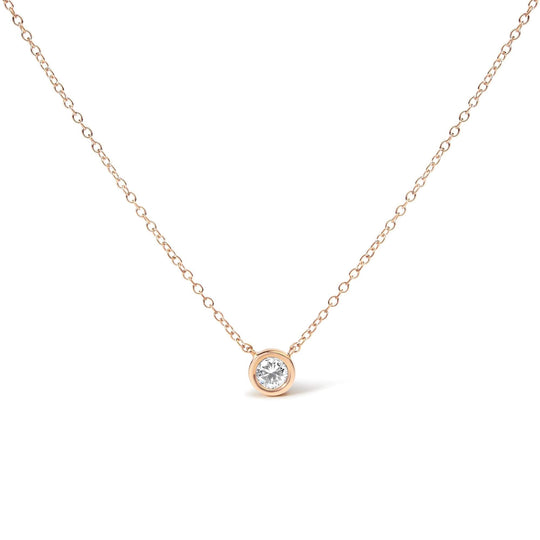
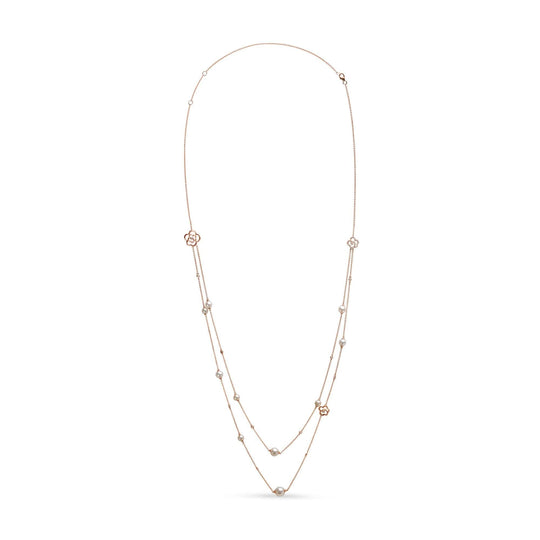
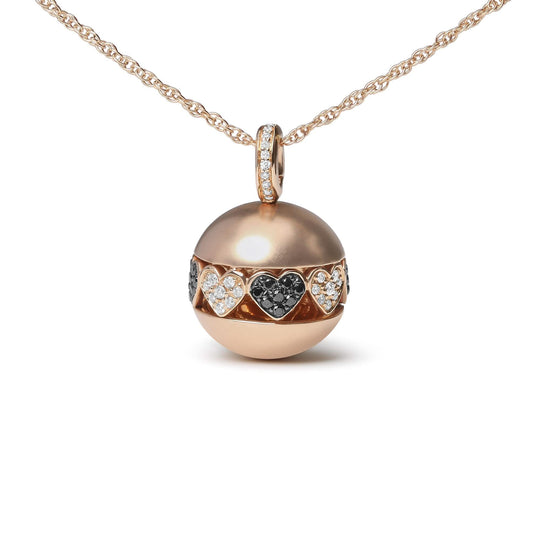
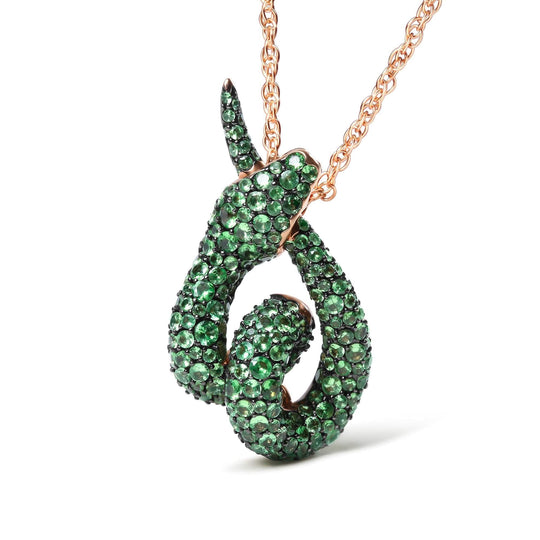
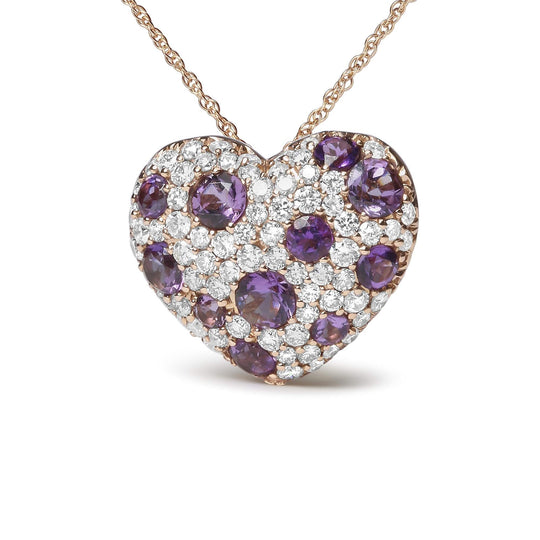
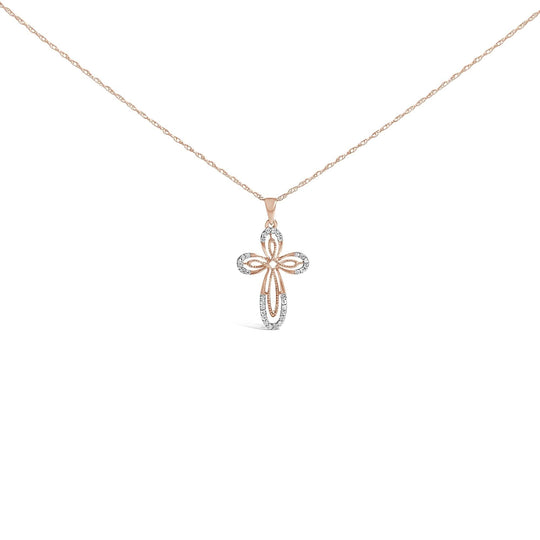
Rose gold necklaces work particularly well in pendant form, where the warm, blush tone of the metal adds character alongside the stone or shape the pendant carries. Oath's rose gold necklaces collection covers chain styles, pendant necklaces, and layering pieces in 10K, 14K, and 18K, across lengths suited to both subtle everyday wear and more visible designs. Ships free on every rose gold necklace order, with a 30-day return policy.

  • Genuine Gemstones
  • Free Shipping
  • 30-Day Returns

How to Choose the Right Rose Gold Necklace

Why Rose Gold Works So Well for Necklaces

Rose gold gets its distinctive blush tone from copper in the alloy, which is intrinsic to the metal rather than applied as a surface coating. This means a rose gold necklace keeps its color over time without re-plating. The warm tone sits visibly against most necklines and skin tones, making it effective as both a plain chain and a pendant setting. Buyers starting with the broader gold necklace category can compare all three finishes at gold necklaces.

Rose Gold Necklace Styles to Consider

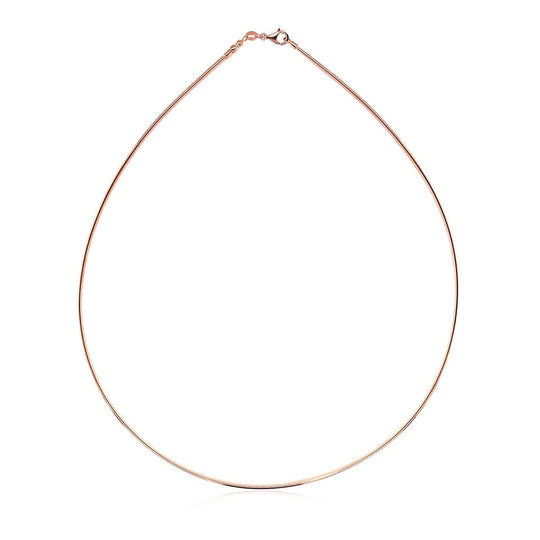
Rose gold necklaces range from fine chains in rope and cable constructions to more substantial curb and figaro styles. The metal's warm tone enhances stones like morganite, pink sapphire, and garnet, which share its blush register. Plain polished rose gold chains work well alone or as layering pieces with other warm-metal jewelry. For buyers who want to see how the rose gold aesthetic translates to other jewelry types, rose gold earrings provides a direct comparison.

How Rose Gold Compares to Yellow and White Gold Necklaces

Rose gold contains more copper than yellow gold at the same karat, giving it a deeper, pinker tone and slightly more structural hardness. Unlike white gold, rose gold needs no re-plating because its color comes from the alloy rather than a surface coating. It occupies a useful middle ground visually: warmer than white gold, more contemporary than yellow gold. Buyers who want to compare the yellow finish directly can see the same necklace silhouettes in yellow gold necklaces.

Caring for Rose Gold Necklaces

Rose gold necklaces are lower maintenance than white gold because no re-plating is required. The color is permanent in the alloy. Clean with warm soapy water and a soft brush, rinse thoroughly, and dry with a lint-free cloth. Avoid prolonged exposure to chlorine, which can weaken copper alloys over time. Store separately in a pouch or lined jewelry box to prevent surface scratches. For care guidance across all gold pieces, gold jewelry covers the full range. Every order ships free with a 30-day return policy.

Frequently Asked Questions

What is rose gold made from?

Rose gold is pure gold mixed with copper, with sometimes small amounts of silver to adjust the tone. The copper gives the alloy its characteristic pink color, and a higher copper proportion produces a deeper, more saturated pink. Most rose gold necklaces use 14K or 18K formulations, where the remainder after the gold content is primarily copper. The pink tone is intrinsic to the alloy composition rather than a coating, which means it does not wear off.

Does a rose gold necklace tarnish?

Rose gold does not tarnish the way sterling silver does. The copper in the alloy can oxidize slowly over time, which may cause a very gradual deepening of the pink tone, but this process is extremely slow and does not damage the piece. Unlike white gold, rose gold does not require re-plating. Routine cleaning with warm soapy water and a soft cloth is sufficient to keep the surface looking its best. For how gold compares to silver and platinum on tarnish, cost, and wear, read the precious metals comparison.

How does rose gold compare to white gold for necklaces?

Rose gold has a warm, pink tone and requires no re-plating, as its color is intrinsic to the alloy. White gold has a cool, bright appearance and requires periodic rhodium re-plating as the surface coating wears. Both are gold alloys with comparable structural properties at the same karat. For necklaces worn daily without maintenance requirements, rose gold has a practical advantage.

Is rose gold durable enough for everyday necklace wear?

Rose gold necklaces at 14K are durable enough for daily wear. The copper content in the alloy makes rose gold slightly harder than yellow gold at the same karat, contributing to scratch resistance. Chain constructions hold up well at 14K for most daily activities. The main care requirements are avoiding prolonged chlorine exposure and storing carefully to prevent chain tangling and surface scratching.

What skin tones suit rose gold necklaces best?

Rose gold pairs well with warm and olive skin tones most distinctively, where the pink metal complements the skin's undertones. Most buyers find rose gold flattering regardless of undertone because the pink is subtle rather than saturated. The blush tone creates a soft contrast against fair and cool skin tones that many buyers find equally appealing.

Can a rose gold necklace be repaired?

Rose gold necklaces can be repaired by any skilled jeweler. Common repairs include replacing broken clasps, soldering split chain links, and tightening stone settings in pendant attachments. Unlike white gold, rose gold does not require re-plating after a repair, because the pink color comes from the alloy composition rather than a surface coating. Any soldered area may need polishing to restore the surface finish, but no additional metal treatment is required.

What gemstones pair best with rose gold necklaces?

Rose gold pairs most naturally with warm-toned stones that share its blush register, including morganite, pink sapphire, pink tourmaline, and garnet. It also creates effective contrast with cool stones like blue topaz and aquamarine. White diamonds set in rose gold produce a warmer, more romantic feel than the same setting in white gold.

Are rose gold pendants available to pair with rose gold chains?

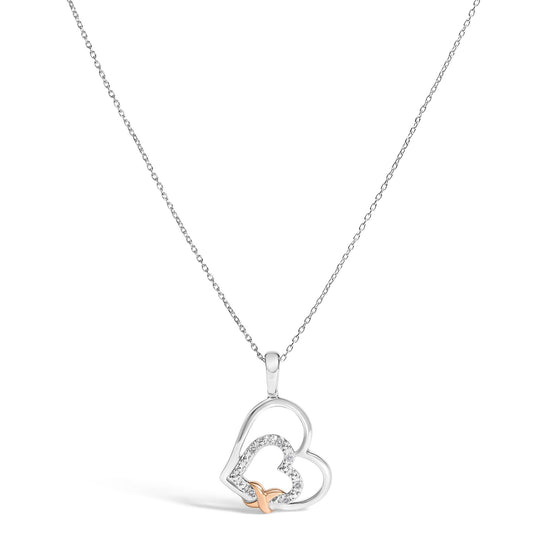
Pairing a rose gold chain with a dedicated rose gold pendant creates a cohesive look that works as both a standalone piece and as part of a layered necklace arrangement. The chain weight should match the pendant weight: fine chains suit small, lightweight pendants; heavier rope or curb chains balance larger settings. Browse rose gold pendants for the full range of available pendant designs in rose gold.

How should I store a rose gold necklace to prevent tangling?

Store each rose gold necklace individually in a separate soft pouch, or hang on a jewelry stand where chains hang freely. Flat storage in a lined drawer compartment with the clasp closed works well for longer chains. Avoid storing multiple necklaces loose in the same compartment, as contact between chains causes tangling and surface scratches. Browse rose gold bracelets for other rose gold jewelry that benefits from the same storage approach.

What is the difference between 14K and 18K rose gold necklaces?

In 14K rose gold, 58.3% of the metal is pure gold; in 18K, 75% is. 18K has a slightly purer color and a softer metal. 14K is harder and better suited to necklaces worn daily. 18K is the better choice for special occasion pieces where the richness of the metal is the priority. Both finishes produce the characteristic pink tone, though 14K tends to have a slightly more saturated pink due to its higher copper proportion.

Your Bag
Subtotal (tax excl.) $0
 
Example
Example
Example
(0 )
Example
View detail
Example
Example
Option1
Option2
Option3
Option1
Option2
Option3
Sold out
Quantity
Add To Cart
Buy Now
Compare
Add Wishlist
Share:
0
0