Skip to content
Every order ships free with a 30-day return policy  ·  Browse new arrivals

Lab Grown Diamond Jewelry

Real Lab Grown Diamond Jewelry in All Settings

Lab grown diamonds are chemically, physically, and optically identical to mined diamonds. The difference is origin, not quality. Oath's lab grown diamond jewelry collection covers rings, necklaces, earrings, bracelets, and pendants set in 10K, 14K, and 18K gold and platinum, with the same range of cuts, clarity grades, and styles available across the natural diamond collection. Ships free on every order, with returns accepted within 30 days of delivery.

The highest price is $24,300.35 Reset
$
$

Lab Grown Diamond Jewelry: What It Is and How to Choose

Lab Grown vs. Natural Diamonds: The Key Facts

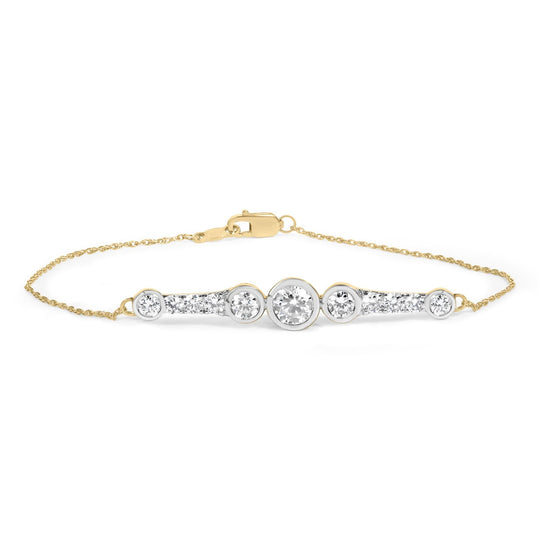
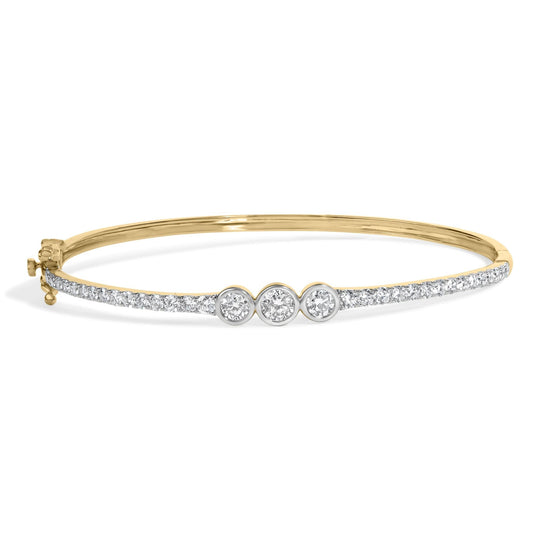
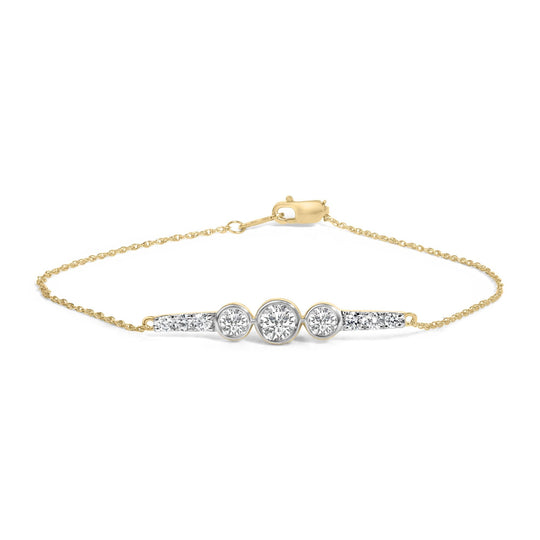
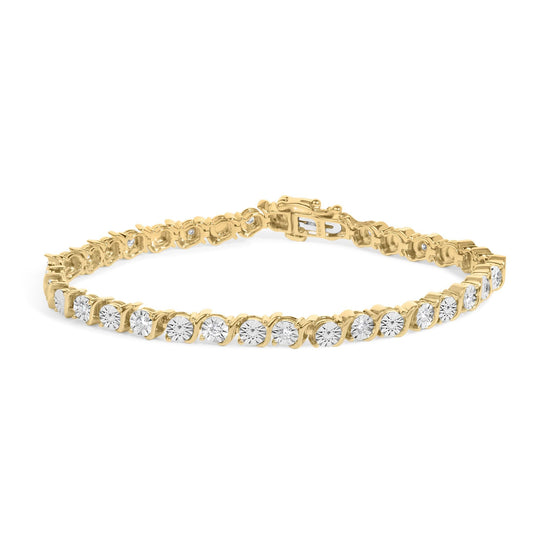
A lab grown diamond is physically, chemically, and optically identical to a mined diamond. Both are pure carbon in crystalline form and score 10 on the Mohs hardness scale. The difference is origin: mined diamonds form over billions of years under natural pressure; lab grown diamonds replicate that process in controlled environments using HPHT or CVD methods. The resulting stones are graded on the same 4Cs (cut, color, clarity, and carat) as mined diamonds, so the only difference a buyer sees is provenance, not appearance or durability. For lab grown diamonds set across the wrist, browse lab grown diamond bracelets.

Lab Grown Diamond Rings: The Most Popular Application

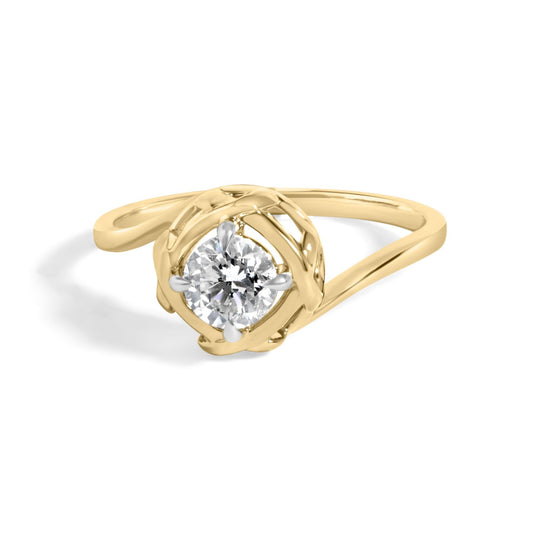
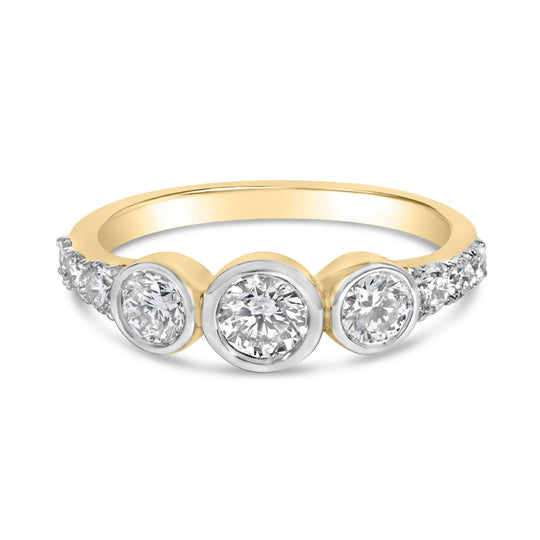
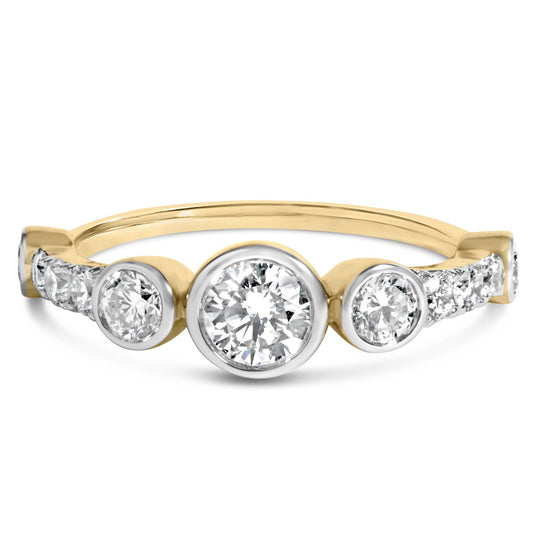
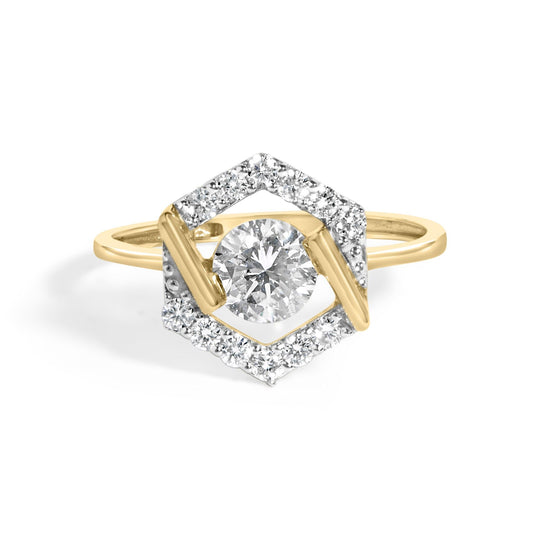
Lab grown diamonds are most frequently set in rings because the format maximizes the stone's visibility and positions it where cut and carat weight are most legible to observers. Solitaire settings show the stone most directly; halo settings add accent stones around the center. Rings are an especially common lab grown choice, since the center stone is the dominant visual element and buyers often want maximum carat size. For the full range of diamond ring styles and settings, browse diamond rings.

Lab Grown Diamond Necklaces and Pendants

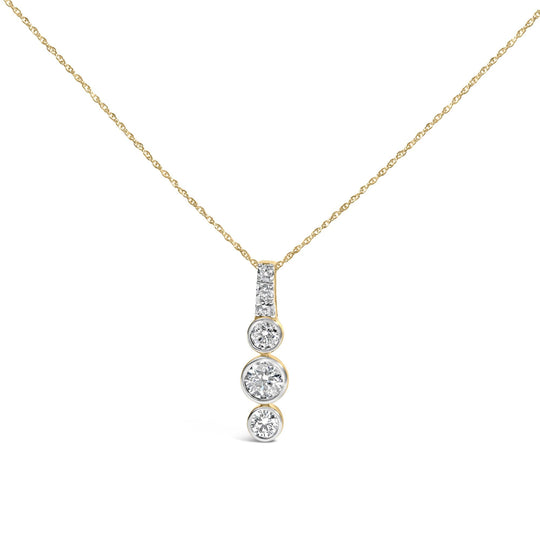
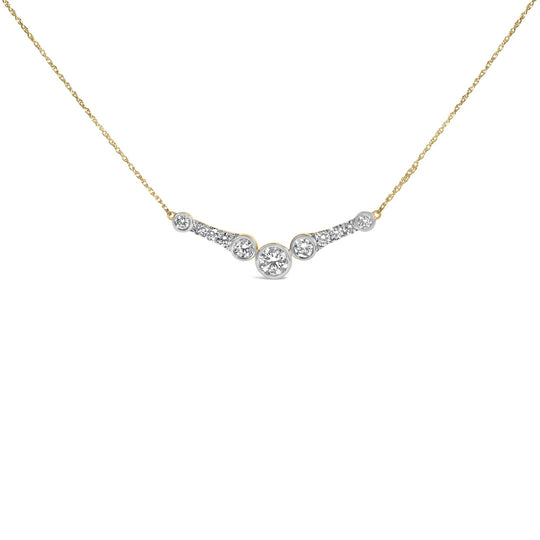
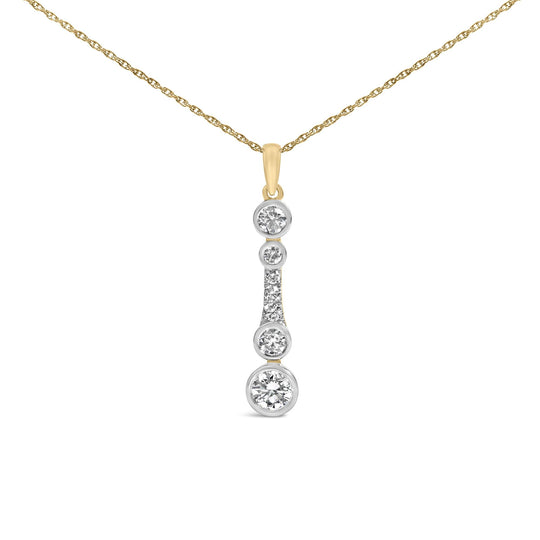
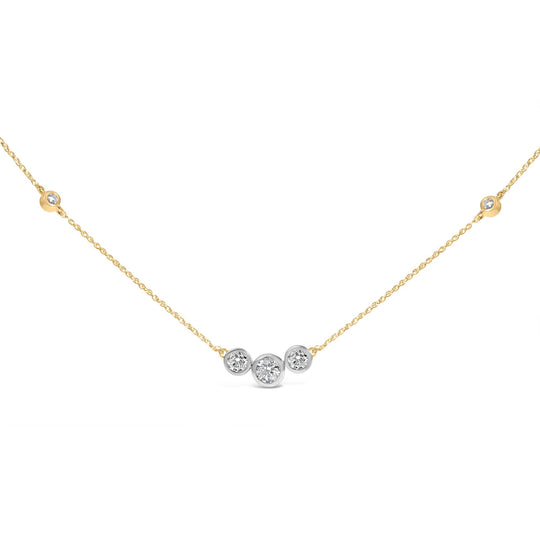
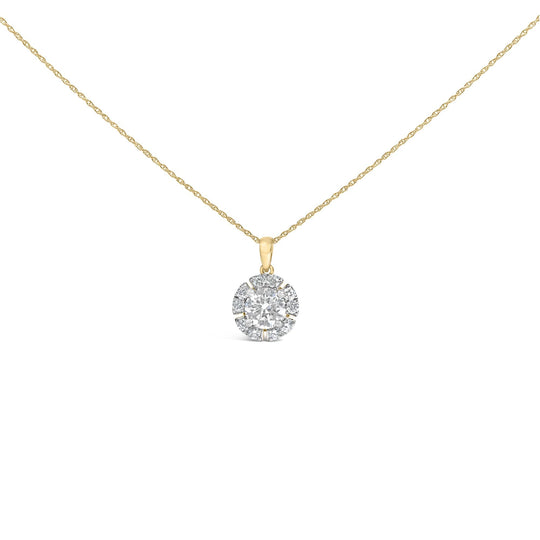
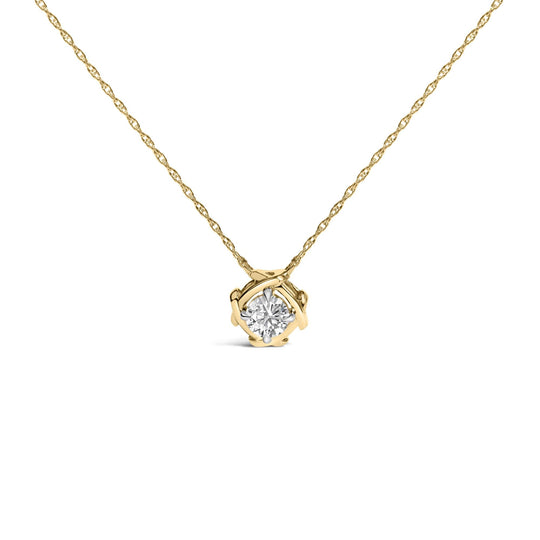
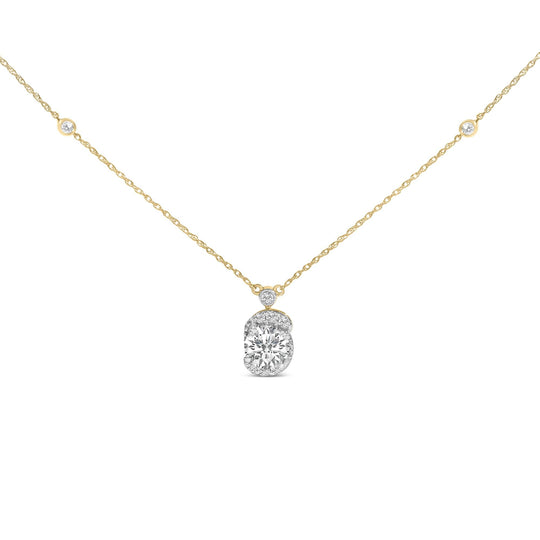
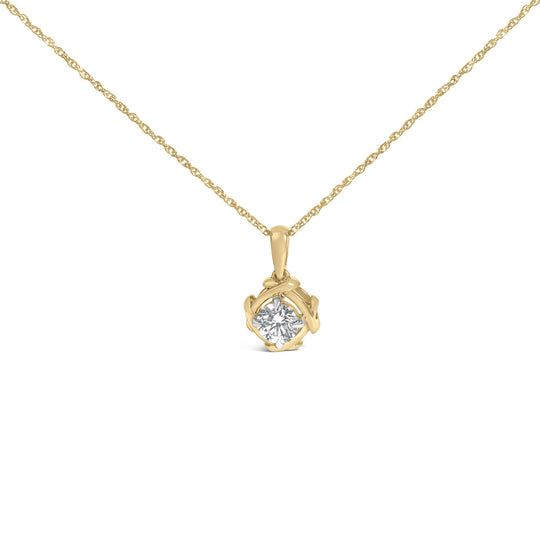
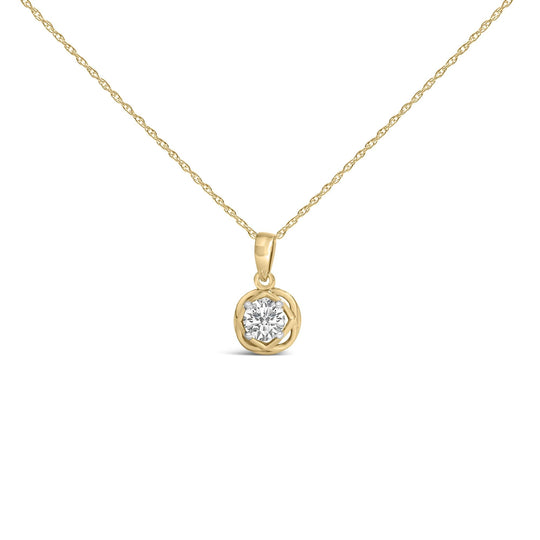
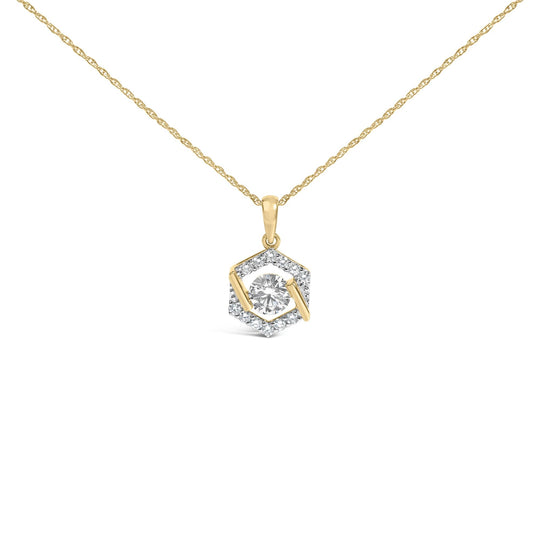
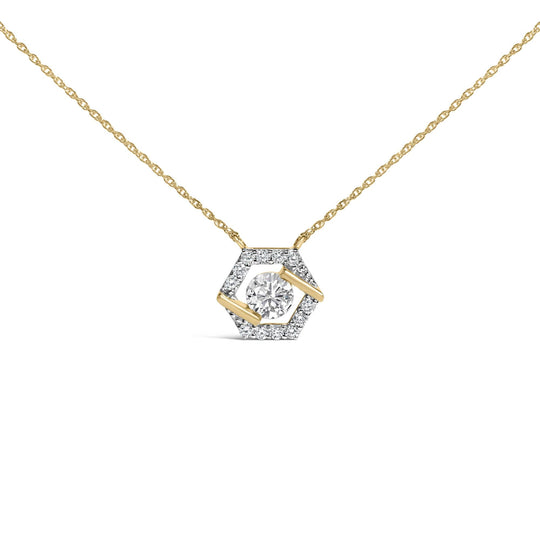
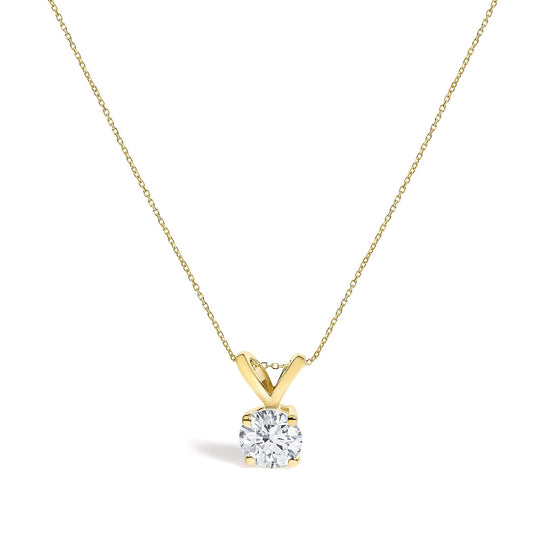
Lab grown diamonds appear in necklace and pendant configurations in multiple formats: solitaire pendants where a single stone hangs from a fine chain, pave-set designs where small stones cover a pendant's surface, and station necklaces where multiple stones appear at regular intervals along the chain. At pendant scale, a solitaire with a half-carat lab grown diamond is a popular choice for a clearly visible everyday stone. For the full range of diamond necklace styles, browse diamond necklaces.

Lab Grown Diamond Earrings for Daily Wear

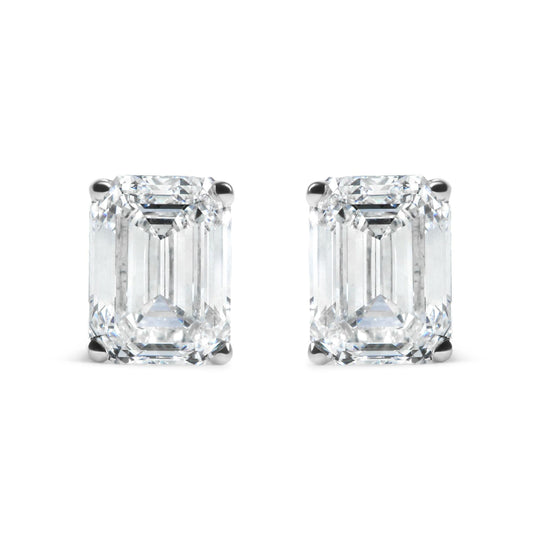
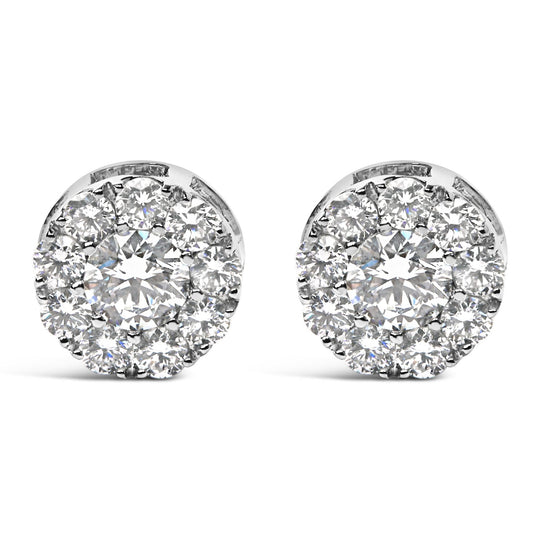
Lab grown diamond stud earrings are the most purchased earring format because the stud's simplicity and versatility suit daily wear across every context. Studs are a popular lab grown choice for buyers who want larger total carat weight as the main visual element. Lab grown diamond pave hoops are the second most popular format. Both are available across white, yellow, and rose gold at 14K and 18K. For the full range of diamond earring styles, browse diamond earrings. Every order ships free with a 30-day return policy.


Frequently Asked Questions

What is lab grown diamond jewelry?

Lab grown diamond jewelry features diamonds grown in a laboratory environment using High Pressure High Temperature (HPHT) or Chemical Vapor Deposition (CVD) technology that replicates the natural diamond formation process. The resulting stones are identical in physical and chemical composition to mined diamonds: pure carbon in crystalline form, scoring 10 on the Mohs hardness scale, and refracting light with the same optical properties. Lab grown diamonds are graded on the same 4Cs as mined stones and set in the same gold and platinum settings.

Are lab grown diamonds real diamonds?

Lab grown diamonds are real diamonds in every measurable sense: they have the same chemical composition (pure carbon), the same crystal structure, the same hardness, and the same optical properties as mined diamonds. A certified gemologist cannot distinguish a lab grown diamond from a mined diamond without specialized equipment. The only difference is origin. The Federal Trade Commission defines a diamond as a natural or laboratory-created mineral consisting essentially of pure carbon crystallized in an isometric cubic system, without specifying origin.

How much less expensive are lab grown diamonds?

Lab grown diamonds are currently priced 50 to 70 percent below comparable mined diamonds of the same cut, color, clarity, and carat weight. The price differential exists because lab grown diamond production has scaled significantly, lowering production costs, while the supply of mined diamonds is geologically constrained. The price advantage is most significant for larger stones: a 1-carat lab grown diamond in a solitaire setting is accessible at a price point that would only reach a smaller mined diamond. For how lab grown pricing, grading, and value compare in full, read the complete lab grown diamond buying guide.

Do lab grown diamonds hold their value?

Lab grown diamonds have lower resale value than mined diamonds as a category, primarily because production costs have dropped significantly since they became commercially mainstream. A mined diamond's price is partially supported by constrained natural supply; a lab grown diamond's price can continue to fall as technology improves. Lab grown diamond jewelry is best understood as a high-quality stone at an accessible price, not as an appreciating asset. Buyers who prioritize material value retention are better served by mined diamonds.

What metals are lab grown diamond jewelry pieces set in?

Lab grown diamond jewelry is set in the same precious metals as natural diamond jewelry: 14K and 18K gold in yellow, white, and rose, as well as platinum. White gold is the most common setting because the neutral cool tone creates visual continuity with colorless diamonds. Yellow gold is the most traditional setting. Rose gold is increasingly popular for its warm, contemporary aesthetic. Setting quality and metal karat matter independently of the stone origin.

Are lab grown diamonds environmentally better than mined diamonds?

Lab grown diamond production generally has a lower environmental footprint than large-scale open-pit mining in terms of land disruption and displaced material. However, the energy required for HPHT and CVD production is significant, and the environmental benefit depends substantially on the energy source used in production. Diamonds produced with renewable energy have a meaningfully lower carbon footprint. The environmental picture is more nuanced than a simple better or worse framing.

What is the best way to clean lab grown diamond jewelry?

Lab grown diamond jewelry is cleaned using the same methods as natural diamond jewelry. Soak the piece in warm water with a small amount of mild dish soap for 10 to 15 minutes. Use a soft toothbrush to clean gently around the stone settings, including under the stone where light needs to pass through. Rinse thoroughly and dry with a soft, lint-free cloth. Inspect prong settings after cleaning to confirm stones are secure. Professional ultrasonic cleaning is safe for most lab grown diamond pieces in standard prong or bezel settings.

Is lab grown diamond jewelry appropriate for engagement rings?

Lab grown diamonds are a common and accepted choice for engagement rings. The stone's physical identity to a mined diamond means the ring's appearance, durability, and long-term wearability are equivalent. Many buyers choose lab grown diamonds for engagement rings specifically because the cost advantage allows them to purchase a larger center stone within their budget.

Do lab grown diamonds have certification?

Lab grown diamonds are graded and certified by the same independent gemological laboratories that grade mined diamonds, including GIA and IGI. The grading report specifies cut, color, clarity, carat weight, and confirms the stone's lab grown origin. Verify that a lab grown diamond purchase includes a grading report from a recognized independent laboratory. For lab grown and natural diamond bracelet styles, browse diamond bracelets.

What types of lab grown diamond jewelry are available?

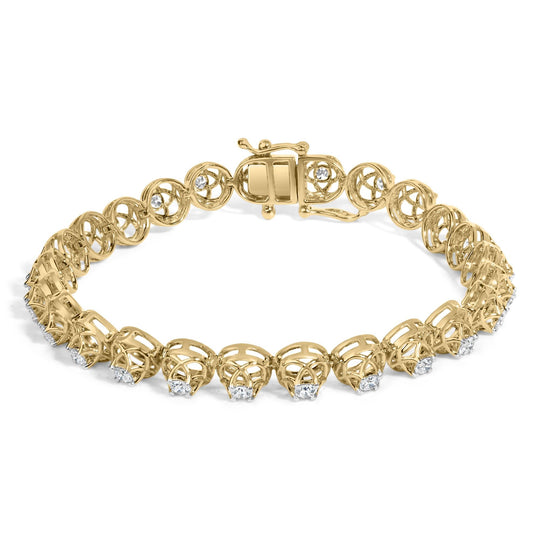
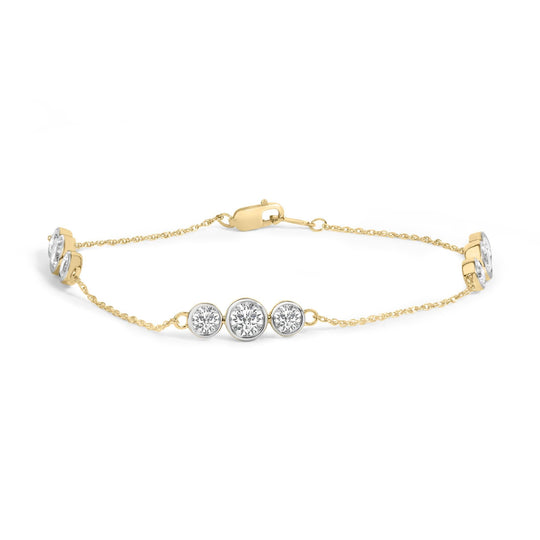
Lab grown diamonds are set in the same jewelry types as natural diamonds. Rings are the most widely purchased format, particularly solitaire and halo styles for significant occasions. Stud earrings are the most practical daily-wear format. Pendants and necklaces in solitaire or pave configurations are also widely available. Bracelets including tennis and station styles carry multiple lab grown stones. For lab grown diamond pendant styles and necklace configurations, browse diamond pendants.

×
Your Bag
Subtotal (tax excl.) $0
 
Example
Example
Example
(0 )
Example
View detail
Example
Example
Option1
Option2
Option3
Option1
Option2
Option3
Sold out
Quantity
Add To Cart
Buy Now
Compare
Add Wishlist
Share:
0
0