Solitaire Necklaces: A Buyer's Guide to the Single-Stone Pendant
What Defines a Solitaire Necklace
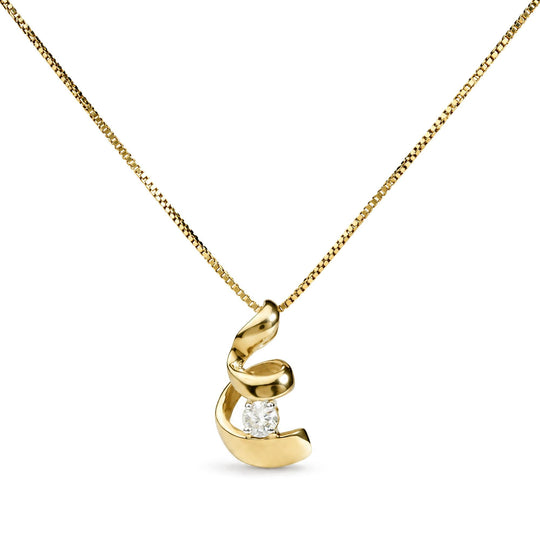
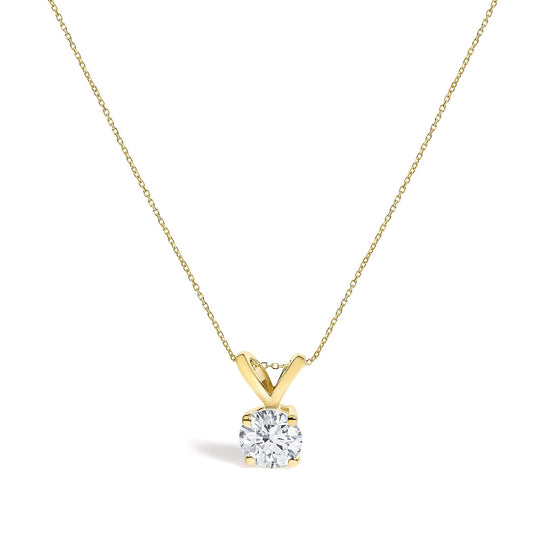
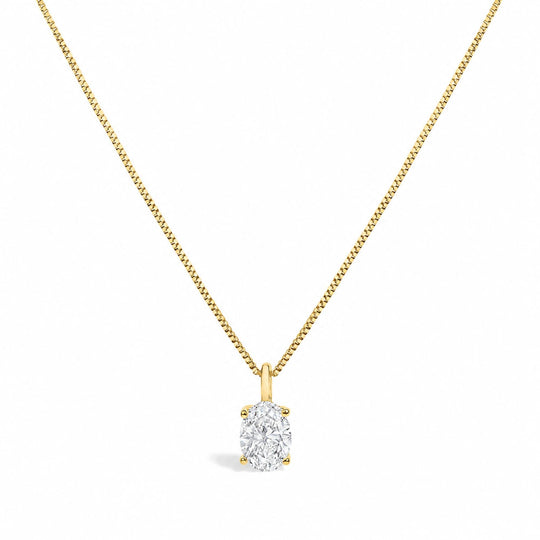
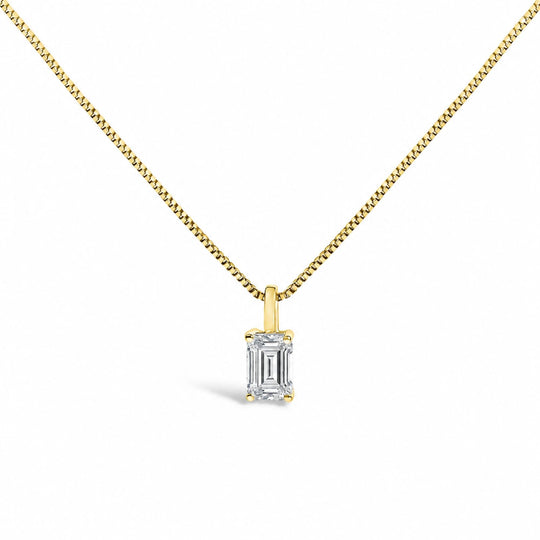
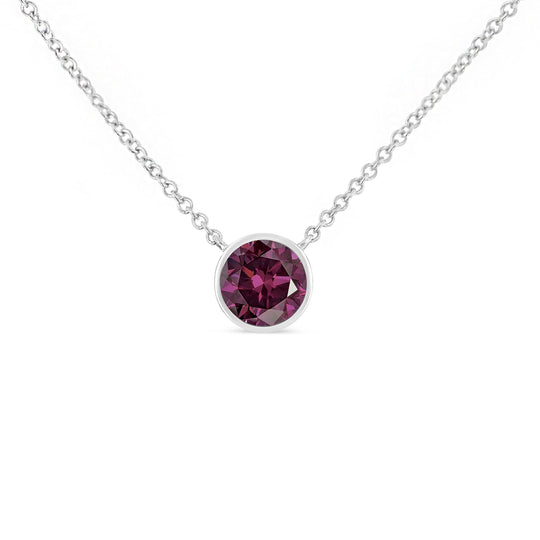
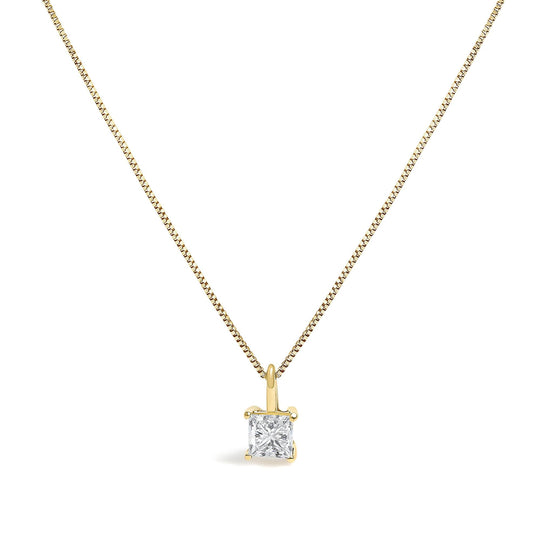
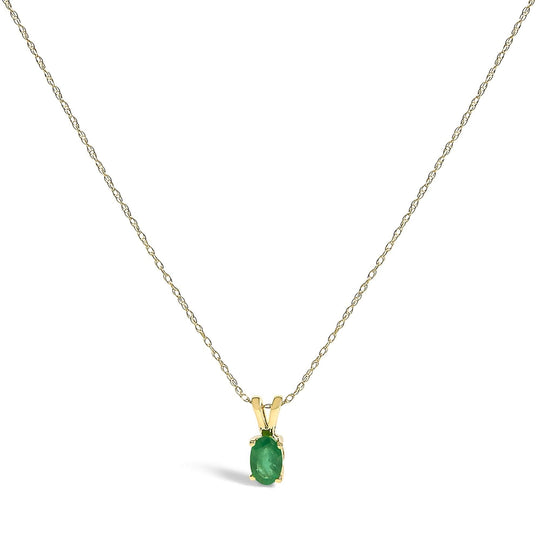
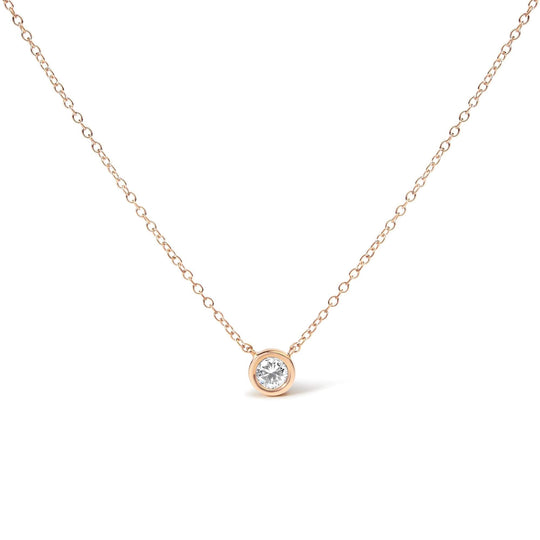
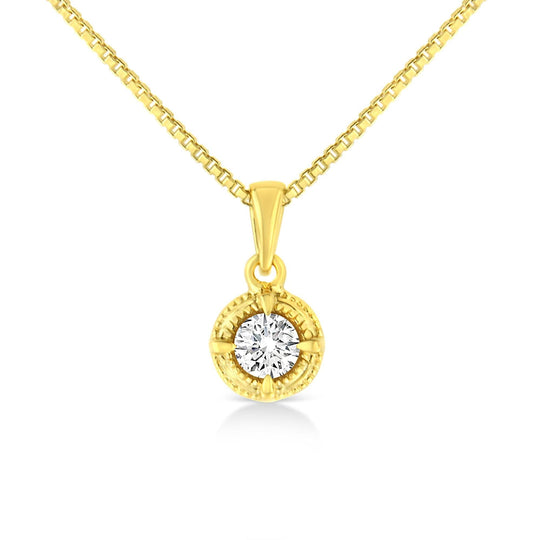
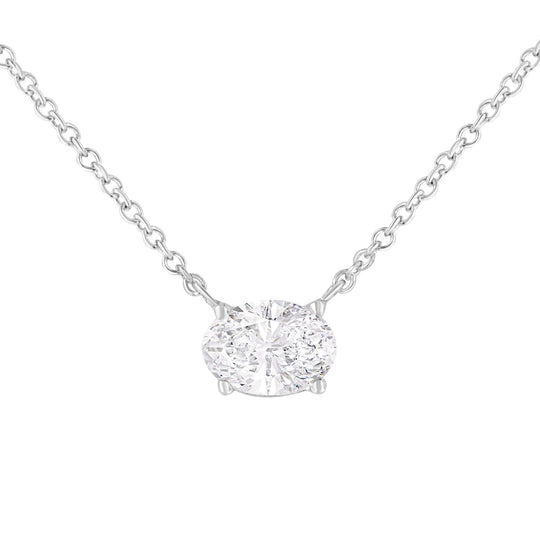
A solitaire necklace consists of a single stone in a pendant setting on a chain, with no accent diamonds, halos, or surrounding stones. The design principle is the same as the solitaire ring: remove everything competing with the center stone and let the stone's own light performance carry the piece. Applied to a necklace, the result is a single point of light or color at the neckline that reads clearly at conversational distance. Solitaire necklaces are available in diamond, sapphire, ruby, emerald, and other colored gemstone settings, though the diamond solitaire necklace is the most commercially common form. For the full range of necklace styles and stone configurations available across all designs, browse necklaces.
Diamond Solitaire Necklaces: Evaluating What Matters
Diamond solitaire necklaces place more evaluation pressure on the individual stone's quality than most other necklace settings because the stone is fully exposed, with no surrounding diamonds adding visual mass or compensating for lower individual quality. Cut is the most important of the four Cs in a solitaire necklace: a well-cut round brilliant or cushion shape will return light efficiently and display the stone's character clearly at the neckline. Color is more visible in a solitaire setting than in a pavé or halo necklace, where surrounding stones create a visual reference that can mask warmer tones in the center stone. Clarity becomes visible primarily in stones above 0.75 carats, where inclusions may be detectable at normal viewing distances. Browse diamond necklaces for the complete selection of diamond necklace styles.
Prong, Bezel, and Bail: How the Setting Shapes the Piece
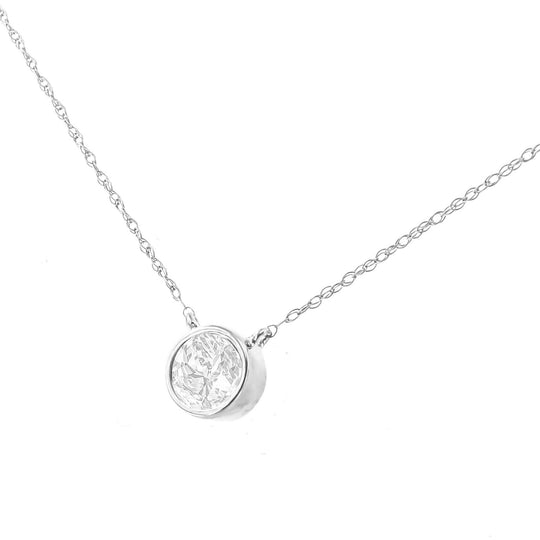
Solitaire pendant settings fall into two primary categories. Prong settings, typically four or six prongs, hold the stone by its girdle with thin metal tabs that maximize light entry from the sides and top, letting the stone's facets display fully. Bezel settings wrap a continuous metal edge around the stone's perimeter, protecting it at the sides and producing a sleeker, more modern profile that suits everyday wear. The bail, the loop that connects the pendant to the chain, can be fixed or adjustable for chain width. Metal choice follows the same logic as in solitaire rings: white gold and platinum let the stone read alone; yellow gold makes the metal an intentional part of the aesthetic. For the full range of pendant and solitaire designs, browse diamond pendants.
Choosing the Right Chain for a Solitaire Necklace
Chain selection for a solitaire necklace is not incidental: the chain determines where the stone sits on the body and how much visual weight surrounds it. Fine cable and box chains in 1mm to 1.5mm at 16 to 18 inches place the stone near the collarbone, where it creates a natural focal point without the chain adding competing visual mass. A heavier chain at 2mm or above begins to draw attention away from the solitaire pendant itself, which undermines the format's defining characteristic of singular stone focus. Adjustable chains at 16 to 18 inches give flexibility across different necklines. For the complete selection of pendant and necklace styles beyond the solitaire category, browse pendants. Every order ships free with a 30-day return policy.