Choosing Ruby Necklaces: Color, Setting, and Style
Ruby at the Neckline: What to Expect from This Gemstone
A ruby pendant at the collarbone creates a focal point of intense, vivid color that no other gemstone replicates. Where sapphire provides cool, classical blue and diamond provides colorless sparkle, ruby delivers warm, concentrated red that draws the eye immediately. This makes ruby necklaces naturally bold pieces: even a modest-sized ruby reads with significant presence at necklace distance. Buyers who want the gemstone's color as the defining element of their necklace will find ruby one of the most visually impactful choices. Browse ruby jewelry for the full ruby range across all types.
Ruby Necklace Styles: Pendants, Halos, and Stations
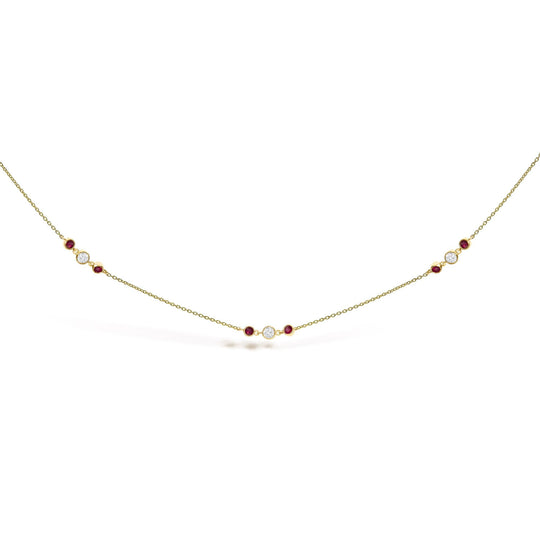
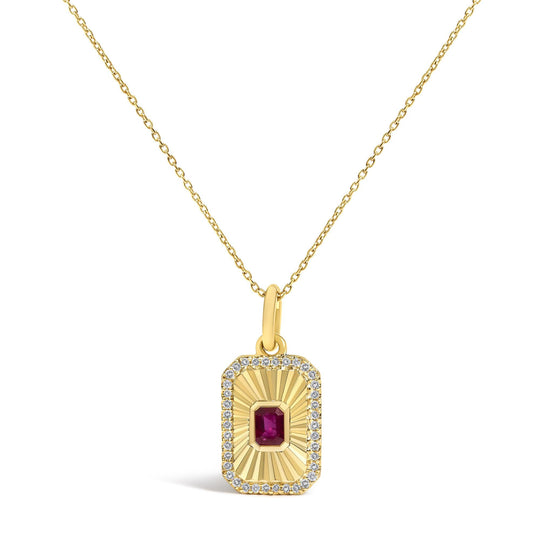
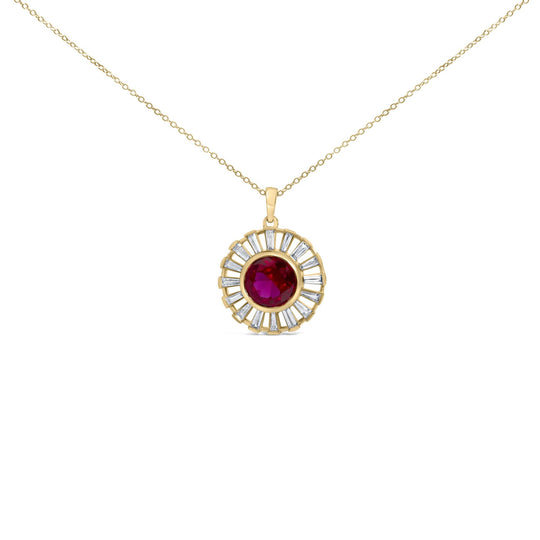
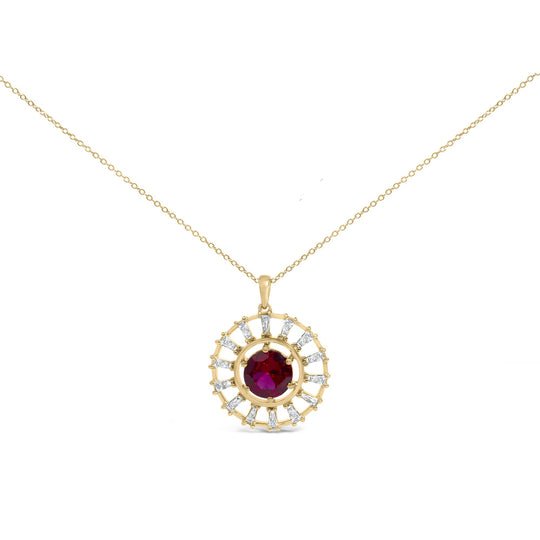
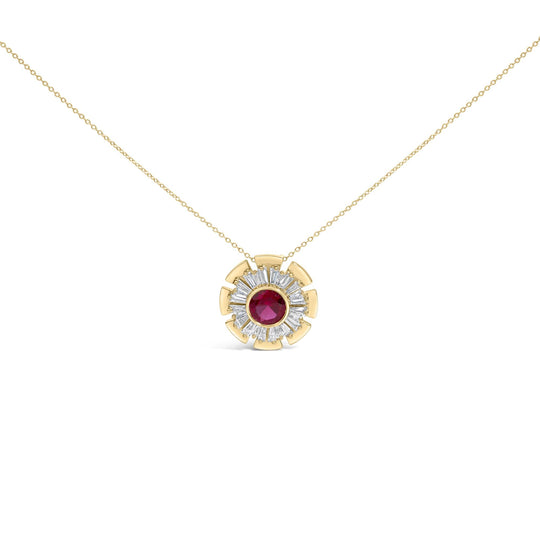
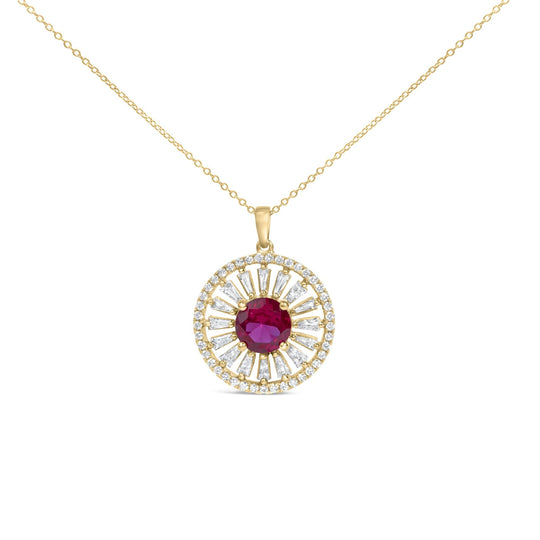
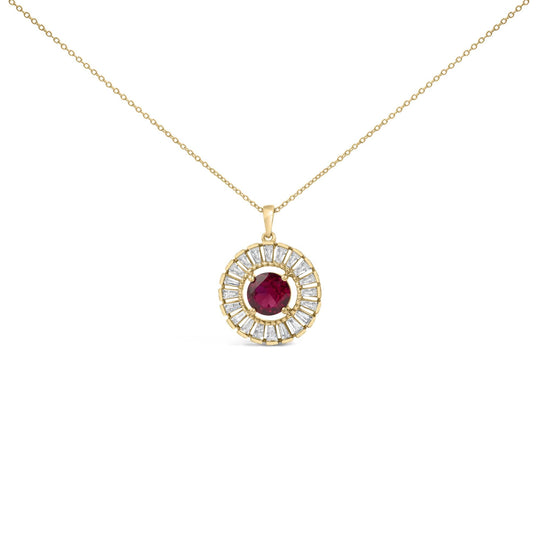
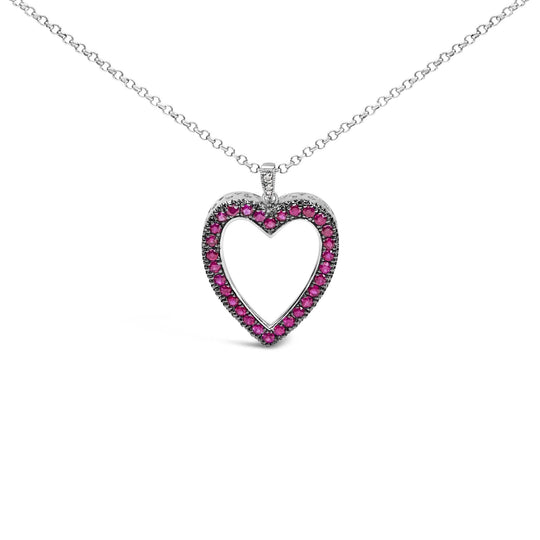
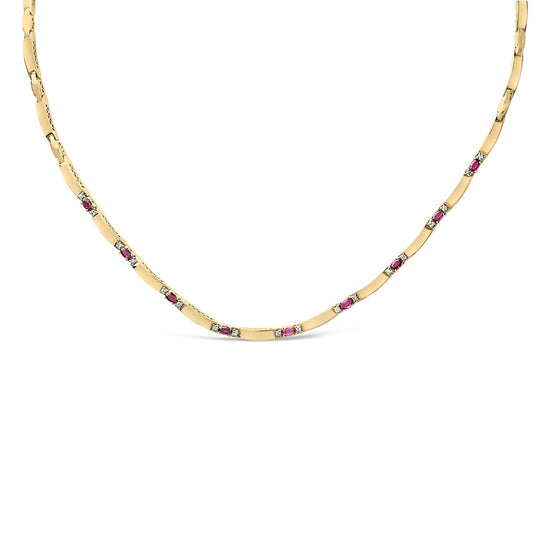
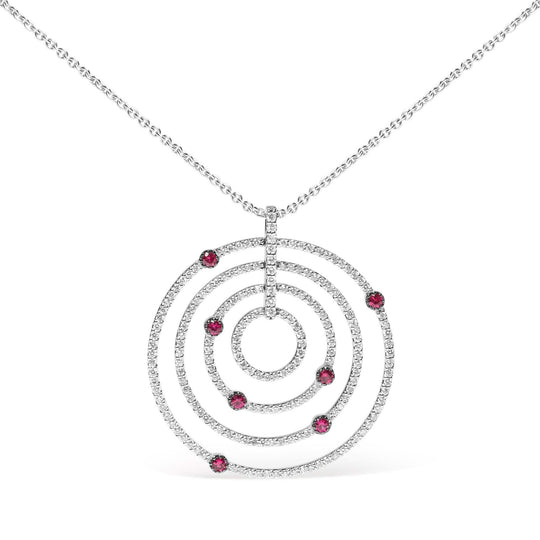
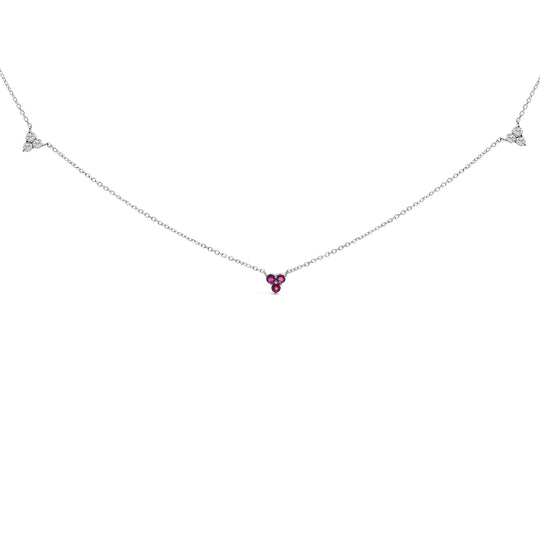
Ruby necklaces are predominantly pendant-style: a single stone in a prong, bezel, or halo setting on a fine chain. Because ruby's color is the stone's primary attribute, the setting's job is to support and display the stone cleanly. Solitaire ruby pendants in simple bezel or four-prong settings are the most restrained option; halo settings surround the ruby with diamonds for added sparkle and an enlarged apparent size. Station necklaces with multiple smaller rubies distribute the color across the full necklace length. Browse ruby rings for cross-reference on ruby quality.
Metal and Chain Choices for Ruby Necklaces
Yellow gold is the traditional and most widely used metal for ruby necklaces, as the warm tone enriches the red and creates the richly jewel-like aesthetic historically associated with fine ruby jewelry. White gold and platinum create a modern, high-contrast look where the red reads most vividly against the neutral backdrop. Rose gold is generally not recommended with ruby because the pink-red of the metal competes with the stone's own red. Browse sapphire necklaces for comparison with sapphire necklace decisions.
Ruby Quality Criteria for Necklace Buying
Color saturation and transparency are the dominant quality criteria for a ruby pendant. A vivid, medium-dark red with good transparency reads most strongly at necklace distance. Inclusions that do not disrupt transparency are acceptable and expected in natural stones. Look for consistent color depth under different lighting conditions: high-quality rubies maintain their red under incandescent, fluorescent, and daylight, while lower-quality stones can look different across lighting types. Browse gold necklaces for gold chain options that pair with ruby pendants. Every order ships free with a 30-day return policy.