Skip to content
Every order ships free with a 30-day return policy  ·  Browse new arrivals

White Gold Bracelets

White Gold Bracelets in Classic and Modern Styles

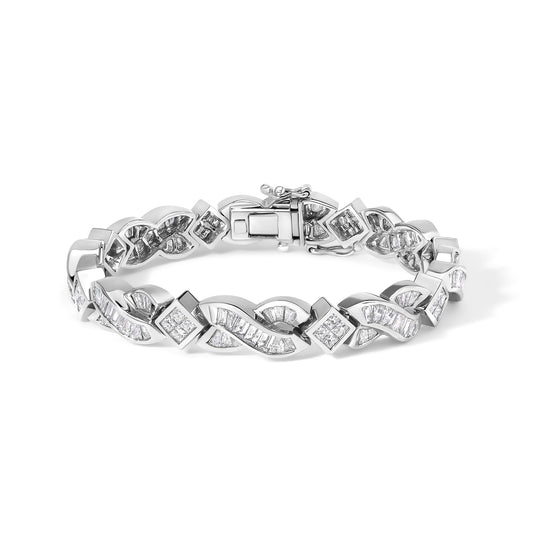
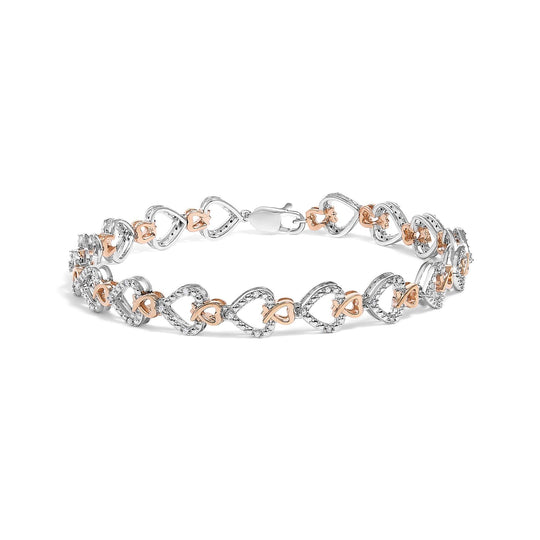
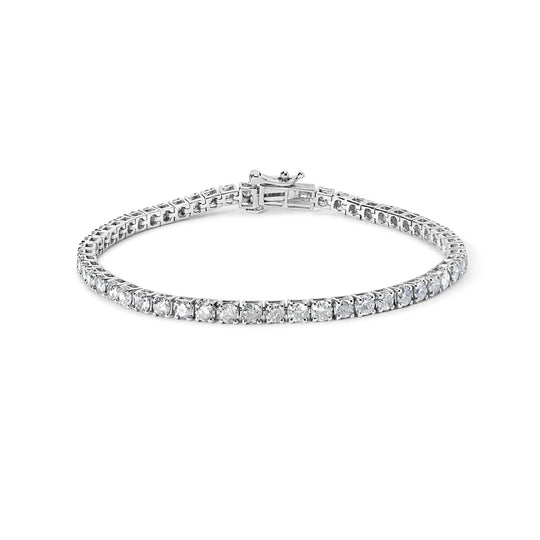
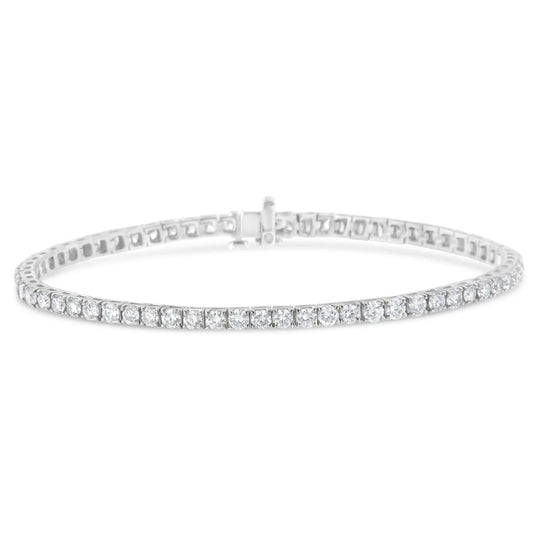
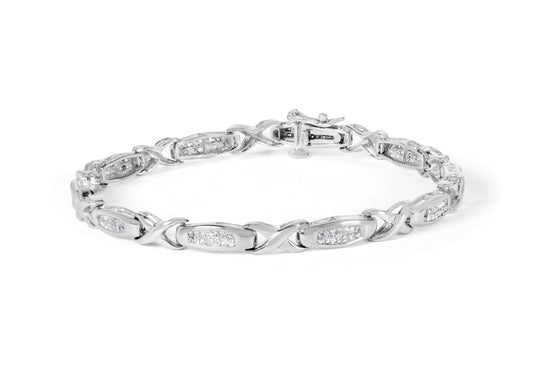
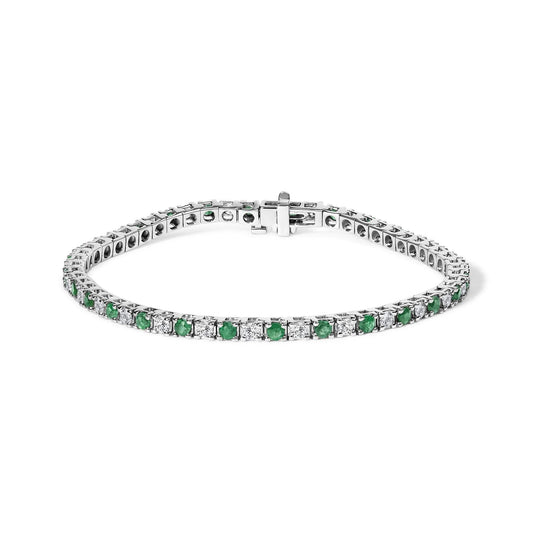
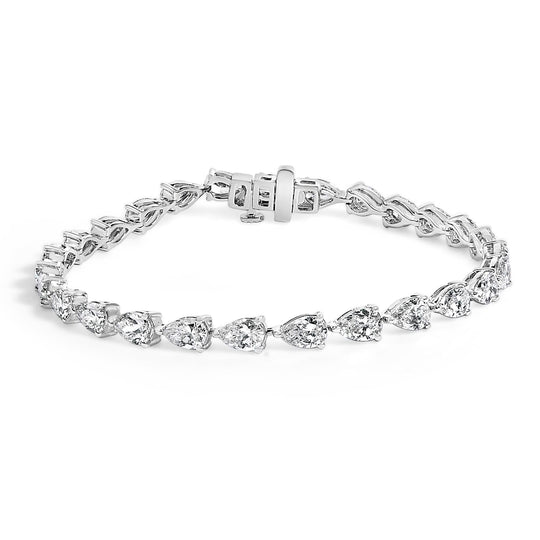
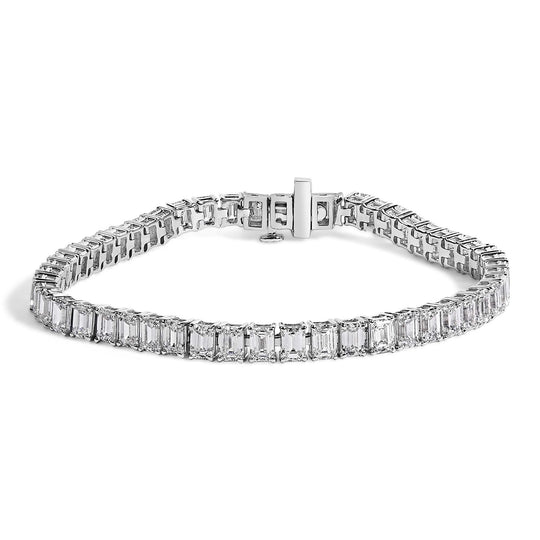
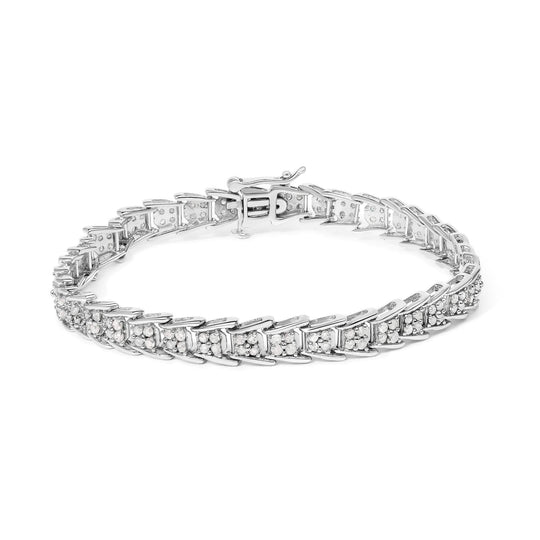
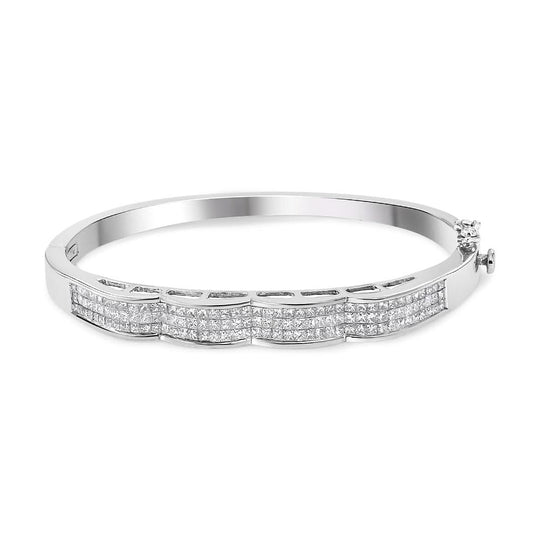
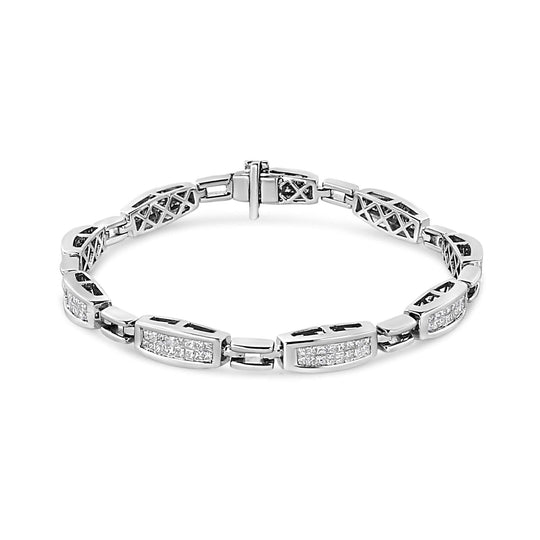
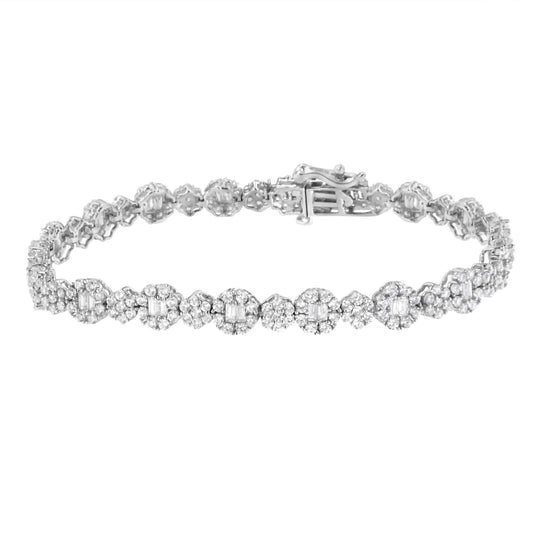
White gold bracelets are a particularly strong choice for diamond-set designs, where the metal's cool, bright tone lets stones appear cleaner against the setting. Oath's white gold bracelets collection covers link styles, diamond-set pieces, chain bracelets, and structured designs in 10K, 14K, and 18K, with plain metal and gemstone options spanning everyday weights through more substantial milestone pieces. Every white gold bracelet order arrives with free shipping and a 30-day return policy.

  • Genuine Gemstones
  • Free Shipping
  • 30-Day Returns

How to Choose the Right White Gold Bracelet

Why White Gold Works Well for Bracelets

White gold is a gold alloy plated with rhodium that gives it a bright, near-platinum appearance. For bracelets, the cool, neutral tone pairs effectively with diamonds and light gemstones, and suits both plain chain designs and stone-set styles. White gold holds the structural properties of gold at any karat while delivering a contemporary aesthetic. The broader gold bracelets collection covers all three gold finishes for buyers who want to compare options before deciding.

White Gold Bracelet Styles to Consider

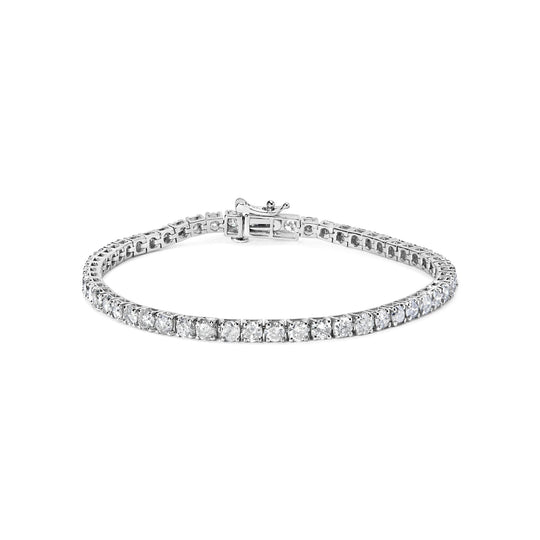
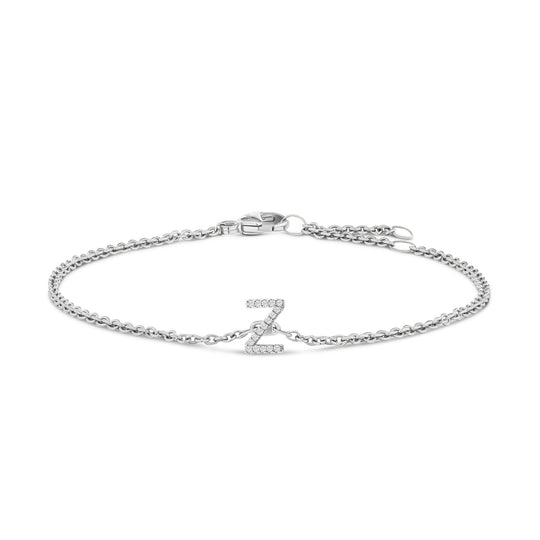
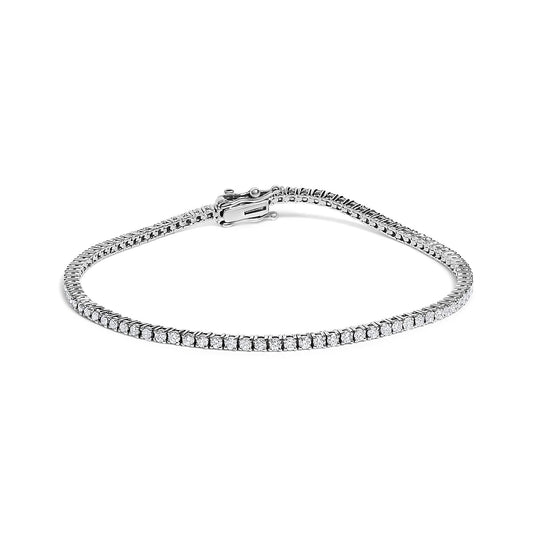
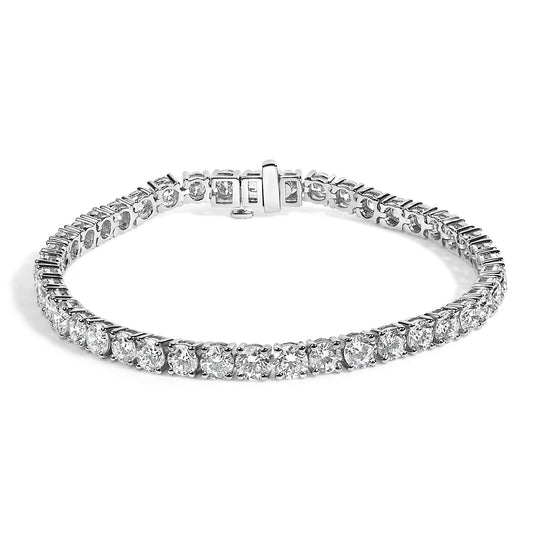
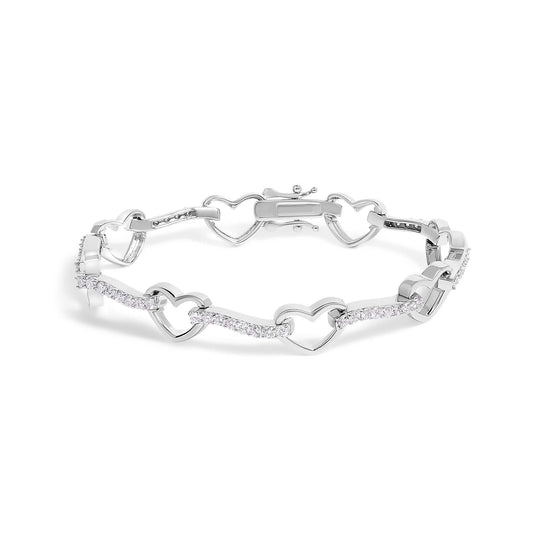
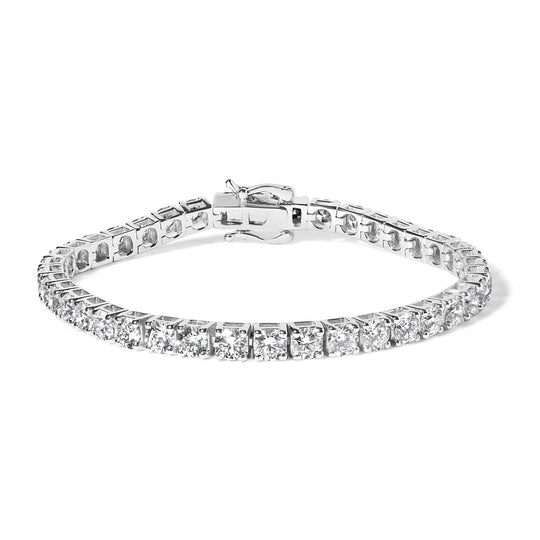
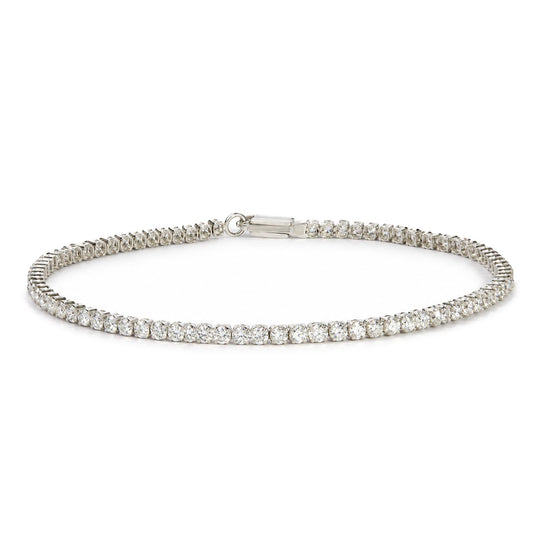
White gold works across every bracelet format. Fine chain bracelets have a clean, contemporary look well suited to layering. Bangle bracelets in white gold provide a structured silhouette that can be worn singly or stacked. Tennis bracelets in white gold with diamonds are among the most classic fine jewelry bracelet designs, where the cool metal creates strong contrast with the stones. For buyers who want to see how white gold reads across other jewelry types, white gold earrings provides a direct comparison.

Picking the Right Karat for White Gold Bracelets

White gold bracelets are available in 10K, 14K, and 18K. For a bracelet worn daily, 14K provides the best balance: 58.3% pure gold, sufficient hardness for the direct contact bracelets experience, and the full rhodium-plated white tone. 18K is purer at 75% gold and softer, making it better suited to bracelets worn on special occasions. All three require periodic re-plating over time. For styles at 14K specifically, 14K bracelets shows what is available.

Caring for White Gold Bracelets

White gold bracelets require periodic re-plating as the rhodium surface coating wears through with daily contact. Bracelets reach this threshold faster than necklaces or earrings because of the direct contact they experience against skin and surfaces. Between re-plating sessions, clean with warm soapy water and a soft brush, rinse thoroughly, and dry completely. Store in a soft pouch or lined jewelry box. The gold jewelry hub covers care guidance across all gold finishes. Every order ships free with a 30-day return policy.

Frequently Asked Questions

What is white gold made from?

White gold is pure gold mixed with palladium, nickel, or a combination of white alloys to create a pale, cool-toned metal. The alloy is then plated with rhodium, a platinum-group metal, to achieve the bright white finish visible on finished jewelry. The karat indicates the gold content proportion: 14K white gold contains 58.3% pure gold, 18K contains 75%. The rhodium plating is a surface treatment and does not affect the karat value. For how gold karats, colors, and care compare in full, read the complete guide to gold jewelry.

Does a white gold bracelet tarnish?

White gold does not tarnish in the way sterling silver does. The gold alloy is stable and does not oxidize. What changes over time is the rhodium plating, which gradually wears away to reveal the slightly warmer-toned gold alloy beneath. This is commonly described as the bracelet losing its white tone rather than tarnishing. The fix is professional re-plating rather than polishing. The base metal remains in sound condition throughout the life of the piece.

How does a white gold bracelet compare to rose gold?

White gold has a cool, bright tone that reads as contemporary and minimal. Rose gold has a warm, blush-pink tone that gives pieces a softer, more romantic feel. Both are gold alloys with the same structural properties at the same karat. White gold requires periodic rhodium re-plating; rose gold does not, as its color is intrinsic to the alloy rather than a surface coating.

How often does a white gold bracelet need re-plating?

Bracelets wear through their rhodium plating faster than necklaces or earrings because of the direct daily contact they experience. For a white gold bracelet worn daily, re-plating every one to two years is realistic. Bracelets worn occasionally may go three to five years. A jeweler can re-plate white gold quickly and at modest cost, restoring the original bright white finish completely without any change to the piece itself.

Are white gold bracelets good with diamonds?

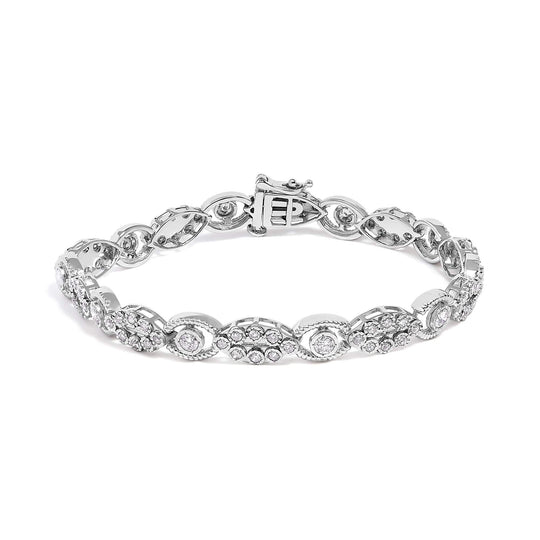
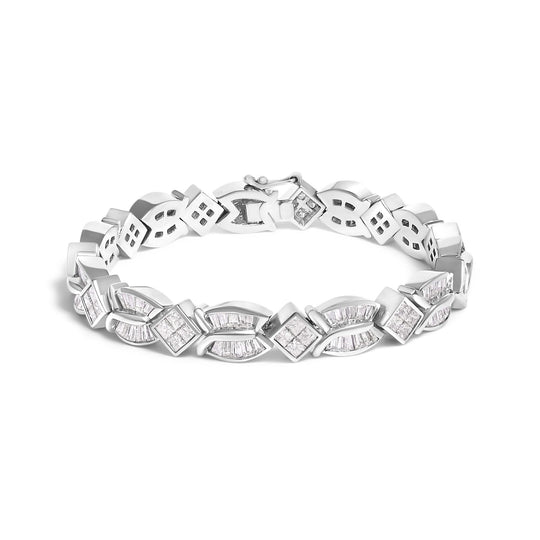
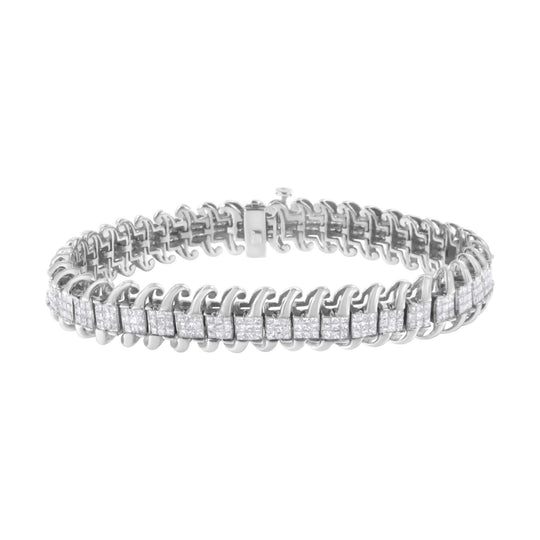
White gold is one of the most common settings for diamond bracelets because the cool, neutral tone provides strong visual contrast with white diamonds, allowing the stones to appear bright and clear. Tennis bracelets with a continuous diamond line are particularly well suited to white gold. Bangles and chain bracelets with diamond accents are also widely available in white gold.

Can a white gold bracelet be resized?

Chain-style white gold bracelets can usually be adjusted in length by a jeweler by adding or removing links. Bangle bracelets are generally not adjustable once made. After any repair or adjustment involving heat or soldering, re-plating may be needed to restore the rhodium finish in the worked area. When purchasing a white gold bracelet, measuring the wrist and confirming the length against listed measurements ensures the best fit before purchase.

How does a white gold bracelet compare to a white gold ring?

White gold bracelets and rings share the same metal composition and require the same periodic rhodium re-plating. The key practical difference is wear intensity: bracelets experience more direct contact than most rings, so their plating may wear faster depending on lifestyle. Chain and bangle bracelets in white gold endure a comparable level of daily contact as rings worn on active hands.

Are white gold bracelets suitable for everyday wear?

White gold bracelets are suitable for everyday wear, though daily use accelerates rhodium wear compared to occasional pieces. 14K white gold is the most practical choice for daily wear because its hardness resists surface scratches better than 18K. The rhodium plating eventually reveals the warmer gold tone beneath, but this is corrected easily by a jeweler.

How do I clean a white gold bracelet at home?

Warm water, a small amount of dish soap, and a soft-bristled brush clean white gold bracelets effectively. Soak briefly, scrub gently around any stone settings and bracelet links, rinse thoroughly, and dry with a lint-free cloth. Avoid ultrasonic cleaners for bracelets set with softer or fracture-filled stones. Avoid chlorine, which degrades the rhodium plating faster. The same cleaning routine applies across all white gold jewelry. Browse white gold rings for other white gold pieces that follow the same care approach.

What white gold bracelet styles suit different occasions?

Fine chain and plain bangle bracelets in white gold suit everyday professional wear and casual contexts. Tennis-style bracelets with diamond settings are better suited to evening and formal occasions, where the sparkle is more contextually appropriate. Mixed designs with small accent stones occupy a middle ground that works across casual and semi-formal settings. For one of the most classic formal bracelet designs in white gold, tennis bracelets covers that category specifically.

Your Bag
Subtotal (tax excl.) $0
 
Example
Example
Example
(0 )
Example
View detail
Example
Example
Option1
Option2
Option3
Option1
Option2
Option3
Sold out
Quantity
Add To Cart
Buy Now
Compare
Add Wishlist
Share:
0
0