Skip to content
Every order ships free with a 30-day return policy  ·  Browse new arrivals

Diamond Bracelets

Diamond Bracelets in Classic and Milestone Styles

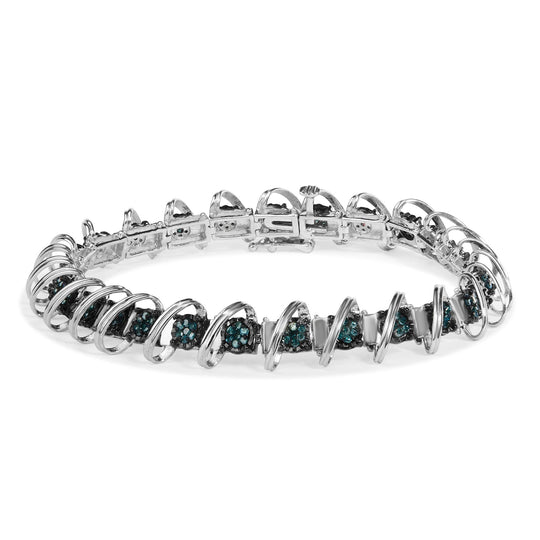
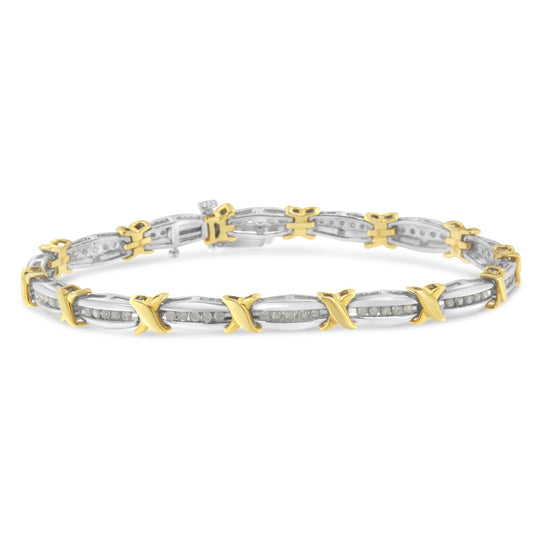
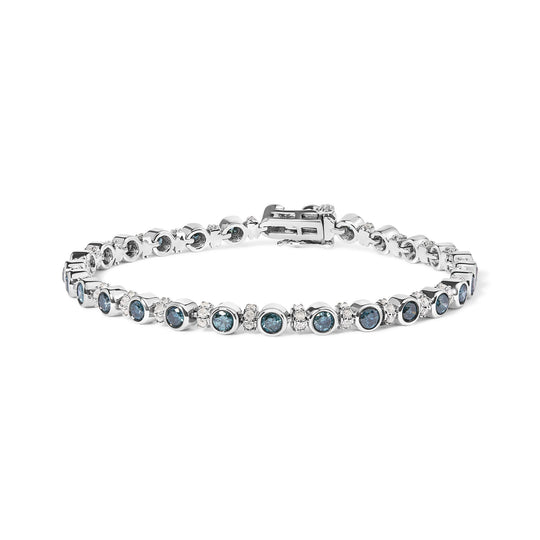
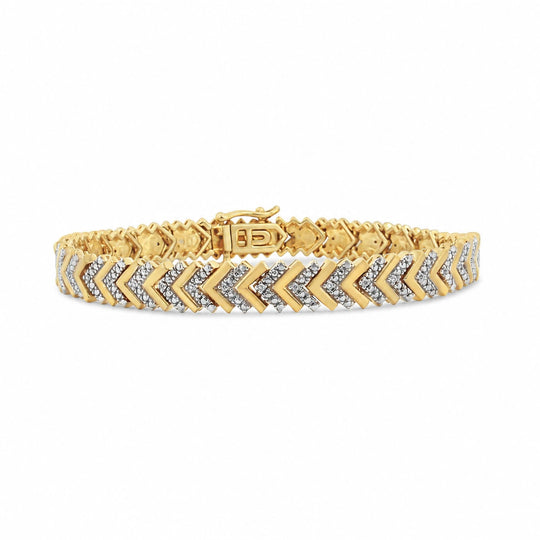
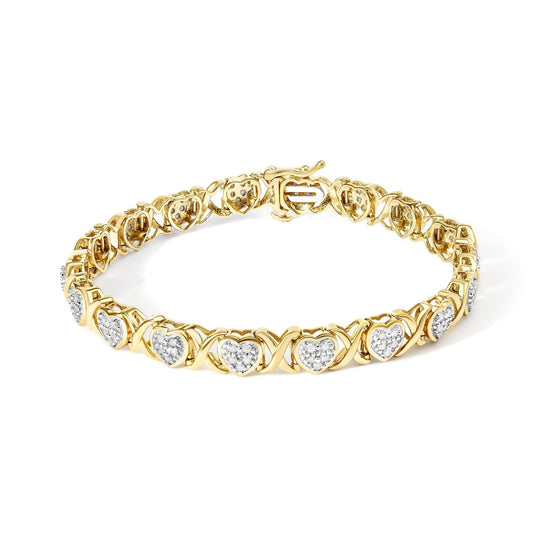
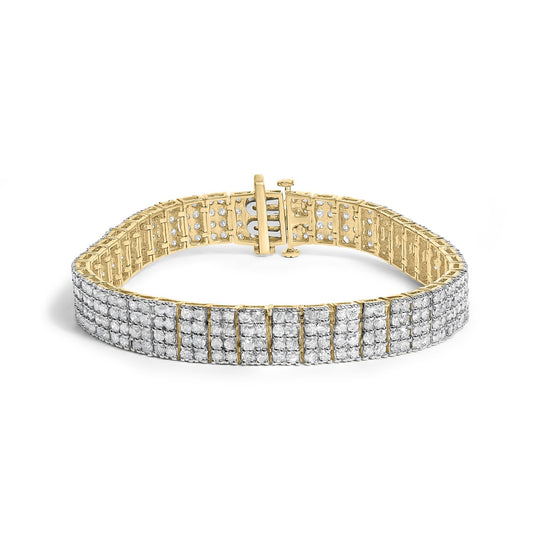
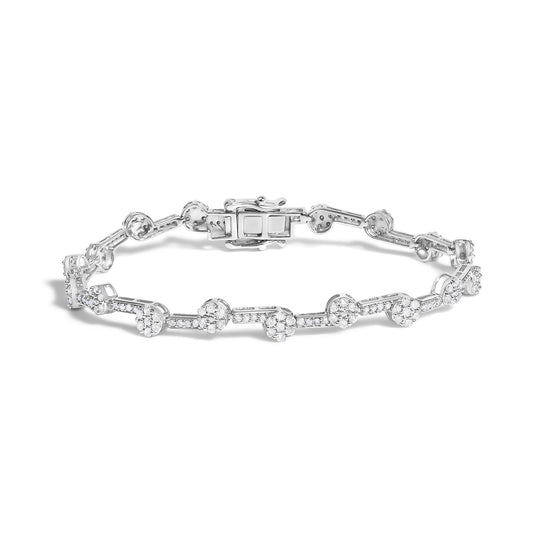
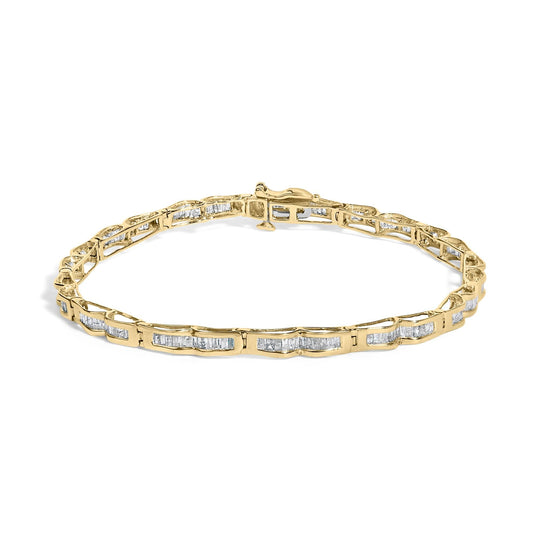
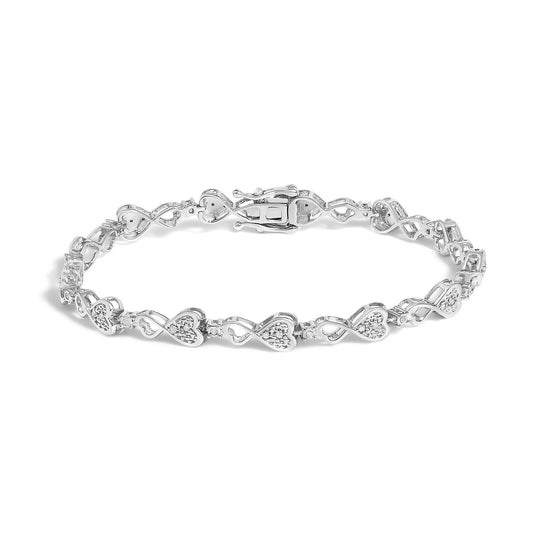
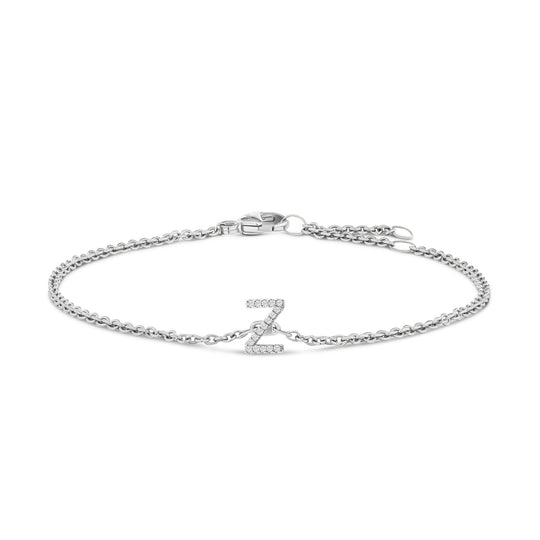
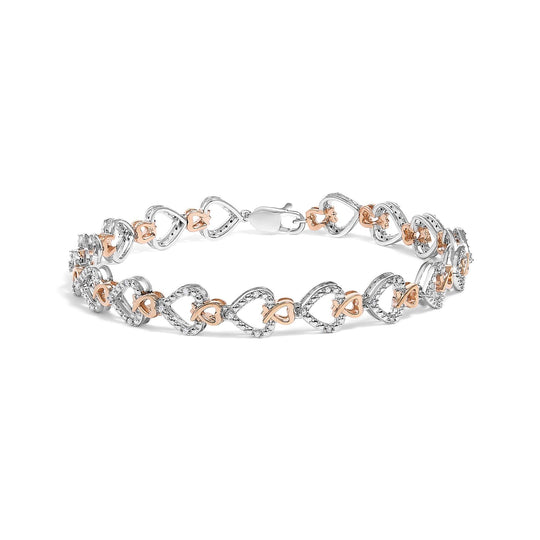
Diamond bracelets are among the most meaningful gift choices in fine jewelry, and the range within this category spans diamond-accent pieces for everyday wear through substantial formal designs. Oath's diamond bracelets collection covers continuous-set styles, link designs, and diamond-accent pieces in 10K, 14K, and 18K gold and platinum, with natural and lab-grown diamond options throughout. Ships free on every diamond bracelet order, with returns accepted within 30 days of delivery.

  • Genuine Gemstones
  • Free Shipping
  • 30-Day Returns

Choosing Diamond Bracelets: Styles, Settings, and What to Know

The Diamond Tennis Bracelet and Why It Remains the Standard

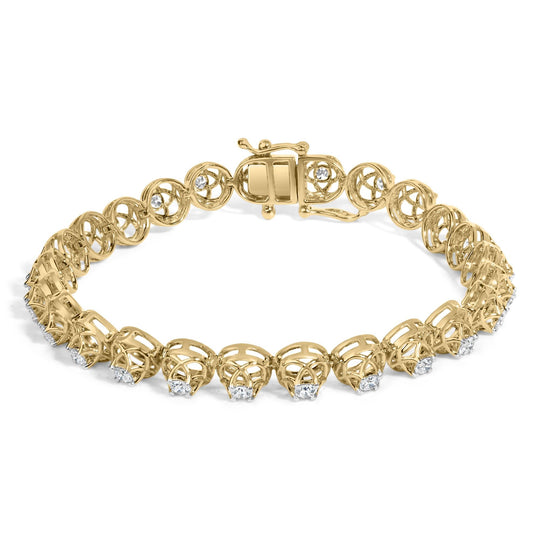
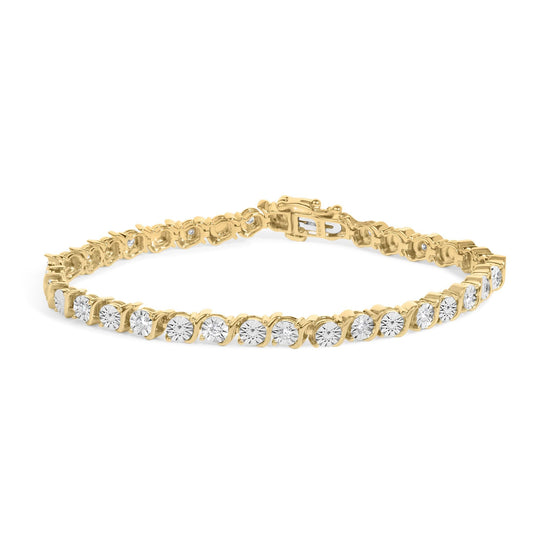
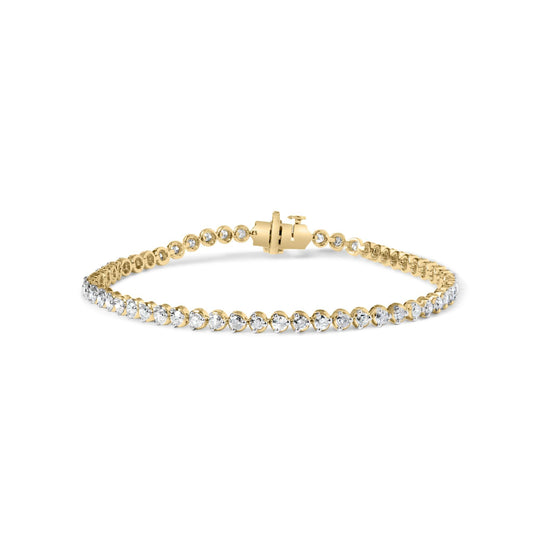
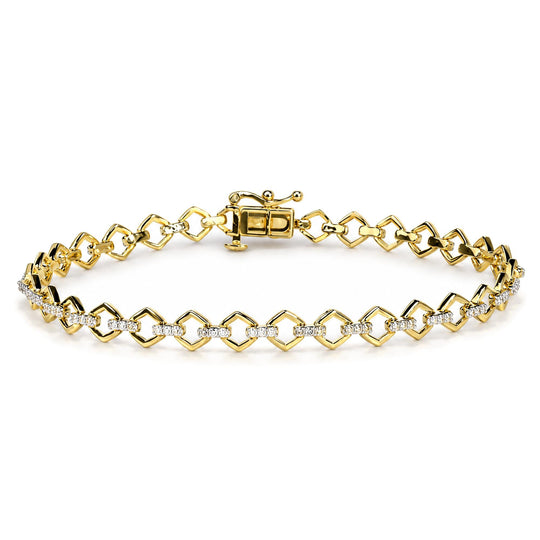
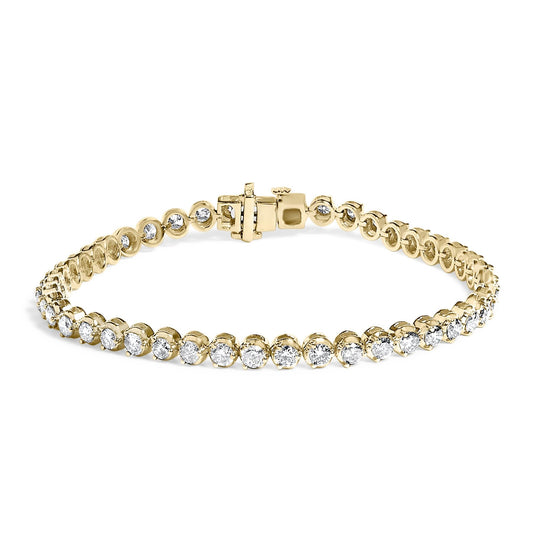
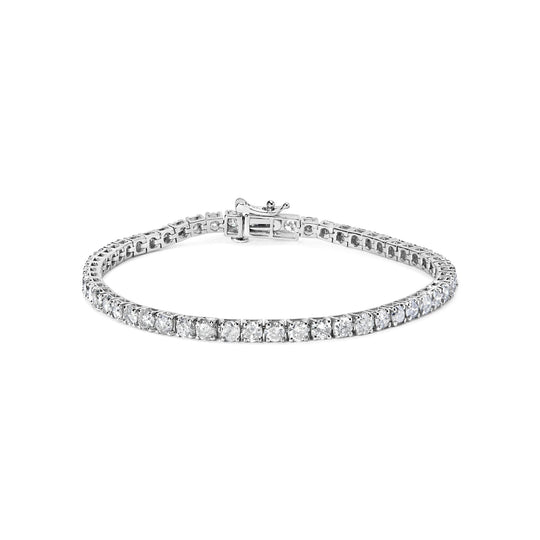
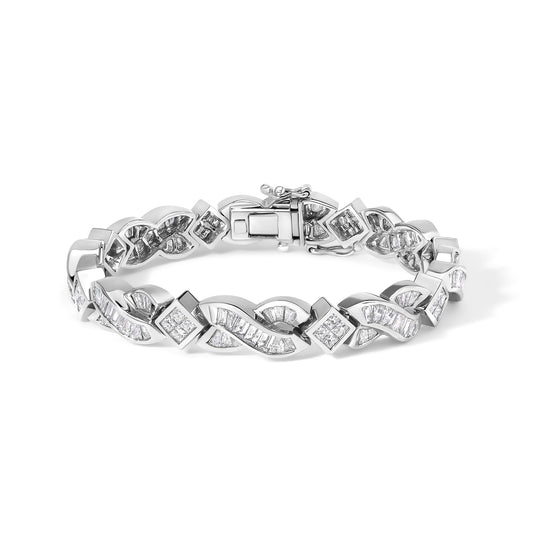
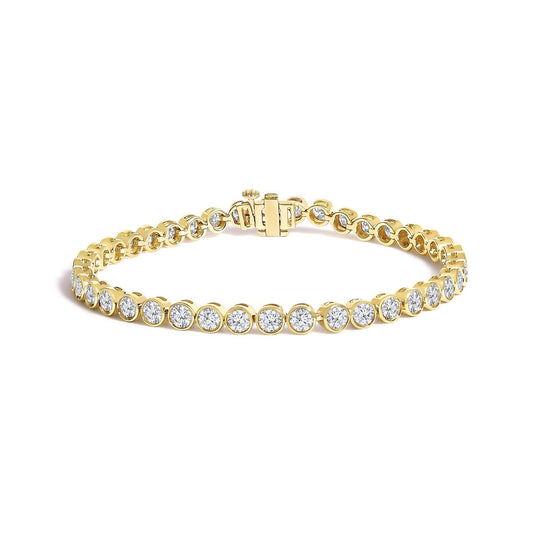
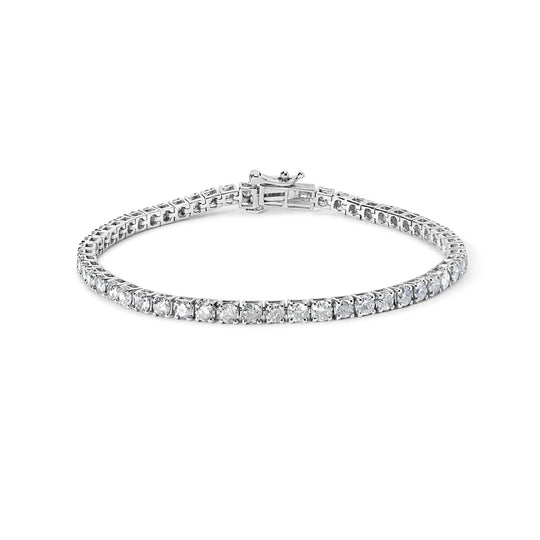
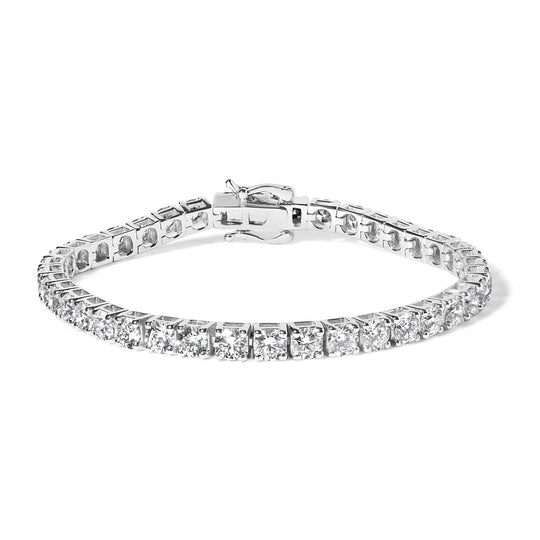
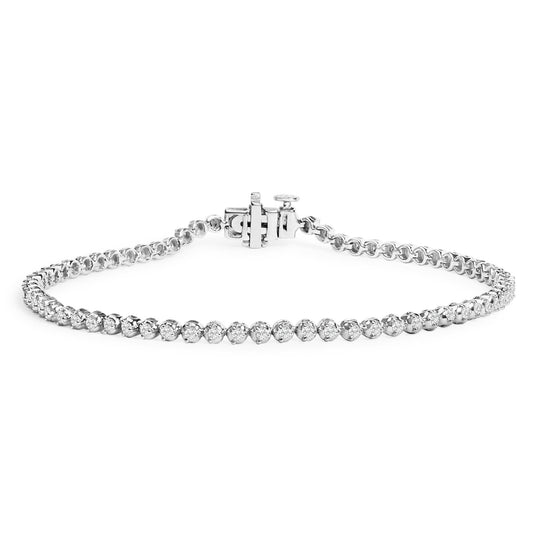
The tennis bracelet, a continuous row of prong-set round diamonds in a flexible shared-prong setting, has been the defining diamond bracelet style for decades. Its enduring demand is explained by its versatility: it reads as formal with evening wear but proportional enough to wear alongside watches and stacked bracelets during the day. Round brilliant diamonds are the standard because each stone's individual light return is maximized within the continuous row. For the full bracelet range, the bracelets hub covers every style.

Diamond Tennis Bracelets vs. Other Diamond Bracelet Styles

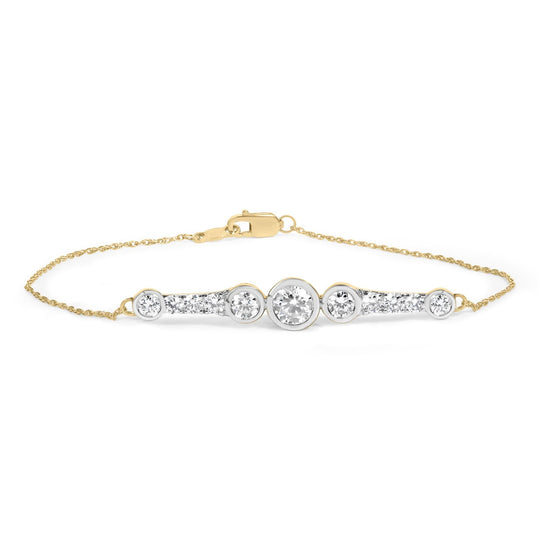
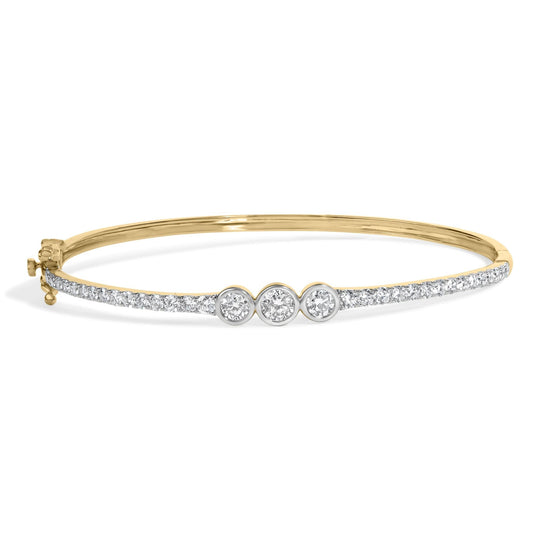
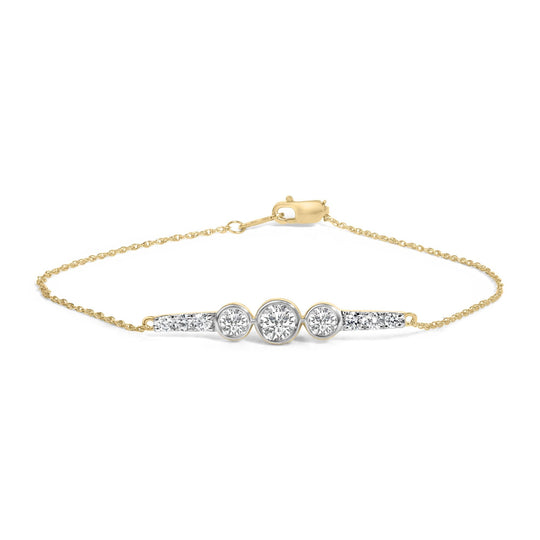
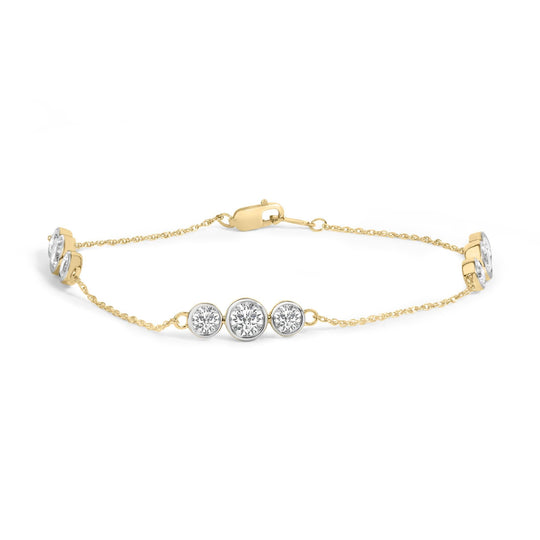
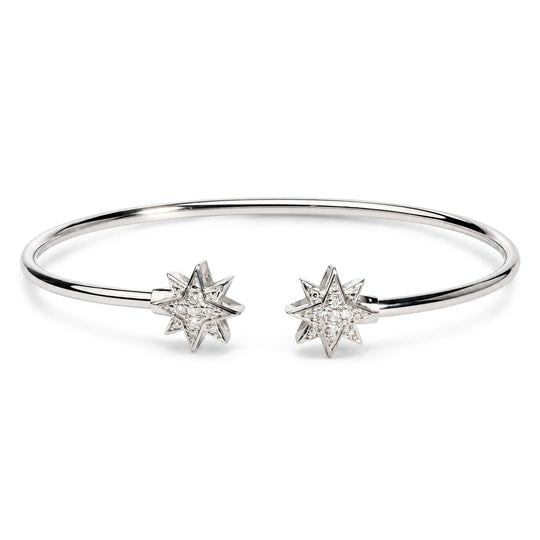
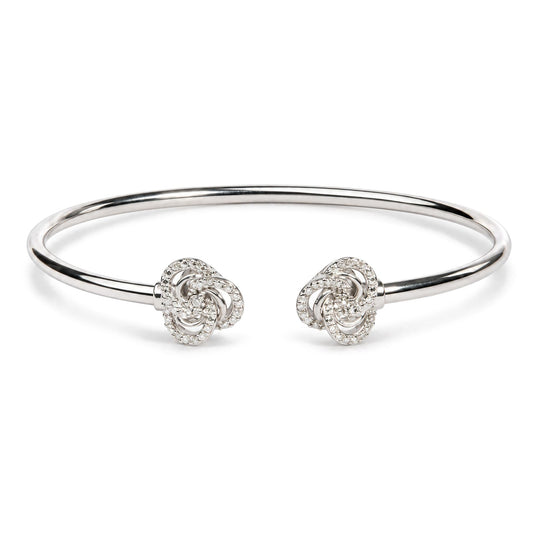
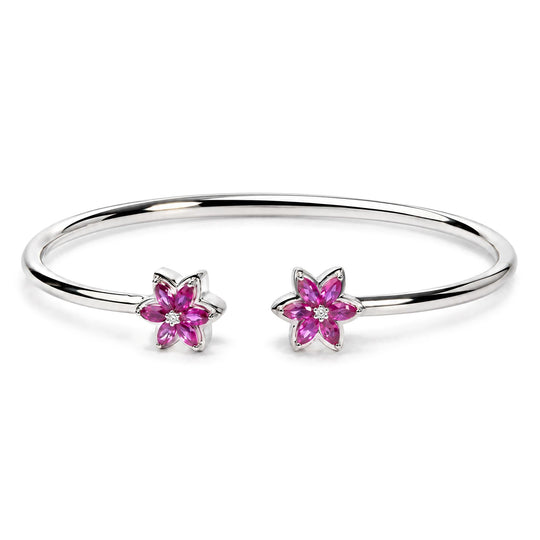
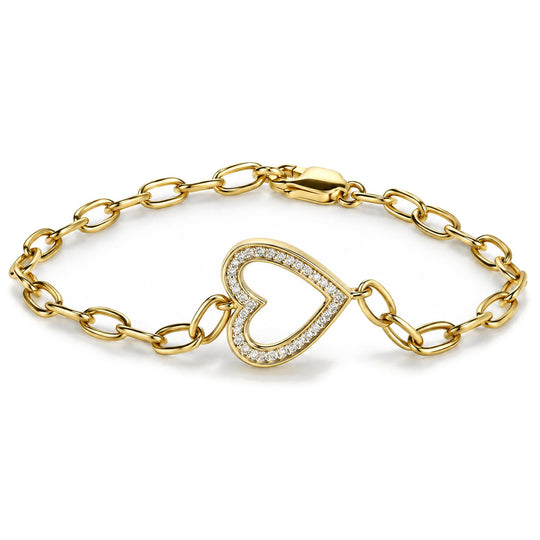
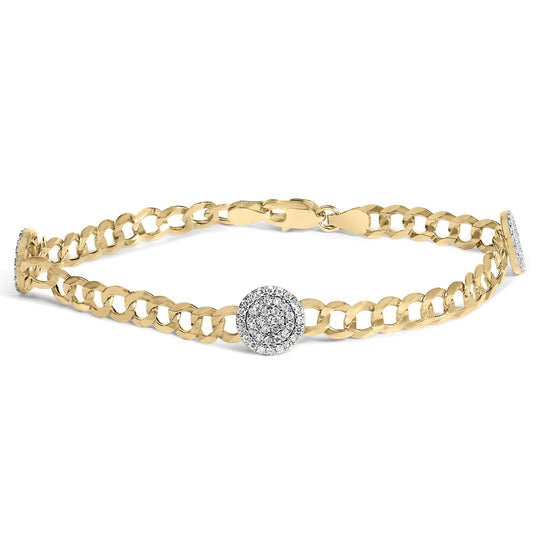
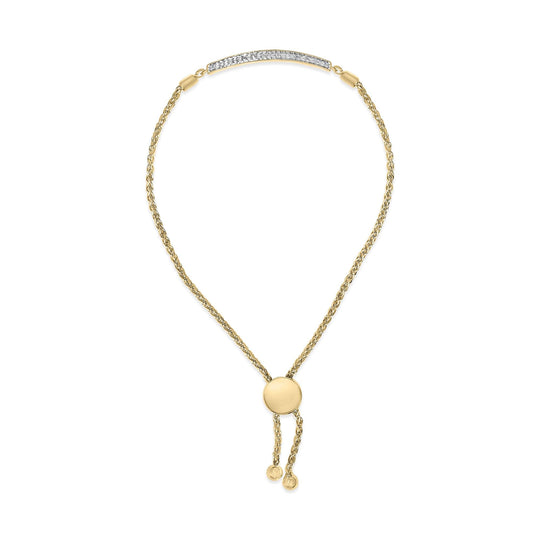
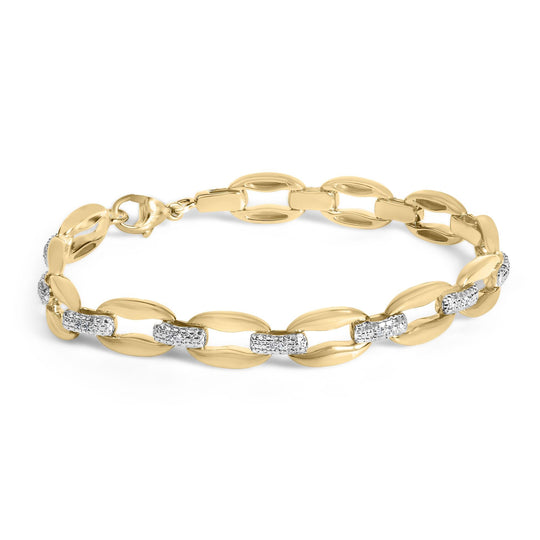
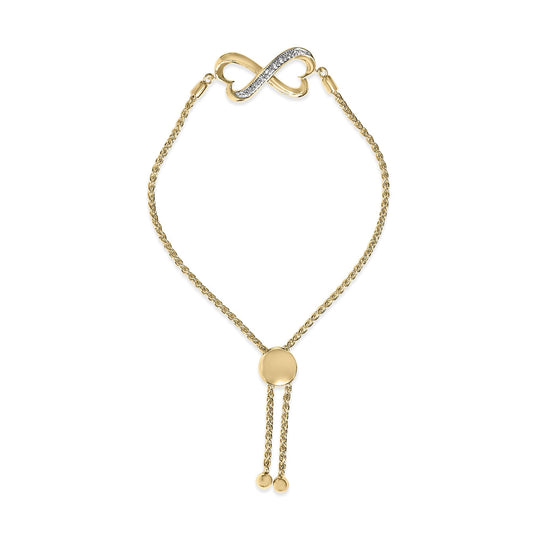
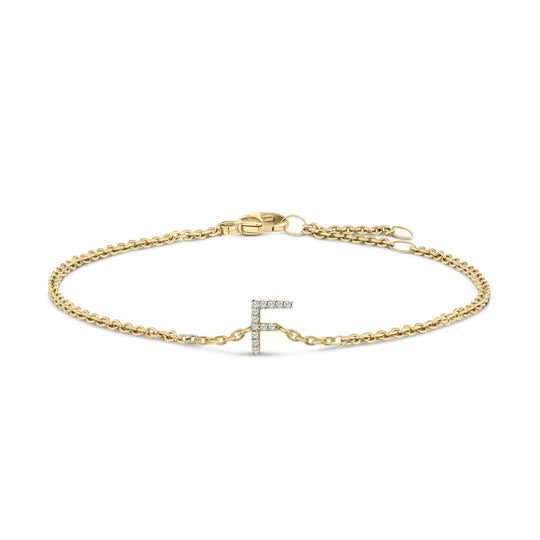
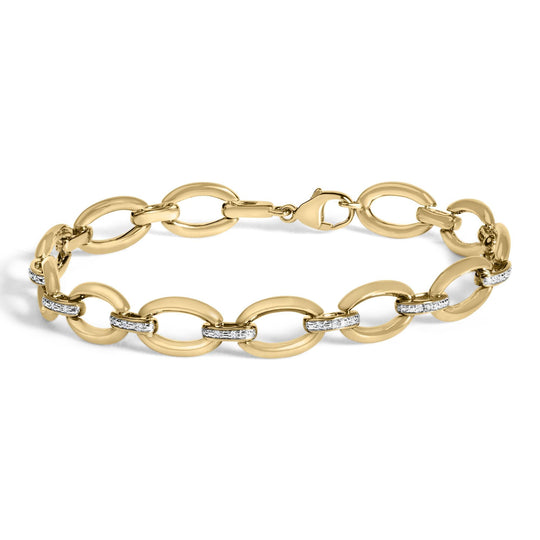
Beyond the tennis bracelet, diamond bracelets appear in several formats. Bangles with channel-set or pave diamonds distribute sparkle evenly across a rigid band. Cuff bracelets incorporate larger or more complex diamond settings into structured forms. Chain bracelets with diamond accents offer a more understated take on wrist sparkle. Charm bracelets with diamond-set elements are the most casual end of the diamond bracelet spectrum. For the definitive diamond bracelet, the tennis bracelets range covers every configuration.

Diamond Bracelet Sizing and Wearing

Tennis bracelet sizing follows the same wrist measurement principle as all bracelets: measure around the wrist and add one inch for comfortable movement. Standard tennis bracelet lengths are 6.5 to 7.5 inches for adults, with 7 inches being the most widely available. A properly sized tennis bracelet should rotate freely without slipping over the hand. A bracelet that sits too tight restricts movement and risks setting damage over time. For sizing context across diamond jewelry, the diamond rings page covers sizing guidance that applies the same fitting principles.

Choosing Diamond Bracelet Metal: White, Yellow, and Rose Gold

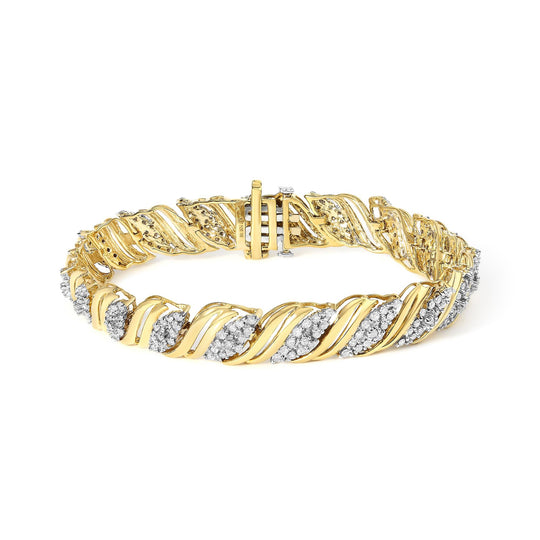
White gold is the most widely chosen metal for diamond bracelets, particularly tennis bracelets, because the neutral tone creates a seamless visual flow along the diamond line. Yellow gold produces a warmer, more traditional look and suits vintage-inspired settings well. Rose gold diamond bracelets have grown significantly in popularity and create the most distinctive look in the category. For the full gold bracelet range, the gold bracelets range covers every metal tone and style. Every order ships free with a 30-day return policy.

Frequently Asked Questions

What is a diamond tennis bracelet?

A tennis bracelet is a continuous row of individually prong-set diamonds in a flexible shared-prong setting. Each stone is secured by shared prongs with adjacent stones, creating a continuous sparkle line that drapes naturally around the wrist. The style became widely known when tennis player Chris Evert stopped a match in 1987 when her diamond bracelet fell from her wrist. Tennis bracelets are sized in total carat weight across the full line of stones.

How do you size a diamond tennis bracelet?

Diamond tennis bracelet sizing starts by measuring the circumference of your wrist and adding one inch for comfortable movement. Standard tennis bracelets are sold in 6.5, 7, and 7.5 inch lengths, with 7 inches being the most widely available. A properly fitted tennis bracelet should rotate freely on the wrist without slipping over the hand. If between sizes, the larger size is generally preferable: a bracelet that sits too tight restricts movement and puts stress on the prong settings over time.

Can you wear a diamond tennis bracelet every day?

Diamond tennis bracelets are designed for regular wear with standard care. The practical habits that extend the piece's condition are removing before swimming in chlorine, before sports or heavy manual work, and before sleep. Have a jeweler check the prong tips annually: tennis bracelet prongs are small and consistent wear can loosen individual settings, so catching one before it becomes loose prevents losing a stone.

What total carat weight is good for a diamond tennis bracelet?

Diamond tennis bracelets are most commonly purchased in the 2.0 to 3.0 total carat weight range, providing a clearly visible diamond line with substantial presence at the wrist. Below 1.0 total carat weight, the stones can appear small and the sparkle line light. Stone size and count within the total carat weight affect the look: fewer larger stones read bolder; more smaller stones read more delicate and glittering. Cut quality within the total carat weight determines how much sparkle the bracelet delivers. For how cut quality and the four Cs affect sparkle, read how to evaluate diamond quality.
How do you care for a diamond bracelet?

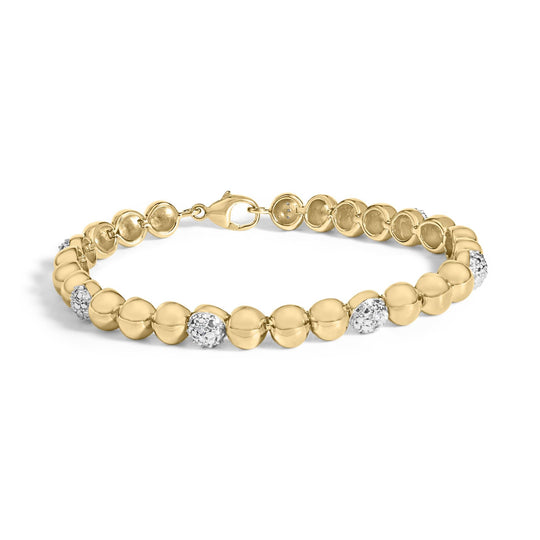
Diamond bracelets are maintained by removing before chlorinated swimming, cleaning regularly with warm water and mild soap using a soft brush, and having settings inspected annually. For tennis bracelets specifically, check that the box clasp or figure-eight safety clasp engages fully after putting on the bracelet each time, as clasps can loosen with wear. Store flat or coiled in a pouch to prevent kinking chain elements. A bracelet stored loose in a jewelry box risks having prongs snagged.
What is the difference between a tennis bracelet and a diamond bangle?

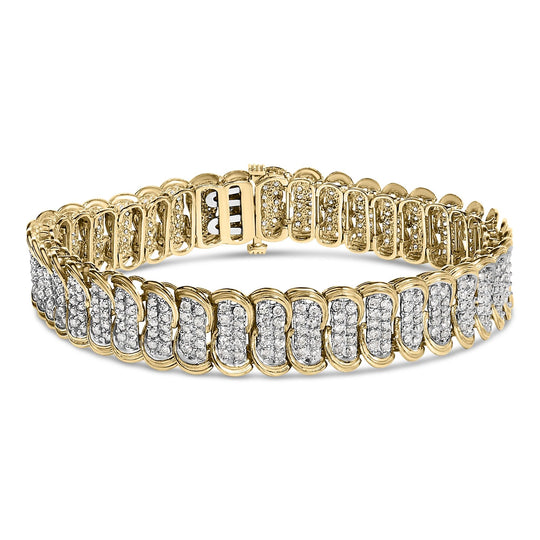
Diamond bracelets span two primary construction formats at the wrist: tennis bracelets, which are flexible and use a box or safety clasp, and bangles, which are rigid or hinged bands that slip over the hand without a clasp. Diamond bangles set stones into the fixed structure of the band, most often in channel, bezel, or pavé settings. Tennis bracelets create a continuous glittering line; diamond bangles tend toward a more structured, architectural look. Both suit formal and elevated casual wear.

What metal is best for a diamond tennis bracelet?

Diamond bracelets, particularly tennis bracelets, suit white gold most naturally because the neutral tone creates the clearest visual transition from link to diamond, maximizing the continuous sparkle appearance. Yellow gold produces a warmer, richer look and suits lower color-grade stones. Rose gold has grown in popularity and creates the most distinctive aesthetic in the category. Metal choice should be consistent with other fine jewelry pieces the buyer wears regularly, as the tennis bracelet is often worn alongside a watch or other bracelets.

What diamond earrings complement a diamond bracelet?

Diamond bracelets complement most naturally at the ear with diamond stud earrings in matching metal. The shared small-stone sparkle language across wrist and ear creates a cohesive look without requiring matching size. For formal occasions where the bracelet is the wrist focal piece, keeping earrings at moderate size ensures the bracelet remains the primary accent.

What diamond necklaces pair with a diamond bracelet?

Diamond bracelets balance most naturally at the neckline with understated necklace options: a diamond solitaire pendant or thin station necklace adds presence without competing with the wrist piece. For formal occasions, a tennis necklace creates full visual symmetry. The diamond necklaces range covers all complementary options.

How do diamond chains compare to diamond bracelets?

Diamond bracelets share design logic with diamond chains worn as necklaces: both distribute sparkle along the full length of the piece rather than concentrating it at a single point. The main distinction is application: bracelets are wrist-worn; chains are neck-worn. The diamond chains range covers the necklace equivalent.

×
Your Bag
Subtotal (tax excl.) $0
 
Example
Example
Example
(0 )
Example
View detail
Example
Example
Option1
Option2
Option3
Option1
Option2
Option3
Sold out
Quantity
Add To Cart
Buy Now
Compare
Add Wishlist
Share:
0
0