How to Buy Diamond Rings: Cut, Quality, and the Right Setting
The 4Cs and What They Mean for Diamond Ring Buyers
The 4Cs, cut, color, clarity, and carat, are the global standard for evaluating diamonds. Cut is the most critical factor: a well-cut diamond reflects light brilliantly regardless of its other grades, while a poorly cut stone looks dull even at high clarity. Carat is weight, not diameter, so two stones of equal carat can appear different sizes depending on cut proportions. The rings range covers the full selection of diamond and non-diamond options.
Natural vs. Lab-Grown Diamonds in Rings
Both natural and lab-grown diamonds are chemically, optically, and physically identical to each other; the only difference is origin. Natural diamonds form over millions of years underground; lab-grown diamonds replicate that process in a controlled environment in weeks or months. Because both are graded on the same 4Cs, lab-grown diamonds are the common choice for buyers who want to prioritize cut and carat size, while natural diamonds carry the rarity and provenance of a mined stone. For diamond rings where the design context is most important, see the engagement rings range.
Diamond Ring Setting Styles and What They Do
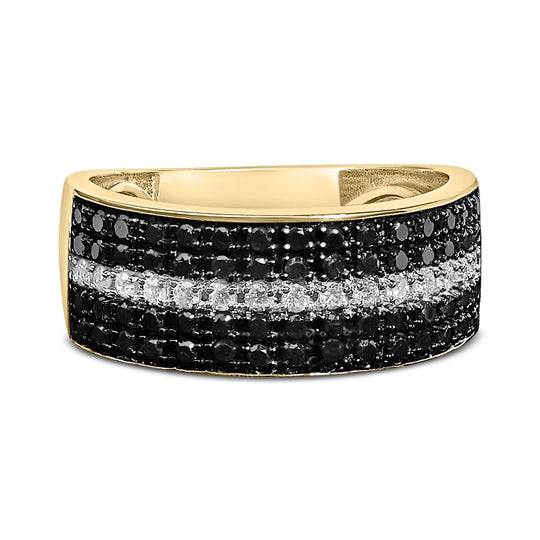
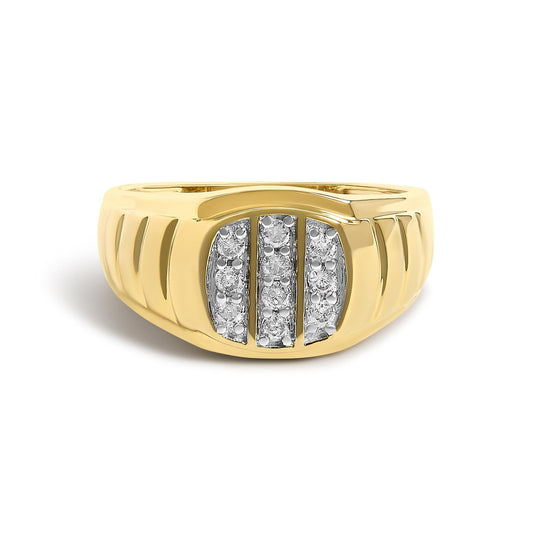
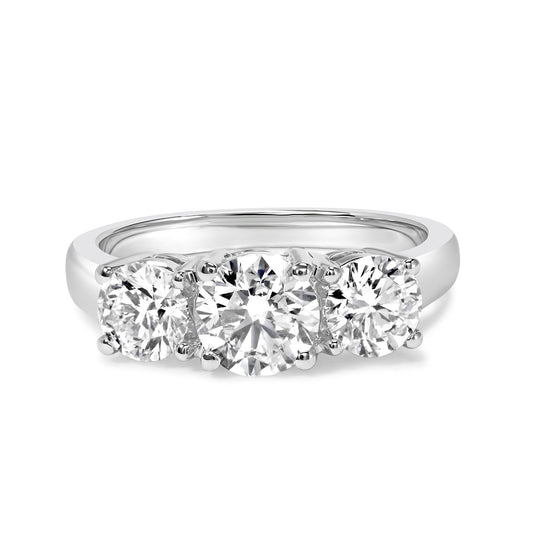
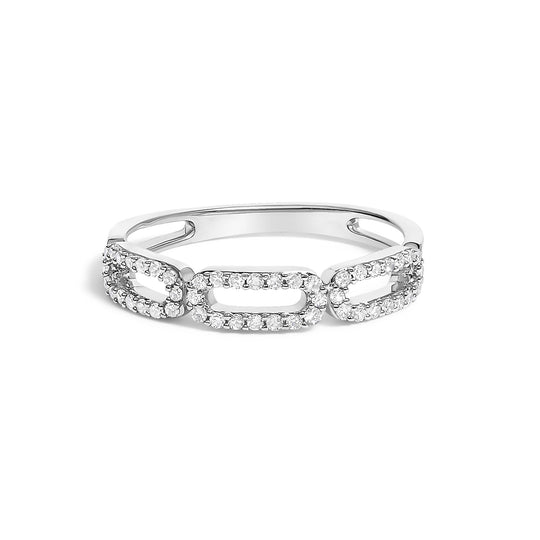
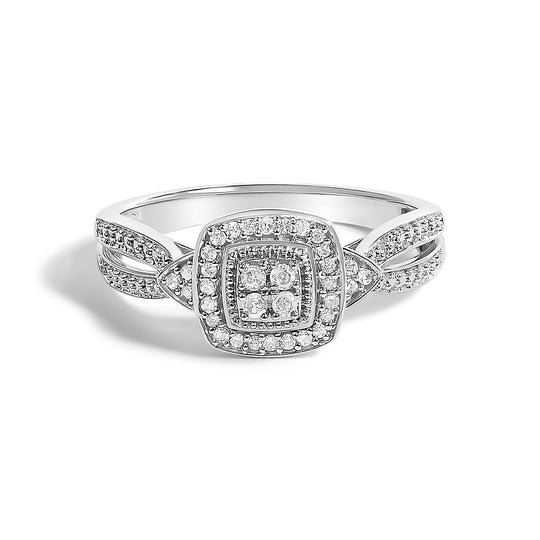
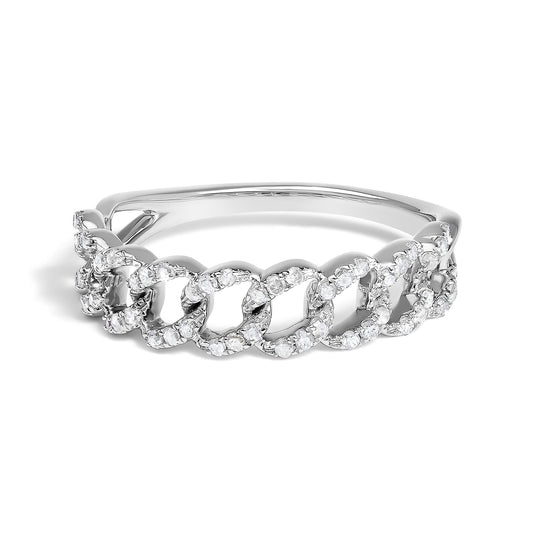
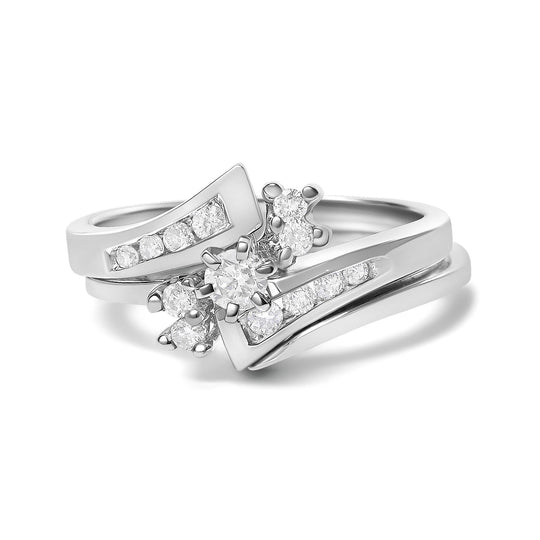
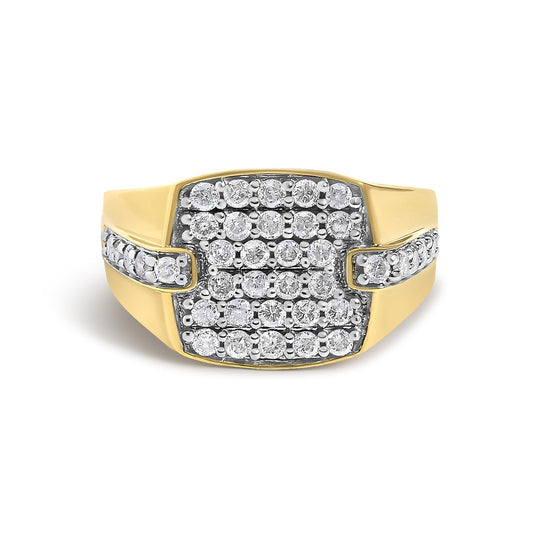
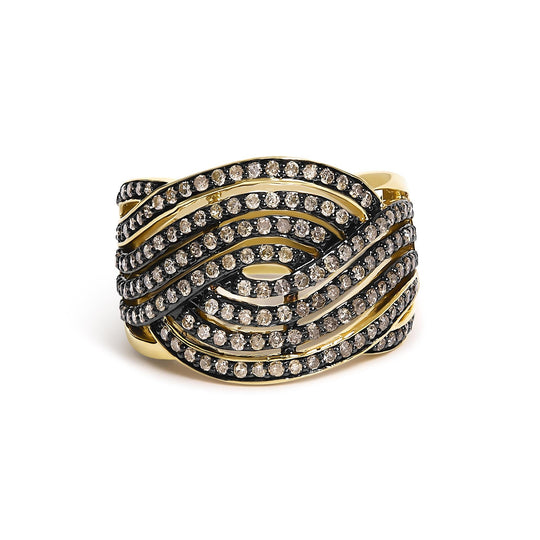
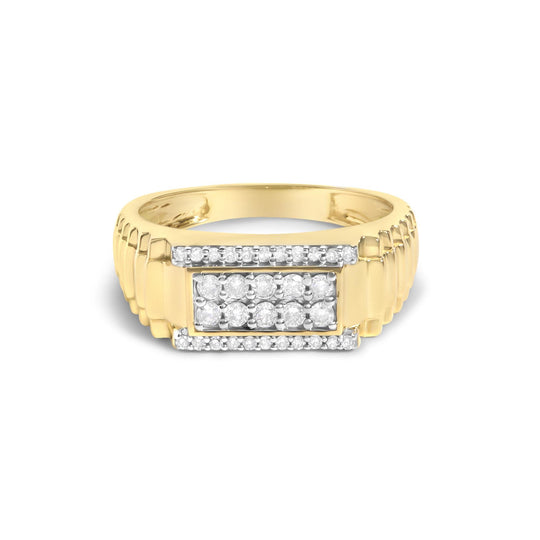
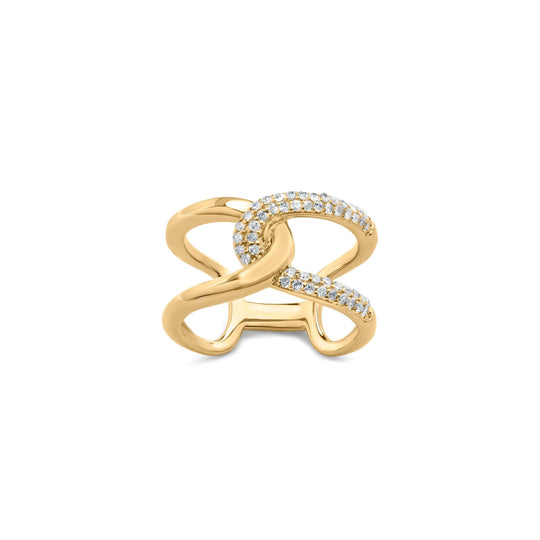
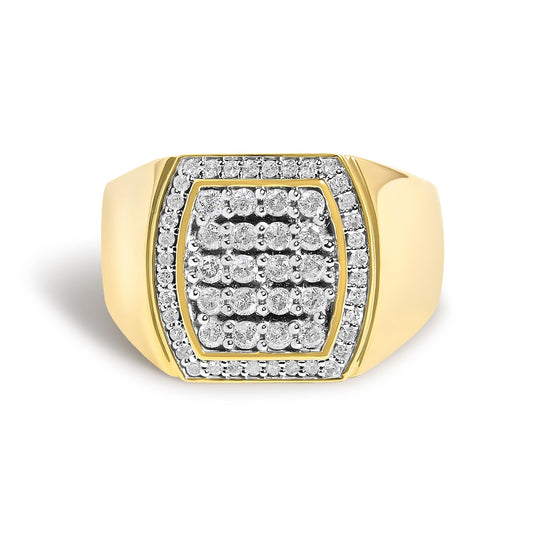
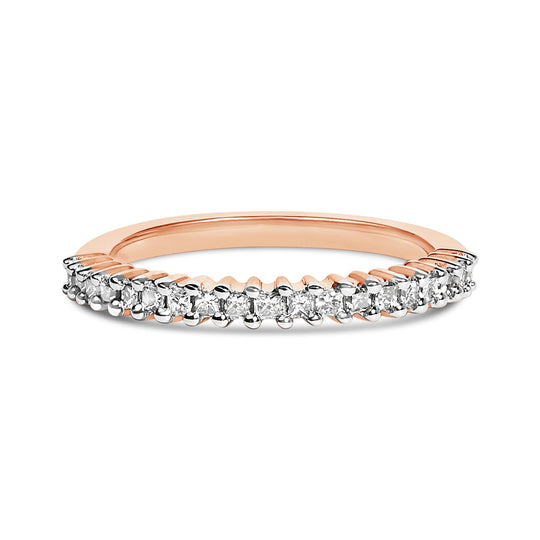
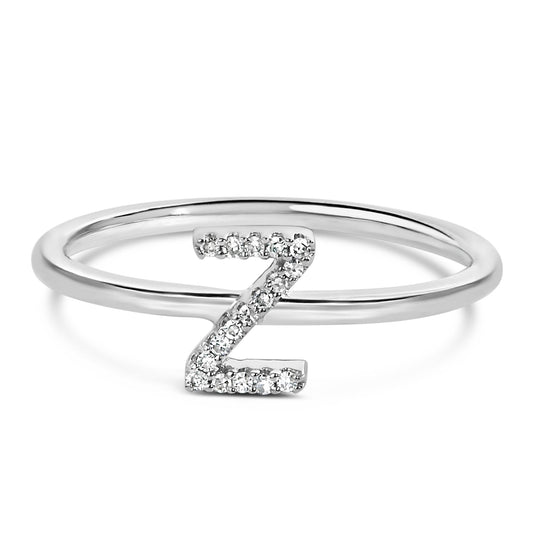
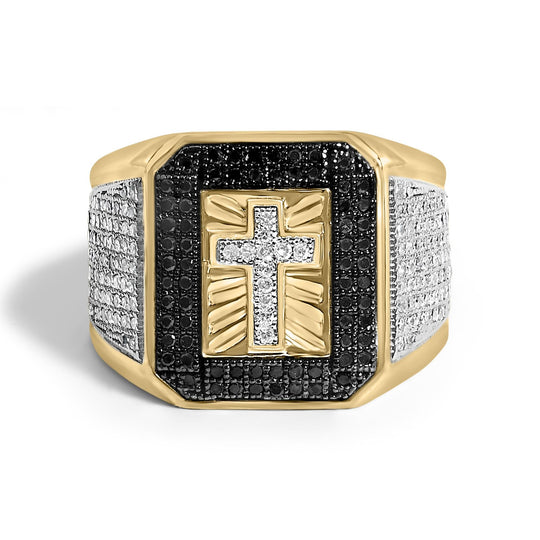
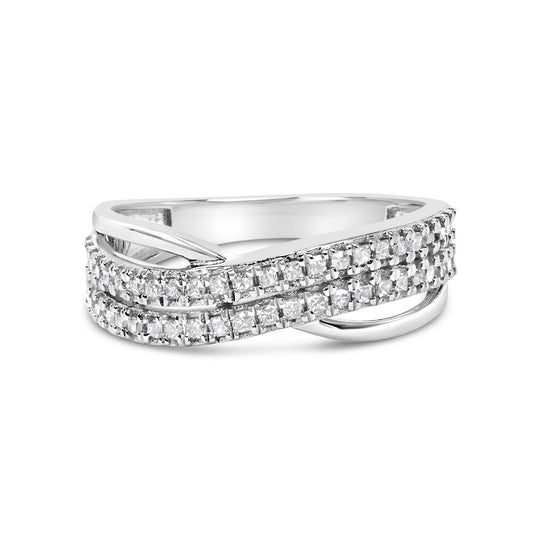
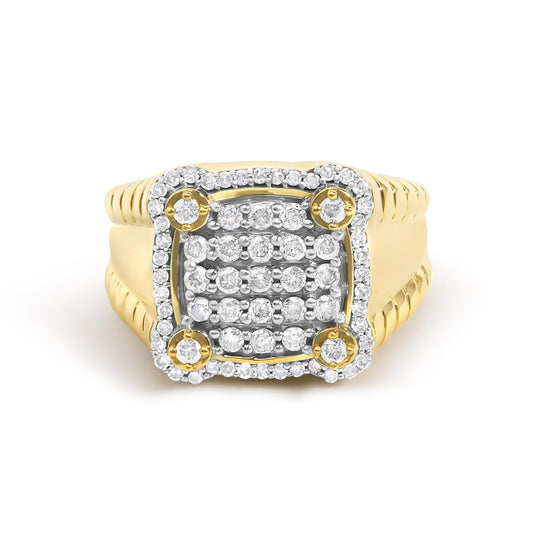
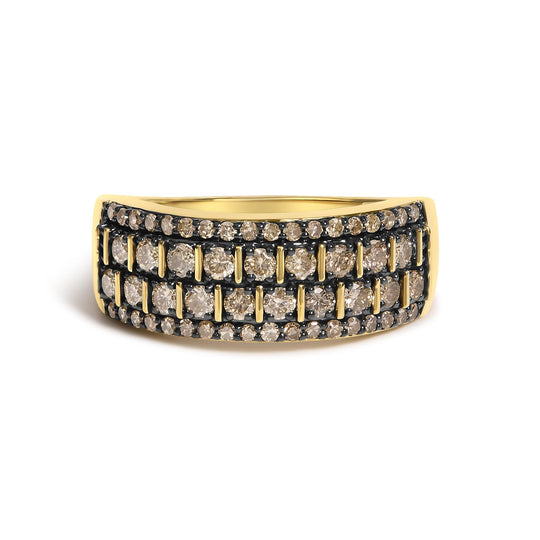
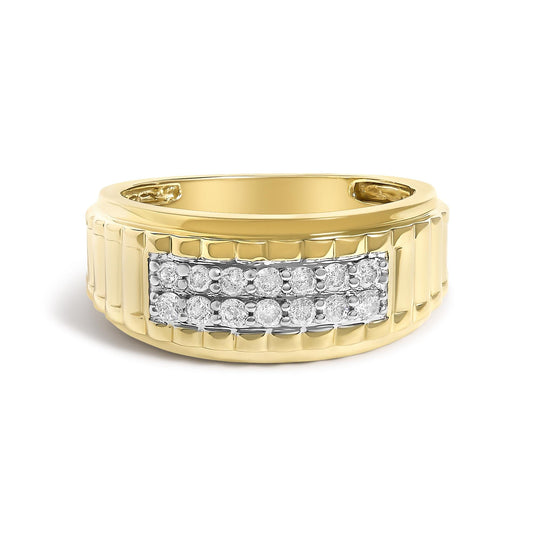
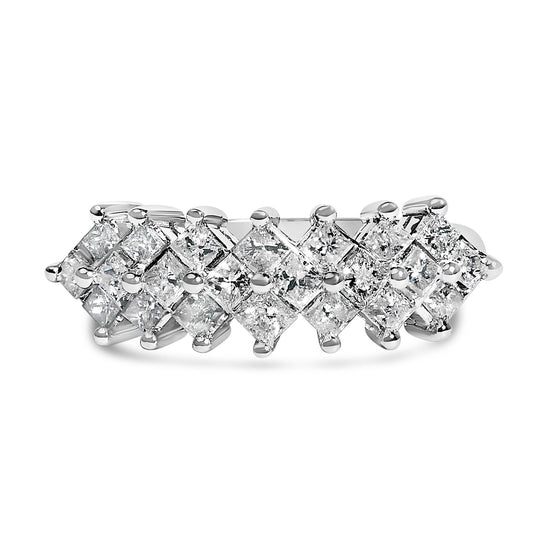
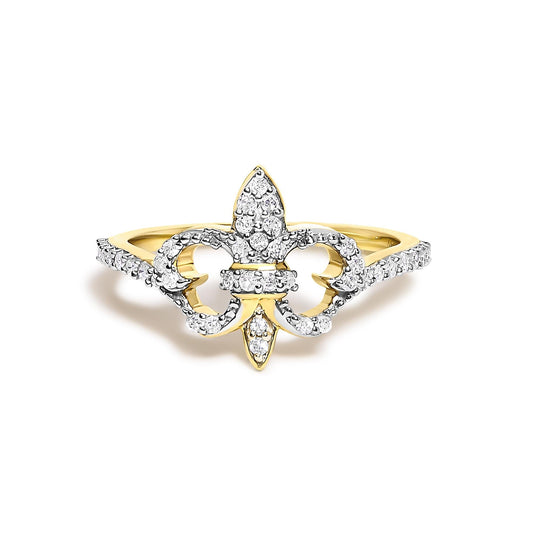
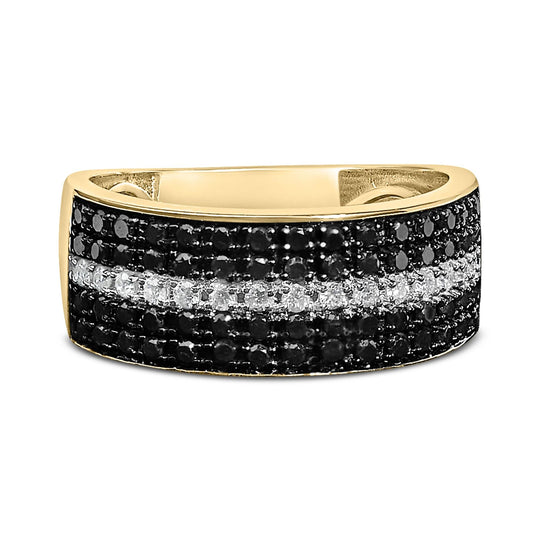
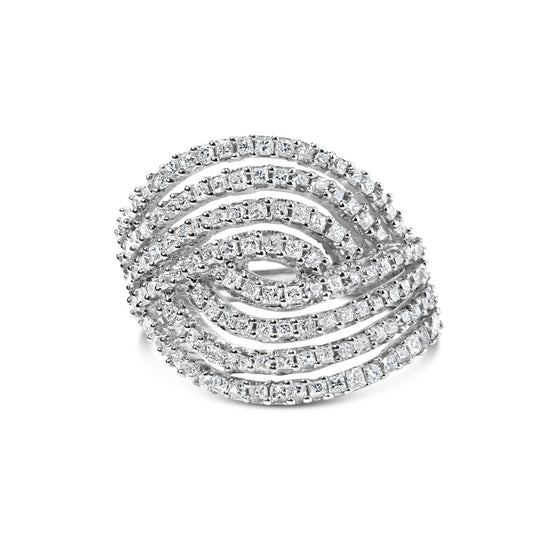
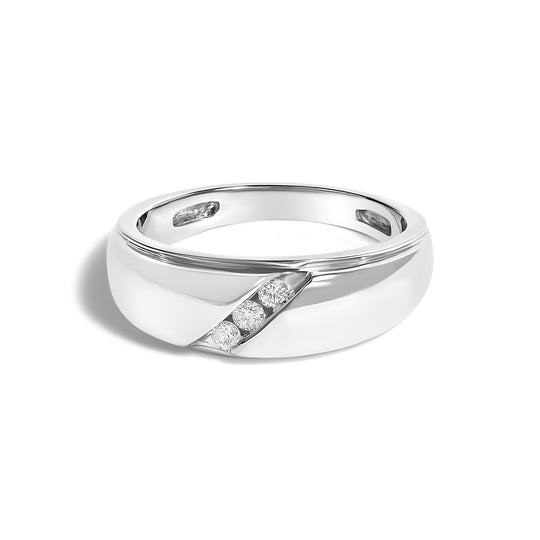
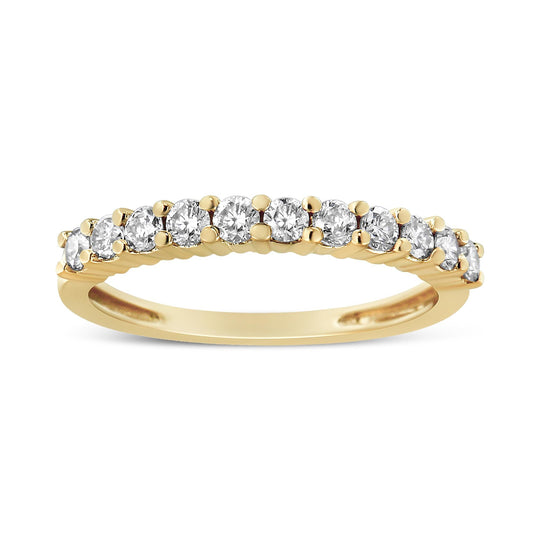
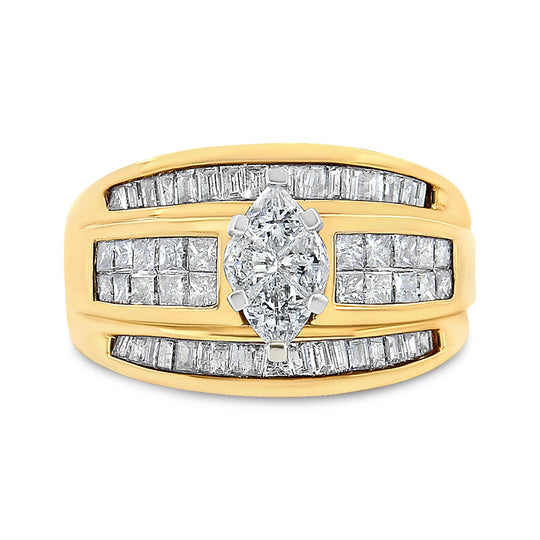
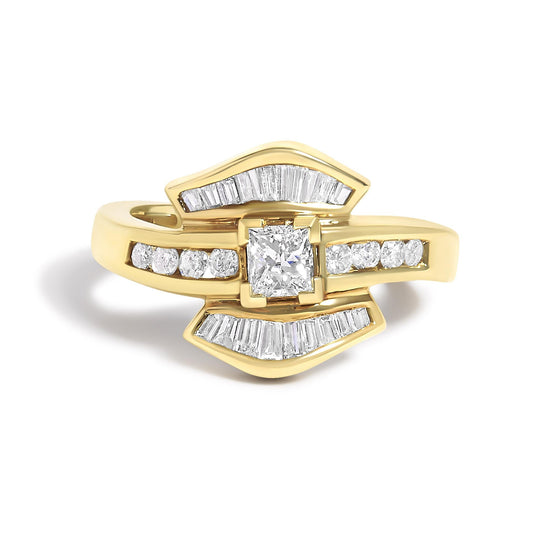
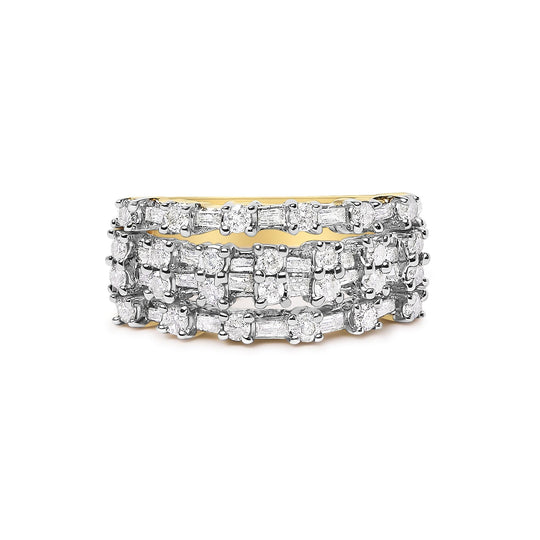
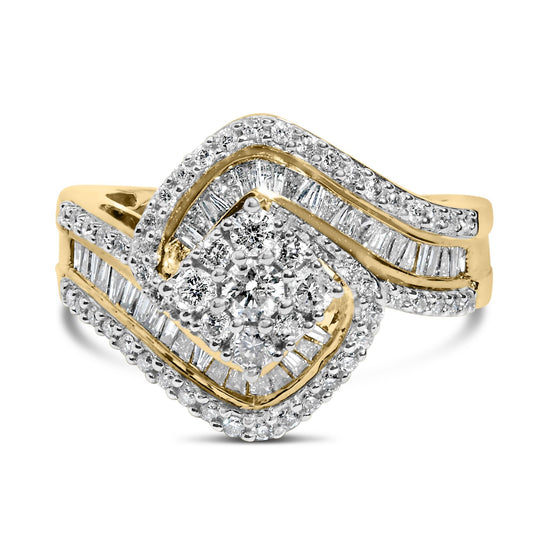
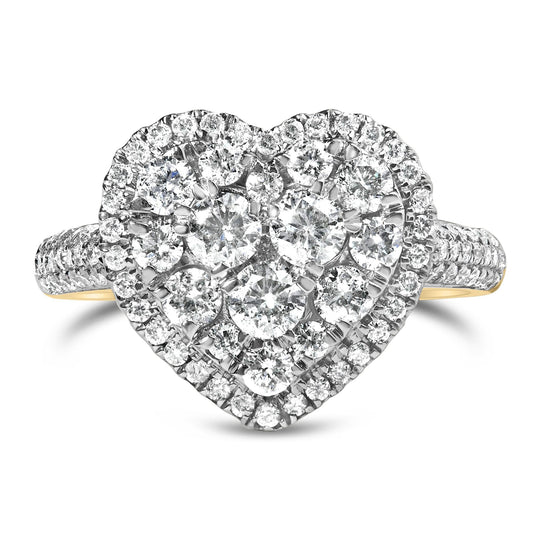
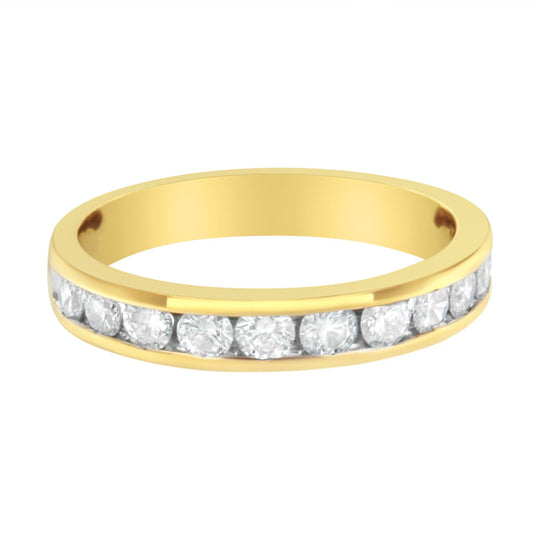
The setting type determines how the diamond is presented and how protected it is from daily wear. Prong settings hold the stone by its edges and maximize light entry, emphasizing the gem's brilliance. Bezel settings wrap the stone fully in metal, providing the strongest protection and a clean, modern look. Channel settings embed smaller diamonds in a groove within the metal band. Pavé settings cover the metal surface with tiny diamonds for all-over sparkle. For the classic single-stone option that showcases cut above all else, the solitaire rings range covers the full single-stone selection.
How Metal Choice Affects the Diamond's Appearance
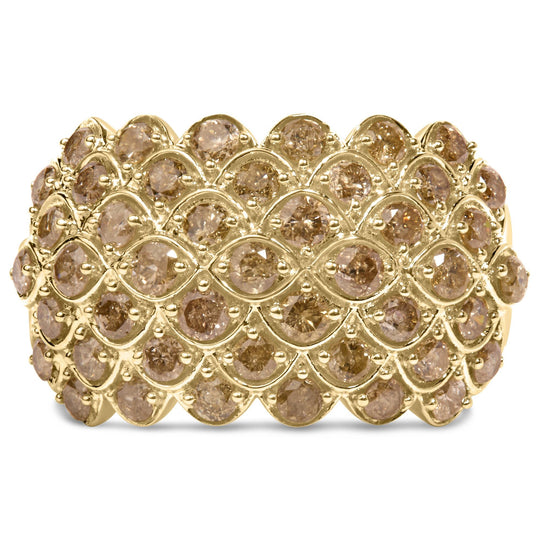
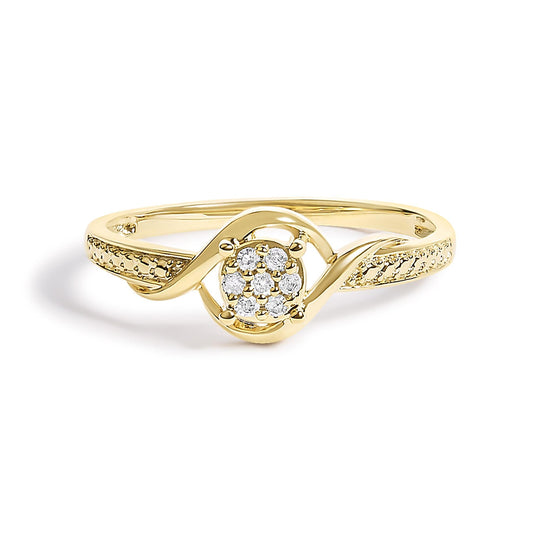
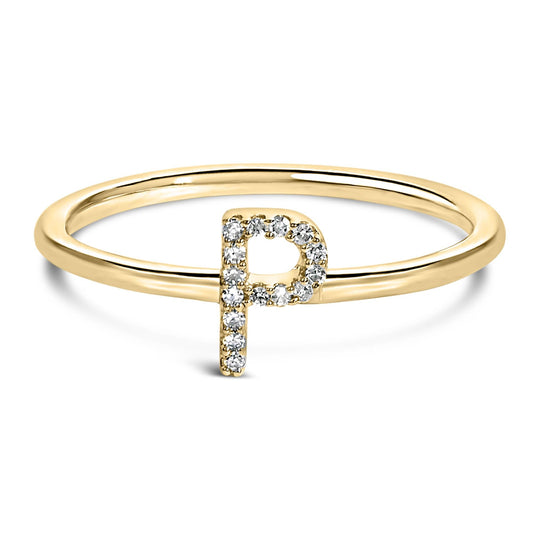
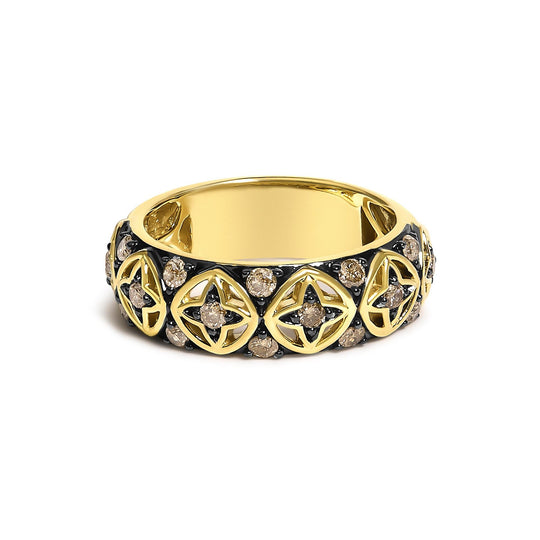
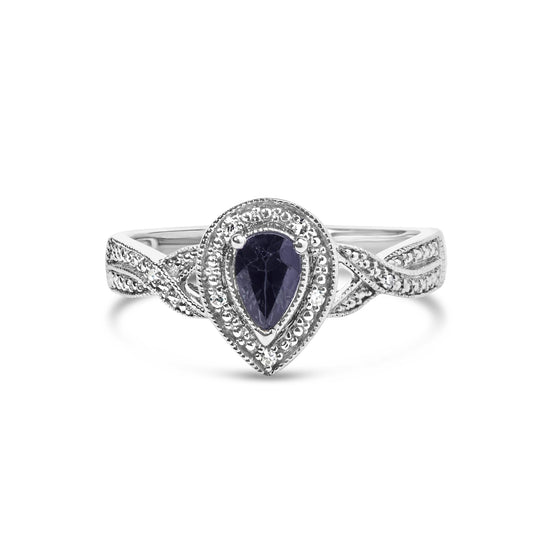
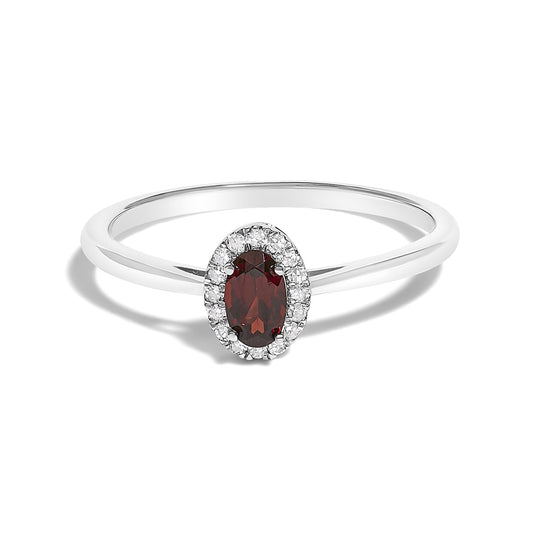
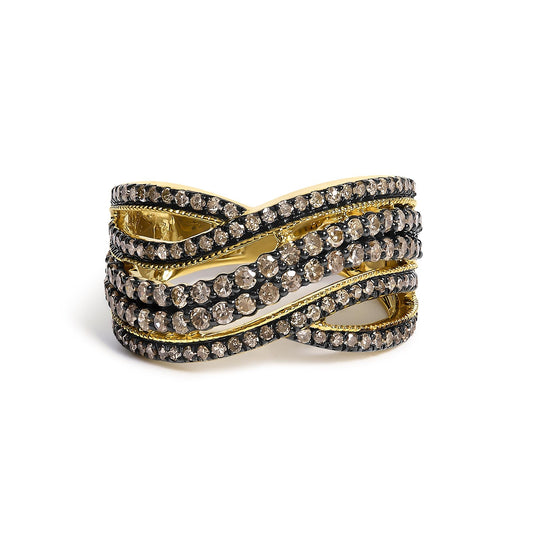
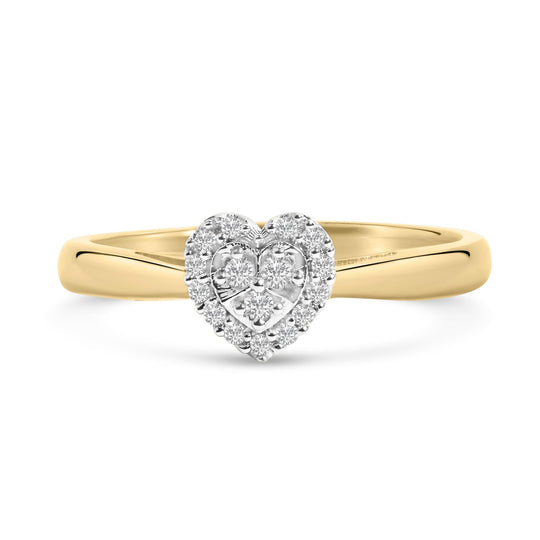
The metal choice changes how the diamond reads visually. White gold and platinum create a seamless transition to a colorless diamond's body, making the stone appear larger and brighter against the neutral backdrop. Yellow gold creates a warmer pairing that reads as vintage-inspired and can make lower-color diamonds appear richer rather than yellowish. Rose gold softens the look and deepens warmer-toned stones like champagne diamonds. For a setting style where surrounding smaller stones amplify the center stone's apparent size, the halo rings range covers how surrounding stones maximize visual impact. Every order ships free with a 30-day return policy.