Skip to content
Every order ships free with a 30-day return policy  ·  Browse new arrivals

Sapphire Earrings

Sapphire Earrings in Gold and Silver

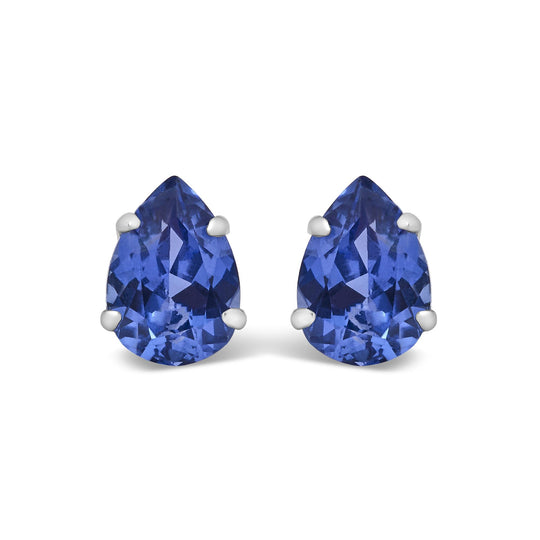
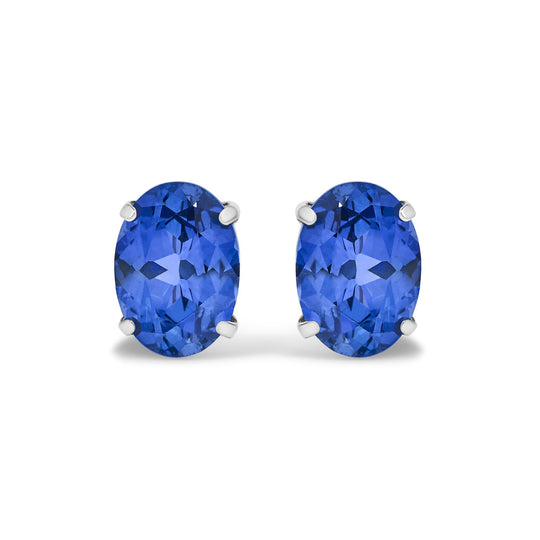
Sapphire's deep blue is among the most recognized colors in fine jewelry, and it reads clearly in earring settings at a range of sizes. Oath's sapphire earrings are set in 10K, 14K, and 18K gold and sterling silver, with genuine sapphires across a range of styles. Every sapphire earring order ships free, with returns open for 30 days.

  • Genuine Gemstones
  • Free Shipping
  • 30-Day Returns

Choosing Sapphire Earrings: Color, Setting, and Quality

Sapphire Color Variations and What They Mean for Earrings

Most people picture deep blue when they hear sapphire, but sapphires come in nearly every color except red, which is reserved for ruby, a different variety of the same mineral. The most prized blue sapphires are vivid, medium-dark blue with strong saturation. Ceylon sapphires from Sri Lanka tend toward a lighter cornflower blue; Kashmir sapphires are the most valued for their velvety medium blue; Australian sapphires skew darker. Pink sapphires, yellow sapphires, and orange-pink Padparadscha sapphires are all the same mineral family. Browse sapphire jewelry for the full range of sapphire jewelry styles.

Sapphire vs. Diamond Earrings: How They Compare

Sapphires bring color as their primary attribute; diamonds bring colorless brilliance. In earrings, this translates to a different visual role: sapphire studs create a rich color accent at the ear, while diamond studs create a sparkling reflective presence. Sapphires are rated 9 on the Mohs scale, just below diamond at 10, making them one of the hardest gemstones and well-suited to daily earring wear. A deep blue sapphire stud in white gold reads as formal and classic; a pink sapphire in rose gold reads as feminine and contemporary. Browse diamond earrings for the diamond comparison.

Setting Styles for Sapphire Earrings

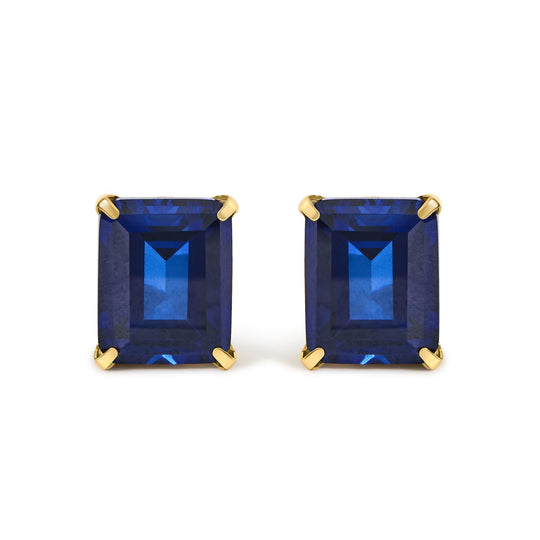
Prong settings lift the sapphire away from the metal surface, allowing light to enter the stone from multiple angles and enhancing color saturation. Bezel settings wrap the stone in metal, producing a clean modern look and protecting the stone's edge. Halo settings surround the sapphire with a ring of smaller diamonds, adding contrast sparkle and making the central stone appear larger. For blue sapphires in particular, bezel settings in yellow gold produce a richly traditional result; white gold halos create a more contemporary high-contrast look. Browse gold earrings for gold earring options as a reference.

What to Look for When Buying Sapphire Earrings

Color is the primary quality criterion in sapphires, not clarity. A vivid, evenly saturated stone with good transparency is more valuable than a pale stone at a higher clarity grade. Look for consistent color between both earrings in a pair, as matching sapphires is more difficult than matching diamonds. Inclusions in sapphires are common and acceptable as long as they don't visibly break up the color or reduce transparency. Browse sapphire rings for a reference on what quality sapphire looks like in a ring setting. Every order ships free with a 30-day return policy.

Frequently Asked Questions

Are sapphires good for earrings?

Sapphires are rated 9 on the Mohs hardness scale, making them one of the most durable gemstones for jewelry. They resist scratching during regular earring wear and hold up to daily contact better than softer stones like opal, pearl, or amethyst. Their hardness makes them practical in all earring settings, including prong settings where the stone's surface is fully exposed. They are second only to diamonds in hardness among commonly used gemstones.

What does a natural sapphire earring look like?

Natural sapphires typically have visible color zoning, slight variations in color distribution within the stone, and minor inclusions, which are expected characteristics of natural gemstones. The most prized color is a vivid, medium-dark blue with strong saturation and good transparency. Lab-created sapphires often look more perfect by comparison: very even color with minimal inclusions. Natural sapphires may have a slight asterism (star effect) if cut as a cabochon, which is a distinctive identifying feature.

What is the difference between natural and lab-created sapphires?

Natural and lab-created sapphires are chemically identical: both are corundum with trace elements that produce color. Lab-created sapphires have the same physical properties as natural ones, including the 9 Mohs hardness rating. They are available at substantially lower cost per carat for the same or better visual quality. The primary reason buyers choose natural sapphires is rarity and the value placed on natural origin, not any difference in appearance or durability.

How do you care for sapphire earrings?

Warm water, mild soap, and a soft toothbrush are safe for sapphire earrings. Sapphires are highly resistant to chemicals and scratching, making them lower maintenance than many other gemstones. Avoid ultrasonic cleaners if the sapphires have fracture-filling treatments, which some lower-grade natural sapphires receive. Have earring settings checked annually, particularly prong tips. Remove before activities where the earrings might catch on fabric or equipment.

What metal is best for sapphire earrings?

Blue sapphires pair well with white gold and platinum, which provide a cool, high-contrast backdrop that lets the sapphire's blue read most clearly. Yellow gold creates a warmer, more traditional pairing and was the historical choice for fine sapphire jewelry. Rose gold suits pink and peach-toned sapphires particularly well, creating tonal harmony in the warm color range. The metal choice should complement the sapphire's specific color tone and match other jewelry worn regularly.

What color sapphire is most popular for earrings?

Deep, vivid blue remains the most widely purchased sapphire color for earrings due to its broad recognition and classic appeal. Cornflower blue, a lighter, brighter blue from Ceylon sapphires, is particularly well-suited to everyday wear due to its lighter visual weight. Pink sapphires have grown significantly in demand as an alternative to pink diamonds. Yellow sapphires appeal to buyers who want a warm, sunlit color that yellow gold enhances particularly well. For more on how sapphire color drives quality and value, read how to evaluate sapphire quality.

Can you wear sapphire earrings every day?

Sapphires' hardness makes them one of the best gemstones for daily earring wear. They resist surface scratching from everyday contact better than most colored stones. Standard care applies: remove before swimming in chlorine to protect the metal settings, clean periodically with mild soap and water, and have settings inspected annually. The main exception is fracture-filled sapphires, which require more careful handling and should avoid ultrasonic cleaning.

What sapphire necklaces pair with sapphire earrings?

A sapphire pendant or station necklace in matching metal creates a cohesive look across ear and neckline. When wearing sapphire studs as the primary focal piece, keep the necklace lighter in visual weight: a delicate sapphire pendant or a plain gold chain keeps the balance right. Matching the sapphire color tone between the earring and necklace stones creates the most intentional result. Browse sapphire necklaces for options.

What sapphire bracelets coordinate with sapphire earrings?

A sapphire bracelet in matching metal brings the same gemstone color to the wrist, creating a cohesive look. Tennis-style bracelets with matched sapphires are the most formal option; a sapphire accent bracelet or charm piece suits everyday wear. When wearing sapphire pieces at both the ear and wrist, metal consistency across both creates the most intentional result.

What earring styles are available in sapphire?

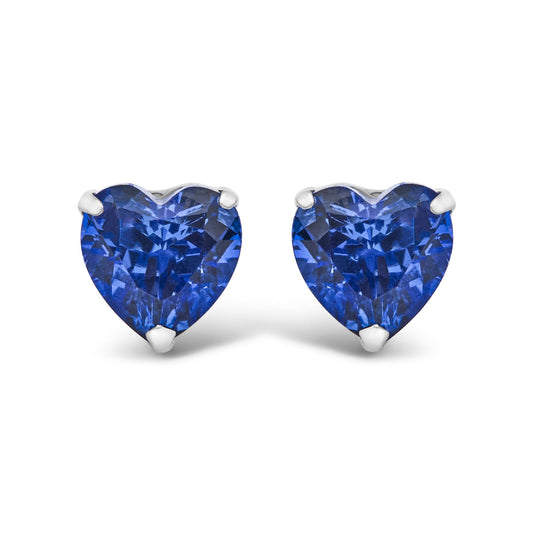
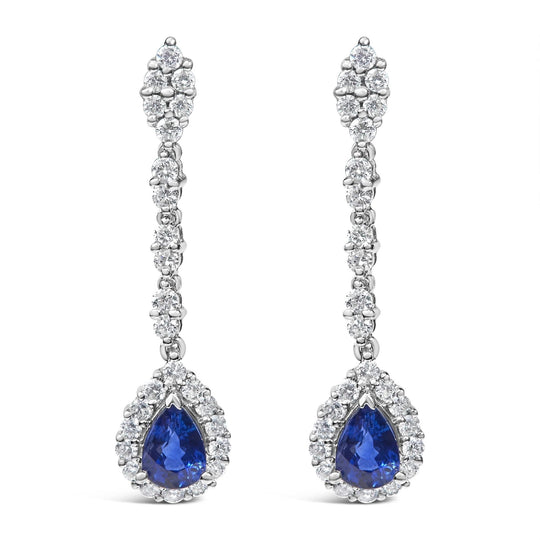
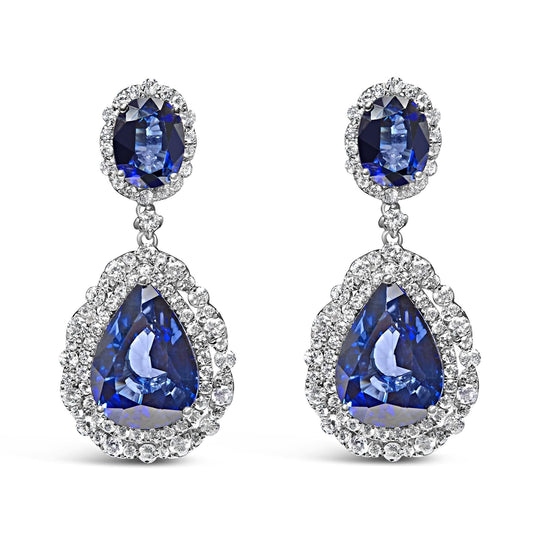
Sapphire studs are the most widely available style, offered in round, oval, and cushion cuts in prong or bezel settings. Halo sapphire earrings surround the center stone with a ring of smaller diamonds for a more ornate result. Dangle and drop earrings feature sapphires in elongated settings or suspended on fine chains for movement. Huggie hoops with sapphire accents are popular for everyday wear. For stud settings across gemstone types, browse stud earrings.

Your Bag
Subtotal (tax excl.) $0
 
Example
Example
Example
(0 )
Example
View detail
Example
Example
Option1
Option2
Option3
Option1
Option2
Option3
Sold out
Quantity
Add To Cart
Buy Now
Compare
Add Wishlist
Share:
0
0