Skip to content
Every order ships free with a 30-day return policy  ·  Browse new arrivals

18K Rings

18K Gold Rings in Fine and Contemporary Styles

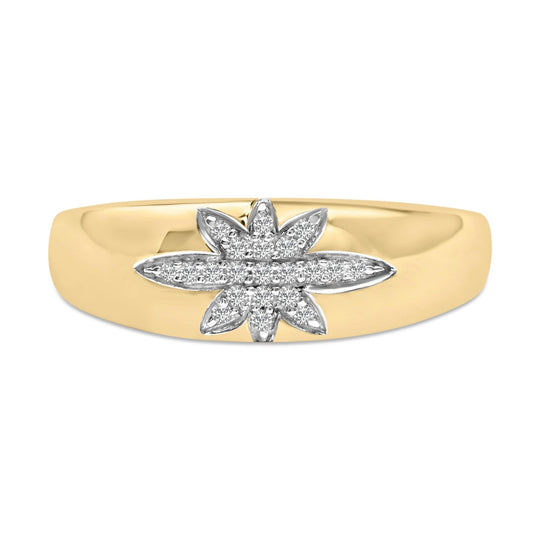
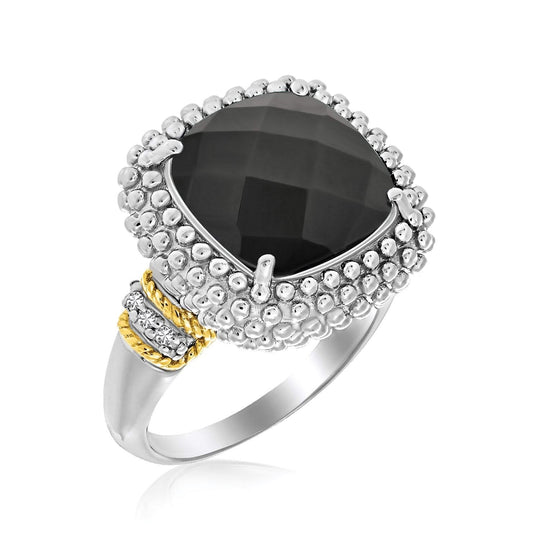
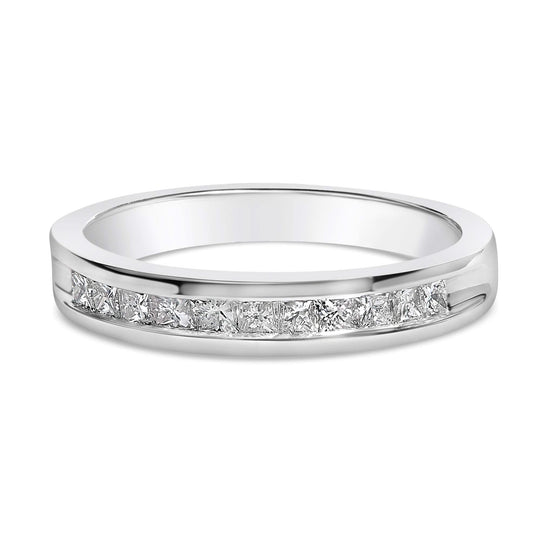
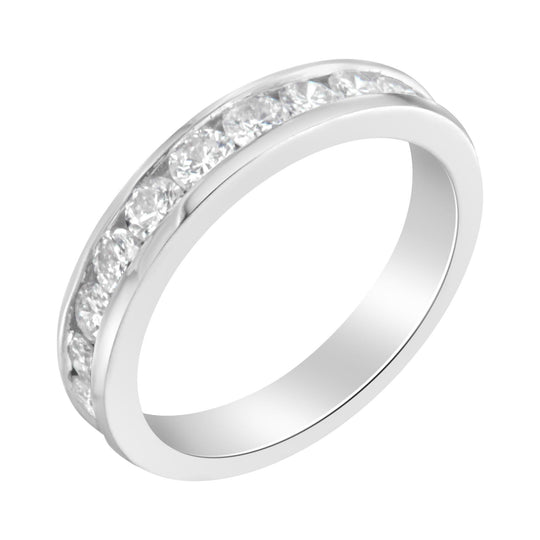
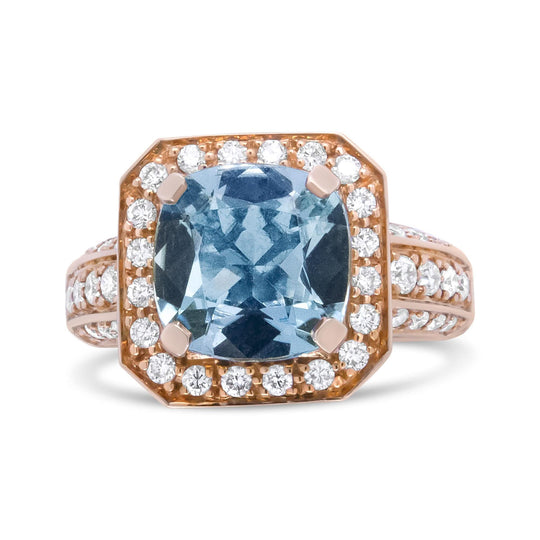
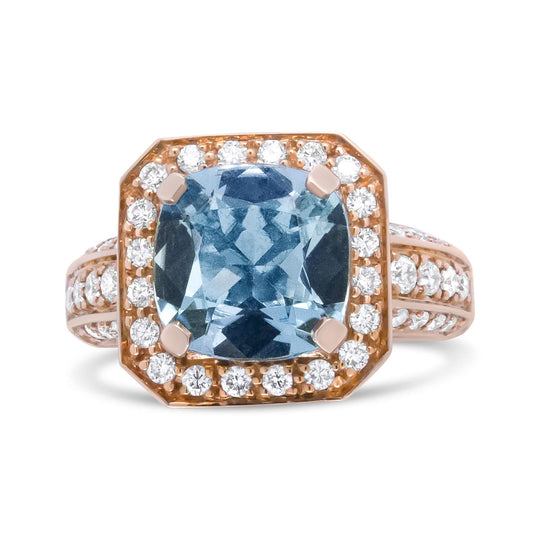
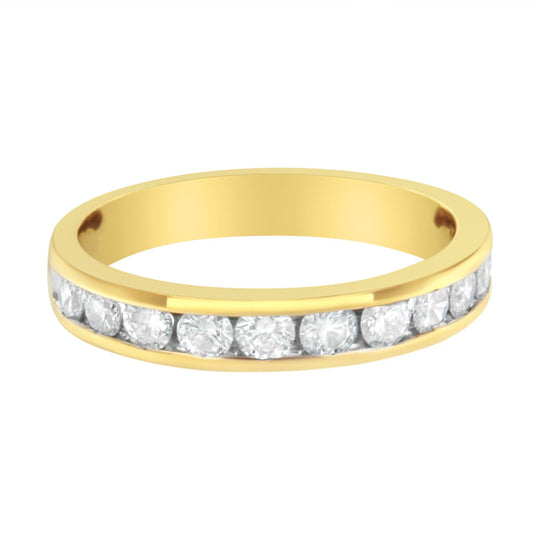
18K gold's 75% gold content gives it a richer, deeper color than 10K or 14K, and the higher purity is preferred for fine pieces where the warmth of the metal is central to the design. Oath's 18K gold rings cover fashion rings, gemstone settings, and plain band styles in yellow, white, and rose gold. Ships free on every 18K gold ring order, with returns accepted within 30 days.

  • Genuine Gemstones
  • Free Shipping
  • 30-Day Returns

What Are the Advantages of 18K Gold Rings?

18K Gold Rings and the Premium Karat Standard

18K gold contains 75% pure gold, the highest karat grade widely used in fine jewelry production. The higher gold proportion produces a richer, deeper color than 14K or 10K and a naturally softer alloy. For rings where color quality and material prestige are the primary considerations, 18K delivers the most saturated gold tone available in standard fine jewelry. The trade-off is alloy softness: 18K accumulates surface marks more readily than 14K through daily ring contact. For open, overlapping shank designs, browse bypass rings.

18K in Yellow, White, and Rose Gold

18K gold produces distinct character across its three color finishes. Yellow 18K has a deeper, more saturated warm tone than 14K. White 18K is rhodium-plated and requires periodic replating as the coating wears; the higher gold content means a subtler underlying tint before plating. Rose 18K has a more restrained pink tone than lower karats because the higher gold proportion reduces the relative copper content. All three finishes perform equivalently for wear at the same karat grade. Browse gold rings for a full view of gold ring options across karat grades.

18K vs. 14K Gold Rings: What the Premium Buys

18K gives buyers a richer, more saturated gold color and a higher intrinsic gold content than 14K. The cost difference reflects the higher gold proportion. For rings worn in controlled daily contexts without aggressive physical contact, 18K performs reliably. For rings worn through active daily use, 14K provides better scratch resistance at a lower cost with comparable aesthetic quality. Compare directly on the 14k rings page.

18K vs. 10K: The Full Karat Spectrum

10K and 18K represent opposite ends of the practical gold karat spectrum. 10K prioritizes alloy hardness and scratch resistance; 18K prioritizes color richness and gold content. Between them, 14K is the practical daily-wear standard. Buyers choosing 18K are making a deliberate decision for maximum color quality; buyers choosing 10K are prioritizing durability. Understanding both ends of the spectrum helps clarify what 14K is optimizing for. Compare on the 10k rings page. Every order ships free with a 30-day return policy.

Frequently Asked Questions

What does 18K mean in a gold ring?

18K indicates the ring contains 75% pure gold, with 25% alloy metals providing strength and color variation. The 18K stamp may appear as 18K, 18Kt, or 750 on the inside of the band. Of the three commonly available gold karats in fine jewelry, 18K provides the highest gold content in practical wearable form and the richest color for buyers who prioritize those qualities over maximum alloy hardness.

Is 18K gold durable enough for everyday ring wear?

18K gold is durable enough for daily ring wear in most contexts, though it is softer than 14K and will accumulate surface marks more readily through active use. For buyers who work with their hands, exercise frequently, or stack multiple rings, 14K provides more scratch resistance. For buyers who wear a ring in lower-contact everyday contexts, 18K performs well with standard care.

What is the difference between 18K yellow, white, and rose gold?

18K yellow, white, and rose gold rings share the same 75% gold content. Yellow gold at 18K has a noticeably richer, deeper warm tone than 14K due to the higher gold proportion. White gold at 18K is rhodium-plated and looks identical to 14K white gold after plating. Rose gold at 18K has a more restrained pink than lower karats because the higher gold proportion reduces the copper percentage that drives the color.

How do I care for an 18K gold ring?

18K gold rings clean easily with warm water, mild soap, and a soft brush every few weeks. Dry thoroughly with a lint-free cloth. Remove before contact with harsh chemicals, chlorine, or abrasive surfaces. The higher gold content of 18K makes the metal slightly more sensitive to physical impact than 14K, so removing the ring during heavy manual work is particularly advisable. White gold rings need rhodium replating as the surface coating wears. Have settings checked annually by a jeweler to ensure stones remain secure.

Can 18K gold rings be resized?

18K gold rings resize the same way as 14K rings. The higher gold content makes 18K slightly more malleable, which experienced jewelers handle using standard techniques. Most rings can be adjusted one to two sizes in either direction. Eternity bands with continuous stone settings require more careful work at any karat. Resizing 18K white gold rings may require additional rhodium plating on the affected area after sizing to maintain a uniform surface.

Is 18K gold hypoallergenic?

18K gold has better tolerance for people with metal sensitivities than lower karat grades because the higher gold proportion means a lower concentration of alloy metals. The most common jewelry allergy is to nickel. Reputable 18K white gold uses palladium rather than nickel as the bleaching alloy. For buyers with confirmed metal sensitivities, 18K is the preferred karat grade in gold. Platinum remains the most reliably inert fine jewelry metal for the most reactive skin types.

What ring styles are available in 18K gold?

18K gold appears across all ring categories but is most prevalent in higher-end engagement rings, heirloom-quality wedding bands, and fine fashion rings where the richer color and material quality are the priority. Solitaire and three-stone engagement rings in white and yellow 18K gold are widely available. The karat is less common in everyday and fashion ring categories, where 14K dominates due to its practical durability advantage for active daily wear.

What does 18K white gold look like in a ring?

18K white gold has a bright, neutral surface after rhodium plating that is visually similar to platinum. The underlying alloy at 18K contains a subtler tint before plating than 14K white gold because the higher gold proportion requires less bleaching alloy to achieve the white tone. In practice, 18K and 14K white gold look identical after plating. Browse white gold rings for white gold options across karat grades to compare style availability.

Does 18K yellow gold look noticeably different from 14K?

18K yellow gold has a measurably richer, deeper warm tone than 14K because the higher gold content produces stronger color saturation. The difference is visible side by side at normal viewing distances, though not dramatic. Buyers who prioritize deep gold color will find 18K the better choice; buyers who want durability first will find 14K adequate for most purposes. Browse yellow gold rings to see how 14K yellow gold reads and compare both options.

Are diamond rings commonly available in 18K gold?

18K gold rings with diamond settings are widely available, particularly at the higher end of the market where the setting metal's quality matches the stone's investment level. 18K white gold is a popular setting metal for significant diamonds because the higher gold content pairs appropriately with premium stones. Diamond solitaires, three-stone rings, and pave bands in 18K white gold are standard offerings across fine jewelers. Browse diamond rings for diamond ring options across setting metals and karat grades.

×
Your Bag
Subtotal (tax excl.) $0
 
Example
Example
Example
(0 )
Example
View detail
Example
Example
Option1
Option2
Option3
Option1
Option2
Option3
Sold out
Quantity
Add To Cart
Buy Now
Compare
Add Wishlist
Share:
0
0