Skip to content
Every order ships free with a 30-day return policy  ·  Browse new arrivals

925 + 14K Pendants

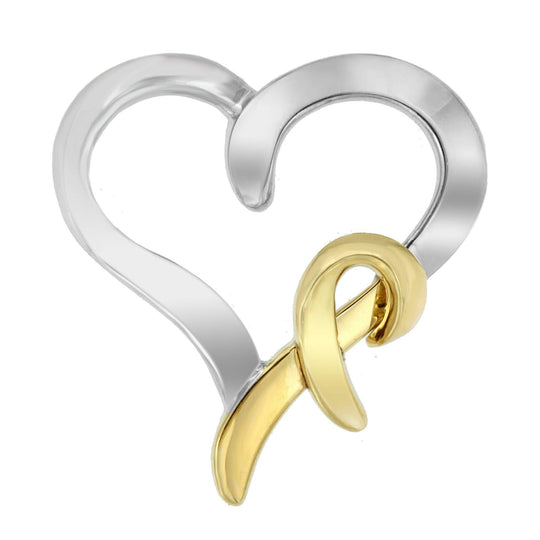
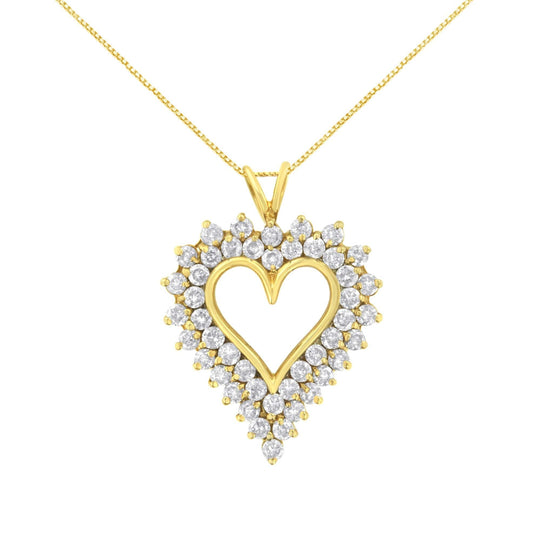
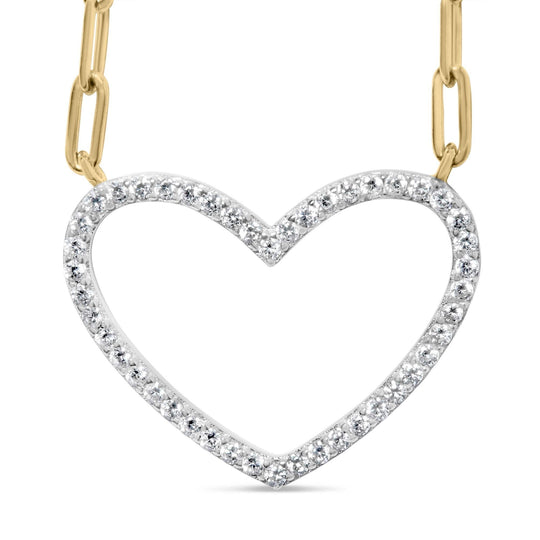
Sterling Silver and 14K Gold Pendants in Two-Tone Designs

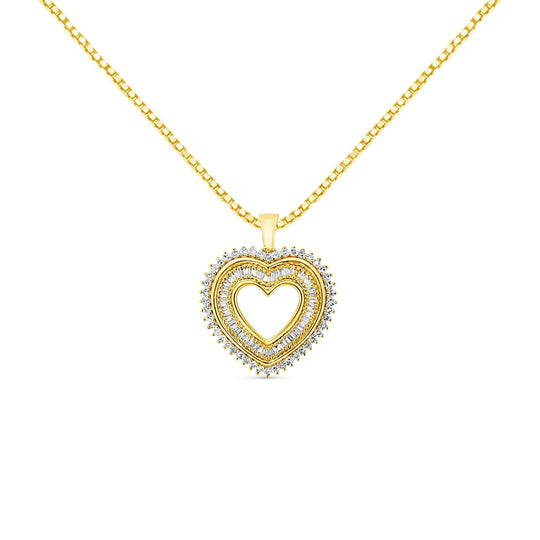
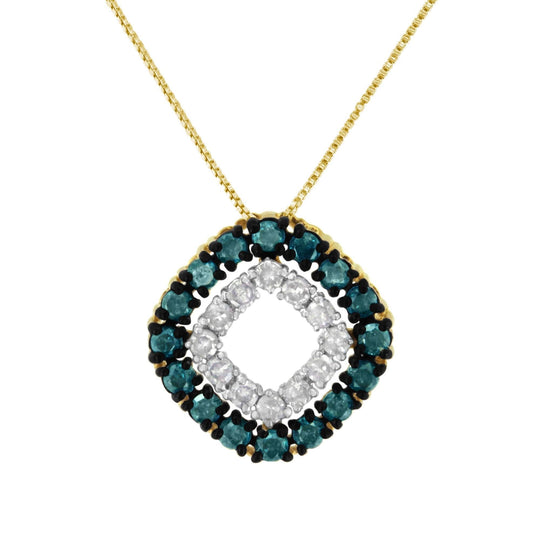
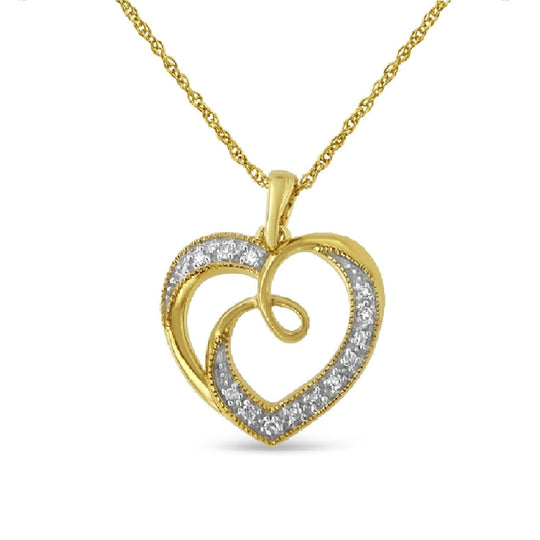
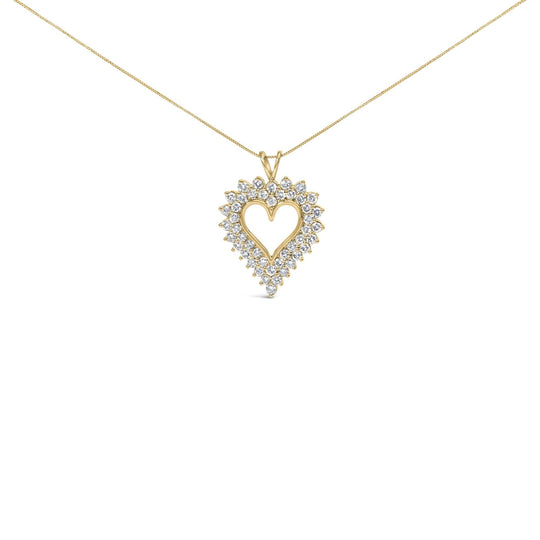
925 sterling silver and 14K gold pendants combine both metals' visual qualities in a single setting, suited to pieces where the contrast of warm and cool tones is part of the design. Oath's two-tone pendants cover a range of styles in plain metal and stone-set designs. Every order ships free, with a 30-day return window.

  • Genuine Gemstones
  • Free Shipping
  • 30-Day Returns

What Are 925-14k Pendants and What Do They Offer?

How 925 Sterling Silver and 14k Gold Are Combined in Pendants

925-14k pendants use both 925 sterling silver and 14k gold in a single piece, with each metal contributing to different design elements. The 925 component is sterling silver at 92.5% purity; the 14k component is gold at 58.3% purity. The gold element typically forms the bail, setting head, or primary decorative motif, while the sterling silver provides the structural body or secondary elements. This combination delivers gold-quality stone settings alongside accessible silver construction. Browse the full pendants range across all metals.

925-14k vs. Pure 925 Sterling Silver Pendants

Pure 925 sterling silver pendants provide consistent cool silver tone at a lower material cost than 925-14k pieces. The 925-14k combination adds 14k gold at the most visible design element, providing warmth and a quality signal a pure silver pendant does not carry. Both require the same tarnish maintenance for the silver component. Compare on the 925 pendants page.

14k Gold in 925-14k Pendant Construction

14k gold in a 925-14k pendant typically forms the bail, setting head, or primary decorative motif, the elements that face outward and are seen most prominently at the neckline. 14k gold does not tarnish and provides secure stone settings, while the sterling silver body requires periodic polishing. For buyers who want the pendant fully constructed in 14k gold, compare at the 14k pendants page.

The Two-Tone Design Principle in 925-14k Pendants

Two-tone jewelry combines two different metals in a single piece to create visual contrast. In 925-14k pendants, the sterling silver and 14k gold each occupy specific design roles, with the gold element typically carrying the highest visual priority. This is genuine two-tone construction using full material-grade metals, not plated surfaces over a single base. For a broader view of two-tone jewelry options, browse the two-tone gold range. Every order ships free with a 30-day return policy.

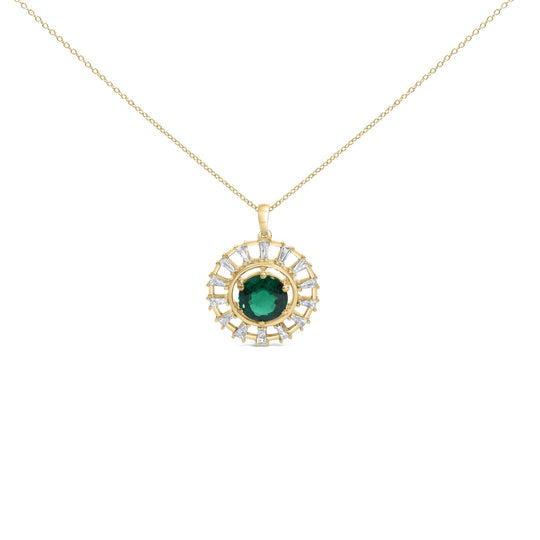
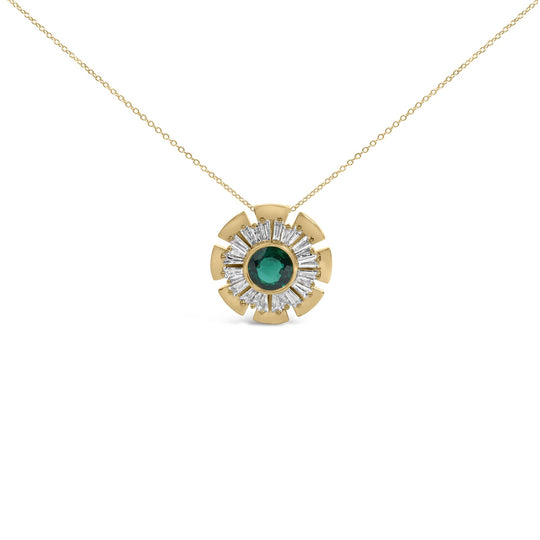
Frequently Asked Questions

What does 925-14k mean in a pendant?

925-14k means a pendant constructed using both 925 sterling silver and 14k gold, with each metal appearing in specific elements of the design. The 925 designation confirms sterling silver at 92.5% purity; the 14k designation confirms gold at 58.3% purity. The gold element typically forms the setting head, bail, or decorative motif while the sterling silver provides the structural body or frame.

Is 925-14k construction good for pendant settings?

925-14k pendants are well suited for stone settings when the 14k gold forms the setting head, providing secure prong or bezel construction around a stone. The sterling silver body supports the overall pendant structure. The pendant position experiences less mechanical stress than rings or bracelets, making the combination construction appropriate for daily pendant wear.

What full gold pendant options compare to 925-14k?

925-14k pendants compare to full gold pendants in 14k, which provide consistent warm gold tone throughout the piece without the silver component. For buyers who want maximum gold warmth and uniform construction, full gold is the direct alternative to 925-14k. Browse gold pendants for gold pendant options across all karat grades.

What pure silver pendant alternatives exist?

925-14k pendants compare to pure 925 sterling silver pendants, which provide consistent cool silver tone at a lower material cost without the gold accent element. Both require the same tarnish maintenance for the silver component. For pure sterling silver pendant options as a direct comparison, browse silver pendants.

Who are 925-14k pendants best suited for?

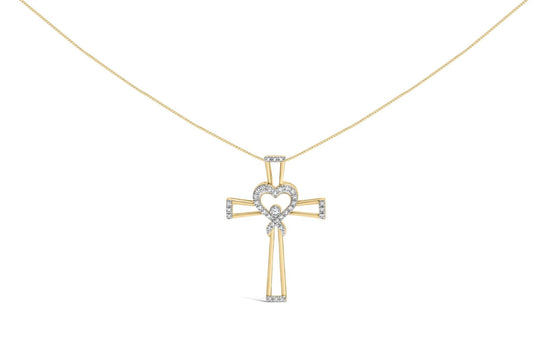
925-14k combination pendants suit buyers who want the warmth and stone-setting quality of 14k gold in a pendant at an accessible price point alongside sterling silver construction. They are particularly well suited to symbolic designs like crosses, where the gold element adds a quality signal to a meaningful piece. For cross pendant options across karat grades, browse cross pendants as a comparison.

Does a 925 + 14K pendant tarnish?

The sterling silver component of a 925 + 14K pendant may tarnish over time with air and moisture exposure. The 14K gold component, which typically forms the bail, setting head, or most visible design element, does not tarnish. Tarnish on the silver areas appears as darkening or discoloration and is removed with a silver polishing cloth or gentle cleaning solution. Storing the pendant in an anti-tarnish pouch between wearings slows tarnish development on the silver component significantly.

What chains work with a 925 + 14K pendant?

925 + 14K pendants are compatible with most chain formats where the bail opening matches the chain gauge. A sterling silver chain matches the pendant's silver component; a 14K gold chain matches the gold element. Most pendant bails in 925 + 14K designs accept gauges from 1mm to 3mm, compatible with fine cable, box, and rope chains. A 925 + 14K chain worn with a 925 + 14K pendant produces the most consistent mixed-metal combination across both pieces.

What bracelet styles coordinate with a 925 + 14K pendant?

925 + 14K pendants coordinate naturally with bracelet styles in matching metals across the neckline and wrist. A sterling silver bracelet matches the pendant's silver component; a 14K gold bracelet or mixed-metal bangle matches the gold element. The pendant's visual weight should inform the bracelet choice: a bold 925 + 14K pendant with a prominent gold element pairs well with a gold-forward bracelet; a silver-dominant pendant works with a sterling silver chain bracelet.

What earring styles complement a 925 + 14K pendant?

925 + 14K pendants coordinate with earring styles in the same metal combination across the ear and neckline. A 925 + 14K earring uses the same silver-and-gold tonal combination as the pendant, creating a matched set across both positions. Earring scale should complement the pendant: a bold stone-set pendant is balanced by smaller, simpler earrings; a minimal pendant can support more elaborate earring designs.

What necklace lengths work best with a 925 + 14K pendant?

925 + 14K pendants are worn at standard necklace lengths: 16 inches at the collarbone, 18 inches at the upper chest, and 20 inches at mid-chest. The pendant's scale should inform the chain length choice: a bold design with a prominent 14K gold element reads well at 16 to 18 inches where it is visible during conversation; a smaller pendant can be worn at any length.

×
Your Bag
Subtotal (tax excl.) $0
 
Example
Example
Example
(0 )
Example
View detail
Example
Example
Option1
Option2
Option3
Option1
Option2
Option3
Sold out
Quantity
Add To Cart
Buy Now
Compare
Add Wishlist
Share:
0
0