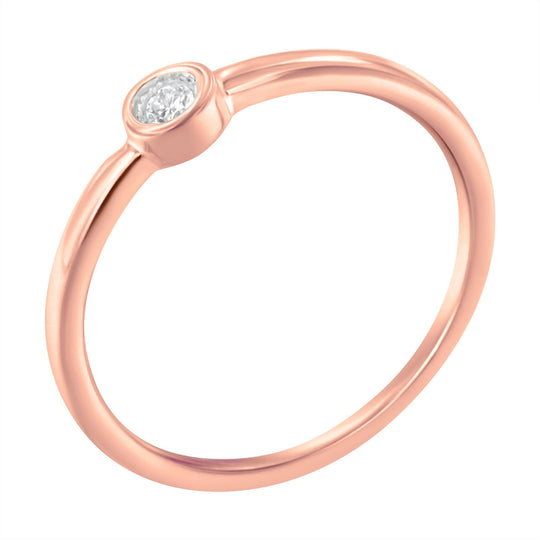
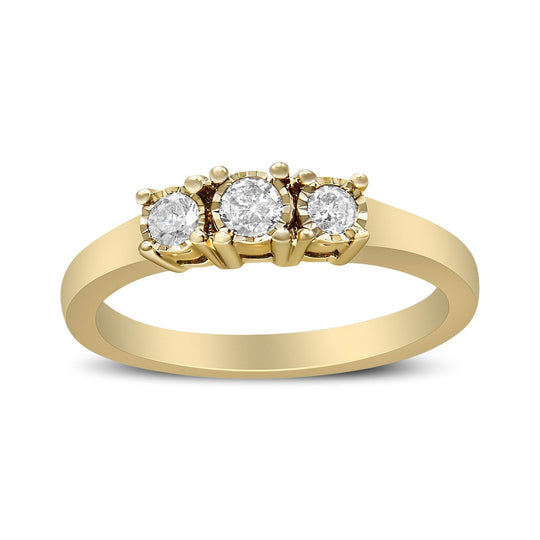
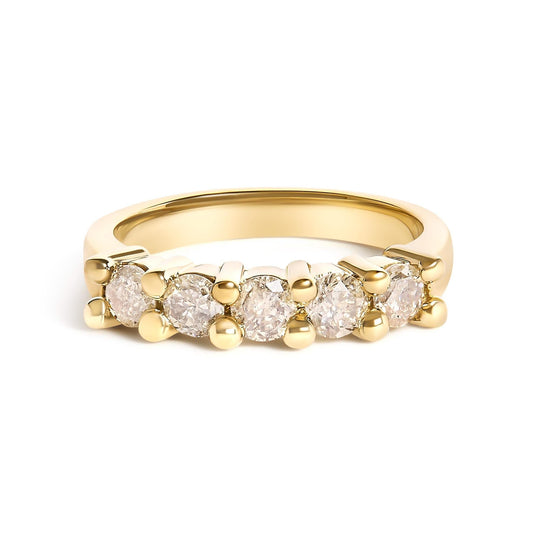
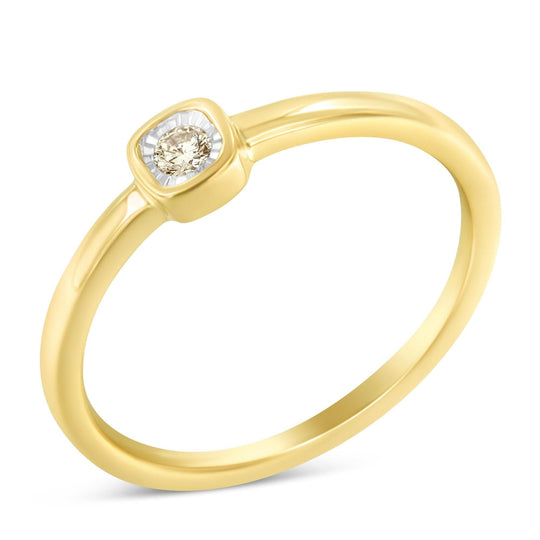
What Are 925-14k Rings and What Do They Offer?
How 925 Sterling Silver and 14k Gold Are Combined in Rings
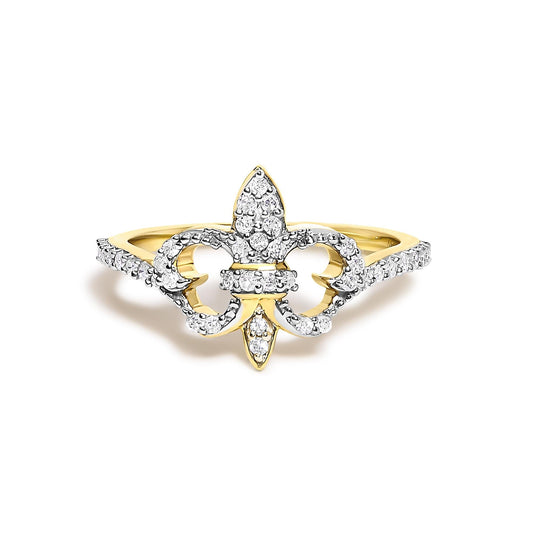
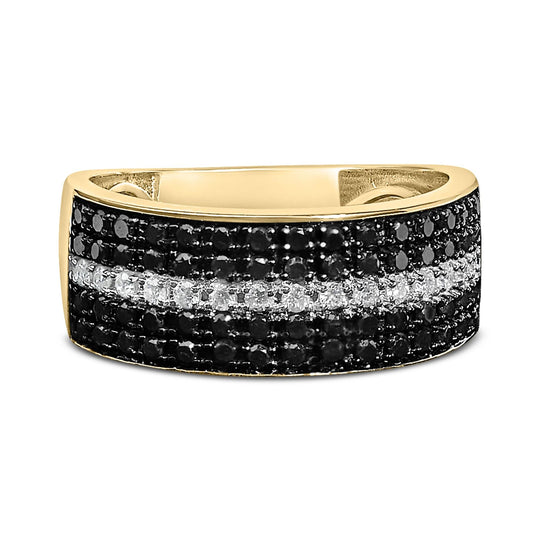
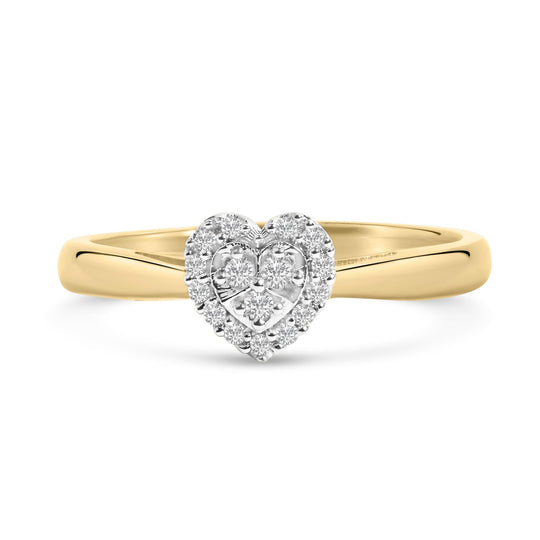
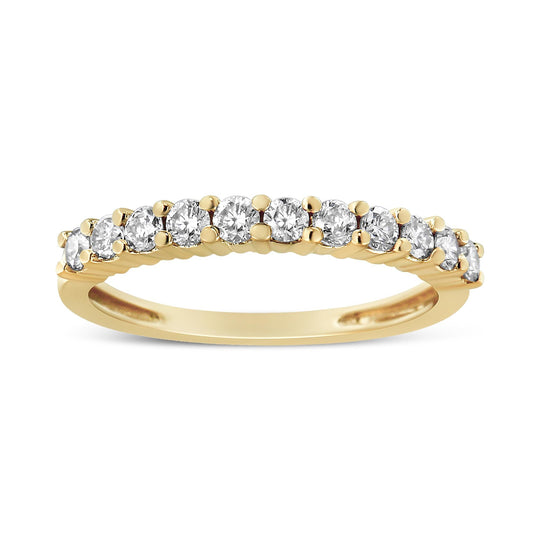
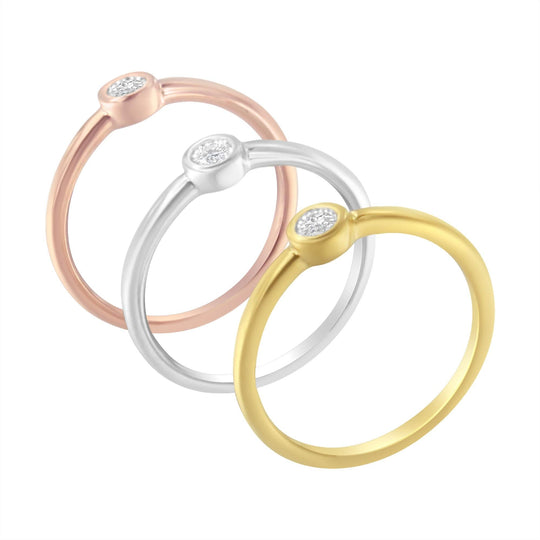
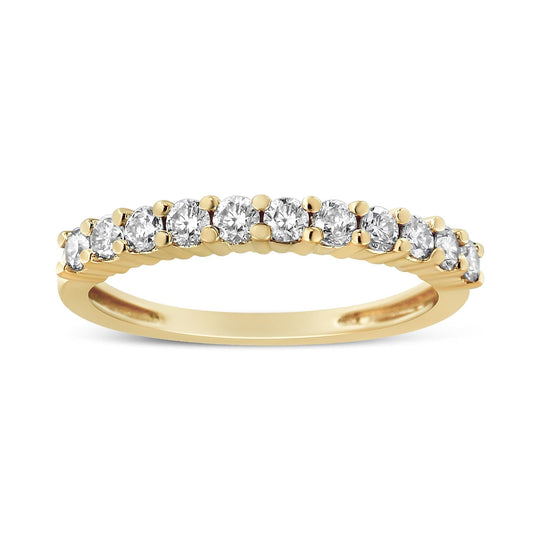
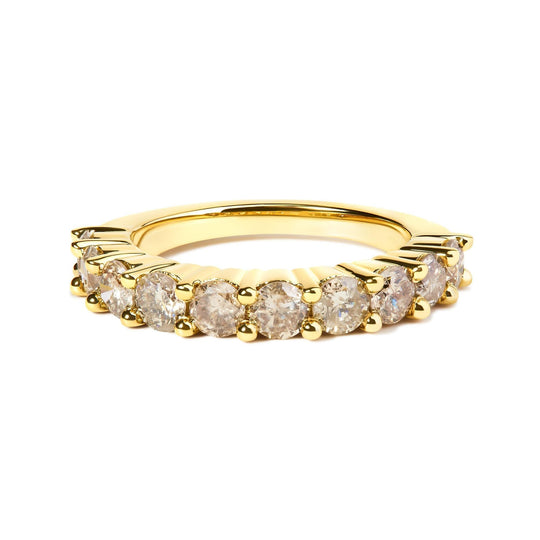
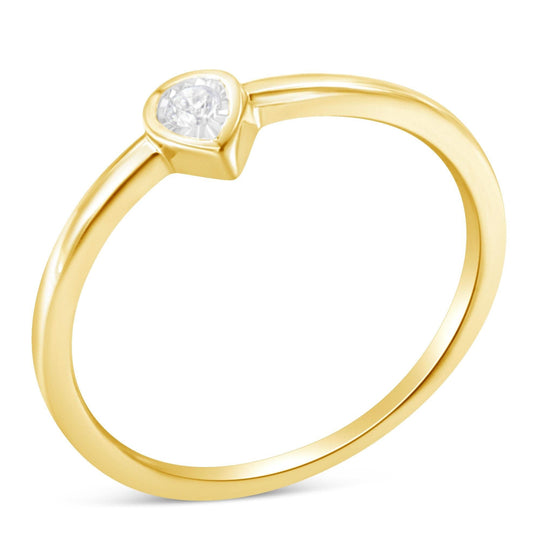
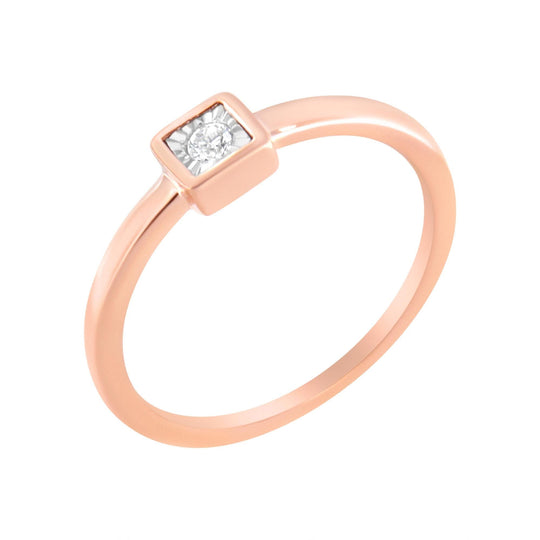
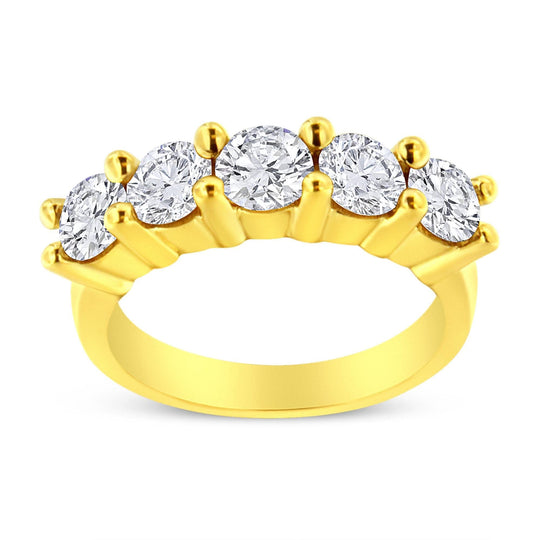
925-14k rings use both 925 sterling silver and 14k gold in a single piece. The 925 component is sterling silver at 92.5% purity; the 14k component is gold at 58.3% purity. In a typical 925-14k ring, the sterling silver forms the band while the 14k gold appears in the setting top, overlay, or decorative element that faces outward. This combination provides 14k gold quality where it is most visible at a lower overall cost than a fully gold ring. Browse the full rings range across all metals.
925-14k vs. Pure 925 Sterling Silver Rings
Pure 925 sterling silver rings provide consistent cool silver tone at a lower material cost than 925-14k pieces. The 925-14k combination adds warmth at the top of the ring through the 14k gold element. Both require tarnish maintenance for the silver component; rings require more frequent attention than necklaces due to higher surface contact. Compare on the 925 rings page.
14k Gold in 925-14k Ring Construction
14k gold in a 925-14k ring typically forms the setting head, top overlay, or decorative element that is most visible when wearing the ring. This is the most practical placement for the gold element: it provides secure stone settings and warm gold tone at the point the wearer sees most clearly. For buyers who want the ring fully constructed in 14k gold, compare at the 14k rings page.
The Two-Tone Metal Principle in 925-14k Rings
Two-tone jewelry combines two different metals in a single piece to create visual contrast and material complexity. In 925-14k rings, the sterling silver band and 14k gold top create a contrast that is visible in both tone and material quality. Both metals are genuine and present in their full material properties. For a broader view of two-tone jewelry options, browse the two-tone gold range. Every order ships free with a 30-day return policy.