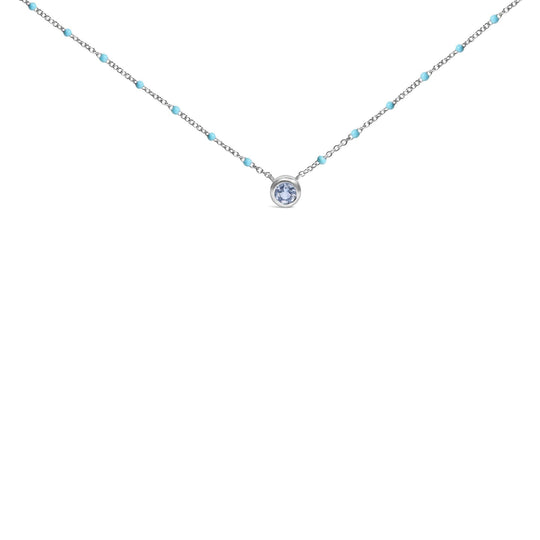
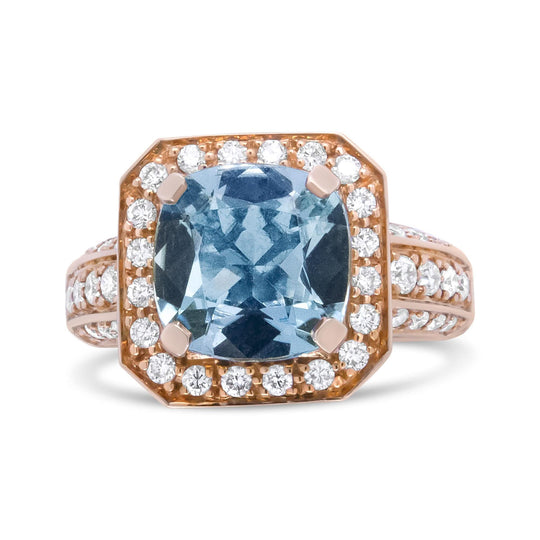
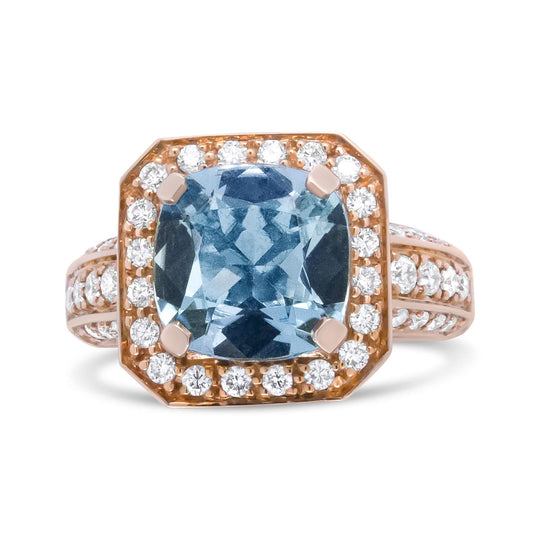
Aquamarine's blue to blue-green color and strong natural clarity make it one of the most visually distinctive colored gemstones in fine jewelry. It is March's birthstone and a consistent choice for milestone pieces and gifts. Oath's aquamarine jewelry collection covers rings, necklaces, and earrings set in gold and sterling silver, with genuine aquamarine stones. Ships free on every order, with returns accepted within 30 days.
Aquamarine ranges from pale icy blue to deep blue-green teal, with medium pure blue as the most commercially valued shade. Prioritize even color distribution across the stone over hitting a specific hue, as uneven saturation is more distracting than a lighter overall tone. Clarity is a defining characteristic; eye-clean stones should be the standard expectation, not a premium. Compare tone in natural light and indoor lighting before committing to a stone. For a comparison across blue fine jewelry options, browse sapphire jewelry.
Metal Settings and Construction Quality
White gold and platinum complement aquamarine's cool blue without competing with it tonally. Prong settings maximize the gem's exposure and let light pass freely through the stone; bezel settings offer more protection and a cleaner modern silhouette. Four-claw and six-claw configurations are standard for rings, while channel and pave accents frame aquamarine effectively in earrings and pendants. For a versatile entry point in aquamarine settings, browse gold necklaces.
Choosing Aquamarine for Milestones and Occasions
As the March birthstone and the traditional 19th anniversary gem, aquamarine is an established choice for milestone giving. Its durability makes it a practical center stone for non-traditional engagement and commitment pieces where buyers want a colored gem with fine jewelry credentials. For buyers comparing aquamarine to classic white gemstones for bridal or anniversary jewelry, browse diamond necklaces.
Carat Weight, Cut, and Scale by Jewelry Type
Aquamarine's large natural crystal habit means stones above 3 carats are commercially available at accessible price points compared to ruby or emerald of equivalent weight. Step cuts, especially the emerald cut, showcase aquamarine's clarity and saturate color most effectively. For rings, 1 to 3 carats offers strong visual presence; for earrings and pendants, 0.5 to 1.5 carats per stone reads clearly at arm's length. For a curated selection of standout pieces, browse featured jewelry. Every order ships free with a 30-day return policy.
Frequently Asked Questions
What is aquamarine and where does it come from?
Aquamarine is a blue to blue-green variety of the mineral beryl, the same family that includes emerald. Brazil is the largest commercial producer, with significant deposits also found in Nigeria, Zambia, Madagascar, and Pakistan. The name comes from Latin for seawater, reflecting the gem's ocean-toned color. Most commercial aquamarine undergoes heat treatment to reduce green secondary tones and produce a cleaner pure blue, a treatment that is stable and universally accepted in the gem trade.
What color shades does aquamarine come in?
Aquamarine ranges from pale icy blue through sky blue to deep blue-green teal. The most commercially valued shades are medium to deep blue with minimal green secondary color. Lighter stones are more common and more accessible, while saturated deep blue specimens command higher prices per carat. Some buyers specifically seek the blue-green teal variety for its distinctive maritime character and visual separation from more standard sky blue stones. For how color and saturation drive aquamarine value, read how to evaluate aquamarine quality.
What metal setting works best with aquamarine?
Aquamarine jewelry settings suit white gold and platinum most naturally, as the cool metal allows the stone's blue to read clearly without warm-metal competition. Yellow gold creates a classic contrast that suits vintage and art deco inspired designs. Rose gold combines warm and cool tones effectively with lighter aquamarine stones. The right choice depends on the wearer's skin tone, personal style, and the depth of color in the stone.
Is aquamarine treated and does that affect its value?
Most commercial aquamarine is heated to remove greenish secondary tones and achieve a cleaner blue. This treatment is stable, permanent, and universally accepted in the gem trade, so it does not reduce a stone's value the way fracture filling or surface coatings would. Untreated aquamarine with naturally saturated blue color commands a premium from collectors and informed buyers. Reputable sellers provide treatment disclosure when asked, which is the professional standard.
How durable is aquamarine for everyday wear?
Aquamarine rates 7.5 to 8 on the Mohs scale, placing it solidly in the durable range for fine jewelry use. It resists scratching from typical daily contact and handles continuous wear confidently across most jewelry types. Rings require the most care since they contact more surfaces, particularly during manual work or gym use. Earrings, necklaces, and bracelets see lower-impact wear and are practical choices for aquamarine in long-term daily use.
How should I care for aquamarine jewelry?
Aquamarine jewelry is cleaned with warm water, mild dish soap, and a soft-bristled brush. Rinse thoroughly and dry with a lint-free cloth. Ultrasonic cleaners are generally safe for untreated stones but should be avoided when fractures are present, as vibration can enlarge them. Store aquamarine separately from harder gems to prevent surface scratching. Avoid prolonged direct sunlight or high heat, which can cause color fading in some specimens over extended time.
What carat weights are typical in aquamarine jewelry?
Aquamarine forms in large natural crystals, so substantial carat weights are commercially available at more accessible price points than most other colored gems of comparable size. Earring studs typically feature stones from 0.5 to 1.5 carats per stone. Pendants and rings commonly center stones from 1 to 5 carats. Statement pieces with stones above 5 carats exist at the high end, where aquamarine's growth habit makes large sizes genuinely attainable compared to equivalent ruby or emerald weights.
What cuts work best for aquamarine?
Aquamarine responds best to emerald cut and other step cuts, which allow blue color to saturate evenly across broad facet planes and showcase the stone's natural clarity. Oval cuts maximize color face-up while appearing larger per carat than round cuts. Round brilliant cuts deliver maximum sparkle but can make the stone appear slightly lighter than step cuts of equivalent weight. Pear and marquise shapes suit elongated pendant and drop earring designs well.
Is aquamarine a good choice for earrings?
Aquamarine works exceptionally well in earrings. Its hardness resists contact scratching from hair and clothing, and its clarity ensures even smaller stones appear bright and vivid. Drop and dangle styles showcase aquamarine's color with movement, while stud settings offer a clean everyday option. The neutral blue tone coordinates easily with silver, white gold, and yellow gold settings across formal and casual wear. For a broad view of companion earring options, browse gold earrings
What makes aquamarine jewelry a meaningful gift?
Aquamarine's association with clarity and calm gives it a gift meaning that extends beyond decoration. As the March birthstone, it is a recognized choice for March birthdays and a traditional gem for the 19th wedding anniversary. The pale blue tone suits a wide range of skin tones and wardrobes, and accessible size ranges mean attractive pieces exist across varied occasions. For versatile gifting options that pair naturally with aquamarine, explore womens earrings
Use left/right arrows to navigate the slideshow or swipe left/right if using a mobile device
choosing a selection results in a full page refresh
press the space key then arrow keys to make a selection