Skip to content
Every order ships free with a 30-day return policy  ·  Browse new arrivals

Bypass Rings

Bypass Rings in Classic and Contemporary Styles

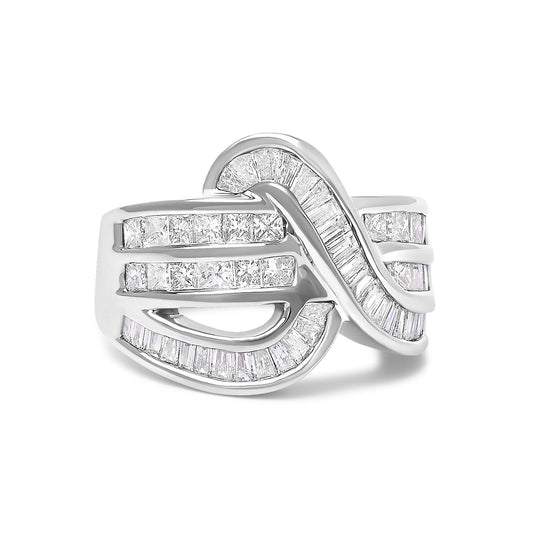
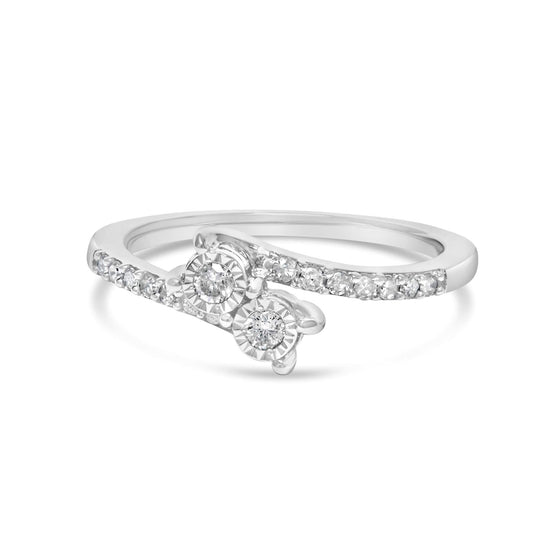
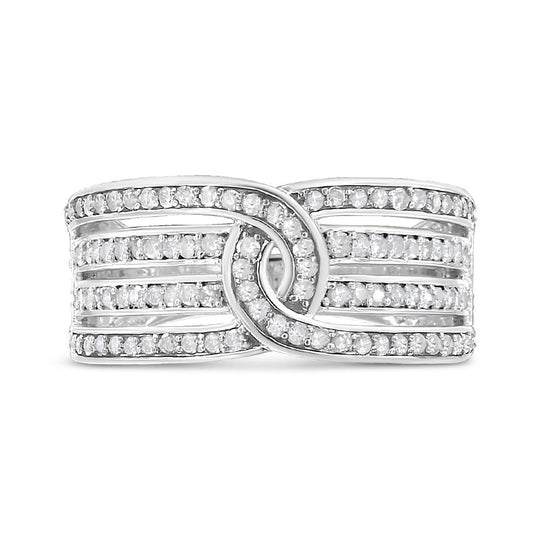
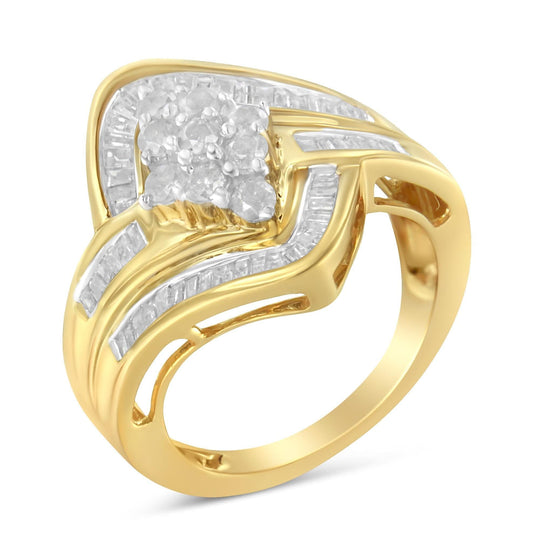
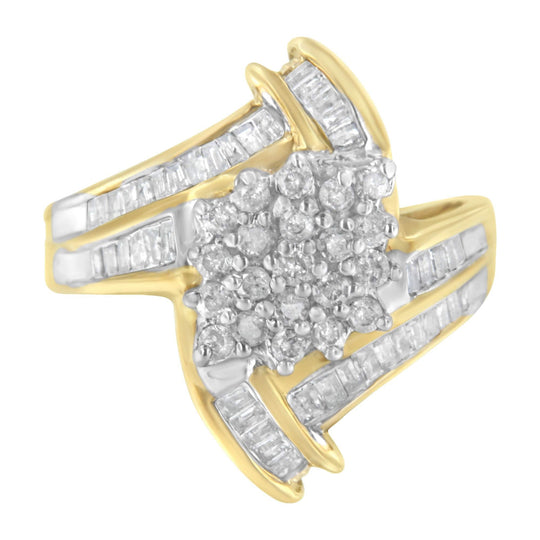
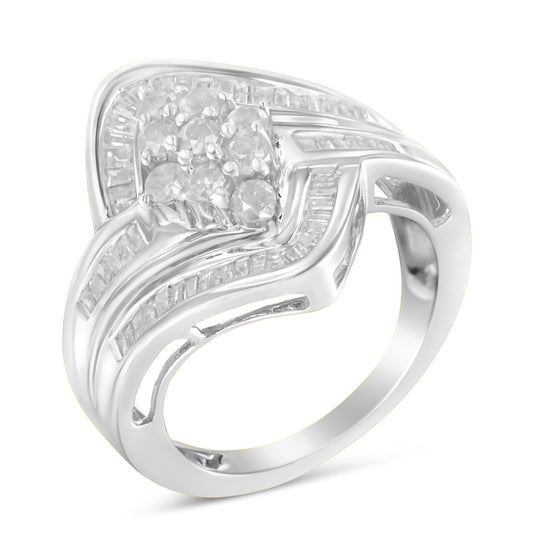
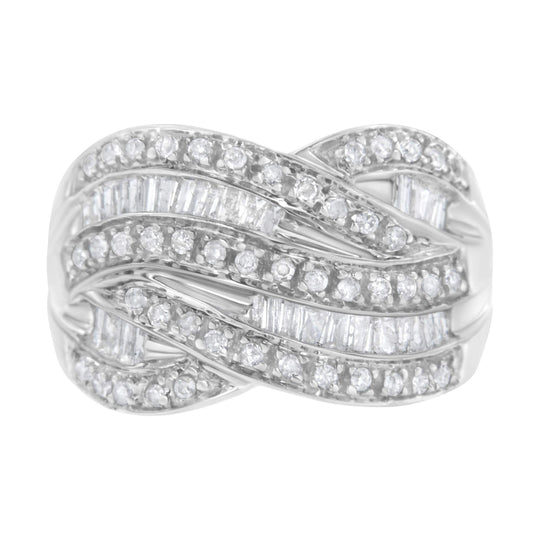
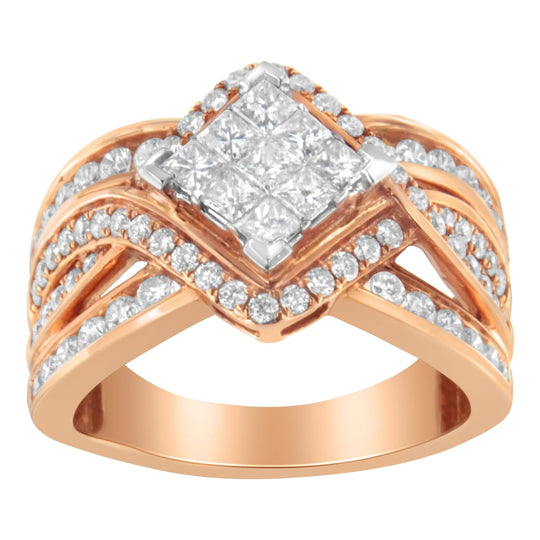
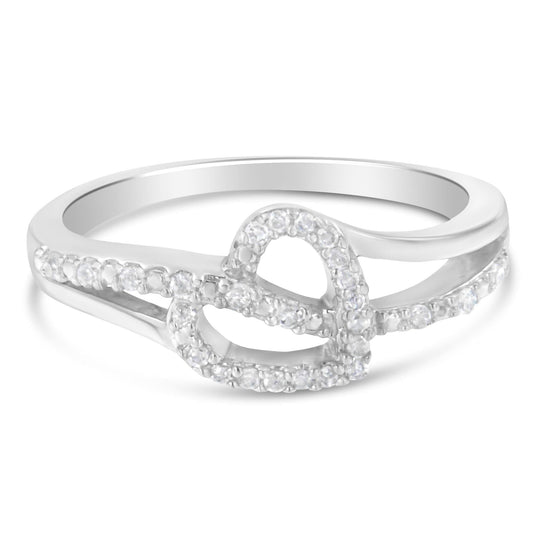
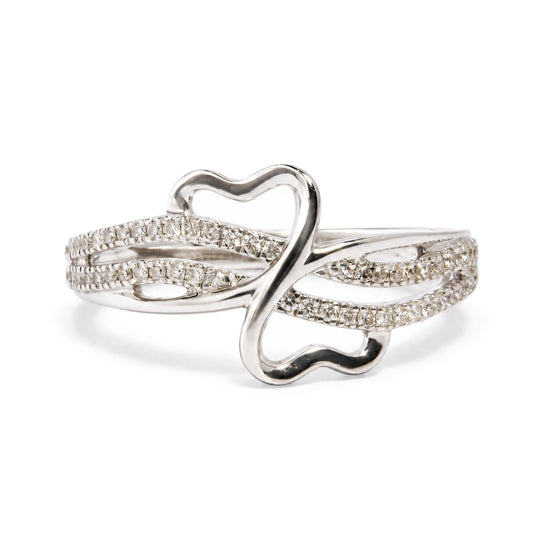
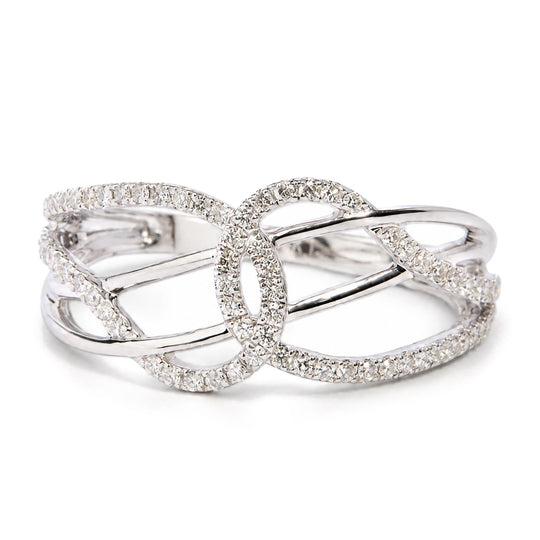
Bypass rings feature two ends that cross or curve past each other rather than meeting in a traditional closed band, creating an open, sculptural quality distinct from other ring styles. Oath's bypass rings collection covers plain metal, diamond-set, and gemstone options in yellow gold, white gold, rose gold, and sterling silver in 10K, 14K, and 18K. Every bypass ring order ships free, with a 30-day return policy.

  • Genuine Gemstones
  • Free Shipping
  • 30-Day Returns

What Are Bypass Rings and When to Wear Them?

What Bypass Rings Are and Their Design Logic

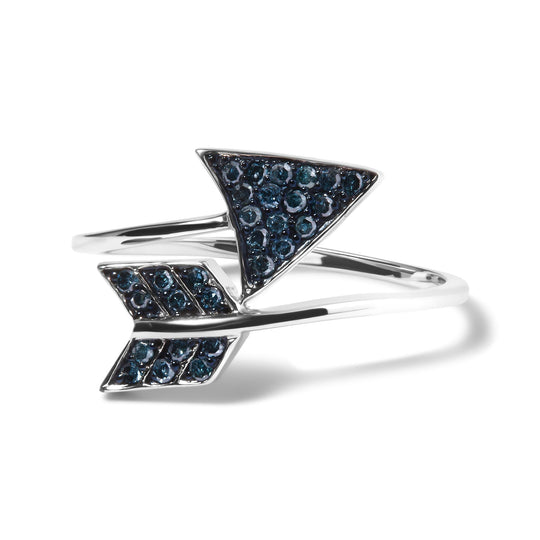
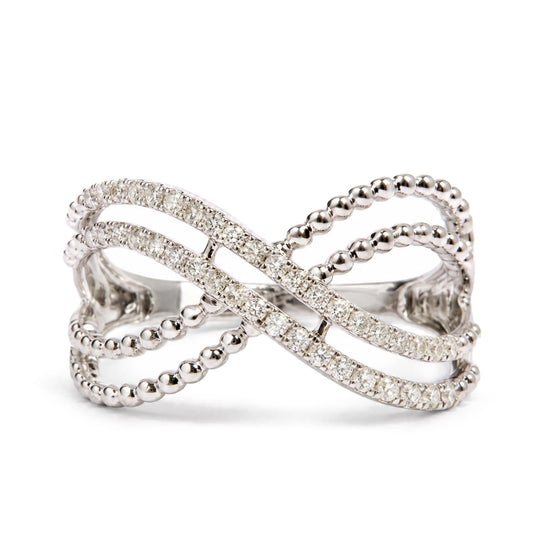
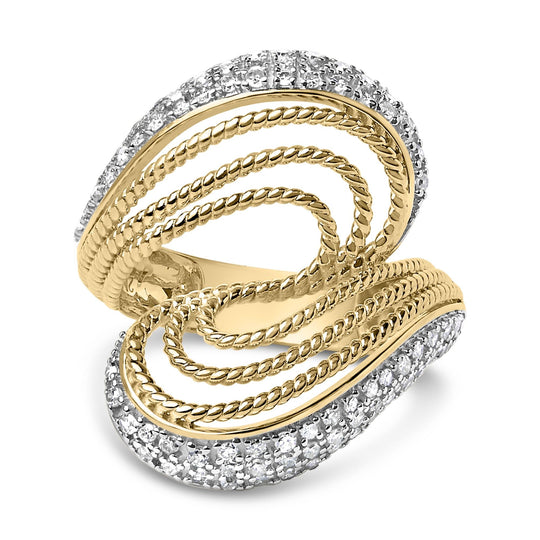
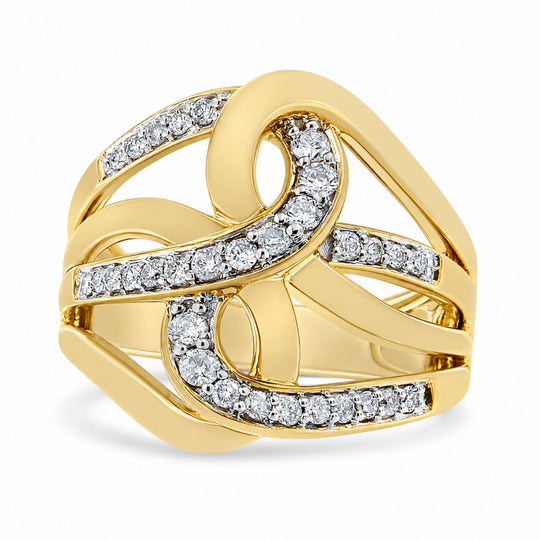
A bypass ring has two ends of the band that cross over or past each other rather than meeting in a closed circle. The open, overlapping design creates a dynamic visual effect where the two ends curve around each other at the top of the ring. Bypass rings may feature stones at each tip, a single stone at one tip, or plain metal ends. The design works as a fashion ring, cocktail ring, or right-hand stone ring. For rings with surface detail and dimensional finishes, browse textured rings.

Gold Bypass Rings

Gold bypass rings are available in 14k and 18k across yellow, white, and rose finishes. Yellow gold bypass rings with diamond or colored stone tips are the most traditional format. White gold bypass rings suit buyers who prefer a cooler metal tone. The bypass design reads as equally sophisticated in all three gold colors. For the full gold ring range, browse gold rings.

Sterling Silver Bypass Rings

925 sterling silver bypass rings provide the same open, crossing design at an accessible price point. Sterling silver suits the bypass aesthetic well because the cool metal tone emphasizes the architectural quality of the crossing bands. For the full sterling silver ring range, browse sterling silver rings.

Bypass Rings for Stacking

Bypass rings stack effectively alongside plain metal bands because the elevated crossing design creates a visual anchor in the stack without requiring heavy width. A slim plain band in matching metal on either side of the bypass ring complements its architectural form. For the full range of stackable ring options, browse stackable rings. Every order ships free with a 30-day return policy.

Frequently Asked Questions

What is a bypass ring?

A bypass ring has two ends of the band that cross over or past each other rather than meeting in a closed circle. The open, overlapping design creates a dynamic visual effect where the two ends curve around each other. Bypass rings may feature stones at each tip or plain metal ends. The design works equally well as a fashion ring, cocktail ring, or right-hand stone ring.

Are bypass rings adjustable?

Solid metal bypass rings are not adjustable; they are made at a specific ring size. The bypass design creates an open appearance but the band is still a fixed solid metal construction. Sizing requires professional jeweler work as with any standard ring. Measure or have your finger sized before purchasing to ensure the correct fit.

What eternity ring styles complement bypass rings?

Bypass rings stack most cleanly alongside slim plain metal or thin pavé eternity bands in matching metal, as the contrast between the static band and the dynamic bypass design creates visual interest. For the full range of eternity ring options, browse eternity rings.

Do bypass rings work as promise rings?

Bypass rings make a meaningful choice for promise ring wear because the open, crossing design carries a natural symbolic resonance for commitment and connection. A plain gold bypass ring or one with small stones at each tip both suit the promise ring context. For the full range of promise ring options, browse promise rings.

Can bypass rings be used as engagement rings?

Bypass rings work as engagement rings in configurations featuring a stone at one or both crossing tips, offering a distinctive alternative to classic solitaire settings. The design suits buyers who want a more architectural look than a standard solitaire. For the full engagement ring range across all setting styles, browse engagement rings.

What stone types are most commonly used in bypass ring designs?

Bypass rings most commonly feature diamonds as the tip stones because diamonds suit the architectural quality of the crossing band design. Colored gemstones such as sapphire, ruby, and amethyst also appear in bypass ring tips, particularly in two-stone designs where contrasting stones appear at each end of the crossing bands. Single-stone bypass designs center one gemstone at the crossing point where the bands overlap.

How does a bypass ring sit on the finger compared to a plain band?

A bypass ring sits differently from a plain band because its open ends create two contact points at the base of the finger rather than a continuous ring seated evenly around it. The open end design gives bypass rings more freedom of movement on the finger than a closed band, which some wearers find comfortable and others find distracting. The open design also makes bypass rings easier to put on and remove than a tightly fitted plain band.

What ring styles pair well with bypass rings in a stack?

Bypass rings stack naturally alongside plain metal bands in matching karat and color. The elevated crossing design creates a visual anchor in the stack without requiring heavy width. Solitaire or simple stone rings also pair well alongside bypass rings because they provide simpler visual elements that allow the bypass architecture to read clearly.

Are bypass rings appropriate for everyday wear?

Bypass rings are appropriate for everyday wear with standard care. The open end design means the two tips are more exposed to impact than a continuous band, which can notch or bend the tips over time with heavy physical work. Buyers who work with their hands regularly benefit from a more protective setting like a bezel or plain band for daily wear.

Are bypass rings available in engagement ring configurations?

Bypass ring designs are available in engagement ring configurations, typically with a center diamond between the two crossing band ends or diamond-tipped bands framing a center stone. The bypass design suits non-traditional engagement ring buyers who want movement and architectural interest beyond the standard solitaire format. The open design reads as distinctive even in plain metal versions without stones.

Your Bag
Subtotal (tax excl.) $0
 
Example
Example
Example
(0 )
Example
View detail
Example
Example
Option1
Option2
Option3
Option1
Option2
Option3
Sold out
Quantity
Add To Cart
Buy Now
Compare
Add Wishlist
Share:
0
0