Skip to content
Every order ships free with a 30-day return policy  ·  Browse new arrivals

Diamond Necklaces

Diamond Necklaces in Every Length and Setting

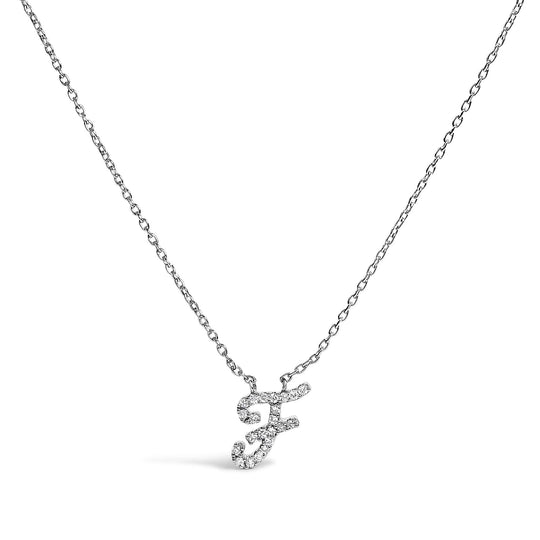
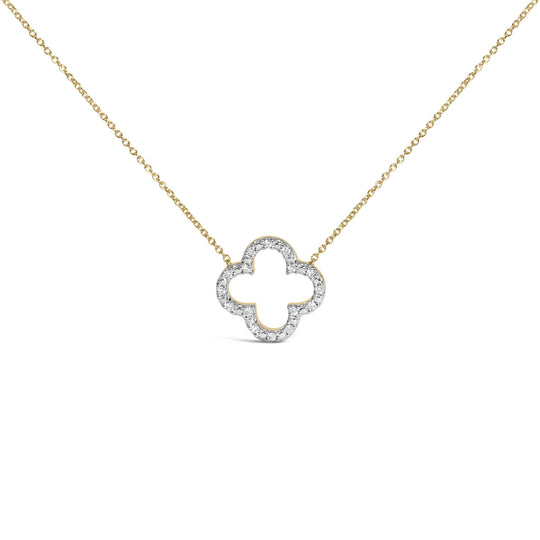
Diamond necklaces range from delicate station chains worn daily to substantial pendant designs chosen for milestone occasions, and the variety in this category is wider than it might initially appear. Oath's diamond necklaces collection covers pendant necklaces, station chains, and continuous-set styles in 10K, 14K, and 18K gold and platinum, with natural and lab-grown diamond options throughout. Every diamond necklace order arrives with free shipping and a 30-day return policy.

  • Genuine Gemstones
  • Free Shipping
  • 30-Day Returns

Choosing Diamond Necklaces: Settings, Length, and Style

Diamond Necklace Styles That Suit Different Occasions

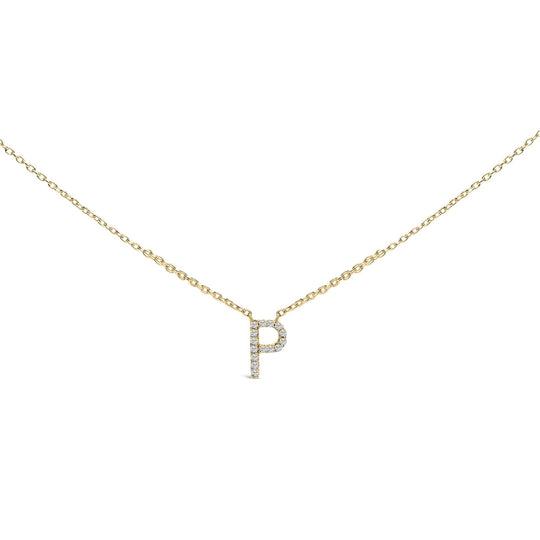
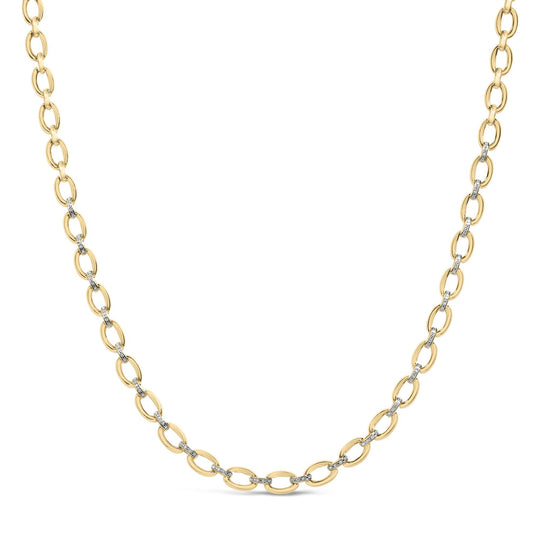
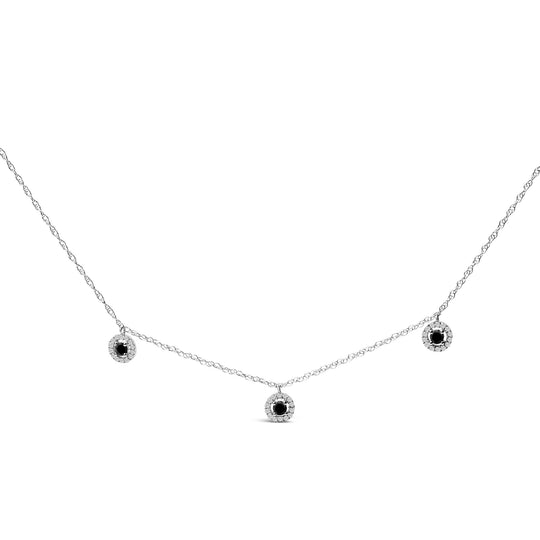
Diamond necklaces span a wide range of formality. A diamond solitaire pendant on a thin chain sits at one end: minimal, versatile, and suited to both professional and casual contexts. Tennis necklaces, which feature a continuous line of matched round diamonds, are a dedicated formal piece. Station necklaces place diamonds at intervals along a chain for a middle ground. Pavé chains embed small diamonds across the entire chain surface for all-over sparkle. For diamond necklaces set with lab grown stones, browse lab grown diamond necklaces.

Diamond Pendant Necklaces: Choosing the Right Setting and Stone

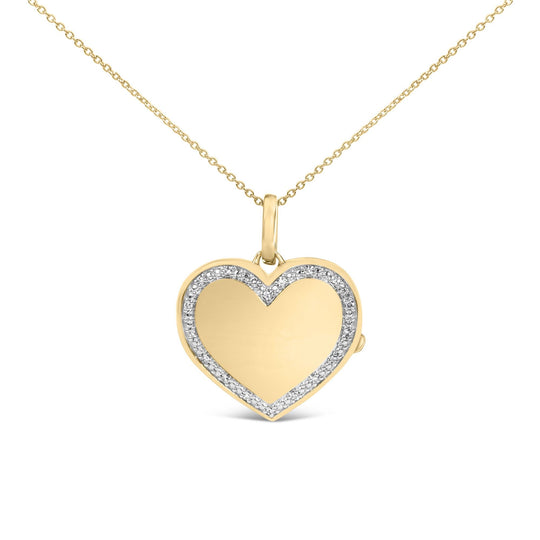
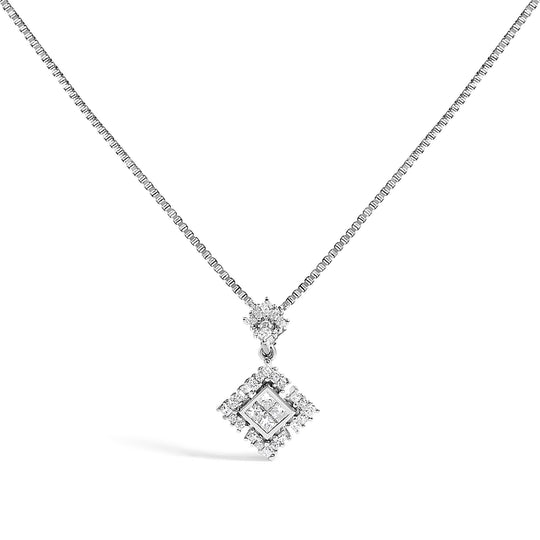
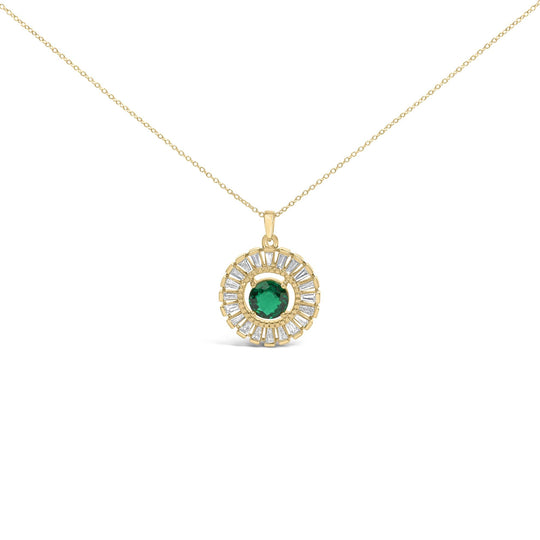
Solitaire pendants in diamond follow the same 4C principles as rings, but with different priorities. Cut still matters most for light return and brilliance. Color and clarity can comfortably go one or two grades lower than a ring purchase because pendants are viewed from a greater distance. Prong settings maximize light and visual openness; bezel settings read clean and modern; halo settings significantly increase visual size. For cross-reference on diamond quality decisions, the diamond rings page covers the full selection.

Diamond Pendant vs. Diamond Chain: How They Differ

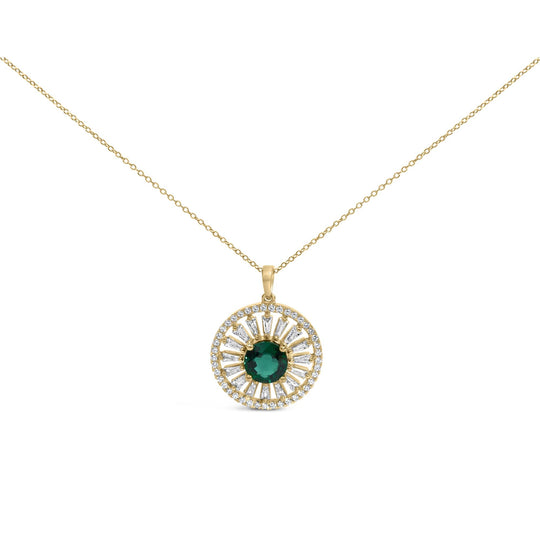
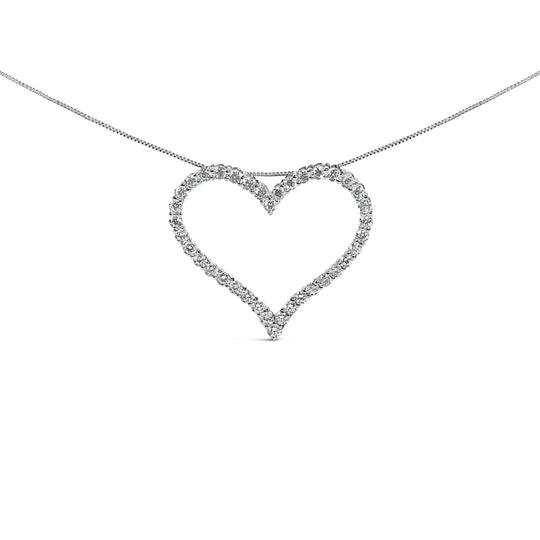
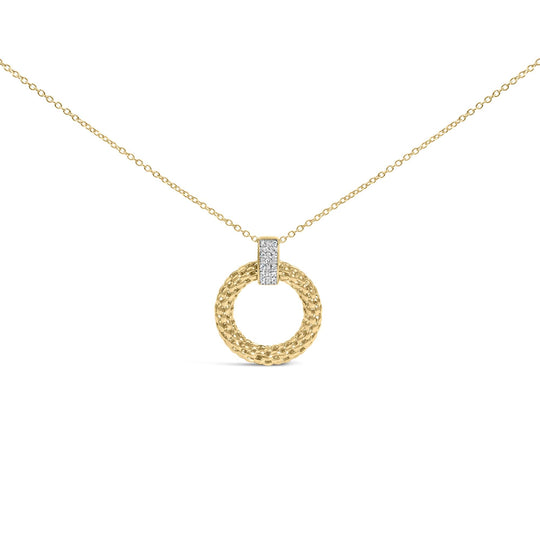
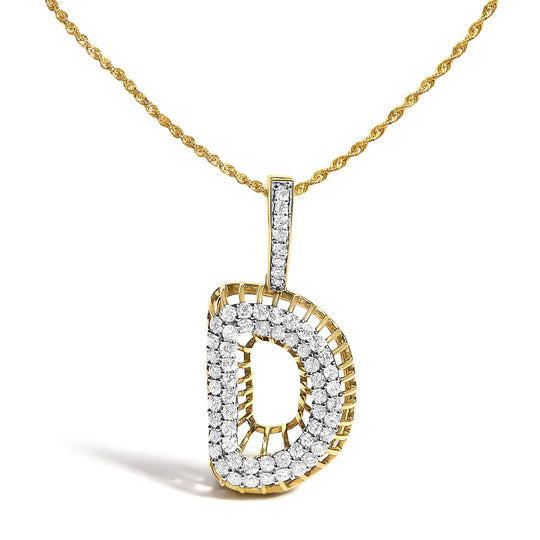
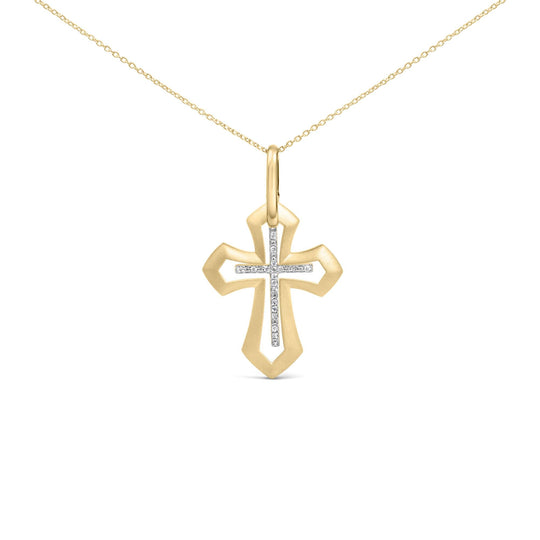
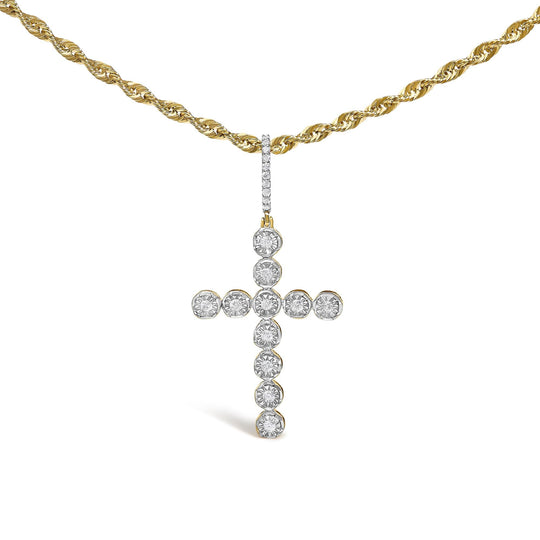
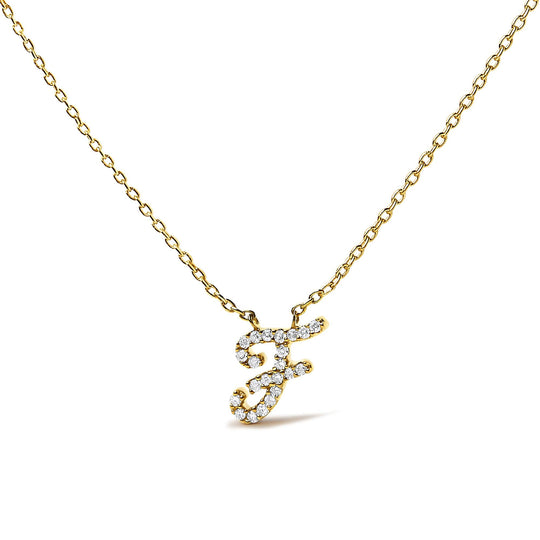
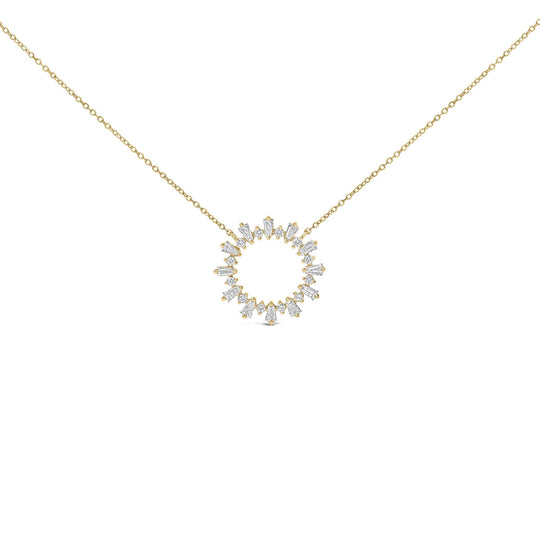
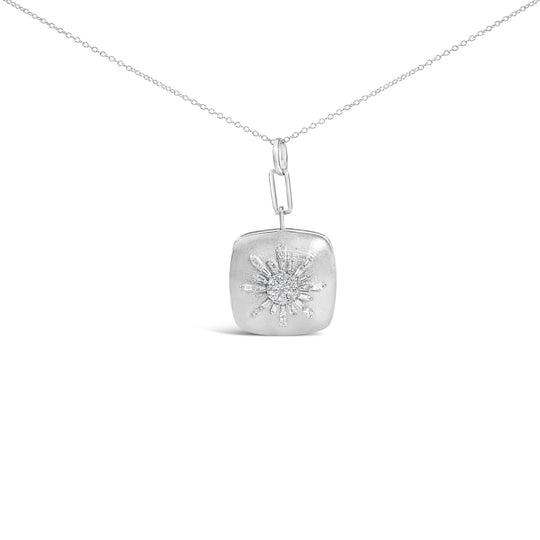
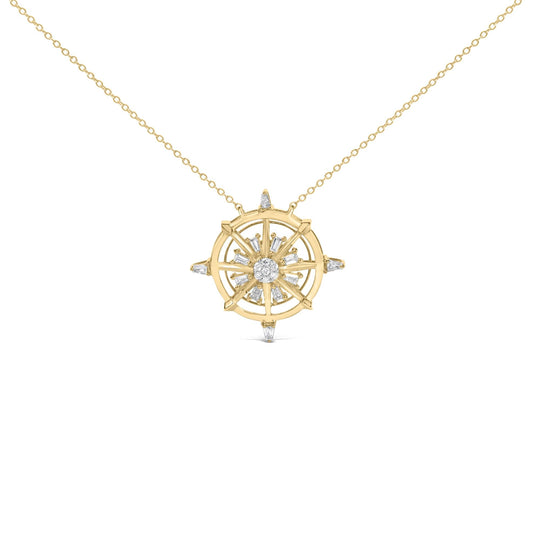
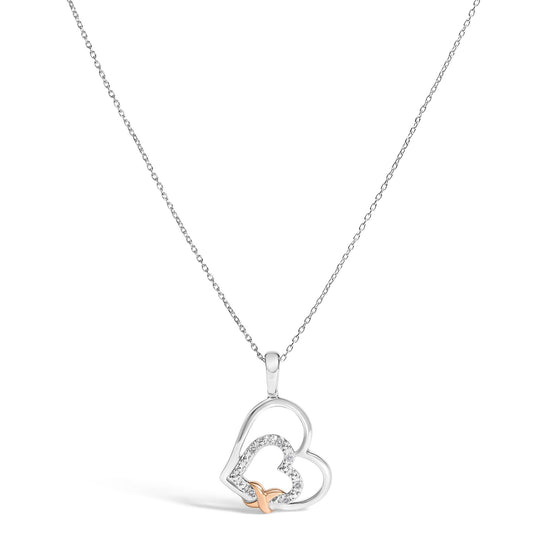
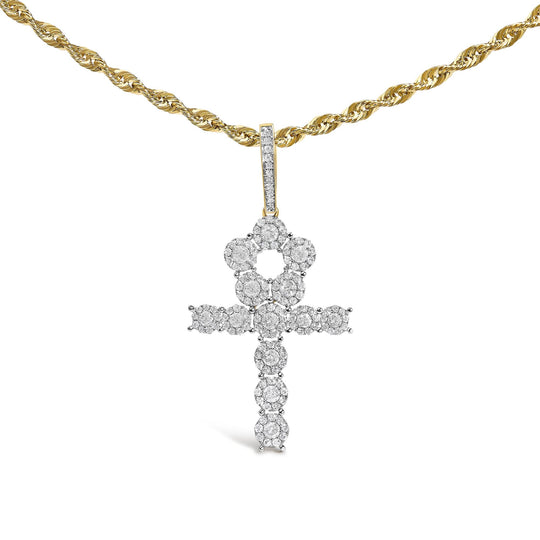
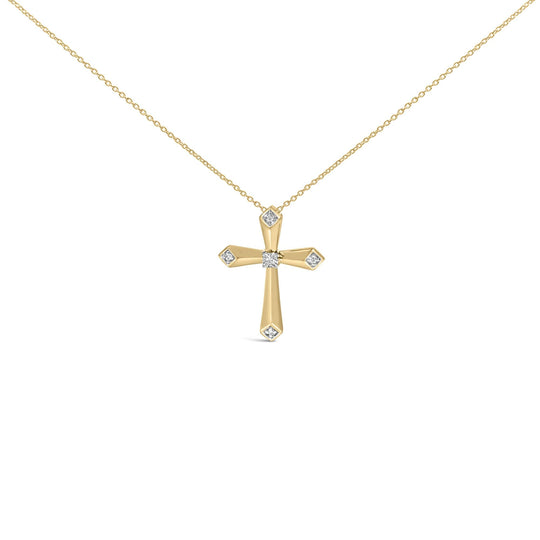
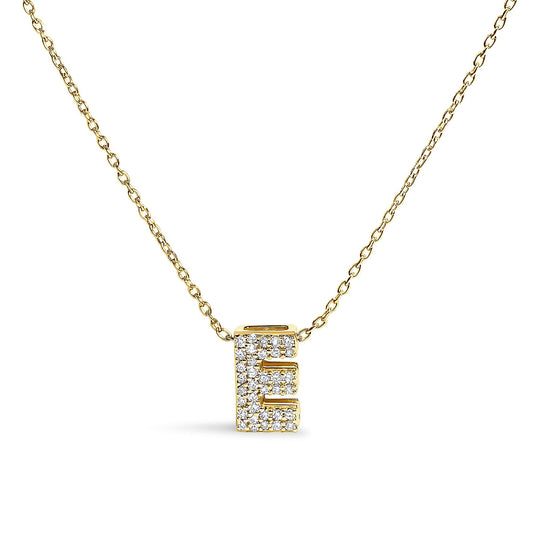
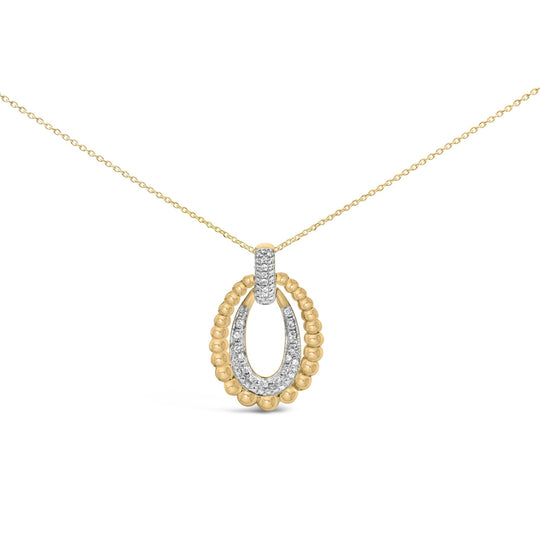
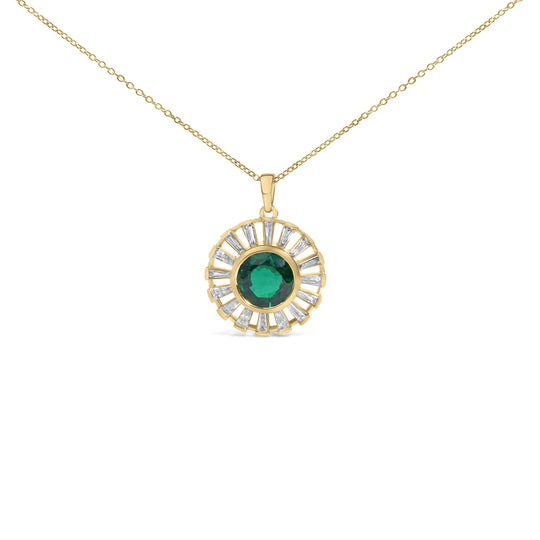
A diamond pendant is a single decorative piece hung on a separate chain; a diamond chain incorporates diamonds into the chain links themselves. Tennis necklaces and pavé chains are diamond chains where sparkle is distributed across the full length. Solitaire and halo designs are pendants where a single stone or cluster hangs as a focal element. The choice is one of where you want visual weight to fall: a pendant concentrates it at one point, while a diamond chain distributes it evenly. For pendant-specific styles, the diamond pendants range covers all available configurations.

Chain Length and Diamond Necklace Proportions

Chain length determines where the diamond focal point sits on the body. A 16-inch length positions a pendant at the collarbone: high and visible under most necklines. An 18-inch length sits just below the collarbone, the most versatile position for most necklines and body types. A 20-inch length creates a mid-chest drop suited to larger pendants and lower necklines. Tennis necklaces sit best at 16 to 17 inches for full collarbone coverage. For gold chain options that pair with diamond pendants, the gold necklaces range covers every chain style and length. Every order ships free with a 30-day return policy.

Frequently Asked Questions

What is the most popular type of diamond necklace?

Diamond solitaire pendant necklaces are the highest-selling style, consistently appealing across age groups and occasions due to their versatility. A single diamond in a prong or bezel setting on a fine chain suits everything from daily wear to formal occasions. Tennis necklaces are the top-selling formal diamond necklace and remain a strong bridal and gift category. Station necklaces with diamonds at regular intervals have grown in popularity as an everyday alternative to the solitaire pendant. For ideas on pairing and wearing each style, read how to style diamond jewelry.
What is a diamond tennis necklace?

A tennis necklace is a continuous line of matched, prong-set diamonds running the full necklace length. Each stone is individually set in a shared-prong row that allows the piece to flex naturally around the neck. The style takes its name from a 1987 incident when tennis player Chris Evert stopped a match to look for her dropped diamond bracelet, bringing the style to popular attention. Tennis necklaces are typically worn at 16 to 17 inches and pair with formal attire, though fine-gauge versions work for more polished everyday wear.

What chain length is best for a diamond necklace?

Diamond necklaces suit an 18-inch chain for the most versatile positioning, placing a pendant just below the collarbone on most body types. For smaller, more delicate pendants, 16 inches keeps the piece at the collarbone where detail can be appreciated. Longer drops at 20 inches suit larger, heavier pendants and open necklines. For tennis necklaces, 16 to 17 inches provides full collarbone coverage and the right amount of drape across the chest.

How do you care for a diamond necklace?

Diamonds are durable but the chain, setting, and clasp require care. Remove before swimming in chlorine, which can affect gold settings over time, and before applying perfume or sunscreen directly to the neckline area. Clean with warm water, mild soap, and a soft toothbrush every few weeks to remove oils and residue that dull the diamond's surface. Have the clasp and any prong settings checked annually; chain links can thin with regular wear and clasps loosen over time.

What clarity and color grade should I buy for a diamond necklace?

Diamond pendant necklaces suit VS2 to SI1 as the practical clarity range where stones are clean to the naked eye. Color grades of G to I suit white gold settings without visible warmth at necklace distance. For a tennis necklace with many small matched stones, color consistency across the stones matters more than the absolute grade: stones that vary from each other are more distracting than a uniformly lower-grade line.

What metal is best for diamond necklaces?

White gold is the most widely chosen metal for diamond necklaces because its neutral tone lets the diamond's color and brilliance stand out most clearly. Yellow gold is a strong choice for vintage-inspired settings and lower color-grade diamonds, where the warm background enhances rather than fights the stone's tone. Rose gold creates the most romantic character and pairs well with champagne diamonds and near-colorless stones. The metal should match any existing diamond jewelry the buyer wears regularly.

Can you wear a diamond necklace every day?

Diamond pendant and chain necklaces are well-suited to daily wear with standard care. The practical habits that extend the piece's life are removing before pool swimming, applying products, and sleeping in pieces with pendants that might stress the bail. Have the chain and clasp inspected annually, as fine chains are the element most vulnerable to daily wear. Pendants with secure bezel settings are the most practical for continuous daily use.

What diamond earrings complement a diamond necklace?

Diamond stud earrings in matching metal are the most proportional complement. For a solitaire pendant at the neckline, studs at 0.5 TCW keep ear detail proportional and non-competing. For a tennis necklace, slightly larger studs or a small halo earring create visual parity across the look. Metal consistency across necklace and earring is the most important coordination decision. The diamond earrings range covers matching options.

How do diamond chains differ from diamond pendant necklaces?

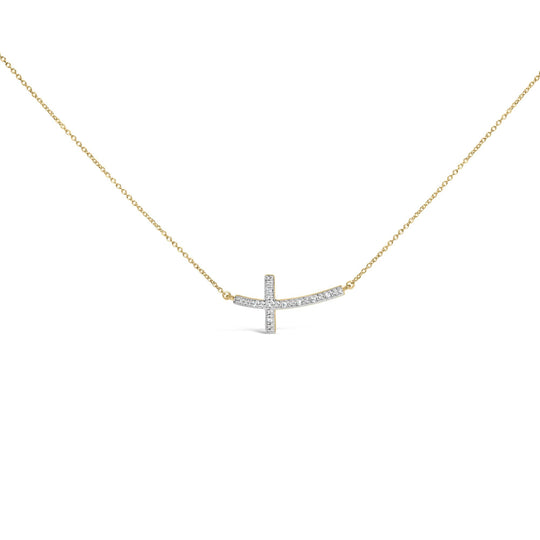
Diamond pendant necklaces have a single decorative element hung on a separate chain; diamond chains incorporate diamonds into the chain links themselves across their full length. Tennis necklaces and pave chains are diamond chains where the sparkle is continuous. A pendant concentrates visual weight at one point; a diamond chain distributes it evenly from clasp to center.

What diamond bracelets complete a diamond necklace look?

A diamond tennis bracelet in matching metal is the natural complement to a diamond necklace, creating wrist-to-neck sparkle continuity. For a more understated result, a thin pavé or channel-set bracelet adds wrist detail without competing with the necklace as the primary focal piece. Avoid wearing the same total visual weight at both wrist and neck; one location should carry the primary piece. The diamond bracelets range covers wrist options.

.925 10k Rose Gold Over Sterling Silver 1.0 cttw Diamond Floral Link Bracelet (I-J Color,I3 Clarity)
10K rose gold bracelet with floral-link diamond clusters totaling 1.0 carat .925 10k Rose Gold Over Sterling Silver 1.0 cttw Diamond Floral Link Bracelet (I-J Color,I3 Clarity)-1
Floral clusters of diamonds link end to end along this bracelet, each blossom-shaped station connecting to the next for a...
Regular price
$449.98
Sale price
$449.98
Your Bag
Subtotal (tax excl.) $0
 
Example
Example
Example
(0 )
Example
View detail
Example
Example
Option1
Option2
Option3
Option1
Option2
Option3
Sold out
Quantity
Add To Cart
Buy Now
Compare
Add Wishlist
Share:
0
0