Skip to content
Every order ships free with a 30-day return policy  ·  Browse new arrivals

Gold Engagement Rings

  • Genuine Gemstones
  • Free Shipping
  • 30-Day Returns

Gold Engagement Rings: Yellow, White, and Rose

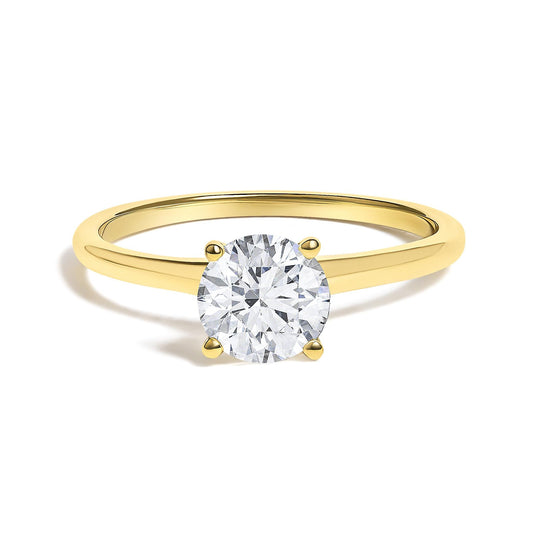
Gold engagement rings cover three distinct colors built from the same base metal: yellow, white, and rose, each created through a different alloy mix rather than a different source of gold. All three are genuine fine jewelry rated for decades of daily wear, available in 10k, 14k, and 18k depending on how a buyer wants to balance pure gold content against durability. The choice between colors is almost entirely aesthetic, since gold content and hardness are identical across all three at the same karat. Every order ships free with a 30-day return policy.

Choosing the Right Gold Color and Karat

White Gold: The Most Popular Engagement Choice

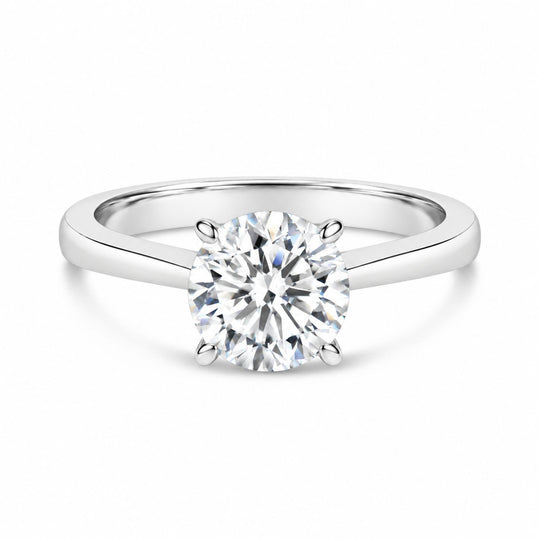
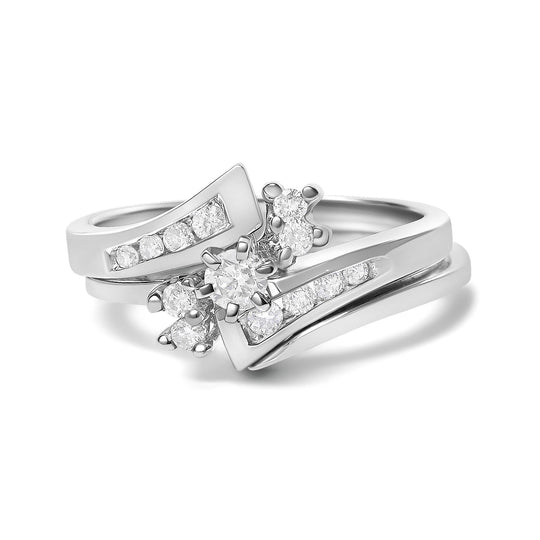
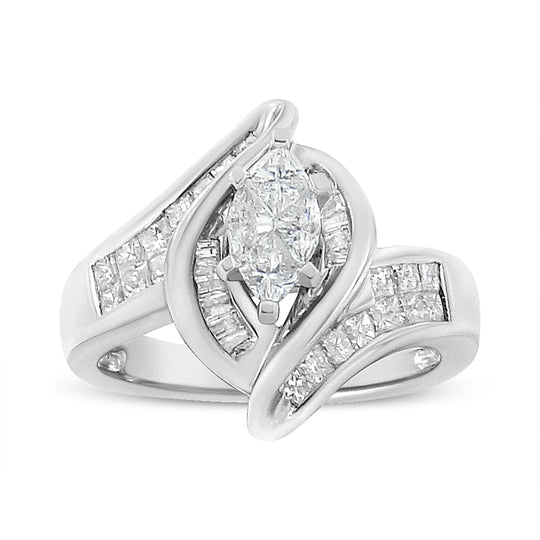
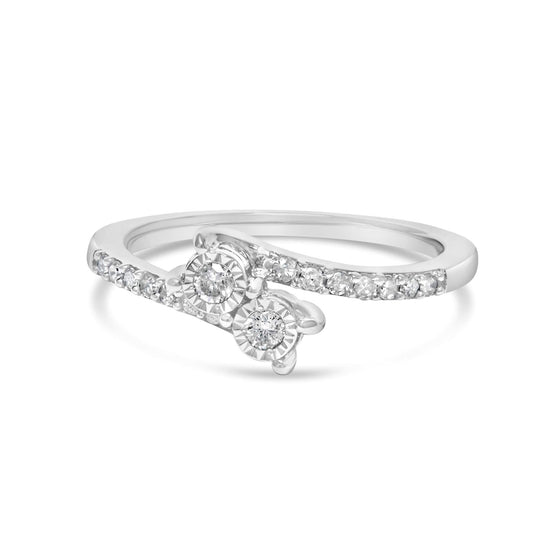
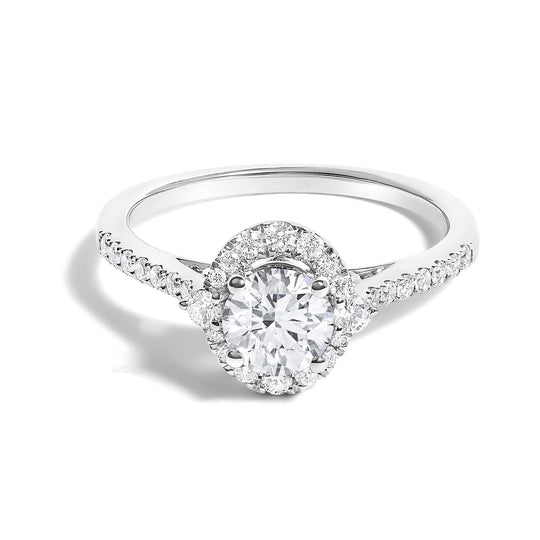
White gold is the most requested metal for engagement rings because its neutral, silvery tone lets a diamond or colorless stone read at its brightest without competing warmth. It is rhodium-plated for that bright finish, which means a replating every one to three years keeps the original color looking fresh. Browse white gold engagement rings for the full range of settings built in this metal.

Yellow Gold: The Traditional Engagement Metal

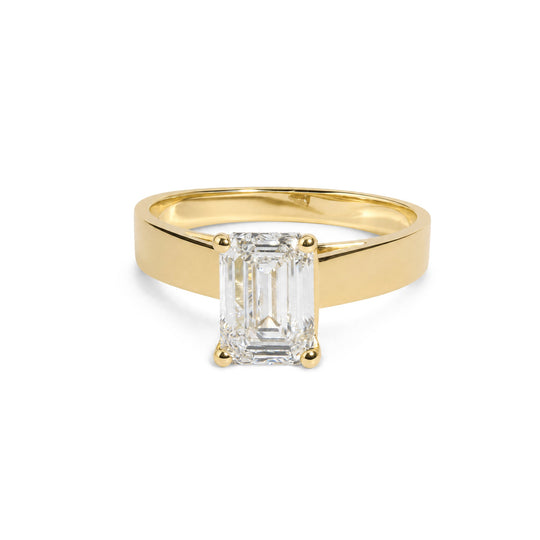
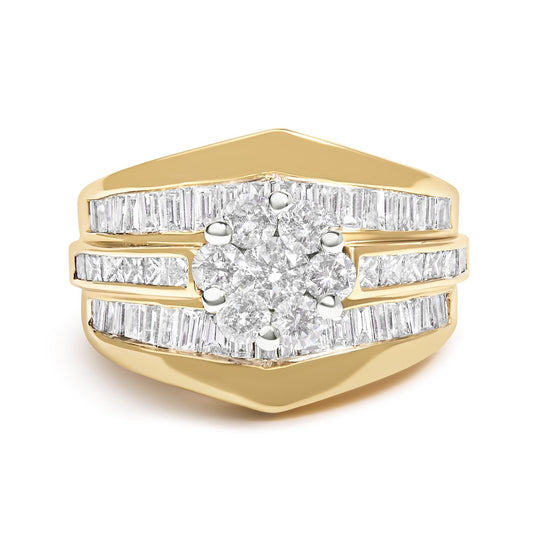
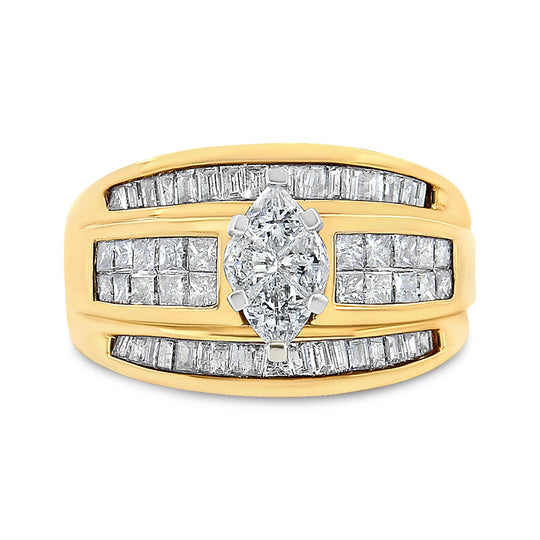
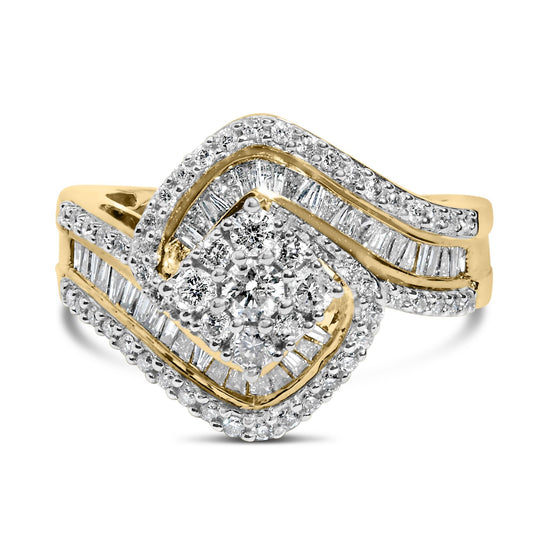
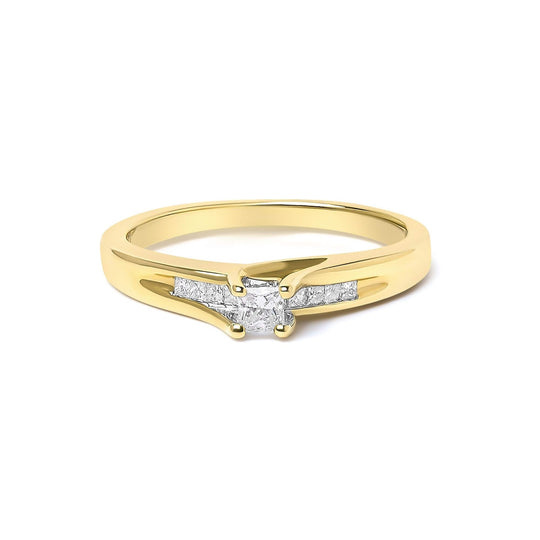
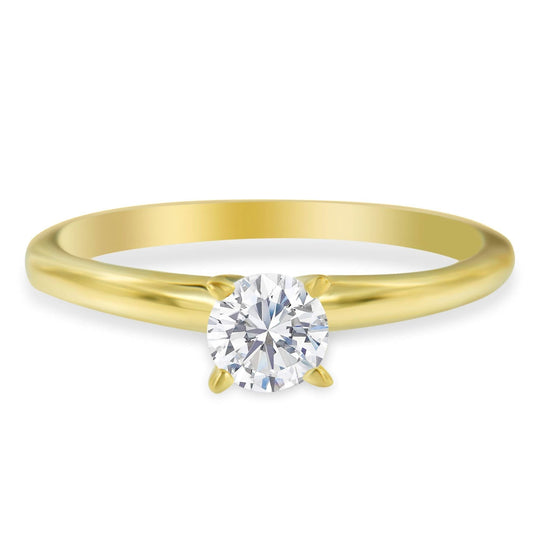
Yellow gold carries the warm, classic tone that has defined fine jewelry for generations, and it remains a strong choice for buyers who want a ring that reads as traditional rather than contemporary. It needs no replating and resists tarnish completely, making it one of the lowest-maintenance options over decades of wear. Browse yellow gold engagement rings to see the full range in this tone.

Rose Gold: The Romantic Engagement Alternative

Rose gold gets its warm pink tone from a higher proportion of copper in the alloy, and that same copper content makes it one of the more durable gold colors for daily wear. It has grown significantly in popularity for engagement rings over the last decade among buyers who want a softer, less conventional look. Browse rose gold engagement rings for the full range available in this tone.

Choosing a Karat: 10K, 14K, and 18K

Karat measures the proportion of pure gold in the alloy, and the choice affects durability more than appearance. 10K is the hardest and most scratch-resistant option for a ring worn every day. 14K is the most common standard in the US, balancing color richness with daily-wear durability. 18K carries the deepest color but scratches more easily. Browse gold rings to compare every karat across all three colors.

Frequently Asked Questions

Should an engagement ring be gold or silver-toned?

There is no rule; it comes down to personal preference and what the recipient already wears. "Gold" usually means yellow gold's warm tone, while "silver-toned" usually refers to white gold or platinum's cool, neutral finish. Matching the metal to jewelry the recipient already wears daily is the most reliable way to choose.

What karat gold is best for an engagement ring?

14K is the most practical choice for most buyers because it balances color richness with the durability a ring needs for daily wear. 10K is the hardest and most affordable option. 18K carries the richest color but scratches more easily. The right karat depends on how the ring will be worn and how much color depth matters.

How much gold is actually in an engagement ring?

It depends on the karat. 10K gold is 41.7% pure gold, 14K is 58.3%, and 18K is 75%, with the remainder made up of alloy metals for strength. A typical engagement ring band weighs only a few grams, so even at 18K the actual pure gold content is a small, precise amount built for durability.

Are gold engagement rings still in style?

Yes. Both yellow and rose gold have seen renewed popularity over the past decade after a period where white gold and platinum dominated the market. White gold remains the most commonly chosen metal overall, but all three gold colors are widely worn and not considered dated by current buyers.

Is white gold considered real gold in an engagement ring?

Yes. White gold starts as the same pure gold used in yellow gold, alloyed with palladium or nickel to neutralize its warm tone, then plated with rhodium for a bright finish. Gold content at a given karat is identical to yellow gold; only the alloy and plating differ. See the full range in white gold engagement rings.

What is the difference between yellow, white, and rose gold?

All three start from the same pure gold and differ only in the alloy mixed in. Yellow gold uses silver and copper for its warm tone. White gold adds palladium or nickel and is rhodium-plated for a neutral finish. Rose gold uses more copper for its pink hue. See the full range in yellow gold engagement rings.

Do gold engagement rings tarnish or change color over time?

Yellow and rose gold do not tarnish under normal wear. White gold does not tarnish either, but its rhodium plating wears thin over years of daily contact, letting the slightly warmer tone of the underlying gold alloy show through. Replating restores the original bright white finish and is a routine jeweler service.

How do I clean a gold engagement ring at home?

Warm water with a small amount of mild dish soap is safe for all three gold colors. Soak for 10 to 15 minutes, use a soft toothbrush around the setting, rinse thoroughly, and dry with a lint-free cloth. Avoid abrasive cleaners, chlorine, and baking soda, which can dull the surface or damage rhodium plating.

Is rose gold a good choice for an engagement ring?

Yes. Rose gold has become one of the most popular engagement ring metals over the last decade, prized for its warm, romantic tone and the slight extra durability its copper content provides. It pairs naturally with a wide range of diamond and colored stone shapes and needs no replating. See the full range in rose gold engagement rings.

Can a gold engagement ring be resized?

Yes, in most cases. Yellow, white, and rose gold all resize using the same standard jeweler process, typically up or down by one to two sizes without issue. Eternity-style rings with stones set continuously around the band are more limited in how much they can be resized at any gold color.

×
Your Bag
Subtotal (tax excl.) $0
 
Example
Example
Example
(0 )
Example
View detail
Example
Example
Option1
Option2
Option3
Option1
Option2
Option3
Sold out
Quantity
Add To Cart
Buy Now
Compare
Add Wishlist
Share:
0
0