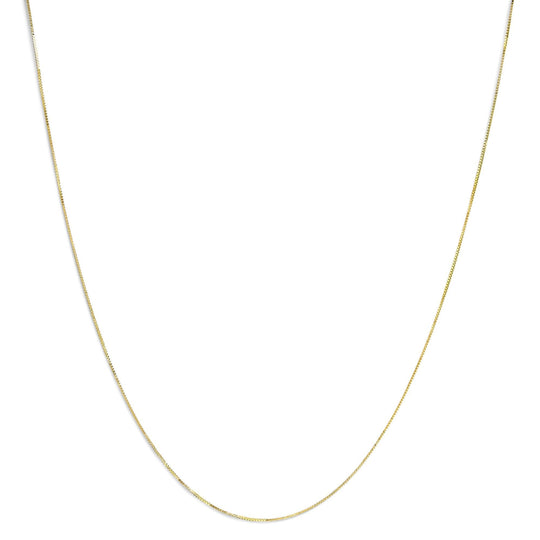
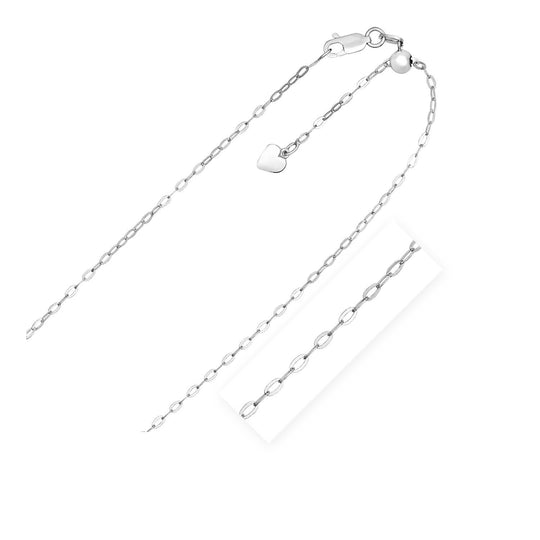
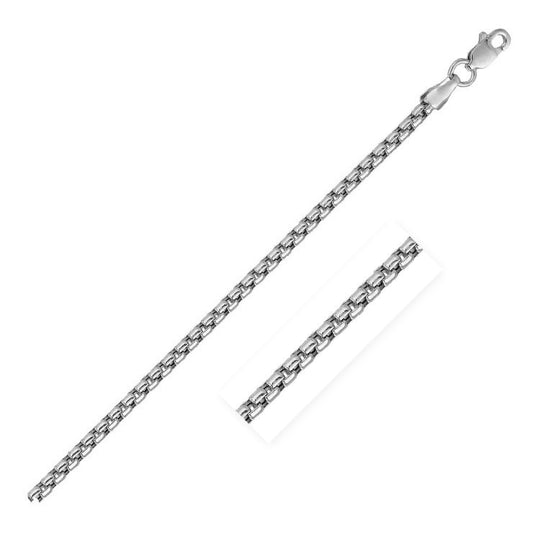
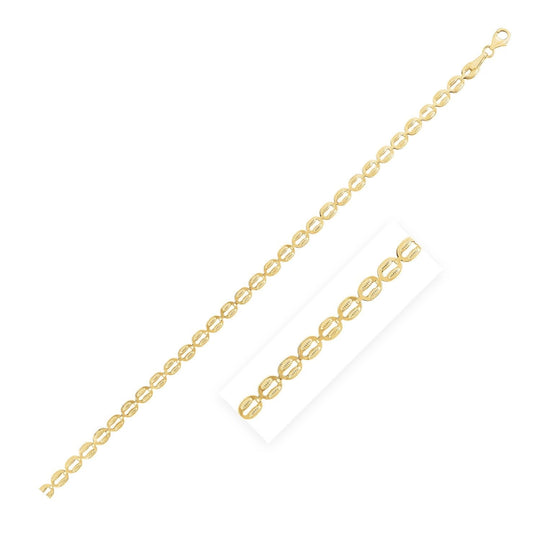
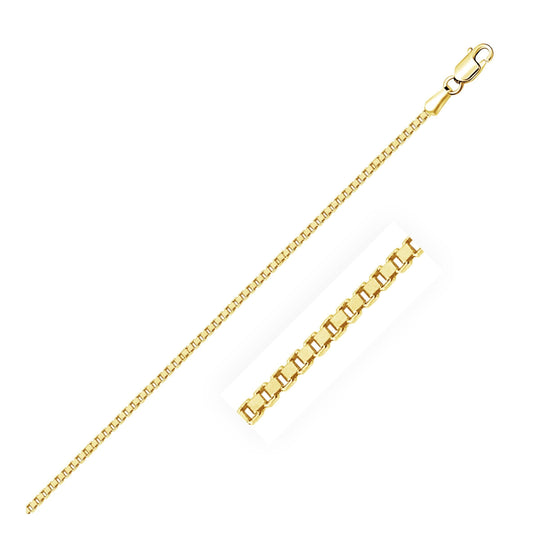
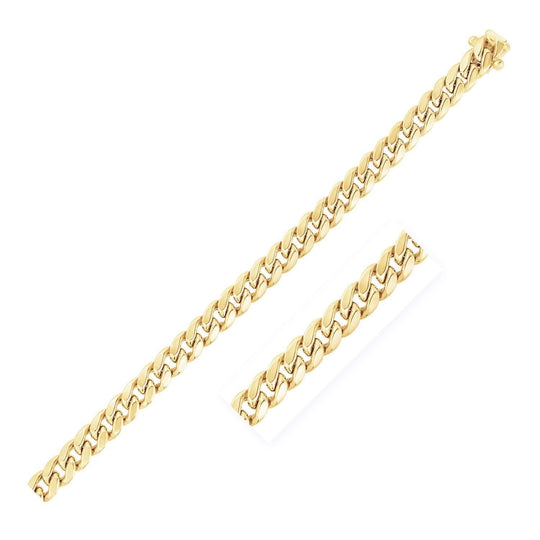
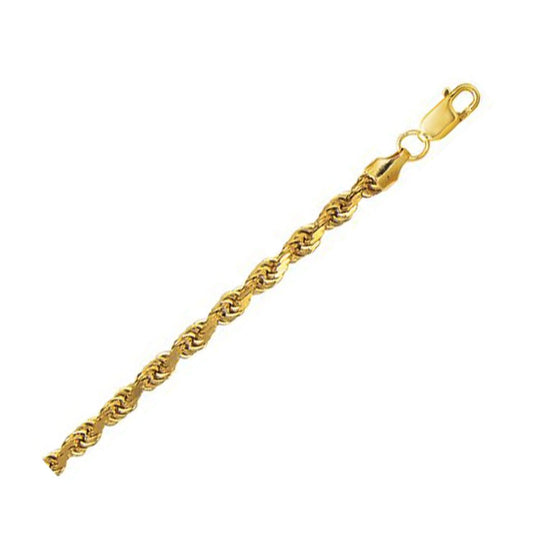
Choosing Men's Chains by Width, Link, and Metal
Width Is the First Decision
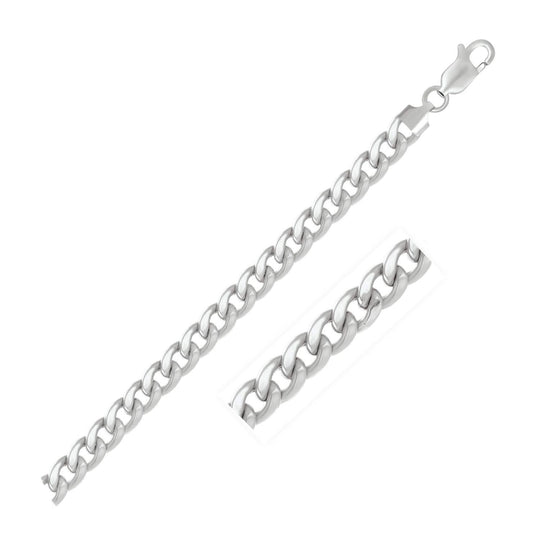
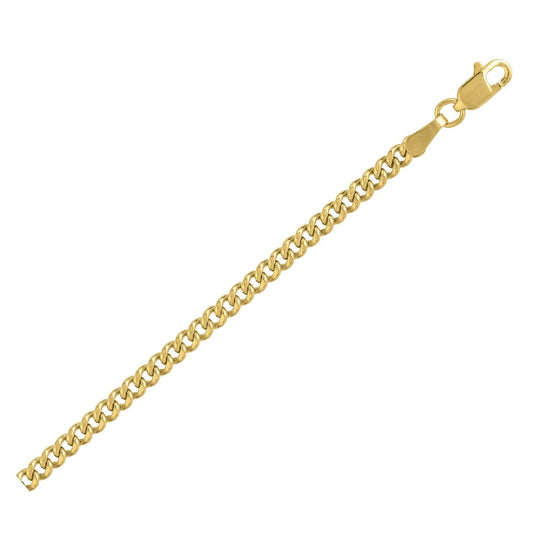
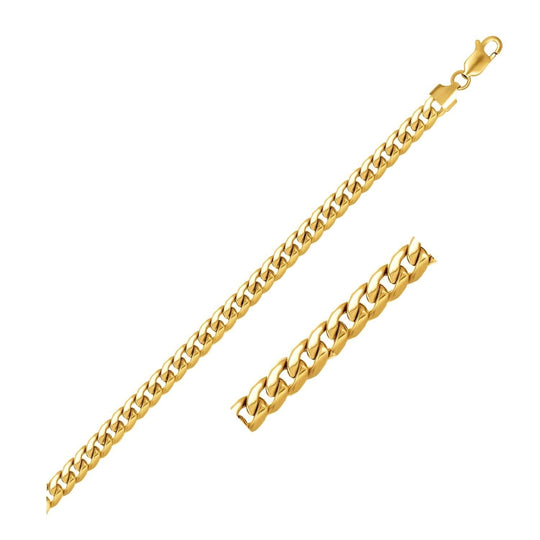
Width determines how a chain reads before anyone registers the link pattern. Below 3mm a chain sits quietly under a shirt and works mainly as a pendant carrier. From 4 to 6mm it holds its own worn open at the collar. Above 8mm the chain becomes the piece itself and calls for a heavier clasp to match the load. The flat, close-lying profile most men picture belongs to cuban chains, which carry weight without standing away from the skin.
Figaro Breaks the Repeating Pattern
Most chains repeat one link at one size for their full length. The figaro pattern alternates, running two or three short links against one elongated link, and the eye catches that rhythm from across a room. The result reads as more decorative than a plain curb without moving into dress territory. Widths from 4 to 7mm hold the pattern clearly, and below that the alternation gets lost. Yellow and white gold options run through figaro chains.
Rope Chains and How They Catch Light
A rope chain twists its links into a spiral so the surface breaks light at many angles rather than one flat plane. That is why a rope reads brighter than a curb of the same width and weight. The twist also gives the chain a rounder body, so it sits away from the skin rather than lying flat against it. Solid construction matters more here than in other patterns, since a hollow rope kinks and cannot be straightened. Gauges from fine through heavy wear sit in rope chains.
Which Metal Holds Up to Daily Wear
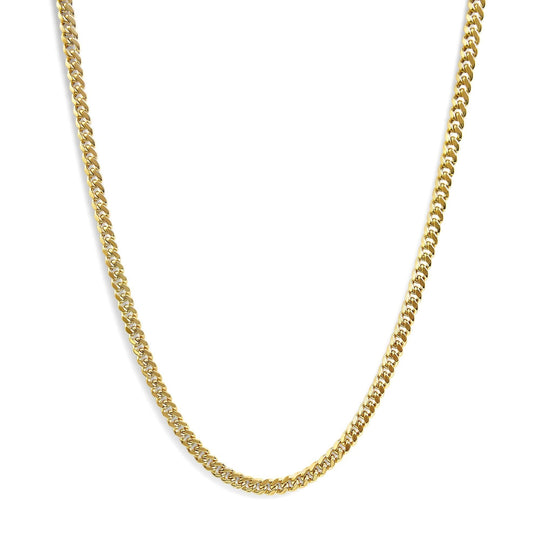
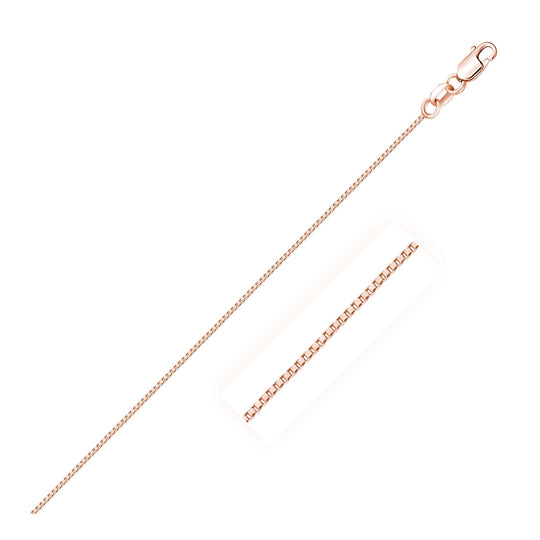
14k gold is the working standard for a chain worn every day. It carries enough alloy to resist the deformation that softer 18k shows at the link connection points, while keeping a warm color that 10k dilutes. Sterling silver takes a high polish and reads cooler, though it tarnishes and needs periodic cleaning. Yellow, white, and rose finishes all sit within gold chains, which is the place to compare karat and color side by side.