Skip to content
Every order ships free with a 30-day return policy  ·  Browse new arrivals

Pear

Pear Jewelry Across All Settings and Metals

The pear cut combines the rounded base of a brilliant with a tapered point, producing a teardrop silhouette that works particularly well in pendant and drop earring settings where the shape's orientation is fully visible. Oath's pear collection covers necklaces, earrings, bracelets, and rings in gold, white gold, rose gold, and sterling silver. Ships free on every pear order, with a 30-day return window.

  • Genuine Gemstones
  • Free Shipping
  • 30-Day Returns

Pear Cut Jewelry in Diamond, Gold, and Gemstone

Pear Cut and the Diamond Jewelry Range

The pear cut's combination of a rounded top and pointed base creates the most immediately recognizable shape in fine jewelry. Its modified brilliant faceting delivers strong light performance within a form that has clear directional visual movement. Diamonds in pear cuts are particularly valued for pendant necklaces where the pointed base aligns naturally with the downward hang. For the complete diamond jewelry range across all shapes, the diamond jewelry hub covers every available style.

Pear Cut Engagement Rings

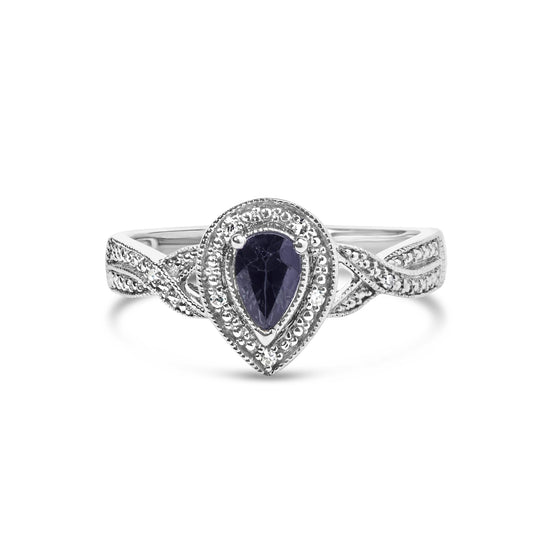
Pear engagement rings appeal to buyers who want a shape that is simultaneously romantic and distinctive. The teardrop silhouette, finger-elongating effect, and apparent size advantage per carat make it a strong engagement choice for buyers who want something clearly non-conventional. For the full engagement ring range, browse engagement rings for every available configuration.

Pear Cut in Pendant Necklaces

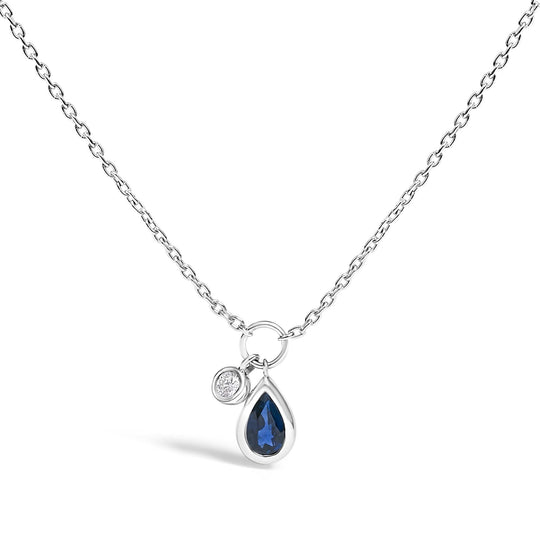
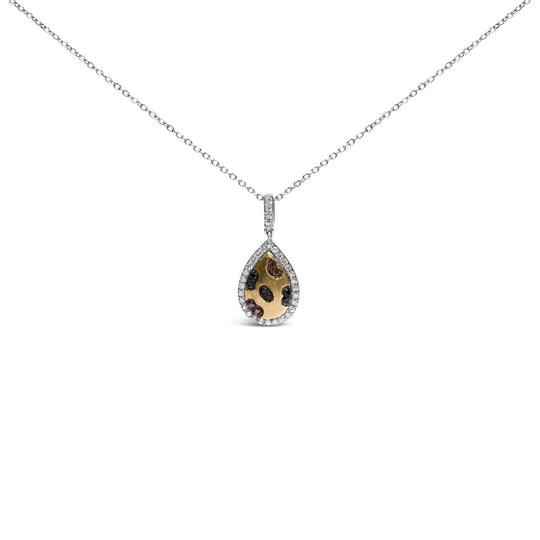
Pear pendants are the most classical use of the pear shape because the stone's pointed base creates natural visual momentum downward, aligning with the pendant's hang. A pear diamond or sapphire drop pendant is one of the most elegant single-stone necklace configurations available. Browse pendant necklaces for every pendant style across all shapes.

Pear Within the Full Ring Range

Pear is one of the more distinctive shapes in a ring category that spans round, oval, cushion, princess, and every other cut. For buyers comparing shapes, the full rings page covers every configuration. Every order ships free with a 30-day return policy.


Frequently Asked Questions

What is a pear cut stone?

A pear cut stone, also called a teardrop cut, is a modified brilliant cut that combines the round and marquise shapes into a single-pointed teardrop form with a rounded top and a pointed bottom. It has approximately 58 facets arranged to maximize brilliance while fitting the asymmetrical outline. Pear cuts have been used in fine jewelry since the 15th century and are particularly associated with pendant necklaces because the pointed base creates a natural hang point. In rings, the pointed tip is traditionally oriented toward the wearer's fingertips and requires a V-prong to protect the vulnerable point.

What makes the pear shape distinctive?

The pear shape's combination of a rounded top and a pointed tip creates the most distinctive silhouette in the brilliant cut family. The asymmetrical form means it cannot be described as any other shape — a pear cut is immediately recognizable at any size. The pointed tip and rounded shoulder create directional visual momentum that elongated cuts like oval lack. This makes pear particularly effective in pendant drops and earrings because the shape naturally leads the eye downward. In rings, the orientation of the point adds another layer of personal choice not present in symmetrical shapes.

What settings work best with pear cut stones?

Pear cut rings require a V-prong at the pointed tip, the most vulnerable point in the stone's outline, to prevent chipping or loss. The rounded shoulder end uses standard prongs, and five-prong settings are common: one V-prong at the tip and four prongs along the sides and rounded top. Halo settings trace the full teardrop outline for an elaborate look. Bezel settings protect the tip fully but make the stone appear smaller. In pendant necklaces, pear stones are set in bail or bezel configurations that use the pointed base as the natural hang point.

How should I orient a pear ring?

Pear cut rings are traditionally worn with the pointed tip oriented toward the fingertips and the rounded end toward the hand, creating a visual elongation of the finger as the point leads toward the nail. The east-west orientation, turning the stone sideways across the finger, is a modern alternative that creates a wide, architectural ring look. Some wearers prefer the point oriented toward the hand. All orientations are valid and the choice is purely aesthetic and personal.

Does pear cut appear in necklaces and earrings?

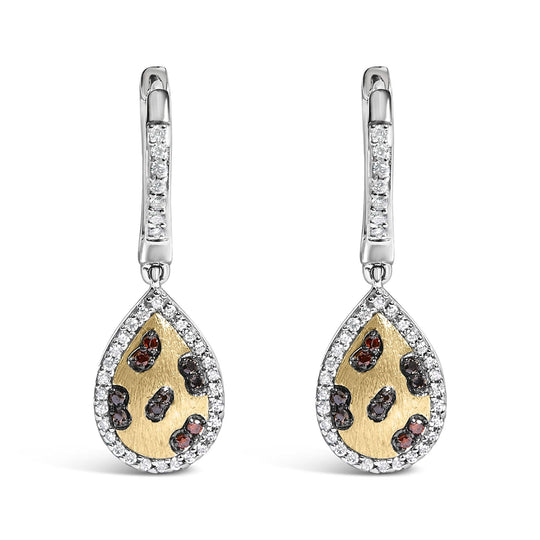
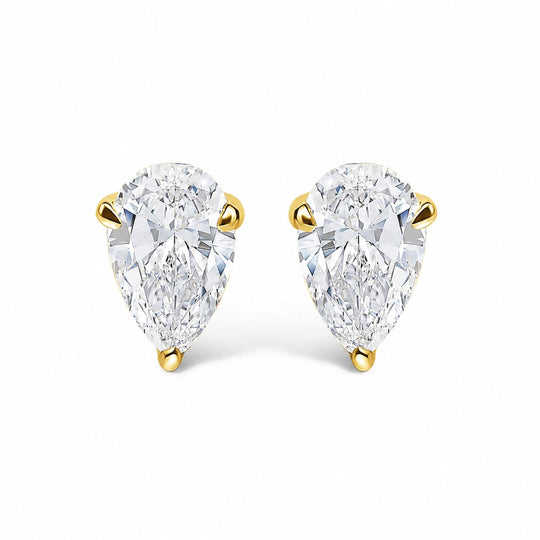
Pear cut stones appear prominently in both pendant necklaces and earrings, with pendant necklaces the most natural home for the shape. The pointed base creates downward visual pull aligned with the pendant's hang, making pear one of the most effective pendant cuts. Pear stud and drop earrings are also available, where the teardrop silhouette creates a feminine and distinct appearance at the ear. The shape suits all jewelry types but has its strongest traditional association with pendant necklaces.

What is the ideal length-to-width ratio for a pear cut?

The most popular pear cut length-to-width ratios range from 1.45 to 1.75. A ratio of 1.5 to 1.6 is considered classic — elongated enough to read clearly as a pear without appearing too thin or excessively long. Ratios above 1.75 create a very slender, dramatically elongated shape that suits buyers who want maximum finger elongation. Ratios below 1.4 create a wider, rounder pear that reads as less distinctly pointed. The preference is personal, and buyers should compare actual stone images across the ratio range before selecting.

What gemstones are popular in pear cut?

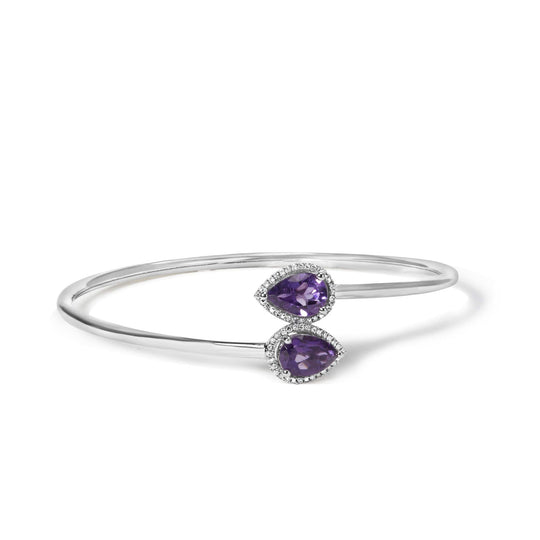
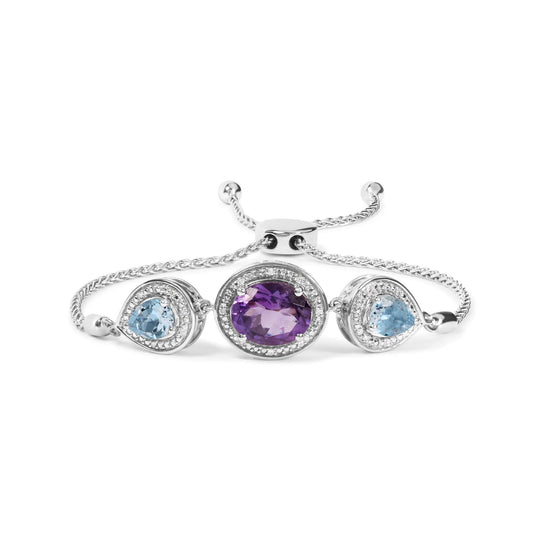
Diamond pear cuts are the most purchased, particularly for engagement rings and pendant necklaces. Morganite pear cuts have become popular for engagement ring alternatives because the stone's peachy-pink color suits the romantic teardrop form. Sapphire pear cuts are also popular. Aquamarine and blue topaz in pear cuts work well because the shape's elongation complements the clarity and cool color of these stones. Colored stones in pear cuts benefit from the large surface area exposure of the shape, which allows maximum color display.

How does pear compare to oval for pendant necklaces?

Pear cut stones have a natural advantage over oval for pendant necklaces because the pointed base aligns with the downward hang of a pendant, creating visual continuity between the stone and the chain drop. Oval pendants hang with rounded ends that can appear to float rather than flow. For pendant drops specifically, pear is the more classical choice. For a stone that works equally well in both rings and pendants, oval is more versatile. For the full oval cut range across rings and pendants, browse oval.

What pendant necklace styles use pear cut stones?

Pear solitaire pendants are the most classic pear necklace configuration, a single pear diamond or colored stone in a simple bail or prong setting on a gold chain. Halo pear pendants surround the center stone with smaller diamonds for amplified presence. Three-stone pendants with a pear center flanked by round or baguette side stones are also available. For the pear cut worn on the hand, browse pear rings.

Are pear cut rings popular as women's rings?

Pear cut rings are among the most popular shapes for women's rings, valued for their distinctive teardrop silhouette, finger-elongating effect, and romantic visual associations. The shape's historical associations and immediately recognizable outline make it a consistently popular choice for buyers who want something clearly non-conventional. For the complete women's ring range across pear and all other shapes, browse womens rings.

×
Your Bag
Subtotal (tax excl.) $0
 
Example
Example
Example
(0 )
Example
View detail
Example
Example
Option1
Option2
Option3
Option1
Option2
Option3
Sold out
Quantity
Add To Cart
Buy Now
Compare
Add Wishlist
Share:
0
0