Skip to content
Every order ships free with a 30-day return policy  ·  Browse new arrivals

Round Diamonds

Round Cut Diamonds in All Settings and Metals

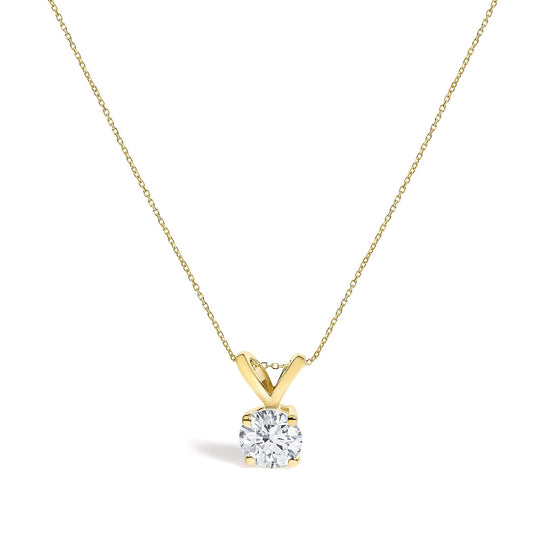
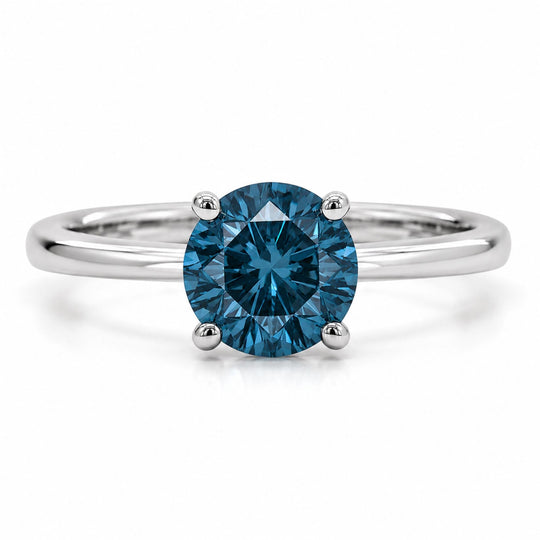
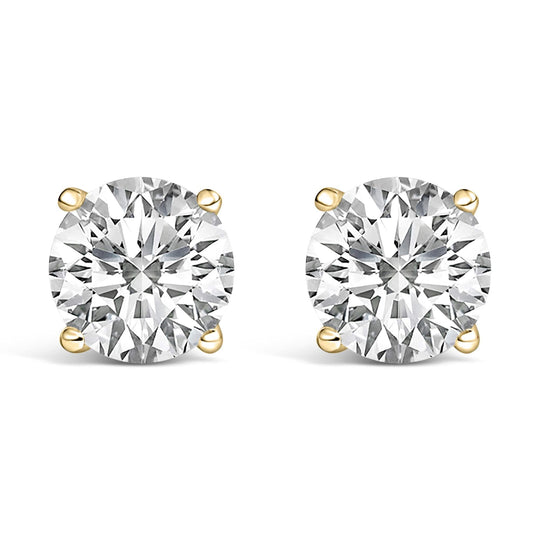
Round brilliant diamonds account for the majority of all diamond jewelry sold, valued for a cut designed to maximise fire and brilliance across a wider range of lighting conditions than any other shape. Oath's round diamond collection covers solitaire rings, stud earrings, pendants, tennis bracelets, and multi-stone designs in 10K, 14K, and 18K gold and platinum, with natural and lab-grown options throughout. Every round diamond order ships free, with returns accepted within 30 days.

  • Genuine Gemstones
  • Free Shipping
  • 30-Day Returns

Round Cut Diamonds: Brilliance and Buying Guide

Round Diamonds in Rings: The World's Most Purchased Configuration

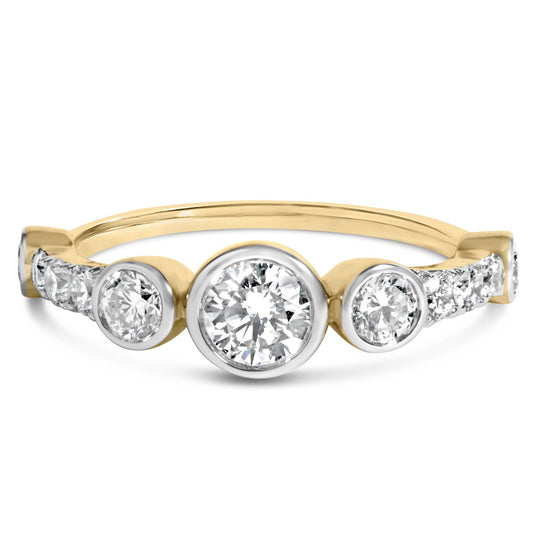
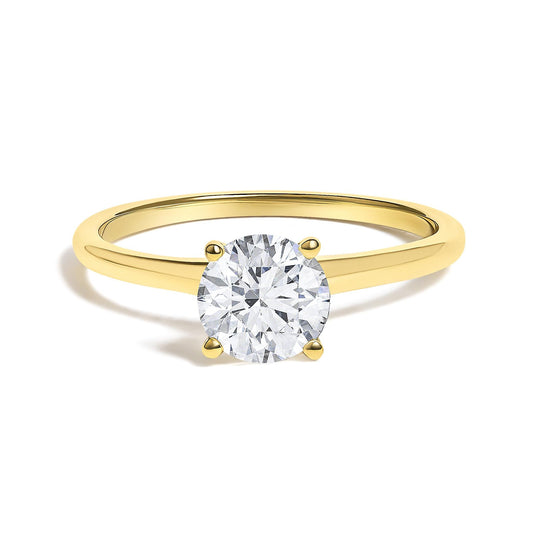
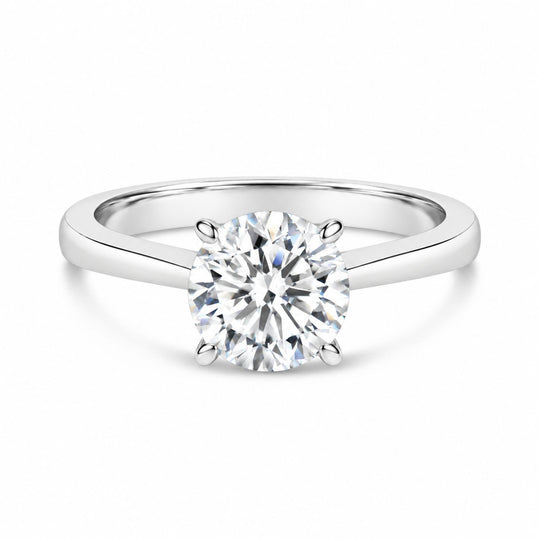
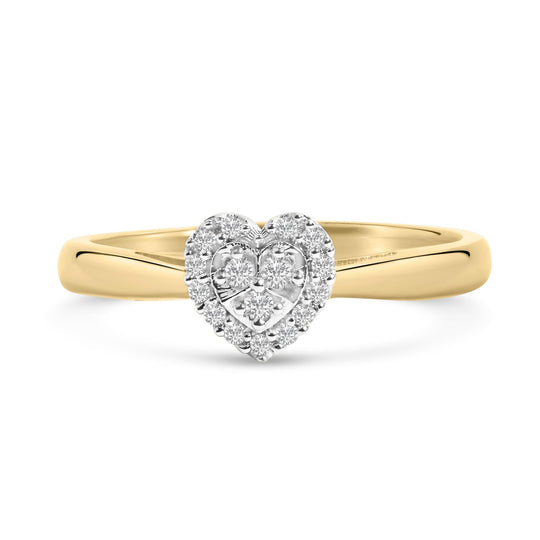
A round brilliant diamond in a ring is the foundational fine jewelry purchase globally. The cut's 58-facet optimization delivers maximum brilliance that no other shape matches, and the circular outline works in any setting and on any hand. Browse round rings for every available configuration in this shape.

Round Diamonds Across the Diamond Jewelry Range

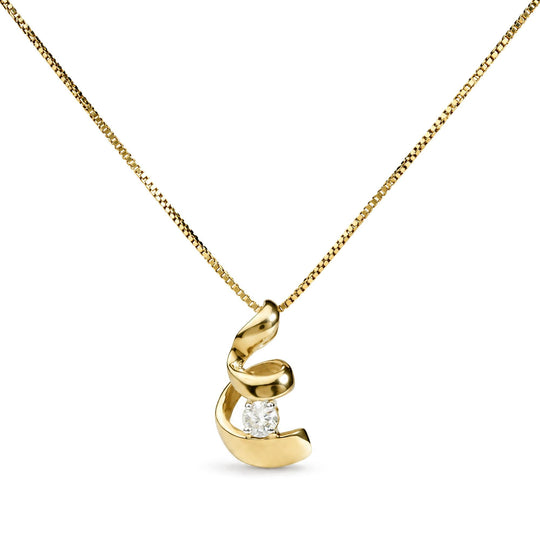
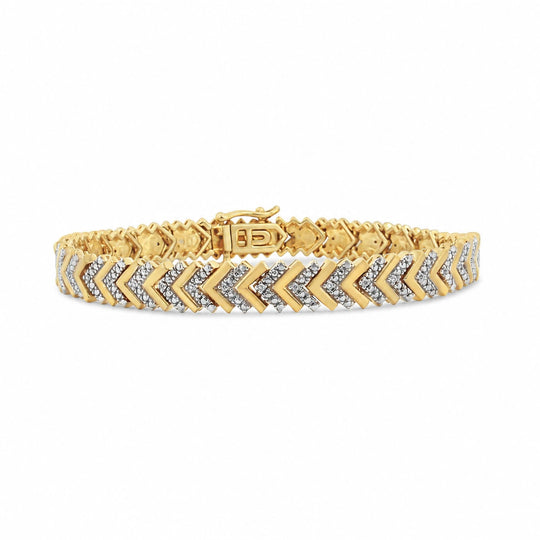
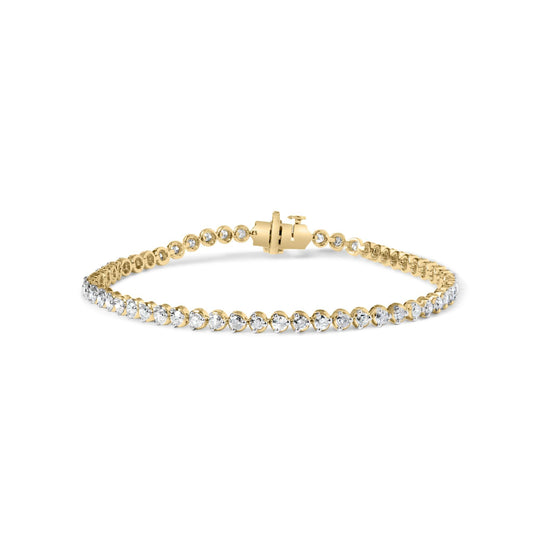
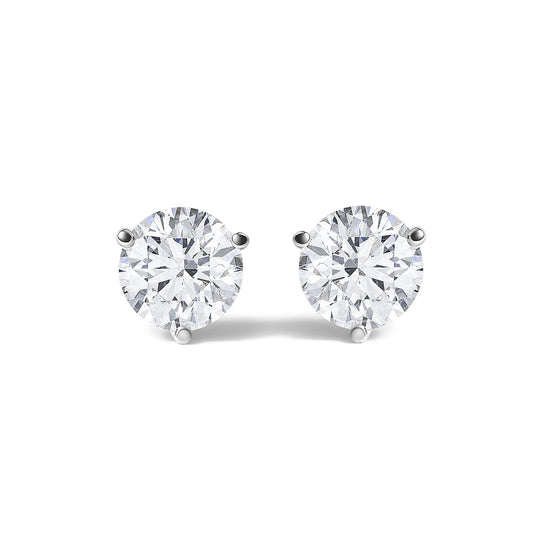
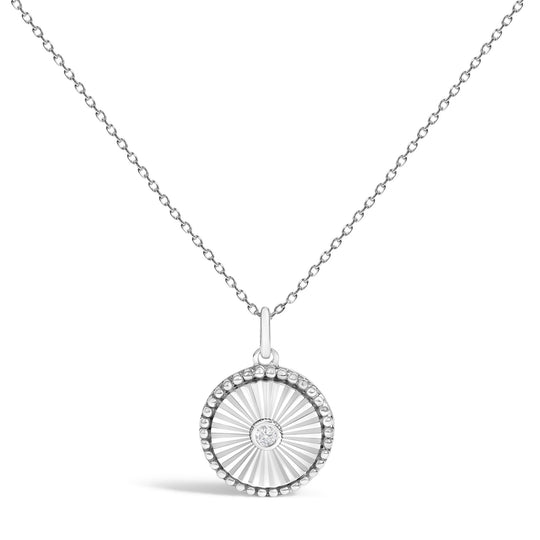
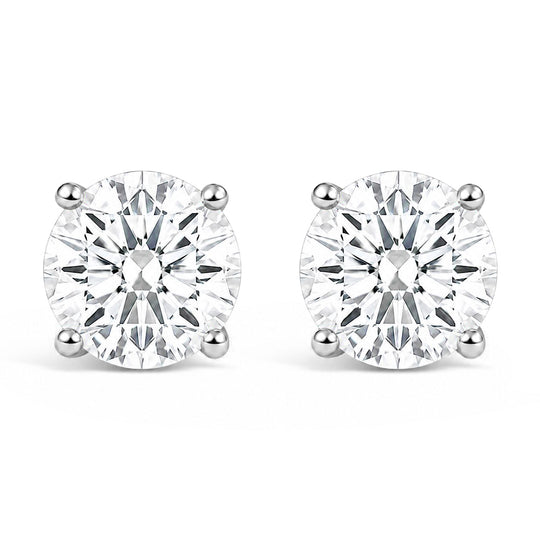
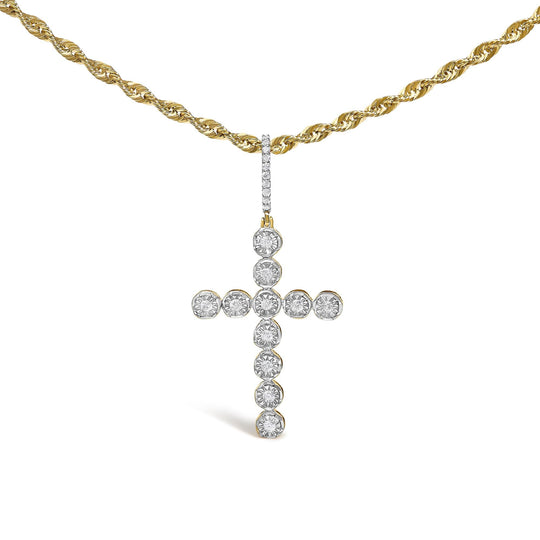
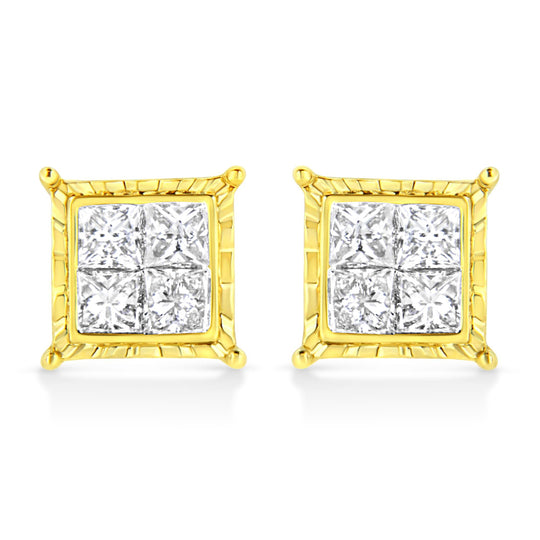
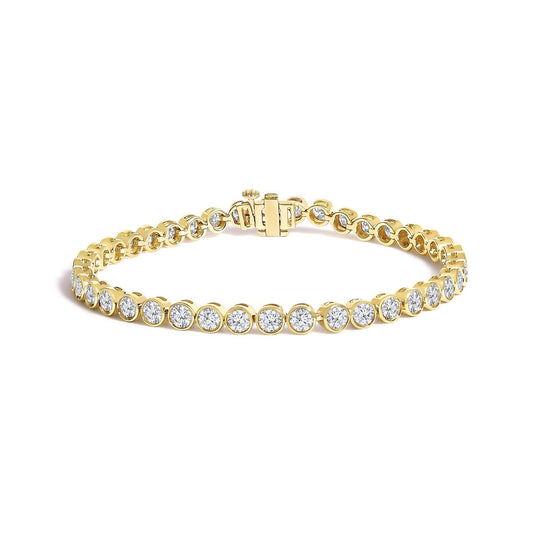
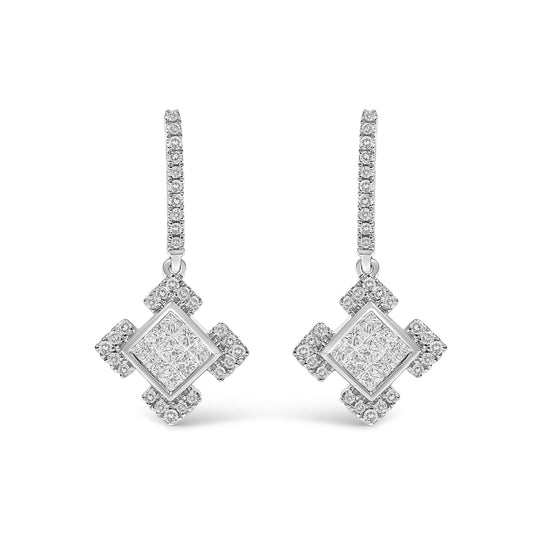
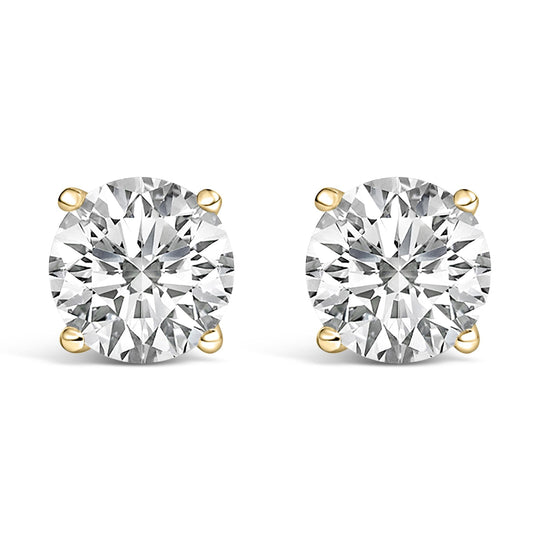
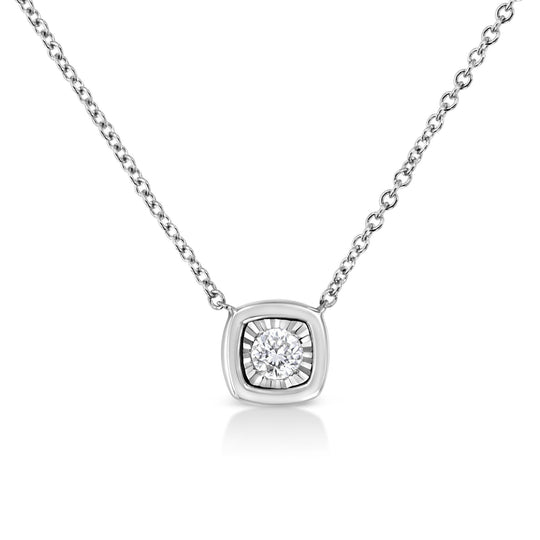
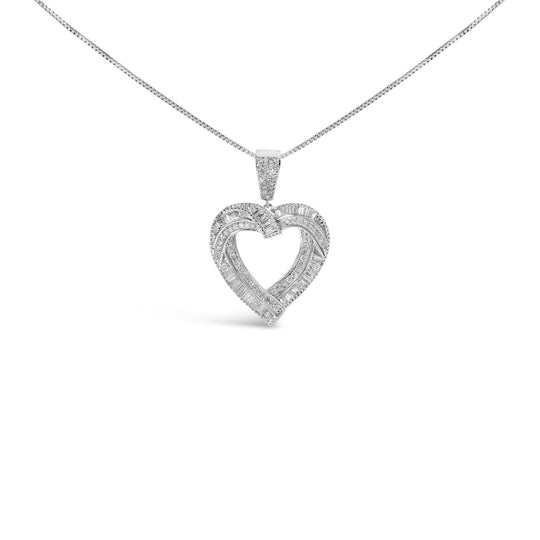
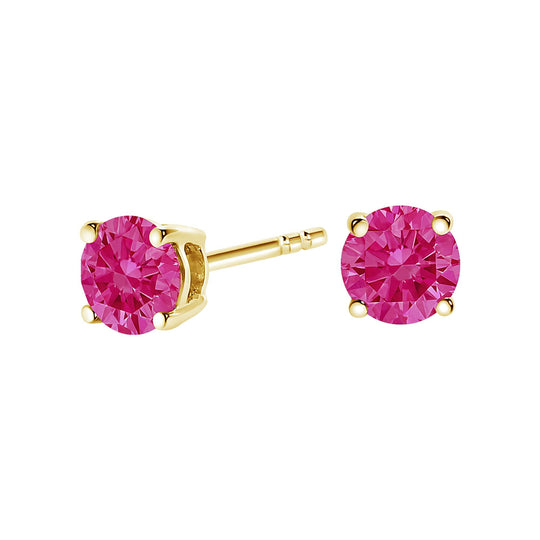
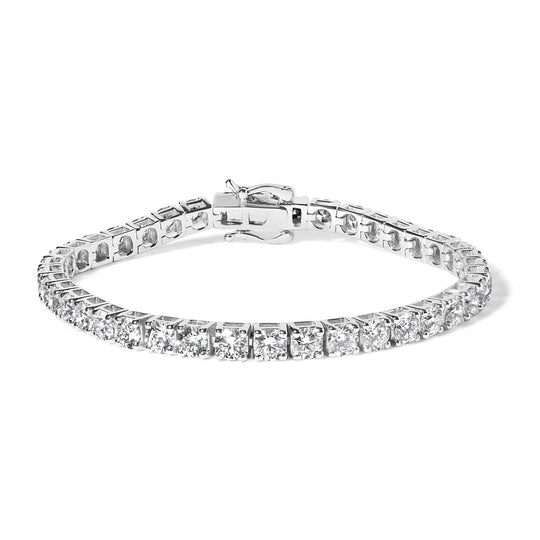
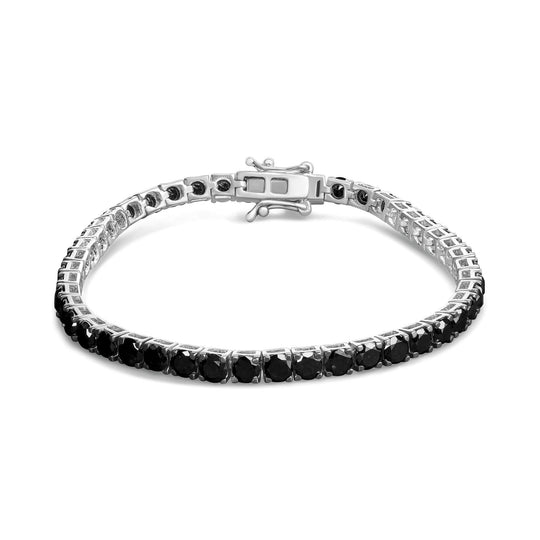
Round diamonds appear in every jewelry type: rings, earrings, necklaces, bracelets, and pendants. They are the most common stone in diamond stud earrings, tennis bracelets, and pave settings because the circular shape tiles efficiently. Browse diamond jewelry for the complete diamond jewelry range across all types.

Round Diamonds in Engagement Rings

A round solitaire engagement ring in white gold is the most requested fine jewelry configuration in the world. Browse engagement rings for the complete engagement ring range in round and every other shape and setting.

Round Diamonds Within the Full Ring Range

Round is one shape in a ring category that spans every cut from classic to contemporary. For buyers comparing all options, the full rings page covers every configuration. Every order ships free with a 30-day return policy.

Frequently Asked Questions

What is a round cut diamond?

A round cut diamond is a diamond shaped into a circular outline with 58 facets arranged to maximize brilliance, fire, and scintillation. The round brilliant cut was refined to its modern form in the early 20th century and is the most optically precise diamond cut available. Its circular symmetry allows gem cutters to optimize every facet angle for maximum light return. Round diamonds account for over 55% of all diamonds sold globally and have been the dominant choice for engagement rings for over a century.

What diamond grades matter most for round cut diamonds?

For round cut diamonds, cut quality is the most important grade because the round brilliant is the only cut for which GIA provides a formal cut grade (Excellent, Very Good, Good, Fair, Poor). An Excellent cut grade ensures the stone's facets work together optimally. Color (D to Z) and clarity (FL to I3) matter for appearance, but a lower color or clarity grade is often tolerable if the cut is excellent. A poorly cut round diamond will appear dull regardless of its color or clarity grade. For how the 4 Cs work and why cut comes first, read how to evaluate diamond quality.

How large does a round diamond appear at 1 carat?

A well-cut 1 carat round diamond measures approximately 6.4 to 6.5mm in diameter. On a hand, this reads as a clearly visible center stone. At 0.75 carats it measures around 5.8mm. At 1.5 carats it measures around 7.4mm. The table diameter is what reads visually on the finger, and round's compact circular footprint means it appears slightly smaller than an elongated fancy cut like oval at the same carat weight. Round makes up for this with brilliance — the cut's exceptional light return creates visual impact through sparkle rather than size.

What is a GIA-certified round diamond?

A GIA-certified round diamond has been evaluated by the Gemological Institute of America and issued a report documenting its carat weight, cut grade (for rounds), color grade (D–Z), and clarity grade (FL to I3), along with measurements and other details. GIA grading is the most widely recognized standard in the industry. A GIA report provides an independent third-party assessment of the diamond's quality, giving buyers confidence that the stone is accurately described. Not all diamonds come with GIA reports; buyers should ask specifically when this matters.

Why do round diamonds cost more than fancy shapes?

Round diamonds typically cost 20–40% more per carat than comparable fancy shapes for two reasons. First, cutting a round brilliant from rough diamond crystal wastes more material than cutting fancy shapes, because the circular outline does not conform as efficiently to the octahedral crystal structure. Second, round diamonds command higher demand due to their unmatched optical performance and dominant market share, which supports a premium. Buyers who prioritize maximum size per budget often choose oval or cushion cuts, which offer near-comparable brilliance with better apparent size per carat.

What does 'total carat weight' mean for round diamonds?

Total carat weight (tcw) refers to the combined weight of all diamonds in a jewelry piece. A ring described as '1.00 tcw' may have one 1-carat center diamond or multiple smaller diamonds that add up to 1 carat total. For rings with a single center stone, carat weight describes that stone directly. For pave, eternity, and halo settings, the tcw includes the center stone plus all accent stones. A 0.50 carat center with 0.50 tcw in pave accent stones equals 1.00 tcw total.

Can round diamonds be lab grown?

Lab-grown round diamonds have identical chemical composition, optical properties, and hardness to mined diamonds. They are produced in controlled environments that replicate the extreme heat and pressure of natural diamond formation, or through chemical vapor deposition processes. Lab-grown diamonds carry the same GIA cut grading and receive the same brilliant-cut optimization as mined rounds. They typically sell at 50 to 70% below the price of equivalent mined diamonds. The distinction is origin and resale value trajectory, not quality or appearance.

What ring styles feature round diamonds?

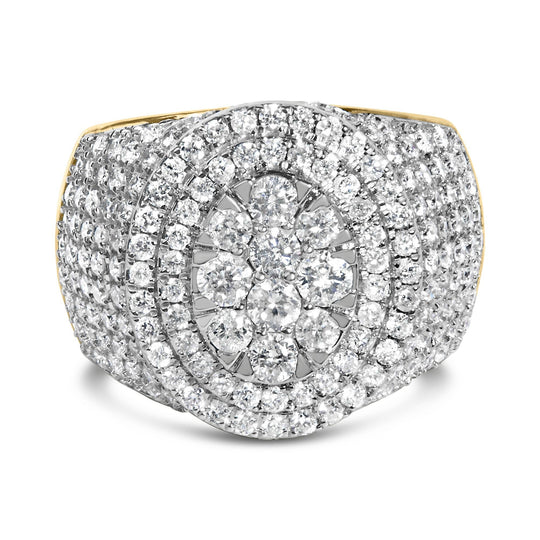
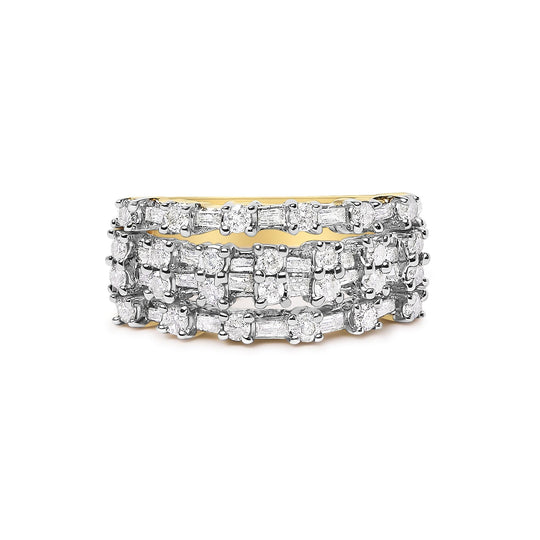
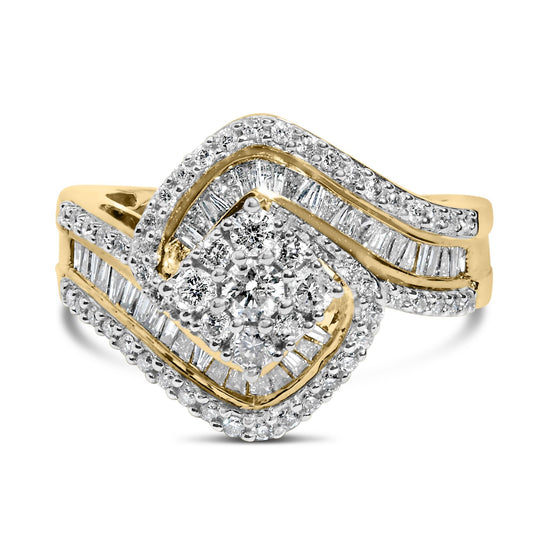
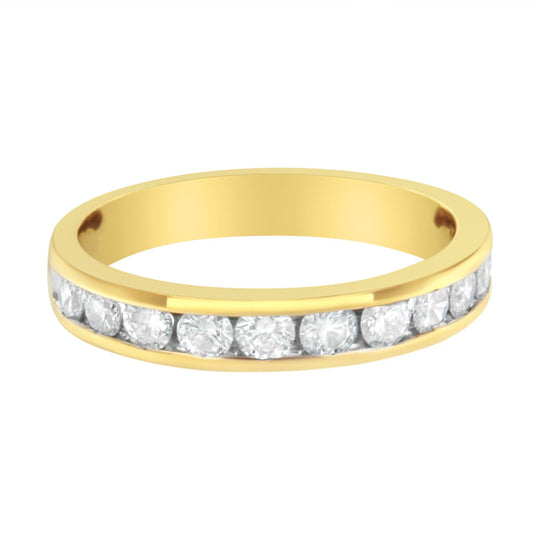
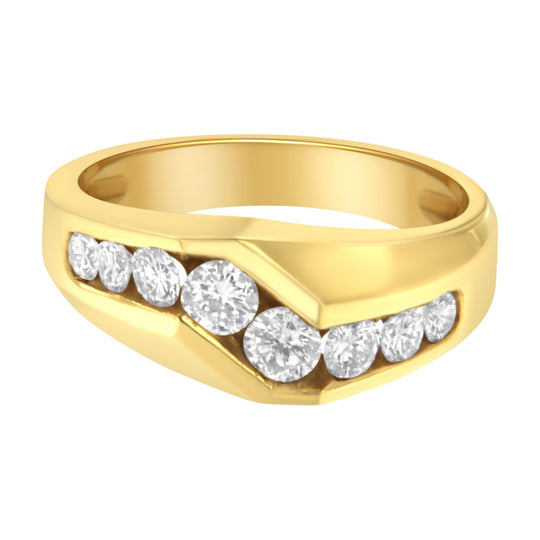
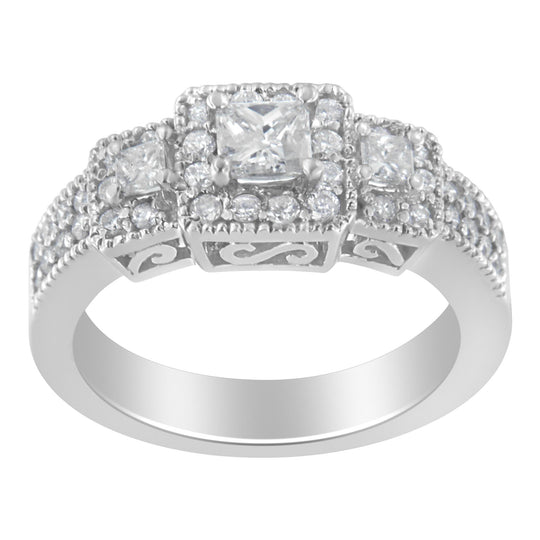
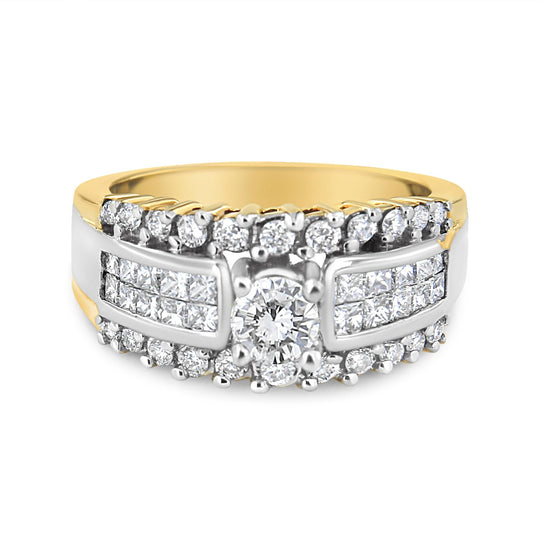
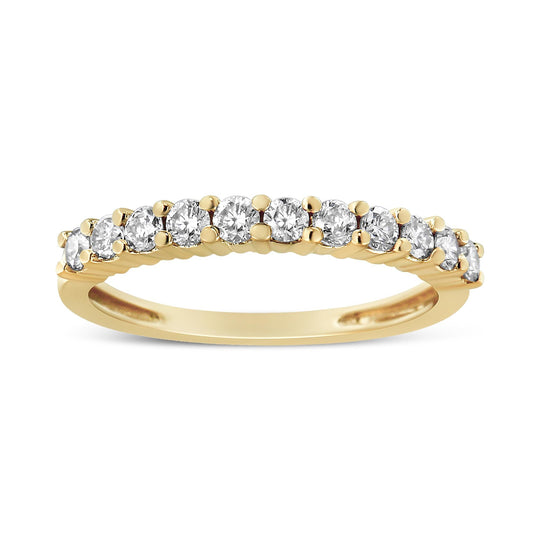
Round diamonds appear in virtually every ring style: solitaires, halos, three-stone, pave, channel-set, eternity bands, cluster rings, and bezel settings. Solitaire and halo configurations are the most purchased engagement configurations.

How does a round diamond compare to an oval diamond?

Round diamonds deliver the highest brilliance of any cut. Oval diamonds appear larger per carat due to their elongated outline and also create a slimming finger effect that round cannot. Round commands a price premium over oval at equivalent quality. For most buyers choosing between the two, round is the choice when brilliance is the priority, and oval is the choice when apparent size or finger elongation matters more. Browse oval diamonds for the full oval diamond range to compare.

What solitaire settings work best with round diamonds?

A four-prong solitaire setting maximizes stone visibility while securing the round at four points. A six-prong solitaire adds a security prong and is particularly traditional for larger stones. Knife-edge and cathedral shanks lift the stone higher for a dramatic presentation. Bezel settings enclose the entire stone for maximum protection. Browse solitaire rings for the full solitaire ring range covering round and all other shapes.

×
Your Bag
Subtotal (tax excl.) $0
 
Example
Example
Example
(0 )
Example
View detail
Example
Example
Option1
Option2
Option3
Option1
Option2
Option3
Sold out
Quantity
Add To Cart
Buy Now
Compare
Add Wishlist
Share:
0
0