
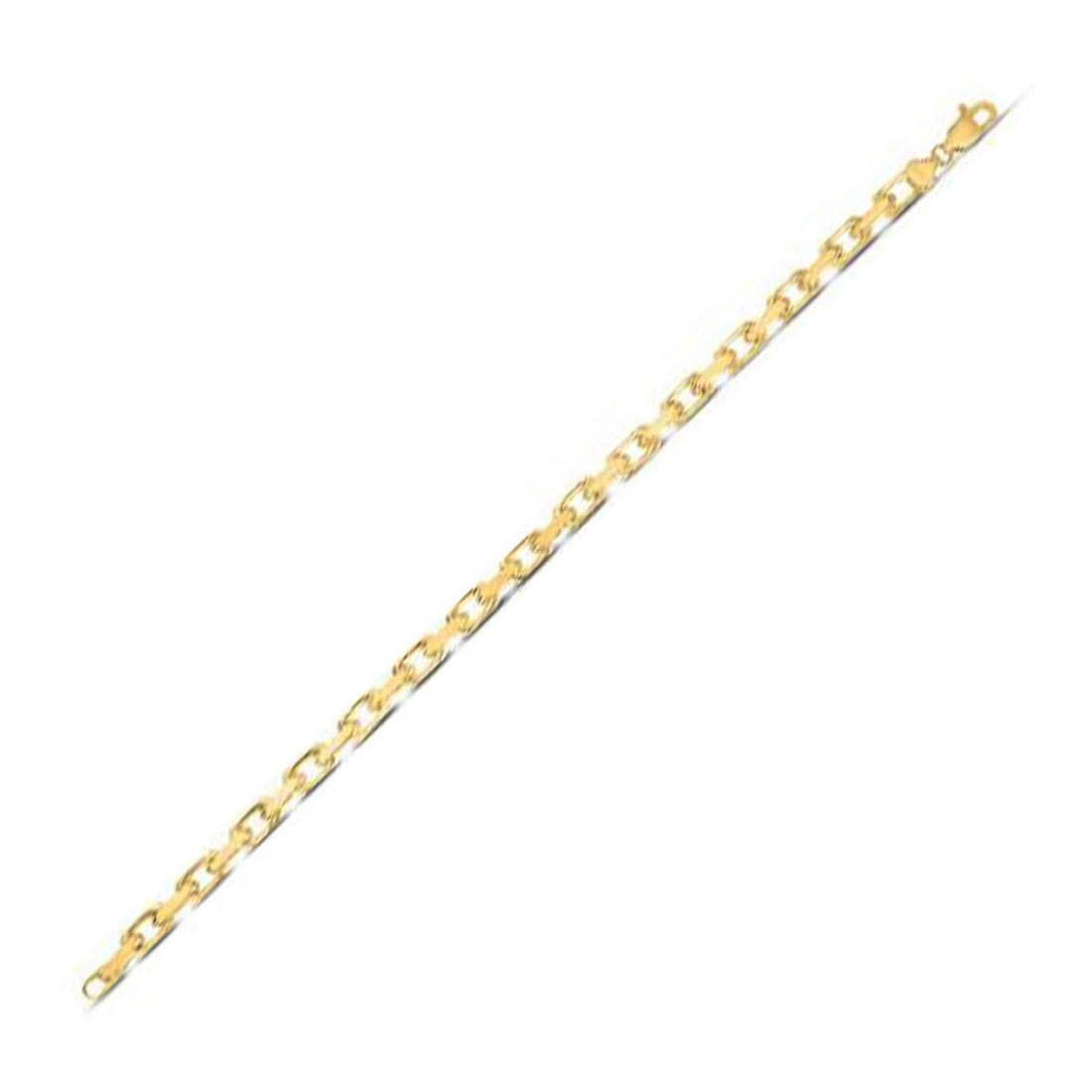
A men's jewelry style guide comes down to a few habits: keep your metals in one family, balance pieces across the body, layer chains in different lengths, and match the boldness of the look to the setting. A small, coordinated set beats a pile of mismatched pieces.
Owning good pieces is one thing; wearing them well together is another. The difference between a sharp look and a cluttered one is rarely the pieces themselves, it is how they are combined. This guide covers the core principles, matching your metals, layering chains, balancing pieces across the body, and matching the whole to the occasion.
The core principles
Match
Keep metals in one family
Balance
Spread pieces across the body
Vary
Layer chains in different lengths
Less
Stop one piece short
Four habits carry almost every look: keep your metals in one color family, spread the pieces across your body rather than piling them in one place, vary the lengths when you layer, and stop one piece short of what feels like enough. You can browse the men's jewelry selection to build a set around those ideas.
Matching your metals
The fastest way to look pulled together is to keep every metal in one color family. A yellow gold chain, a yellow gold ring and a watch with a warm case read as a set; the same pieces split between gold and silver read as an accident. The simplest anchor is your watch, so match new pieces to it.
Mixing metals can work, but only when it looks intended. A two-tone piece, one that carries both gold and white metal, bridges the two and gives the mix a reason. Without that bridge, one color family is the safer choice.
Layering chains
Layered chains look best when they are clearly separate rather than tangled. Space the lengths by a couple of inches so each sits on its own line, and vary the widths a little so they read as distinct. Two or three is plenty, with any pendant hung on the longest chain.
Layer lengths so each chain sits on its own, with a pendant on the longest.
Good to Know
When layering, space the lengths by a couple of inches so each chain sits clear of the next, and let the boldest piece lead. Three chains is usually the ceiling before a layered look turns into a heavy one.
Balancing pieces across the body
A balanced look spreads the pieces out: something at the neck, something at the wrist, something on the hand. A chain, a bracelet or watch, and a ring cover all three points and keep the eye moving rather than fixing on one loaded spot.
The trap is stacking everything in one place, such as four rings on one hand or three bracelets on one wrist. A piece or two at each point reads as considered, where a pile at a single point reads as too much.
Matching jewelry to the outfit
The last step is matching the boldness of the jewelry to the occasion. The table below is a quick guide from casual to formal.
| Setting | What works | Keep in mind |
|---|---|---|
| Casual, everyday | A chain, a bracelet, a ring | Freer to be bold, keep it relaxed |
| Smart casual | A chain, a watch, a signet | Coordinate the metals |
| Office | A watch, a band, a discreet chain | Polished and restrained |
| Formal, black-tie | Cufflinks, studs, a slim watch | White metal, kept minimal |
The same chain can read casual with a t-shirt and sharp under a jacket, so let the rest of the outfit set the tone. The guide to professional jewelry for men covers the restrained end in more detail.
Gold has fascinated humanity for millennia, symbolising wealth, power, and beauty.
World Gold Council
Further reading: FTC Jewelry Guides. Metal is the backbone of any coordinated look: the World Gold Council is the market development body for the gold industry, and the FTC Jewelry Guides set how gold is described in the US.
In Short
1The core of men's jewelry styling is matching metals, balancing pieces across the body, and stopping one piece short.
2Layer chains in different lengths so each sits on its own, and keep two or three pieces rather than many.
3Match the boldness of your jewelry to the setting, freer when casual and minimal when formal.
Want to pull it together?
Our fine jewelry guide covers metals, layering and balance in plain language, so your pieces work as a set. We will email it to you.
Email Me the Guide →


Every order ships free with a 30-day return policy.
Styling men's jewelry comes down to a few habits: keep your metals together, spread the pieces out, layer with intent, and match the whole to the moment. Get those right and a small set will carry almost any look. Every order ships free with a 30-day return policy.
Frequently Asked Questions
01
How do you match men's jewelry?
Matching men's jewelry starts with the metal: keeping rings, chains and a watch in one color family makes the look intentional. Balancing the pieces across the neck, wrist and hands, rather than loading one spot, finishes it.
02
Can men mix gold and silver jewelry?
Mixing gold and silver can work when it is clearly deliberate, often bridged by a two-tone piece that carries both. For a simpler, safer look, most men keep every piece in one metal color.
03
How do you layer chains?
Layering chains works best when the lengths differ by a couple of inches, so each sits on its own rather than tangling. Two or three chains is plenty, with any pendant on the longest; the men's chains guide covers lengths.
04
How much jewelry should a man wear at once?
Two or three pieces at once suits most men, such as a chain, a bracelet and a ring, spread across the body. Stopping one piece short of what feels like enough keeps the look balanced rather than busy.
05
How do you match jewelry to an outfit?
Matching jewelry to an outfit means reading the setting: casual dress allows freer, bolder pieces, while formal wear calls for minimal white metal. The men's fine jewelry guide covers dressing pieces up or down.
06
What is the most common men's styling mistake?
The most common mistake is wearing too much at once, or mixing metals by accident. Keeping to one metal family and a few well-placed pieces avoids both; the men's ring guide covers balancing rings across the hands.