
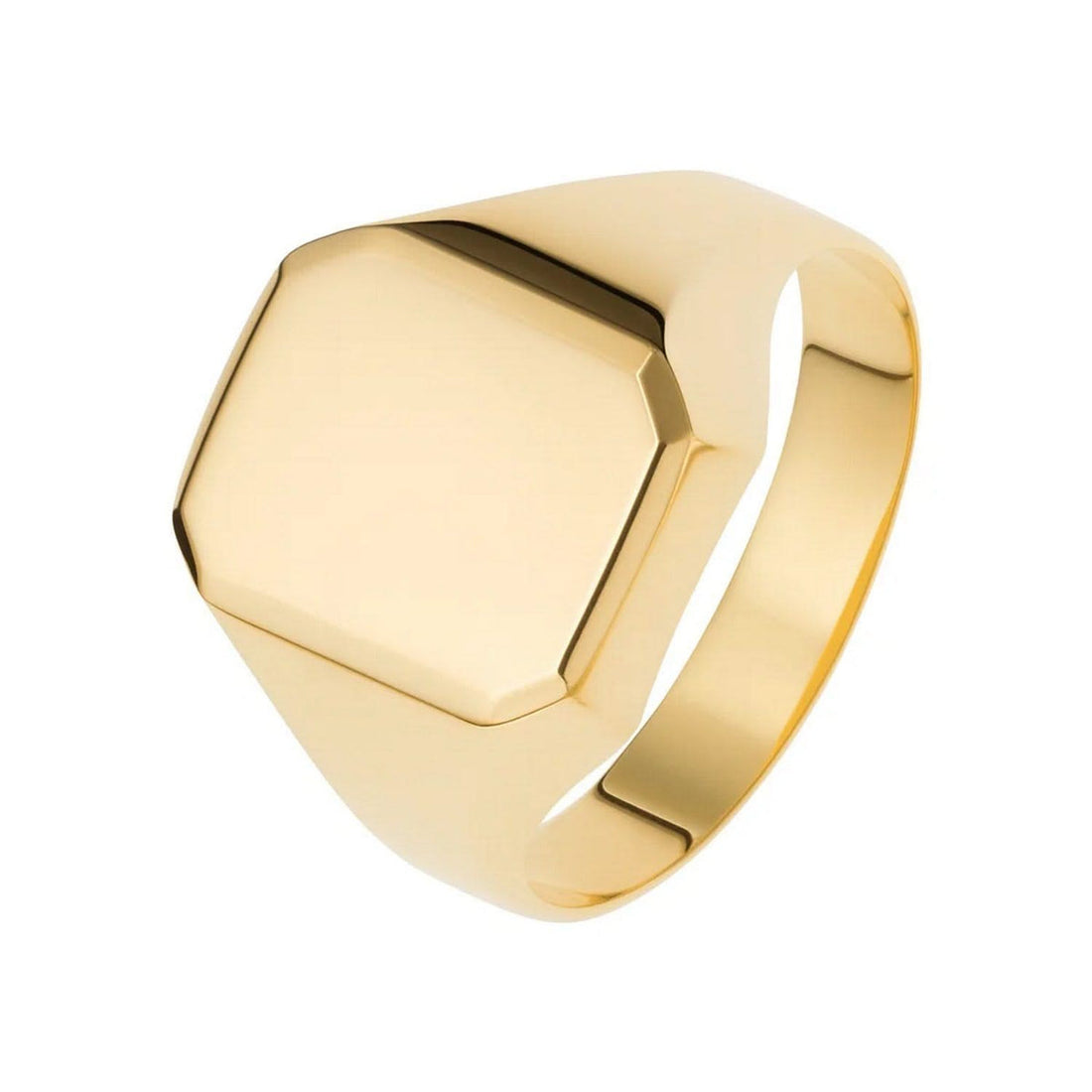
Professional jewelry for men is jewelry that reads as polished rather than distracting at work. The baseline is a watch and a wedding band, with a signet, cufflinks or a discreet chain as restrained additions. Clean finishes and thin widths suit the office; oversized chains and bold stones are better saved for outside it.
Jump to a section
The baselineWhat works at workReading the dress codeMetals and finishesWhat to avoidJewelry has a place at work, but the rules are quieter than they are anywhere else. The aim is to look considered, not decorated, so the pieces support how you present yourself rather than competing with it. This guide covers the professional baseline, the pieces that work at the office, how to read a dress code, the metals and finishes that read polished, and what to leave for outside work.
The professional baseline
Watch
The cornerstone of work style
Band
A wedding band, always appropriate
Polished
Favor clean, simple finishes
Subtle
Less reads as more at work
Almost every professional wardrobe rests on two pieces: a watch and, for those who wear one, a wedding band. Both are expected, both read as polished, and neither draws a second look in any workplace. If you do nothing else, a good watch and a simple band cover you. You can browse the men's jewelry selection for understated pieces to build on that.
What works at the office
Beyond the baseline, a few pieces sit comfortably at work as long as they stay restrained. The table below shows how each tends to read.
| Piece | Office read | Note |
|---|---|---|
| Watch | The expected, polished anchor | Match the strap to belt and shoes |
| Wedding band | Always appropriate | The one ring no office questions |
| Signet | Quiet, traditional, professional | Keep it polished, not oversized |
| Cufflinks | Sharp with a formal shirt | For french-cuff days |
| Thin chain | Discreet under a collar | Best kept out of sight at work |
Reading the dress code
How much fits depends on the workplace. A corporate or client-facing office in a field like law or finance calls for the least: a watch and a band, perhaps a signet. A creative or relaxed workplace leaves room for a visible chain or a bracelet, still kept understated.
When unsure, dress to the more restrained end and match the most senior people in the room.
Metals and finishes
At work, finish carries as much weight as the piece itself. Polished yellow gold, white gold, sterling silver and steel all read as deliberate and clean. Keep widths thin and shapes simple, and the men's gold jewelry guide covers choosing a color that suits your skin.
Good to Know
A polished metal reads professional, where heavy texture or large stones pull attention. When in doubt, choose the cleaner finish and the smaller piece for daytime.
What to leave for outside work
A few things are better saved for evenings and weekends: an oversized Cuban chain worn over a shirt, a bold statement or cluster ring, and a stack of bracelets all at once. None are wrong, but they pull focus in a setting where attention should sit on your work.
One or two restrained pieces is the ceiling in most offices. Save the bolder end of your set for the places it belongs, and the men's fine jewelry guide covers wearing those pieces in the right setting.
Gold has fascinated humanity for millennia, symbolising wealth, power, and beauty.
World Gold Council
Further reading: FTC Jewelry Guides. A polished gold piece carries quiet authority at work: the World Gold Council is the market development body for the gold industry, and the FTC Jewelry Guides set how gold is described in the US.
In Short
1The professional baseline is a watch and a wedding band, with everything else kept understated.
2A polished signet or cufflinks suit most offices, while a chain is best worn discreetly under a collar.
3Favor polished metals and thin widths, and leave oversized chains and bold stones for outside work.
Dressing for the office?
Our fine jewelry guide covers metals, finishes and fit in plain language, so your pieces read polished at work. We will email it to you.
Email Me the Guide →


Every order ships free with a 30-day return policy.
Jewelry at work succeeds by being noticed only a little. A watch, a band and one restrained piece in a polished metal say enough, and they let your work, rather than your accessories, lead. Every order ships free with a 30-day return policy.
Frequently Asked Questions
01
What jewelry is appropriate for men at work?
A watch and a wedding band are appropriate in almost any workplace, with a polished signet or cufflinks suiting most offices. The rule is restraint: one or two understated pieces in a clean metal.
02
Can a man wear a chain to the office?
A chain is best worn discreetly at the office, kept thin and tucked under a collar rather than over a shirt. More relaxed and creative workplaces leave room for a visible chain, while corporate ones do not.
03
Are signet rings professional?
Signet rings read as quiet and traditional, which makes them one of the more professional pieces a man can wear, as long as the ring is polished and not oversized. The men's signet rings guide covers the styles.
04
Which metals look most professional?
Polished yellow gold, white gold, sterling silver and steel all read as professional, since a clean finish looks deliberate; the men's gold jewelry guide covers the colors. Heavy texture and large stones pull attention and suit evenings better.
05
How much jewelry should a man wear to work?
One or two restrained pieces are the ceiling in most offices, such as a watch with a band, or a band with a discreet chain. Reading how the most senior people dress is the safest guide.
06
What men's jewelry should be left out of the office?
Oversized chains, bold statement or cluster rings, and stacks of bracelets are best left out of the office, where they pull focus. The men's fine jewelry guide covers wearing bolder pieces in the right setting.