Skip to content
Every order ships free with a 30-day return policy  ·  Browse new arrivals

Round

Round Cut Jewelry Across All Settings and Metals

The round cut is the most widely used shape in fine jewelry, valued for the way its 58 facets maximise brilliance and light return across a wider range of lighting conditions than any other cut. Oath's round cut collection covers rings, earrings, necklaces, pendants, bracelets, and chains in gold, white gold, rose gold, sterling silver, and platinum, with natural and lab-grown diamond options and genuine gemstone settings throughout. Every order ships free, with returns accepted within 30 days.

  • Genuine Gemstones
  • Free Shipping
  • 30-Day Returns

Which Round Cut Jewelry Fits Your Style?

The Round Brilliant Cut and Why It Dominates Fine Jewelry

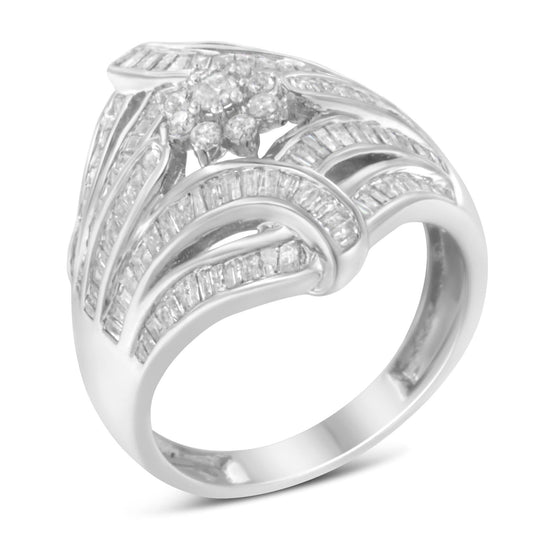
The round brilliant cut is the most widely purchased diamond shape in fine jewelry, engineered with 58 facets to maximize light return from almost any angle. Its symmetrical geometry performs consistently across lighting conditions, with no angular edges that require alignment with the setting. This versatility makes it the default for buyers who want reliable brilliance without the variables that come with elongated shapes. Browse round rings to see the full range of settings and carat options available.

Cut Grade Is Everything for Round Diamonds

For round brilliant diamonds, cut grade is more important than colour or clarity because the shape's sparkle depends entirely on facet angles and proportions. A stone graded Excellent or Ideal returns light evenly across the table with no dark centre or windowing effect. Colour and clarity matter less in round cuts because the facet pattern distributes inclusions and warmth across 58 surfaces rather than concentrating them as step-cuts do. Compare grades in round diamonds.

Round Cut Stones in Chains and Pendants

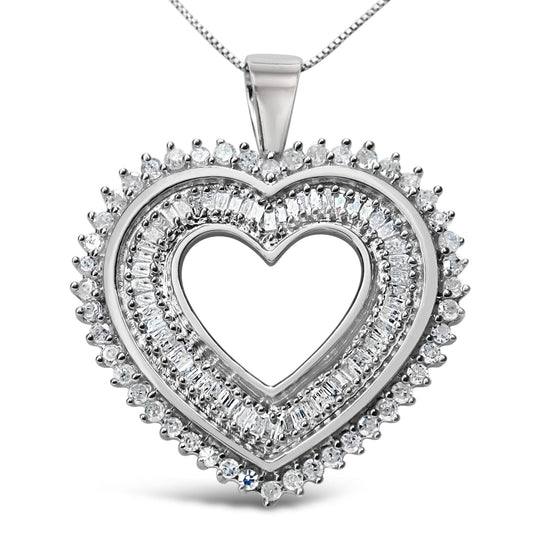
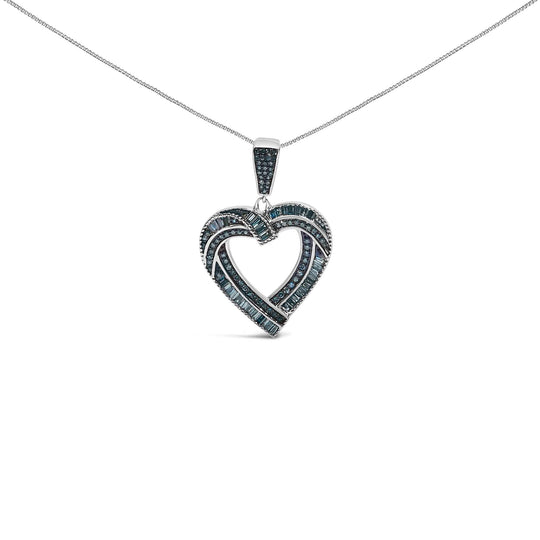
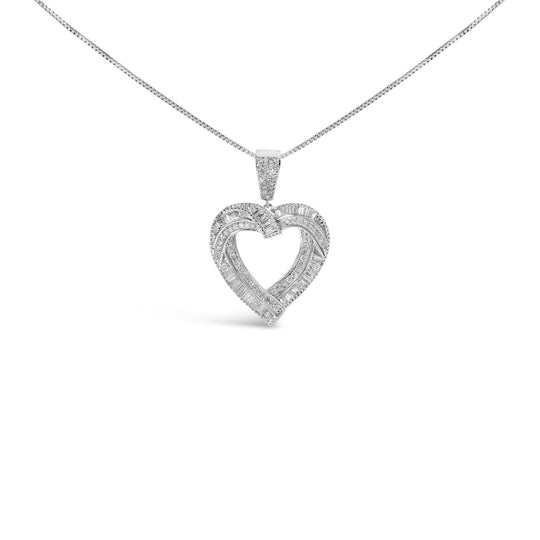
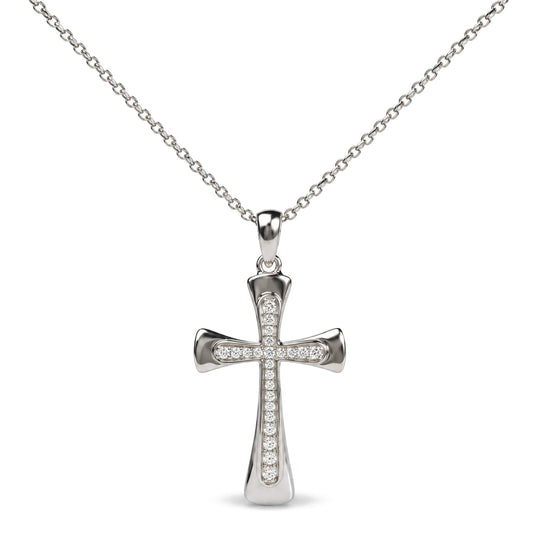
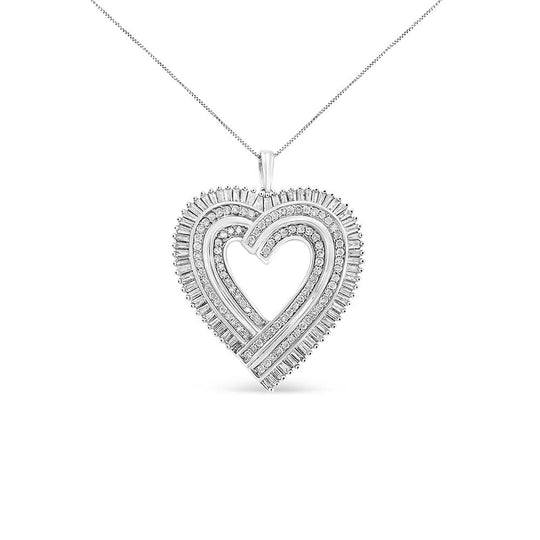
Bezel-set round diamonds and cabochon gems make clean, snag-free pendants suited to active daily wear. The circular outline sits flat against the chest at any chain length without catching on fabric or tilting, a practical advantage over pointed or angular shapes. Round stones also dominate tennis chain accents where consistent light performance across many matched settings is essential. Explore round chains for chain styles designed around round stone settings.

Why Round Cut Rings Lead Engagement Jewelry

The round brilliant accounts for the majority of engagement ring purchases globally, driven by broad setting availability, proven optical performance, and enduring popularity. It holds visual weight at smaller carat sizes compared with elongated shapes, so it shows strong visible presence per carat. It remains the most requested diamond shape across the market. Browse engagement rings for the full range of round brilliant engagement designs. Every order ships free with a 30-day return policy.

Frequently Asked Questions

What is a round cut stone?

A round cut stone is a gemstone or diamond faceted in a circular shape to maximize light reflection. The standard version for diamonds is the round brilliant, which uses 58 facets arranged in upper and lower halves to direct light back through the table. This cut was refined in the early 20th century using mathematical modeling for optimal light performance and remains the most widely produced diamond shape today.

What jewelry types feature round cut stones?

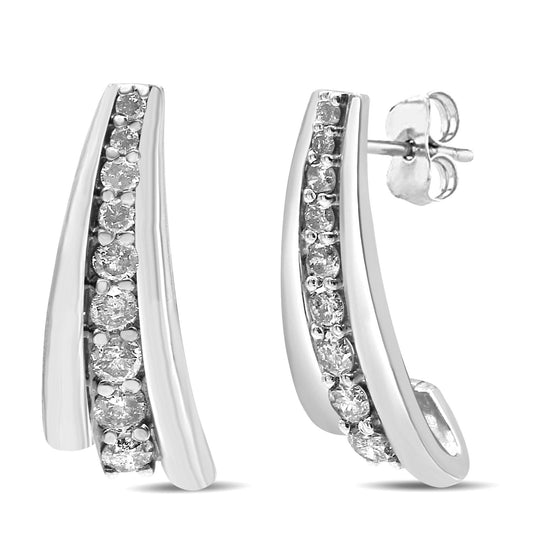
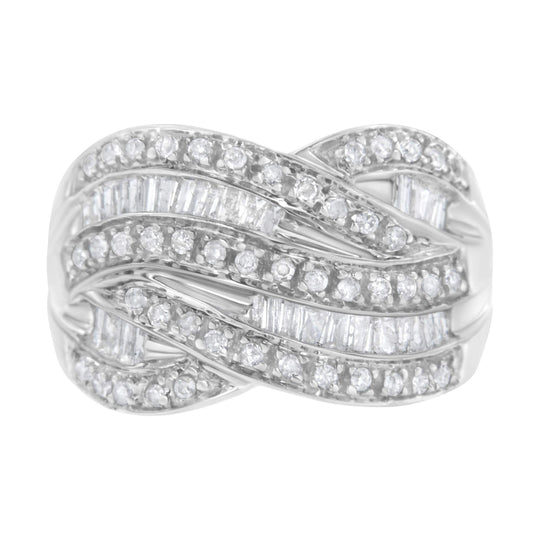
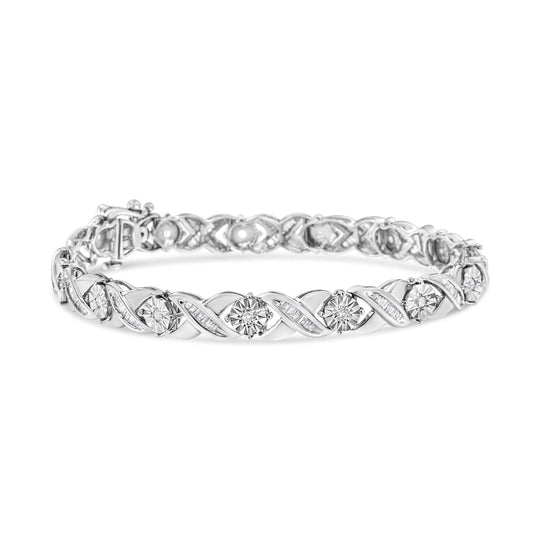
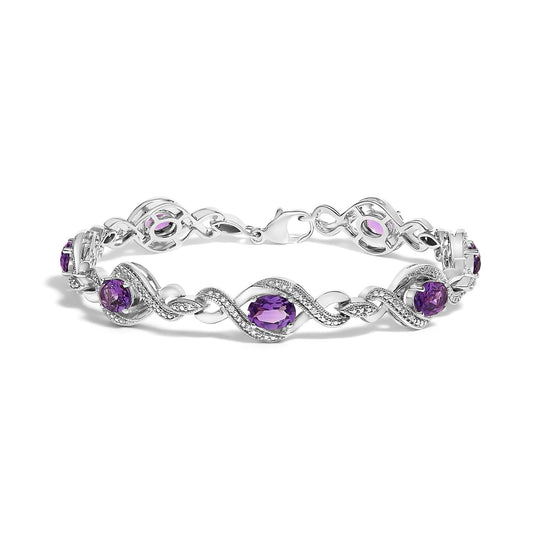
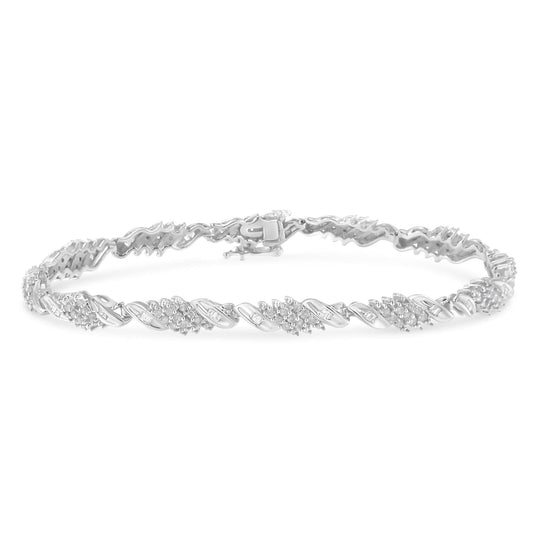
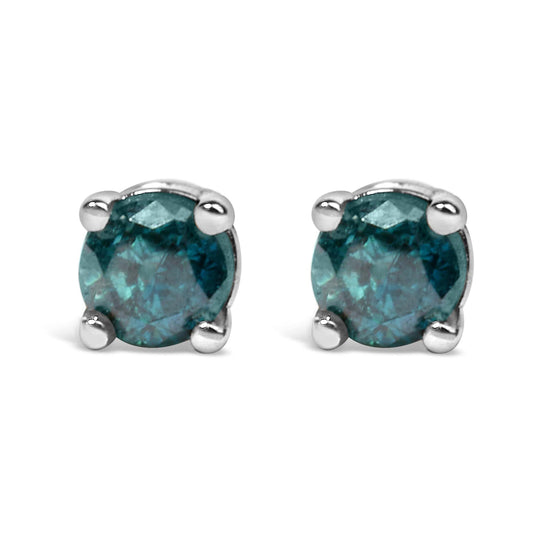
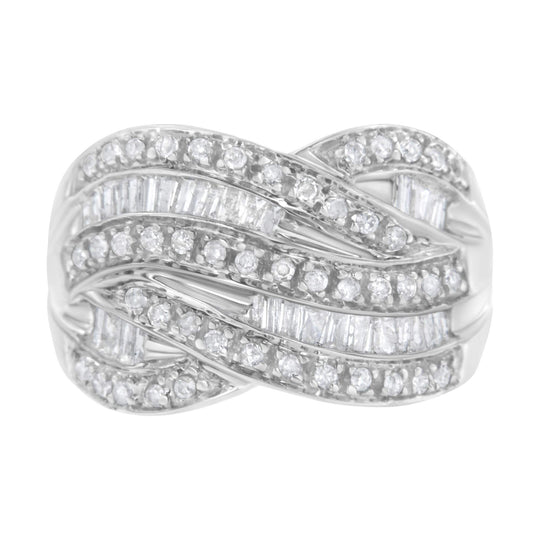
Round cut stones appear across all fine jewelry categories. They are most common in ring settings as solitaire centre stones and pavé accent stones, and in stud earrings and tennis bracelets where uniform sizing across multiple stones matters. They also appear in pendant drops, bezel-set chain pieces, and anniversary bands. The shape's optical consistency makes it well-suited for any piece where many matched stones must perform identically.
Are round cut diamonds more expensive than other shapes?

Round cut diamonds carry a measurable price premium over fancy shapes at equivalent carat weight and grade. The premium exists because cutting a round brilliant from rough diamond involves more material loss than cutting elongated shapes. Round stones also attract consistently higher resale demand, which sustains their market value. Buyers prioritizing face-up size often find fancy shapes such as oval or pear offer more visible stone per carat at the same spend.

What is the difference between a round cut and an oval cut stone?

The key difference is silhouette and elongation. An oval cut shows a longer face-up outline that visually lengthens the finger in ring settings, while a round cut shows a perfectly symmetrical circle. Both use the brilliant facet pattern, so sparkle performance is comparable at equivalent cut quality. The oval is prone to a bow-tie shadow in poorly cut examples, which is absent in well-cut round stones.

Which metals look best with round cut jewelry?

Round cut stones suit all metals evenly because the shape has no angular edges that create alignment or contrast issues with setting geometry. White gold and platinum are the most common pairing for diamond rounds because they do not add warmth to near-colourless stones. Yellow and rose gold work well with warmer-toned gemstones and lower-colour diamonds where the metal's warmth enhances rather than contrasts with the stone's natural tint.

What settings work best for round cut diamonds?

Four-prong and six-prong solitaire settings are the most popular for round brilliant diamonds because they expose the stone's full surface while securing it at the girdle. Bezel settings offer stronger stone protection and a sleeker profile at a slight cost to side sparkle. Pavé and halo frames surround the centre stone with accent diamonds, amplifying perceived size and adding surface brightness without changing the centre stone.

Is a round cut engagement ring a good choice?

A round cut engagement ring is the most established choice for practical reasons. The shape has the highest secondary market demand, the widest availability of settings, and the most standardized grading documentation. Its symmetry means moderate cut quality still delivers acceptable sparkle, making it forgiving for buyers new to evaluating diamond grades. The trade-off is that round stones show less face-up size per carat than elongated fancy shapes.

What type of ring works well as a first fine jewelry purchase?

For a first fine jewelry ring, a simple solitaire strikes the best balance of versatility and longevity. The round shape performs well in both precious metals and more accessible options without losing its visual clarity. Sterling silver rings provide a clean everyday setting for round stones and a practical starting point before moving to gold or platinum.

What is the most popular stone type used in round cut jewelry?

Diamond is the most common stone used in round cut jewelry and the round brilliant is the most purchased diamond shape globally. Its dominance reflects both optical performance and strong secondary market demand. Other round cut options include moissanite, sapphire, and ruby, each faceted to the same circular outline with brilliant faceting. Explore diamond jewelry for the full range of round brilliant options across rings, pendants, bracelets, and earrings.

What setting style complements a round centre stone best?

A halo setting is one of the most effective frames for a round centre stone because the ring of accent diamonds mirrors the circular outline and extends the apparent stone size outward. The matching circular geometry creates a cohesive shape that reads clearly from above. Browse halo rings for current designs that pair round brilliant centre stones with pavé or prong-set accent halos in white gold and other metals.

×
Your Bag
Subtotal (tax excl.) $0
 
Example
Example
Example
(0 )
Example
View detail
Example
Example
Option1
Option2
Option3
Option1
Option2
Option3
Sold out
Quantity
Add To Cart
Buy Now
Compare
Add Wishlist
Share:
0
0