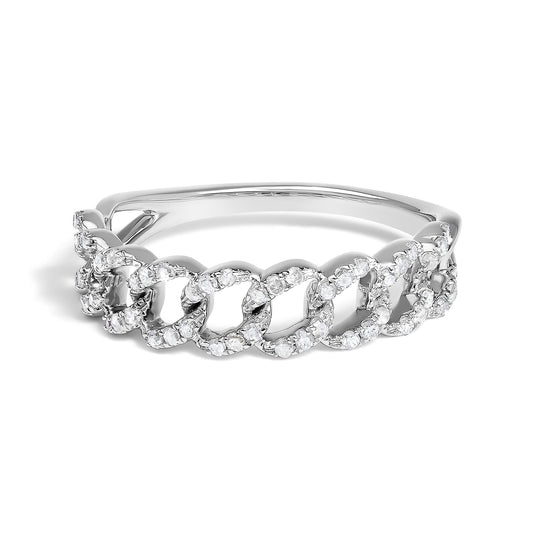
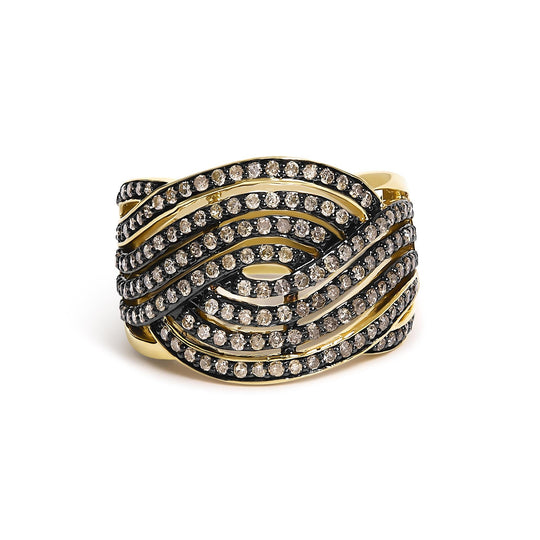
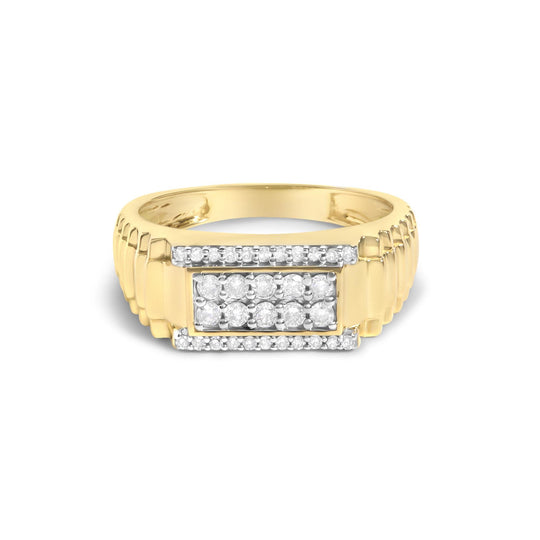
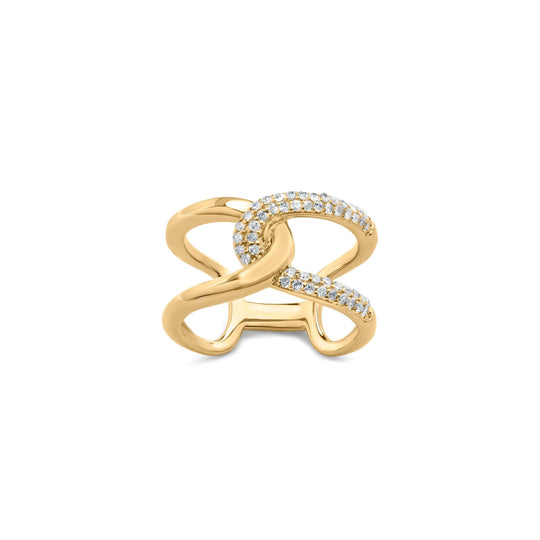
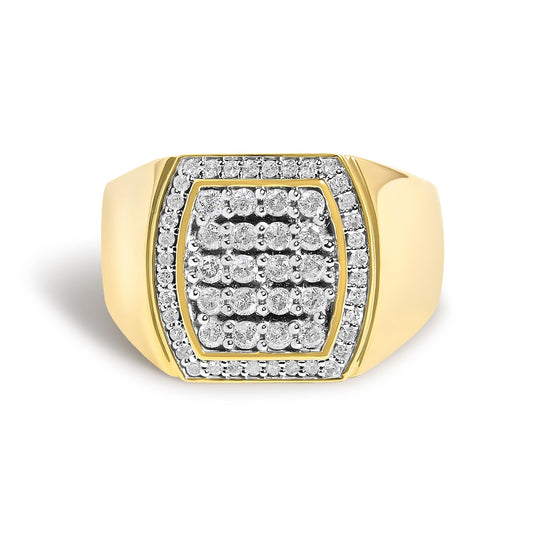
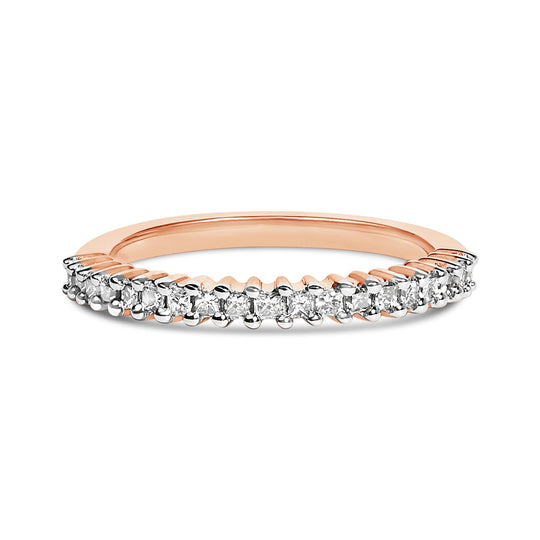
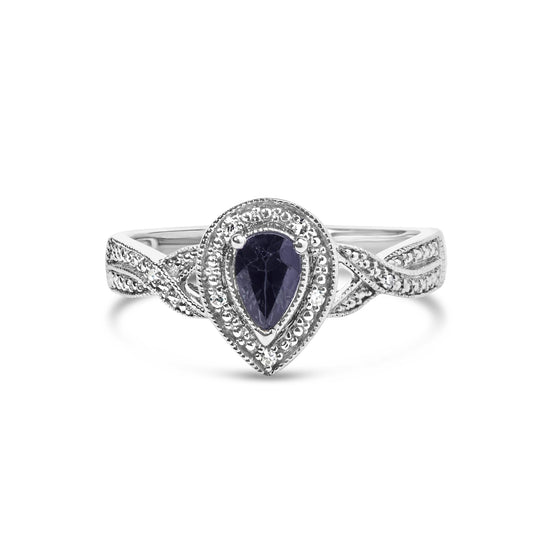
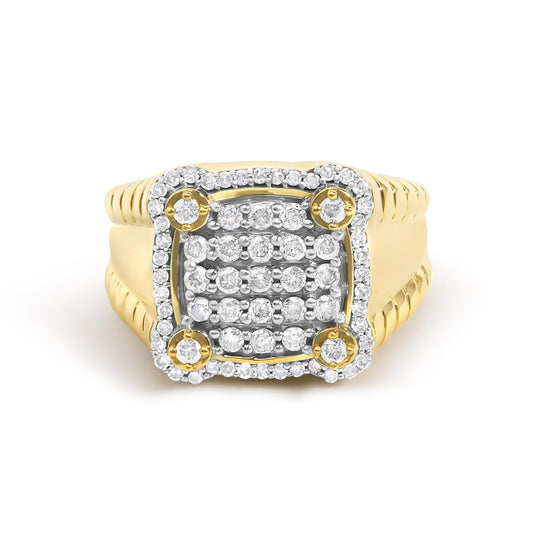
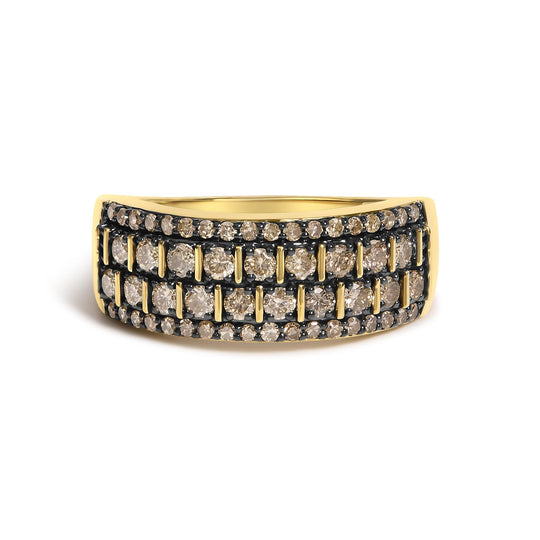
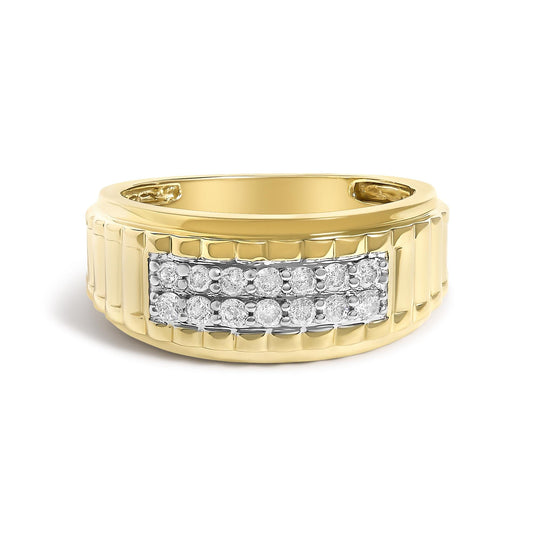
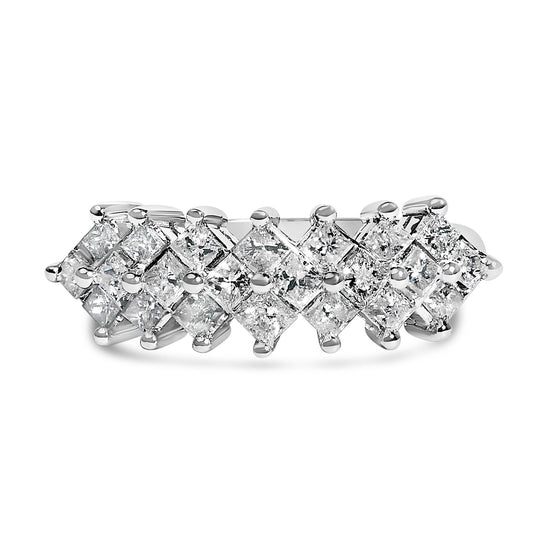
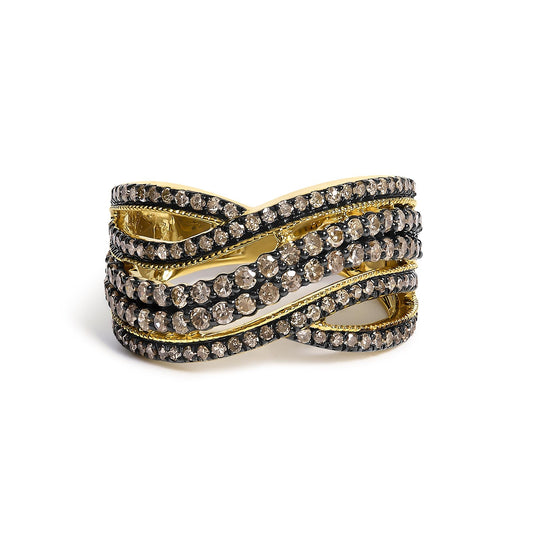
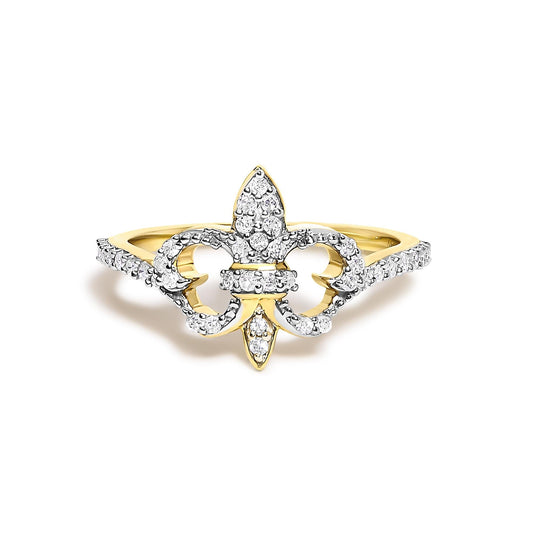
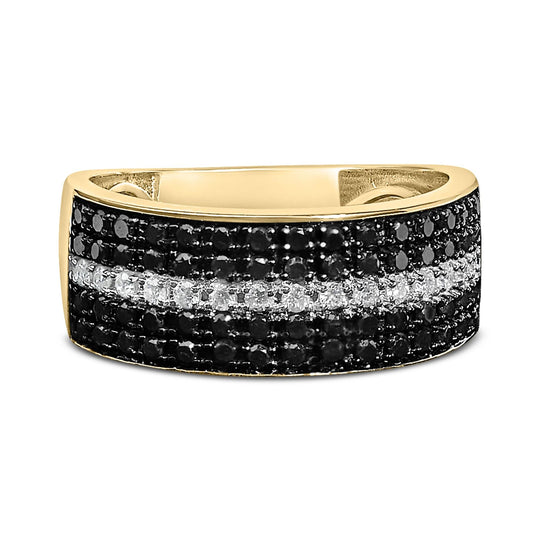
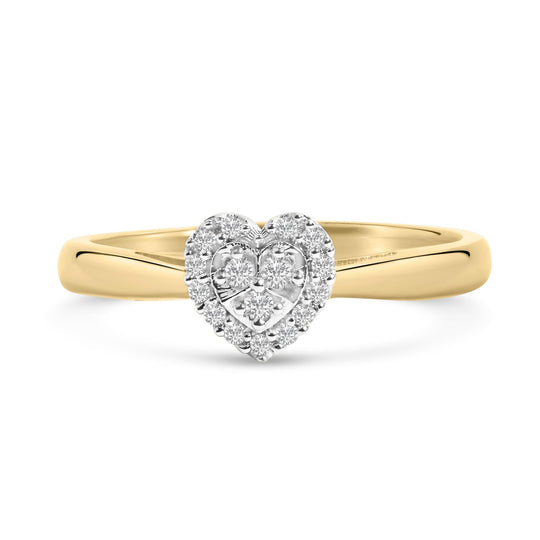
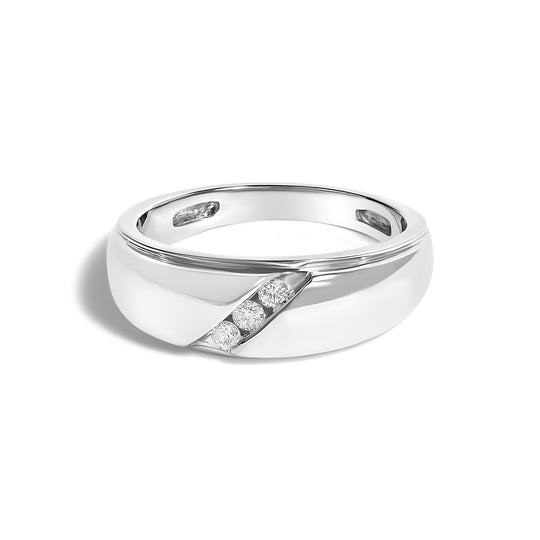
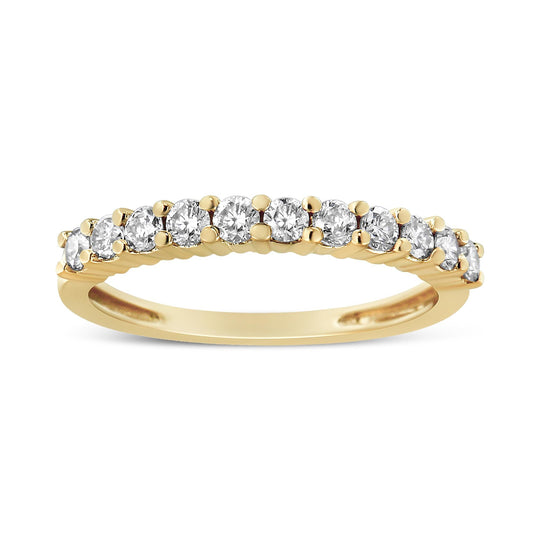
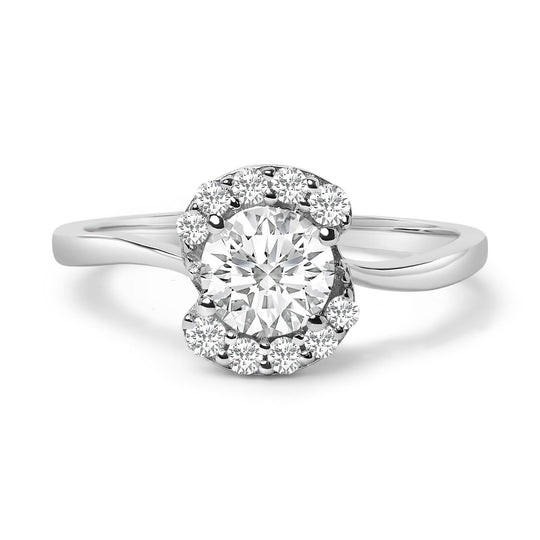
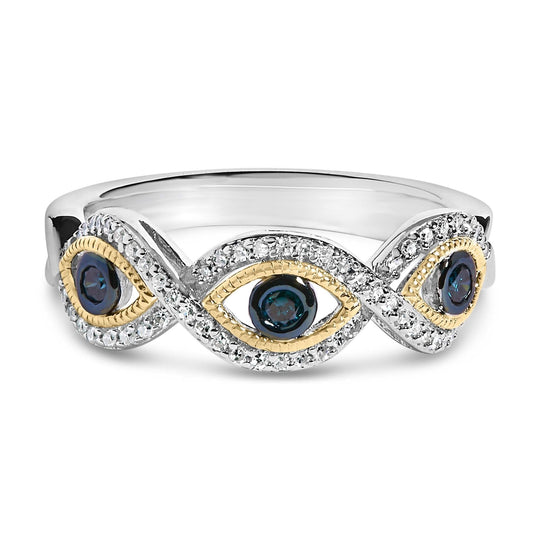
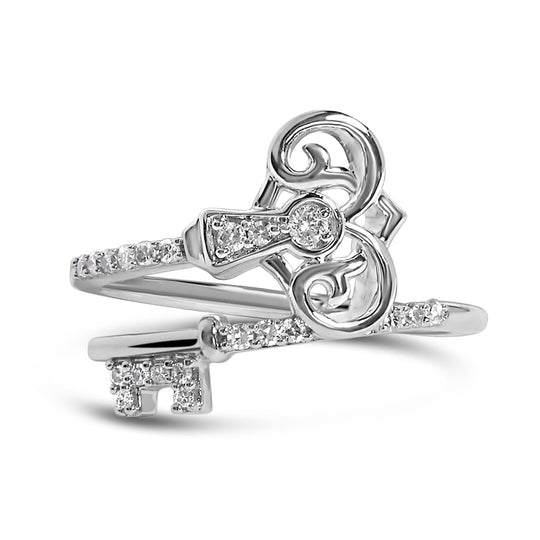
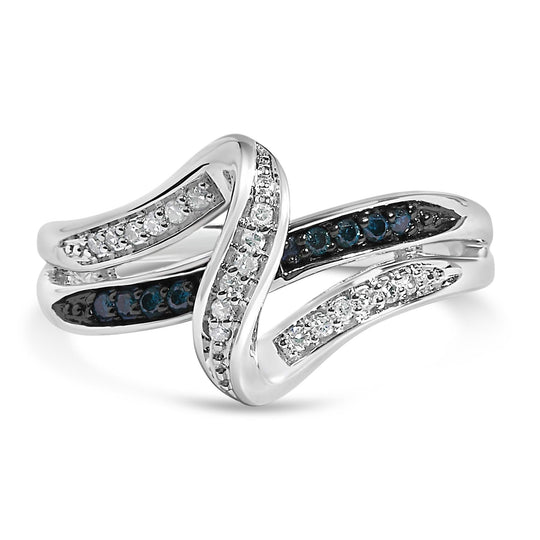
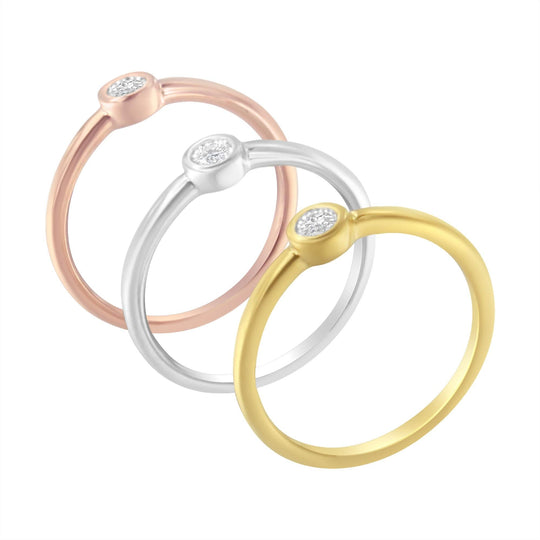
Sterling Silver 1/2 Cttw Black and Blue Diamond Crossover Bypass Ring
Discover elegance redefined with this exquisite Sterling Silver diamond fashion ring, designed to captivate with its innovative crossover bypass silhouette....
Sterling Silver and 925: What the Labels Mean on Silver Rings
The 925 hallmark on a silver ring confirms the piece is solid sterling silver: 92.5% pure silver alloyed with copper throughout. Plain silver labeling without the hallmark may indicate silver-plated construction, which wears through at the surface over time. Sterling silver rings maintain their metal composition permanently. On a ring, the 925 stamp typically appears on the inner shank surface. Browse silver jewelry for rings specifically marketed under the 925 numerical hallmark.
Sterling Silver Ring Styles Available
Silver rings are available in plain polished bands, stone-set styles, signet rings, and symbolic designs. Plain silver bands in 1 to 3mm widths are the most commonly purchased silver ring style, suited for stackable wear and everyday minimalist looks. Oxidized sterling silver gives rings a darker, antiqued finish. Gemstone-set silver rings pair the cool metal tone with colored stones including onyx, turquoise, garnet, and amethyst. Browse rings for the full sterling silver ring range.
How Silver Rings Compare to Gold
Silver rings offer the cool white metal tone at a substantially lower investment than white gold or platinum. Sterling silver is softer than gold alloys and tarnishes with exposure to air and moisture, requiring periodic polishing. Gold alloys are harder, non-tarnishing, and hold stone settings more reliably over decades of daily wear. Silver rings are a practical choice for everyday wear, building a stack, or exploring a style before committing to gold. Browse ruby ring for the gold equivalent across all ring styles.
Caring for Silver Rings
Sterling silver rings tarnish over time when exposed to air, moisture, and sulfur compounds in cosmetics and cleaning products. Clean with warm soapy water and a soft cloth for routine maintenance, or use a silver polishing cloth to remove tarnish quickly. Remove before swimming or applying lotions. Store in an anti-tarnish pouch or closed jewelry box. Browse vintage rings for care guidance and the full silver range across all jewelry types. Every order ships free with a 30-day return policy.
Frequently Asked Questions
What is the difference between silver rings and sterling silver rings?
The terms silver ring and sterling silver ring typically describe the same thing in fine jewelry contexts. Sterling silver is the standard alloy composition: 92.5% pure silver combined with copper for durability. A ring labeled simply as silver may or may not meet this standard. The 925 hallmark stamped on the inside of the band confirms a ring is genuine sterling silver. Silver-plated rings have a base metal core with only a surface coating of silver, which wears through over time, exposing the base metal underneath. For how 925, tarnish, and care work in sterling silver, read the complete guide to sterling silver jewelry.
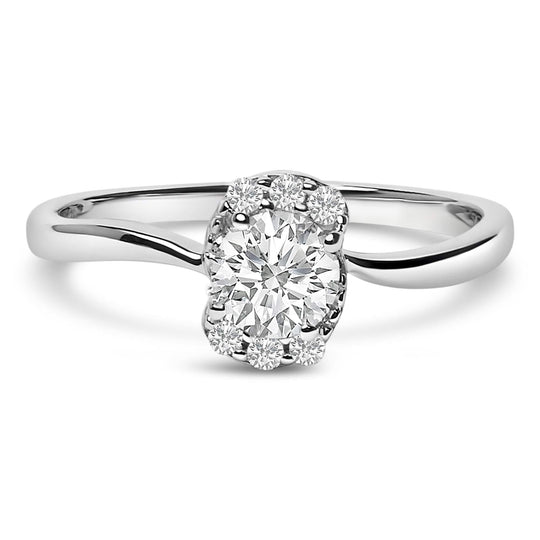
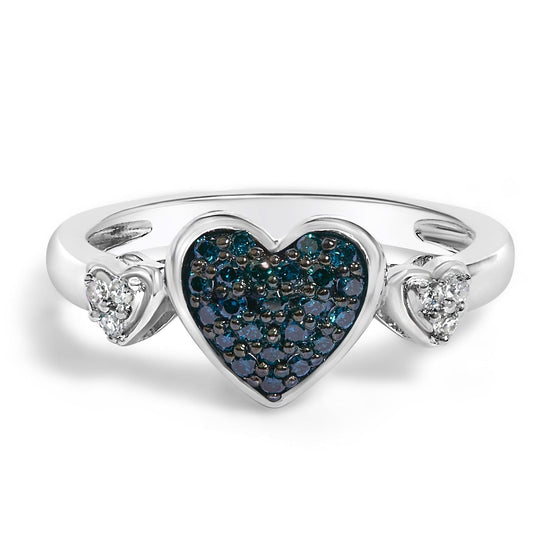
What ring styles are available in silver?
Silver rings are available in plain polished bands, stone-set styles, signet rings, and symbolic designs. Plain bands in 1 to 5mm widths are the most purchased silver ring style for everyday wear. Oxidized sterling silver rings have a darkened, antiqued finish suited to vintage-inspired looks. Gemstone-set silver rings pair the cool metal tone with colored stones including onyx, turquoise, garnet, amethyst, and cubic zirconia. Stacking rings in thin band widths are one of the most popular silver ring formats for layered looks.
Are silver rings durable for daily wear?
Sterling silver rings are suitable for daily wear with basic care. Silver is softer than gold alloys and will develop surface scratches and minor wear marks over time, particularly on thinner band styles. Thicker band profiles and bezel settings hold up better to active daily wear than very fine wire designs or prong-set stone rings. Removing silver rings before swimming, applying chemicals, or heavy manual work extends their surface condition significantly.
Does sterling silver tarnish?
Sterling silver tarnishes when exposed to air, moisture, and sulfur compounds found in some cosmetics, household products, and polluted environments. Tarnish appears as a dull, yellowish to brown discoloration on the surface. The process is natural and reversible. A soft polishing cloth removes light tarnish in minutes. More advanced tarnish responds to a mild silver cleaning solution. Storing rings in an anti-tarnish pouch between wearings significantly slows the process.
Are silver rings safe for sensitive skin?
Sterling silver is generally well tolerated by most people with sensitive skin. The alloy contains 7.5% copper, which is rarely a problem, but in uncommon cases a copper sensitivity can cause minor reactions. Sterling silver does not contain nickel, making it safer than lower-quality silver alloys that use nickel as the secondary metal. For buyers with confirmed metal sensitivities, confirming the full alloy composition with the jeweler before purchasing is the most reliable approach.
How do I find my ring size in silver?
Ring sizing for silver follows the same standard scale as any other metal. Measure using a strip of paper wrapped around the base of the finger at its widest point, typically in the evening when fingers are at their largest. Mark where the ends overlap, measure the length in millimeters, and match against a standard ring size chart. Resizing a silver ring is possible but should be done by a professional jeweler to avoid weakening the band, particularly on narrower styles.
Can silver rings hold gemstones?
Sterling silver holds genuine gemstones reliably in bezel and channel settings, and adequately in prong settings for most everyday wear situations. Bezel settings in silver are the most secure choice for active daily wear because the metal surrounds the stone completely. Prong-set stones in silver rings worn heavily every day may require periodic checking to confirm the prongs remain tight. Silver sets well with harder stones including sapphire, topaz, garnet, onyx, and amethyst, all of which are commonly available in silver ring designs.
Can silver rings be worn as toe rings?
Sterling silver is one of the most common metals for toe rings because it is affordable, available in the small diameters toe rings require, and its cool tone suits the casual wear context of bare feet. Silver toe rings are available in plain band, twisted, and beaded formats. Sizing for toe rings follows the same measurement approach as finger rings but at a smaller scale, typically falling in size 1 to 4 for most adults. For sterling silver toe ring styles, browse toe rings for the full range of band and design options.
Are silver rings a good option for promise rings?
Sterling silver is one of the most commonly chosen metals for promise rings because it provides a genuine fine metal appearance at an accessible price point suited to the intention of the gift. Promise rings in sterling silver are available in plain band, heart, and infinity motif styles. Many buyers who later purchase engagement or wedding rings began with a silver promise ring at an earlier stage of the relationship.
How do I clean a silver ring at home?
For routine cleaning, a soft silver polishing cloth removes tarnish and restores surface shine without liquid. For a deeper clean, soak the ring in warm water with a small amount of dish soap for a few minutes, then gently scrub with a soft-bristled toothbrush, paying attention to any setting details or engraving. Rinse thoroughly and dry with a lint-free cloth. Avoid toothpaste, which is mildly abrasive and can scratch silver over repeated use. For sterling silver rings in promise ring and symbolic formats, browse promise rings for related styles.
Use left/right arrows to navigate the slideshow or swipe left/right if using a mobile device
choosing a selection results in a full page refresh
press the space key then arrow keys to make a selection