
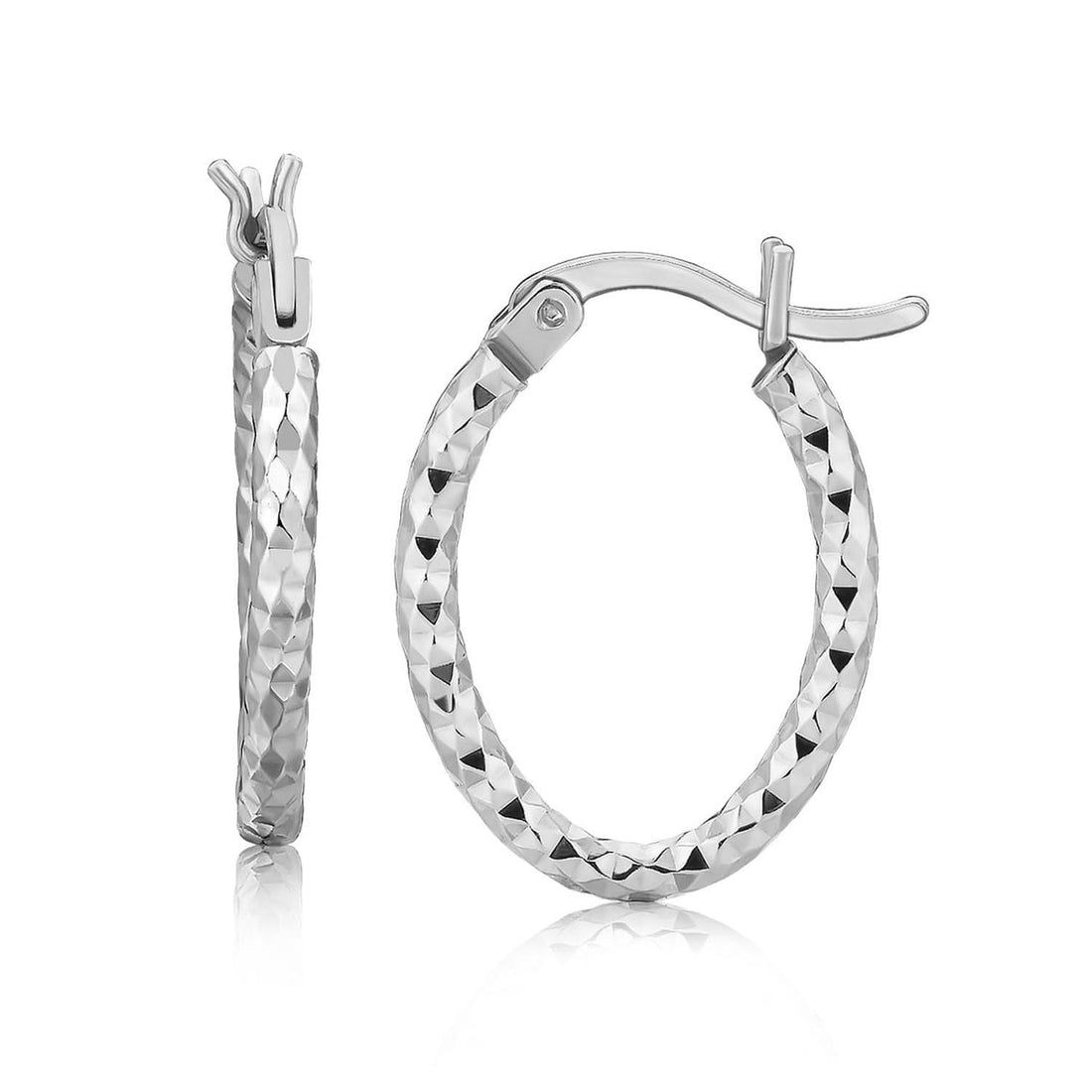
Sterling silver is 92.5 percent pure silver blended with 7.5 percent copper for strength, marked 925 on genuine pieces. It is bright, cool-toned, and lighter than gold. It tarnishes slowly in air, but a polishing cloth and smart storage keep it looking new.
Metal
Sterling silver
Durability
High
Purity
.925
Color
Bright white
Everyday wear
Excellent
Hypoallergenic
Usually (has copper)
Jump to a section
What it isDurability and tarnishLook and finishCareHow it comparesIs it right for youSterling silver is where a great many people begin their fine jewelry collection, and where many happily stay. It delivers a brilliant white shine, a comfortable lightness, and a genuine precious-metal pedigree. The one thing that puzzles new buyers is tarnish: what it is, why it happens, and whether it is a problem. This guide answers that plainly, alongside what sterling is made of, how it wears, and how to keep it bright for decades.
What sterling silver actually is
Sterling silver is the bright, cool-toned white metal that has anchored fine jewelry for centuries. It is not pure silver. Pure silver, like pure gold, is too soft to hold a shape, so it is blended with a small amount of copper to give it the strength a wearable piece needs.
The standard recipe is 92.5 percent pure silver and 7.5 percent copper, which is exactly what the number 925 stamped inside a ring or on a clasp means. That stamp is your quickest proof that a piece is real sterling and not silver-plated or a silver-colored base metal.
Sterling sits alongside gold and platinum as a genuine precious metal, with its own balance of strengths and trade-offs. For the full picture of how it stacks up against the others, the precious metals comparison lays them side by side.
Durability, tarnish, and how it wears
Sterling silver is durable enough for a lifetime of wear, but it behaves differently from gold in two ways worth understanding before you buy. The first is hardness. Sterling sits around 2.5 to 3 on the Mohs scale, similar to gold alloys, so it can pick up fine scratches from daily contact. These polish out easily and are part of the normal life of any precious-metal piece.
The second, and the one most people ask about, is tarnish. Silver reacts slowly with sulfur compounds in the air and on skin, forming a dark surface film over time. Tarnish is not damage and it is not rust; it is a surface layer that lifts away with a polishing cloth in seconds. It also slows dramatically when a piece is worn often, because the friction of wear keeps the surface bright.
Not every silver-colored piece is sterling. The quick reference below shows the main types and how the stamp tells them apart.
| Type | Pure silver | Marked | What it means |
|---|---|---|---|
Fine silver
|
99.9% | .999 | Nearly pure; soft, less common for everyday wear |
Sterling silver
|
92.5% | 925 | The jewelry standard; pure silver hardened with copper |
Silver-plated
|
Surface only | none | A thin silver layer over a base metal; wears through over time |
Nickel or tin silver
|
0% | none | No silver content despite the name; a silver-colored base metal |
The look: brightness and finish
Sterling's signature is its brightness. It throws a cooler, more mirror-like white than platinum or white gold, which is part of why it photographs so well and why it pairs naturally with both diamonds and colorful gemstones. Some sterling is finished with a thin rhodium plating to slow tarnish and add extra shine, though plain polished sterling is the classic look.
Because it is a cool white metal, sterling sits in the same tonal family as white gold and platinum, and the three can be layered together comfortably. If you like to mix tones across a stack or a neckline, the guide to styling fine jewelry covers how to combine metals without clashing.
Caring for sterling silver
Caring for sterling silver is simple and comes down to two habits: gentle cleaning and smart storage. To clean, use warm water, a drop of mild dish soap, and a soft cloth, then dry fully. For tarnish, a dedicated silver polishing cloth restores brightness quickly; avoid abrasive toothpaste and harsh dips, which can scratch or strip the surface over time.
Storage Note
Store sterling in a cool, dry place, ideally in an anti-tarnish pouch or a sealed bag with the air pressed out. Keeping it away from prolonged air exposure is the single most effective way to slow tarnish between wears.
Sterling shares most of its care routine with other fine metals, so a single habit covers your whole collection. The broader fine jewelry care guide walks through cleaning, storage, and what to avoid across metals and gemstones.
How sterling compares to gold and platinum
Set against gold, sterling silver offers a brighter, cooler white and a lighter feel on the body. Gold holds an edge on tarnish resistance, since solid gold essentially does not tarnish, while sterling asks for the occasional polish. Many people own both and reach for each depending on the outfit and the occasion.
Against the white metals specifically, sterling gives a similar cool tone to white gold and platinum. Platinum is denser and naturally white with no tarnish, while sterling is lighter and brighter but needs a little upkeep. To see how gold itself splits into yellow, white, and rose, the complete guide to gold jewelry breaks down each color and karat.
Is sterling silver right for you
Sterling silver is the right choice when you want the brightness of a white metal and a lighter feel, across a wardrobe of pieces you can rotate freely. It suits everyday earrings, layered necklaces, and statement pieces equally well, and it is forgiving enough that a quick polish always brings it back to new.
If you are building a first collection or buying a gift, weighing sterling against gold and platinum comes down to tone, feel, and how much upkeep you want. The fine jewelry buying guide helps you balance those factors with quality and setting.
"Silver, sterling, and sterling silver describe products that contain 92.5% pure silver."
US Federal Trade Commission
FTC: buying gold and silver jewelry
Further reading: 16 CFR Part 23, jewelry industry guides. Both set the legal standards for how silver content is described in the US.
In Short
1Sterling silver is 92.5 percent pure silver and 7.5 percent copper, stamped 925; the copper is what gives soft pure silver the strength to be worn.
2Tarnish is a removable surface film, not damage; a polishing cloth restores brightness in seconds, and frequent wear slows it naturally.
3Sterling is bright, cool-toned, and lighter than gold, making it a versatile everyday white metal that pairs with white gold and platinum.
Want the sterling silver care and storage cheat sheet?
A one-page reference to keeping silver bright: the quick clean, the polish, and the storage trick that slows tarnish. We will email it to you.
Email Me the Guide →


Every order ships free with a 30-day return policy.
Sterling silver rewards anyone who wants brilliance and versatility without fuss. Wear it often, give it the occasional polish, and store it smart, and a sterling piece stays as bright as the day you brought it home. Every order ships free with a 30-day return policy.
Frequently Asked Questions
01
Why does sterling silver tarnish?
Sterling silver tarnishes because the silver in it reacts slowly with sulfur compounds in the air and on skin, forming a dark surface film. This is a normal chemical reaction, not a flaw or a sign of low quality. The film lifts away easily with a polishing cloth, and wearing a piece often keeps it bright.
02
What does the 925 stamp mean?
The 925 stamp certifies that a piece is genuine sterling silver, made of 92.5 percent pure silver and 7.5 percent other metals, usually copper. It is the standard mark for sterling worldwide. A silver-colored piece with no purity stamp may be plated or a base-metal alloy rather than solid sterling.
03
Is sterling silver real silver?
Sterling silver is real silver. It is 92.5 percent pure silver, blended with a small amount of copper to give it the hardness needed for jewelry. Pure silver on its own is too soft to hold a setting or resist daily wear, which is why nearly all silver jewelry is made as sterling rather than from pure silver.
04
Can you wear sterling silver every day?
Sterling silver is well suited to daily wear, and frequent wear actually helps it by slowing tarnish through the natural friction of contact. Fine scratches from everyday life polish out easily. Removing sterling before swimming or applying lotions and perfumes keeps it brightest, since chlorine and chemicals can speed up dulling.
05
Does sterling silver turn skin green?
Solid sterling silver does not typically turn skin green; that reaction is far more common with copper-heavy costume jewelry. The trace copper in sterling can occasionally leave a faint mark on some skin in humid conditions, but it is harmless and washes off. Keeping pieces clean and dry prevents it almost entirely.
06
How do I stop my silver from tarnishing in storage?
Sterling silver tarnishes fastest when left exposed to open air, so storage is the key. Keep pieces in anti-tarnish pouches or sealed bags with the air pressed out, in a cool, dry spot. A small anti-tarnish strip in a jewelry box also helps. The full routine sits in the fine jewelry care guide.
07
Is sterling silver hypoallergenic?
Sterling silver is hypoallergenic for most people and is widely worn in earrings and everyday pieces. Its small copper content is what some sensitive skin reacts to rather than the silver itself. Anyone with a known nickel allergy should confirm a piece is nickel-free, since sterling itself contains no nickel but some plated or base-metal lookalikes do.
08
Can you wear sterling silver in the shower or swimming?
It is best to remove sterling silver before showering, swimming, or soaking in a hot tub. Chlorine, salt water, and many soaps speed up tarnish and can dull the surface, and standing water in a cool, dry place is far kinder to the metal. A quick rinse and dry after accidental exposure prevents most problems.
09
What is rhodium-plated sterling silver?
Rhodium-plated sterling silver is ordinary 925 sterling finished with a microthin layer of rhodium, a bright white metal from the platinum family. The plating adds extra shine and slows tarnish, so the piece stays bright longer between polishes. The sterling underneath is unchanged, and the plating can be renewed by a jeweler if it ever wears thin.
10
What gemstones pair best with sterling silver?
Sterling silver flatters almost any gemstone thanks to its bright, neutral white. It is especially striking with cool-toned stones such as blue sapphire, aquamarine, and amethyst, and it gives diamonds a clean, contemporary backdrop. Warm stones like garnet or citrine also pop against the cool metal for a deliberate contrast.