
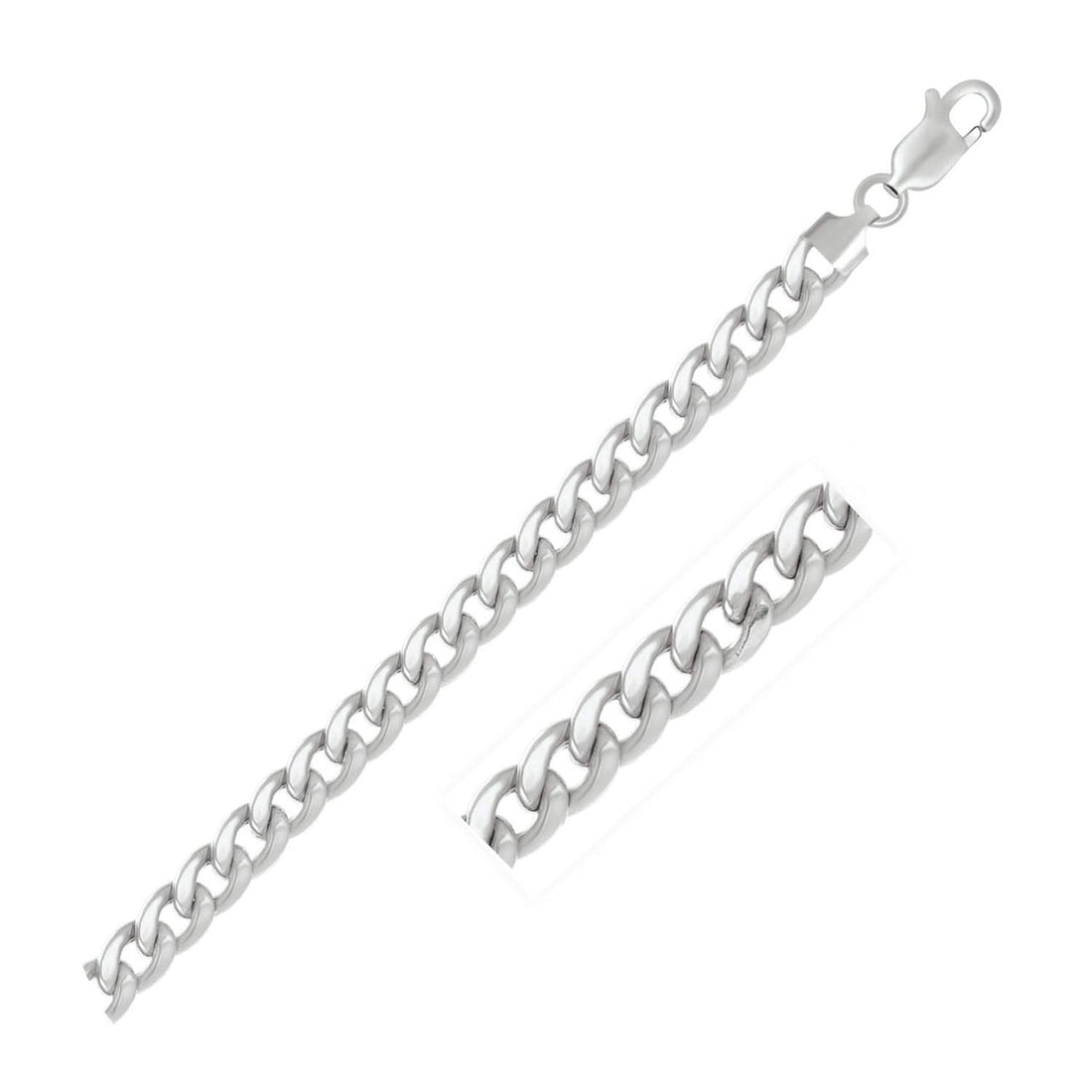
Men's jewelry has a long history, from gold rings and signets that marked status in the ancient world, through the restrained pieces of the 1800s gentleman, to a narrowing in the early 1900s to little more than a watch and a band, and a broad revival today.
The idea that jewelry is not really for men is a recent and unusual one. For most of recorded history, men wore it freely, and what they wore said a great deal about who they were. This guide traces that long arc: the ancient world, medieval heraldry, the restrained gentleman of the 1800s, the narrowing of the early 20th century, and the revival underway today.
The ancient world
Antiquity
Jewelry marked rank and power
Signet
The seal of the medieval ring
1900s
Narrowed to watch and band
Today
A broad revival underway
In ancient Egypt, Greece and Rome, men wore gold rings, armlets and amulets as plain signals of rank, wealth and divine favor. Gold was the metal of kings and gods, and to wear it was to announce a place in the order of things. The signet ring appeared here too, its engraved face pressed into wax or clay to seal a document and stand in for a signature.
Jewelry in this period was rarely decoration alone. It carried authority, marked allegiance, and was often buried with its owner, a measure of how closely it was tied to identity.
Medieval heraldry and the signet
Through the medieval and Renaissance centuries, the signet ring came into its own. Engraved with a family crest or coat of arms, it sealed letters and marked authority, and a ring of office could carry the power of a position rather than a person. Heraldry turned the ring into a small badge of lineage worn on the hand.
Nobility wore gemstones and ornate gold besides, but the signet was the piece that did real work, and it is among the oldest forms of men's jewelry still recognizable today. The history of the signet ring follows its path from wax seal to coat of arms and rings of office in full.
The 18th and 19th century gentleman
By the 1700s and 1800s, men's jewelry had grown quieter and more codified. The well-dressed gentleman wore a pocket-watch chain looped across his waistcoat, cufflinks at the wrist, a stickpin in the cravat or tie, and a signet on the hand. The effect was polish rather than display, ornament kept within strict bounds of taste.
The Albert watch chain
Named after Prince Albert, the Albert chain secured a pocket watch to the waistcoat, one end through a buttonhole. It was the era's most visible piece of men's jewelry, both practical and a quiet mark of standing.
The 20th century narrowing
The early 20th century narrowed men's jewelry sharply. As menswear grew more uniform and the pocket watch gave way to the wristwatch, the gentleman's array fell away until, for many men, only two pieces remained: a watch and a wedding band. Shifting ideas about how men should present themselves pushed ornament to the edges for several decades.
It was a real break with the past, and a brief one in the long view. For most of history men had worn far more, and the narrow set of the mid-1900s was the exception rather than the rule.
The modern revival
From the later 20th century onward, men's jewelry has steadily returned. Chains, signet rings, bracelets and studs are widely worn again, carried back into the mainstream by music, design and a broader sense that men can dress with ornament as they once did. The range today is wider than at any point in the last hundred years.
A long arc: ornament, then restraint, and a return to range.
| Era | What men wore | Meaning |
|---|---|---|
| Ancient world | Gold rings, amulets, signets | Status, power, protection |
| Medieval, Renaissance | Signet rings, rings of office | Identity and authority |
| 18th to 19th century | Watch chains, cufflinks, stickpins | Restrained gentlemanly polish |
| Early 20th century | Mostly a watch and a band | A narrow, practical set |
| Today | Chains, signets, bracelets, studs | Personal expression, widely accepted |
You can browse the men's jewelry selection to see how those old forms, the ring, the chain, the signet, look in their modern shapes.
Gold has fascinated humanity for millennia, symbolising wealth, power, and beauty.
World Gold Council
Further reading: FTC Jewelry Guides. Gold's long association with status runs through this whole history: the World Gold Council is the market development body for the gold industry, and the FTC Jewelry Guides set how gold is described in the US.
In Short
1Men have worn jewelry since antiquity, where gold rings and signets marked status, power and identity.
2Through the 1800s the gentleman's pieces were restrained: a watch chain, cufflinks, a stickpin.
3The early 1900s narrowed men's jewelry to a watch and a band, and today's revival has opened it up again.
Building your own set?
Our fine jewelry guide covers the pieces, the metals and how to wear them, in plain language. We will email it to you.
Email Me the Guide →


Every order ships free with a 30-day return policy.
Men's jewelry has come close to full circle, from a mark of rank in the ancient world to a quiet century of just a watch and a band, and back to a broad, personal range today. Whatever you choose now sits in a very long tradition. Every order ships free with a 30-day return policy.
Frequently Asked Questions
01
Have men always worn jewelry?
Men have worn jewelry since the ancient world, where rings, amulets and signets signaled status, power and protection. The idea that jewelry is not for men is recent and narrow by comparison.
02
What is a signet ring's history?
The signet ring began as a practical seal, its engraved face pressed into wax to mark documents and show identity. It carried through medieval heraldry and remains one of the oldest pieces of men's jewelry; the men's signet rings guide covers it today.
03
Why did men's jewelry decline in the 20th century?
Men's jewelry narrowed in the early 20th century as menswear grew more uniform and restrained, leaving mostly a wristwatch and a wedding band. Shifting ideas about how men should dress pushed ornament to the margins for a few decades.
04
What did gentlemen wear in the 1800s?
A gentleman in the 1800s wore restrained pieces: a pocket-watch chain across the waistcoat, cufflinks, a stickpin in the tie, and a signet ring. The look was polished rather than showy; the men's fine jewelry guide covers the modern equivalents.
05
Is men's jewelry popular again?
Men's jewelry is in a broad revival, with chains, signets, bracelets and studs all widely worn and accepted. The range is wider now than at any point in the last century; the men's chains guide covers a popular modern piece.
06
Which men's jewelry has the longest history?
The ring has the longest unbroken history in men's jewelry, especially the signet, worn for status and identity for thousands of years. Chains and bracelets are nearly as old; the men's ring guide covers rings today.