
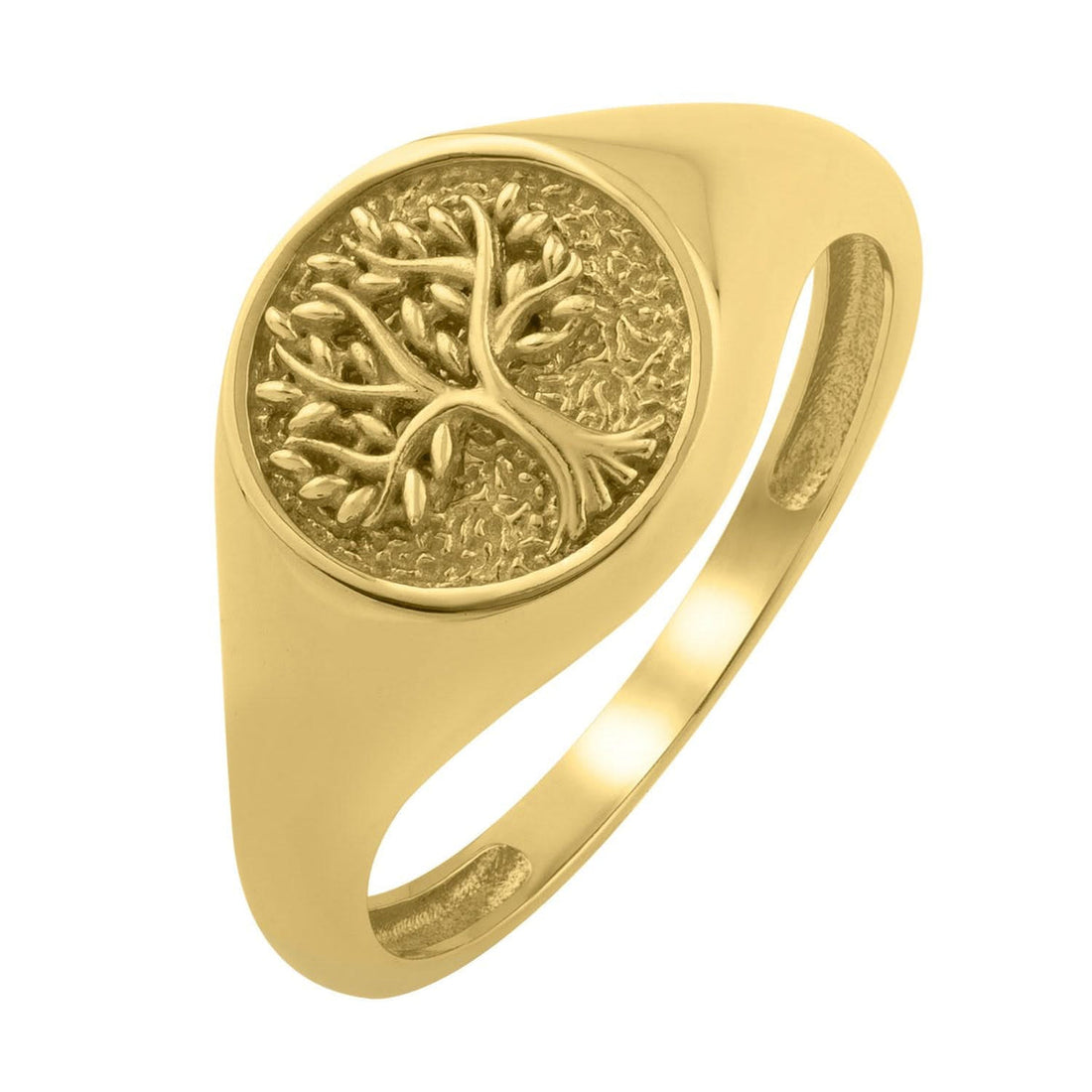
The signet ring is the oldest form of men's jewelry, a ring with an engraved face once used as a seal, pressed into wax to sign and authenticate documents. It carried coats of arms and the authority of high office, and it endures today as a personal heritage piece.
Of all the pieces a man can wear, the signet ring carries the longest and richest history. For thousands of years it was not an ornament at all but a tool, a personal seal worn on the hand. This guide traces that story: the ring as a seal, its role in heraldry, the great rings of office, the tradition of the little finger, and how the signet lives on today.
The ring as a seal
Seal
The face that signed in wax
Intaglio
An engraving cut into the surface
Crest
A family coat of arms
Pinky
Often worn on the little finger
The word signet comes from the Latin signum, a sign or mark, and that is exactly what the ring was. Its flat face was engraved with a design, and pressed into soft wax it left an impression that signed and sealed a letter or document. In a world where few could write and fewer could be trusted, the seal stood in for a signature and proved who had sent a thing.
The signet's face was pressed into wax to seal and sign a document.
Heraldry and the coat of arms
In medieval and Renaissance Europe, the signet's face most often carried a coat of arms, the heraldic emblem of a family. The ring became a small, portable badge of lineage, and pressing it into wax meant signing not just as a person but as a house. A signet was often handed down, the same arms passing from one generation to the next.
Because the design had to read correctly once stamped, the engraver cut it in reverse, a technique called intaglio. The result was a mirror image on the ring that came out the right way round in the wax.
Rings of office
Some signets carried not a family but a position. A ring of office held the authority of a role, used to seal official acts, and it passed with the office rather than the person. Bishops and other officials wore them, and the most famous of all belongs to the papacy.
The Fisherman's Ring
The papal signet, the Fisherman's Ring, bears an image of Saint Peter and was historically used to seal documents. By tradition it was destroyed on a pope's death, a clear sign that the authority of the seal had ended with him.
The little finger tradition
By long custom the signet is worn on the little finger, often of the non-dominant hand. The convention grew in part from practicality, since a ring on the smallest finger was easy to press cleanly into wax without the rest of the hand getting in the way, and it kept the working hand free.
Good to Know
A traditional signet face was engraved in reverse, so the wax impression read the right way round. Many modern signets are instead engraved to be read on the ring itself, since they are rarely pressed into wax anymore.
The signet today
The seal has long since given way to the signature and the stamp, but the signet ring outlived its job. It survives as a personal piece, worn for its history and its quiet weight on the hand. It can be engraved with initials, a crest or a motif, or left as a clean polished face, and it carries the same idea it always has: identity worn openly.
| Role | Use | Detail |
|---|---|---|
| The seal | Pressed into wax to sign | An engraved, reversed design |
| Heraldry | A family coat of arms | Identity and lineage |
| Ring of office | Worn by popes and bishops | The authority of a position |
| Today | A decorative, personal piece | Engraved or left plain |
You can browse the men's rings selection to see polished and engraved signets, and the men's signet rings guide covers choosing and engraving one.
Gold has fascinated humanity for millennia, symbolising wealth, power, and beauty.
World Gold Council
Further reading: FTC Jewelry Guides. The signet was almost always a gold ring, its metal a mark of standing: the World Gold Council is the market development body for the gold industry, and the FTC Jewelry Guides set how gold is described in the US.
In Short
1The signet ring began as a seal, its engraved face pressed into wax to sign and authenticate documents.
2In medieval Europe it carried a family coat of arms, and rings of office held the authority of a position.
3The seal function has faded, but the signet endures as a personal heritage piece, engraved or left plain.
Drawn to the signet?
Our fine jewelry guide covers signet styles, metals and engraving in plain language, so you can choose one with confidence. We will email it to you.
Email Me the Guide →


Every order ships free with a 30-day return policy.
Few pieces of jewelry carry as much history as the signet ring. It no longer seals letters, but it still does what it always did: it marks identity and belonging in a single, quiet ring on the hand. Every order ships free with a 30-day return policy.
Frequently Asked Questions
01
What is a signet ring?
A signet ring is a ring with a flat, engraved face that was originally used as a seal, pressed into wax to sign and authenticate documents. Its name comes from the Latin signum, meaning a sign or mark.
02
How did signet rings work as seals?
Signet rings worked by carrying a design cut into the face in reverse, an intaglio, so that when pressed into soft wax the impression came out raised and the right way round. A broken seal showed that a letter had been opened.
03
What is a coat of arms on a signet ring?
A coat of arms on a signet ring is a family crest that marked lineage and identity, common in medieval and later European heraldry. The ring stood in for the family, and was often handed down through generations.
04
What is the Fisherman's Ring?
The Fisherman's Ring is the papal signet, bearing an image of Saint Peter, historically used to seal documents and traditionally destroyed on a pope's death. It is among the most famous rings of office; the men's signet rings guide covers wearing a signet today.
05
Which finger is a signet ring worn on?
A signet ring is traditionally worn on the little finger of the non-dominant hand, a convention that grew partly from the practicality of sealing. Any finger works today; the men's ring guide covers which finger suits which ring.
06
Are signet rings still worn today?
Signet rings are still widely worn, now as a personal and heritage piece rather than a working seal. They can be engraved with initials, a crest or a motif, or left plain; the men's fine jewelry guide covers where they fit in a modern set.