How to Choose a Rose Gold Pendant for Your Style
What Makes Rose Gold a Distinctive Choice for Pendants
Rose gold's characteristic blush tone comes from a higher copper content in its alloy composition compared to yellow or white gold. Standard 14K rose gold contains 58.5% pure gold with the remainder primarily copper, which produces a warm pink hue that varies slightly from one batch to another. The metal is durable: copper actually makes the alloy harder than yellow gold at the same karat. The tone is stable over years, which makes rose gold a lower-maintenance choice than white gold, which requires rhodium re-plating. Browse gold jewelry for all gold jewelry options across finishes.
Gemstone Pairings That Work Best With Rose Gold Pendants
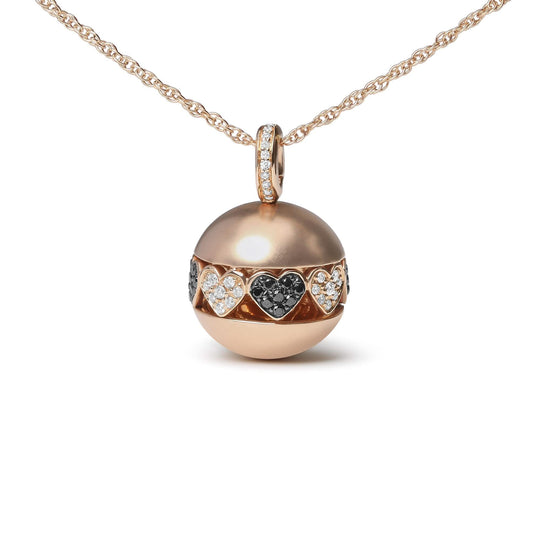
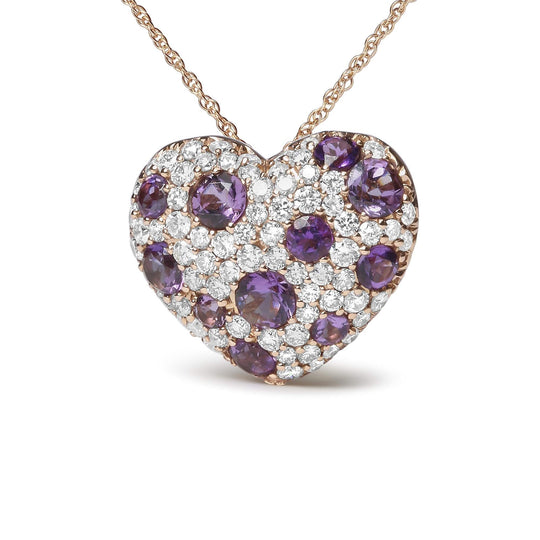
Rose gold's warm, blush-pink tone enhances stones in the pink, peach, and orange spectrum particularly well. Morganite, pink sapphire, and rose quartz sit in the same warm register as the metal, creating a harmonious effect. Champagne and cognac diamonds read richer against rose gold than against white or yellow gold. Even cool-toned stones like white diamonds and aquamarine take on a softer, more feminine character against the warm backdrop. The one family that tends to clash is deep red: ruby and red garnet can read muddy against rose gold's own warm pink. Browse yellow gold pendants for the warmer yellow-toned alternative.
Pairing a Chain With a Rose Gold Pendant
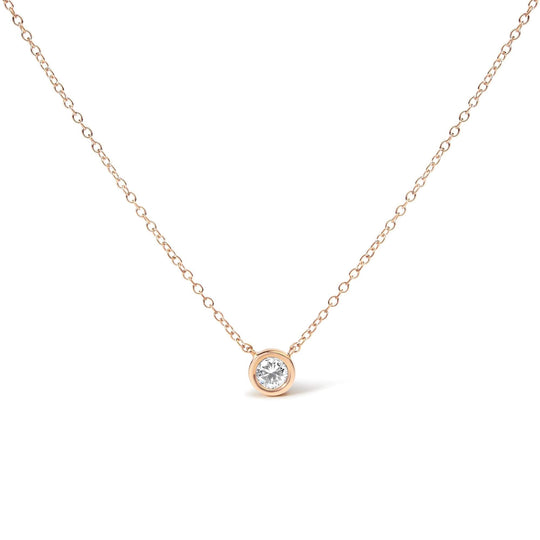
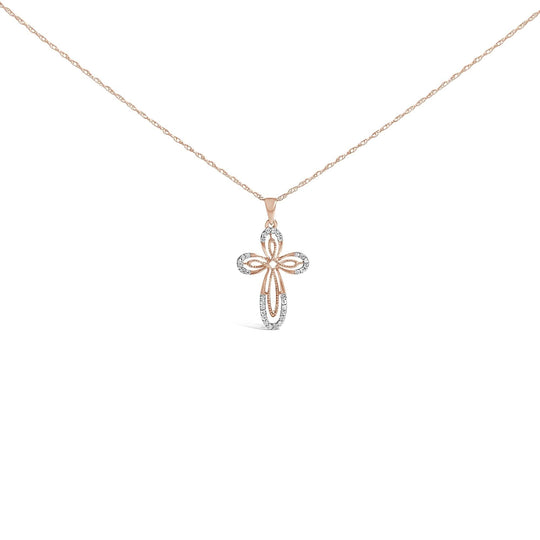
A rose gold pendant sits best on a matching rose gold chain, which maintains tonal consistency across the neckline. Chain styles that suit rose gold pendants include cable, box, and Singapore chains between 1.5mm and 2.5mm at 16 to 18 inches for collarbone positioning. Thinner chains suit smaller, lighter pendants; heavier pendants over 20mm need a chain at 2mm or above to support the weight without kinking. Intentional mixed-metal styling, such as a rose gold pendant on a yellow gold chain, creates a warm-toned contrast that looks deliberate rather than mismatched. Browse rose gold necklaces for matching chain options.
Rose Gold vs. White Gold Pendants: How to Decide
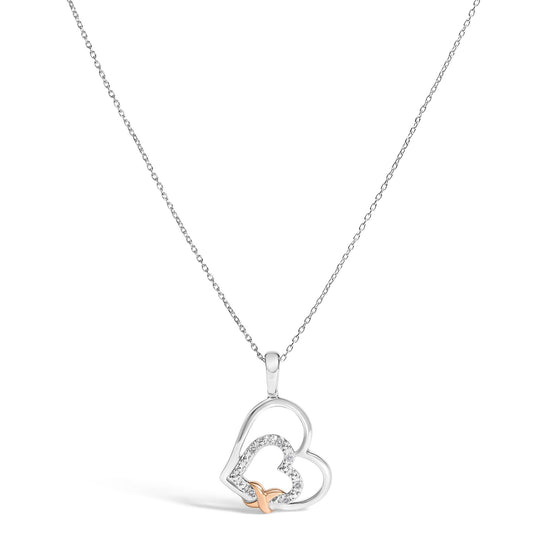
The decision between rose gold and white gold for a pendant comes down almost entirely to personal color preference and the stone type. White gold's cool neutral tone is the standard choice for diamond-forward designs where the stone's brilliance needs a clean, non-competing backdrop. Rose gold's warmth makes it the better setting for champagne diamonds, morganite, and pink sapphire: stones that share its tonal register and deepen against it. Care requirements differ in one key way: white gold requires rhodium re-plating every few years, while rose gold's color is stable and does not need replating. Browse white gold pendants for the cool-tone alternative. Every order ships free with a 30-day return policy.