How to Choose a Yellow Gold Pendant Worth Buying
Why Yellow Gold Works for Pendant Design
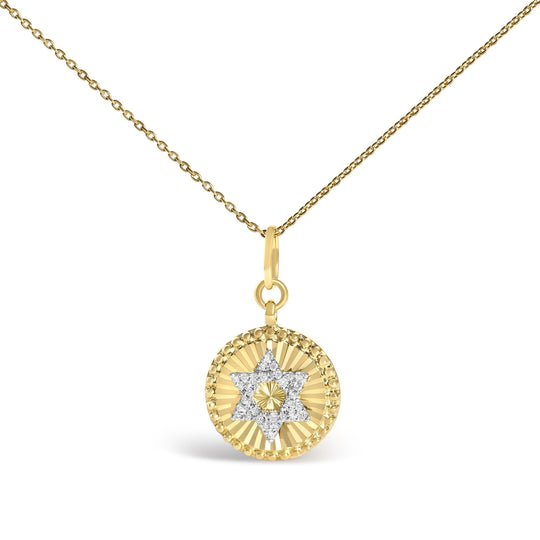
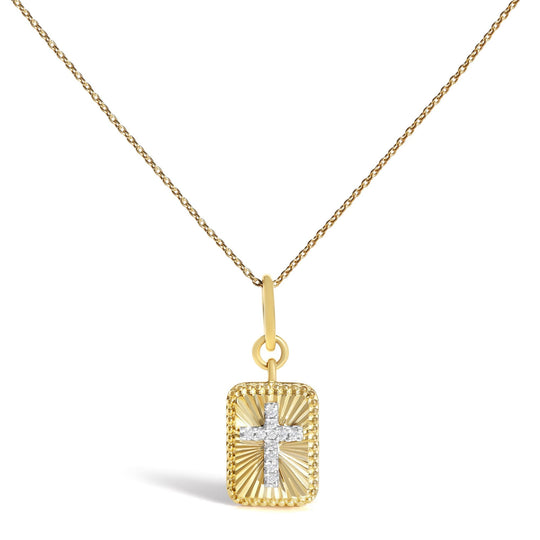
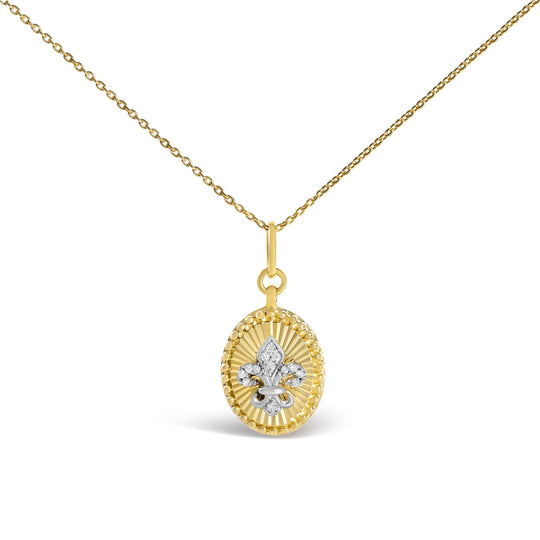
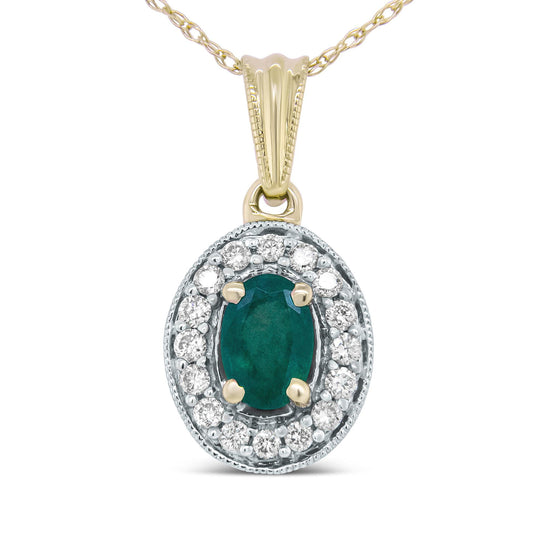
Yellow gold is the only metal that wears the same color as it was cast, without plating or coating. Its warm tone is produced by the alloy ratio: 14K yellow gold contains 58.5% gold mixed with silver and copper, giving it a warm hue that deepens further at 18K. The warmth of yellow gold enhances deep-colored gemstones like emeralds, rubies, and citrines by reflecting complementary tones into the setting. It is also the most maintenance-free of the gold colors since there is no rhodium plating to wear through over time. Explore the full range in the gold jewelry hub.
Setting Styles and Stone Types That Suit Yellow Gold
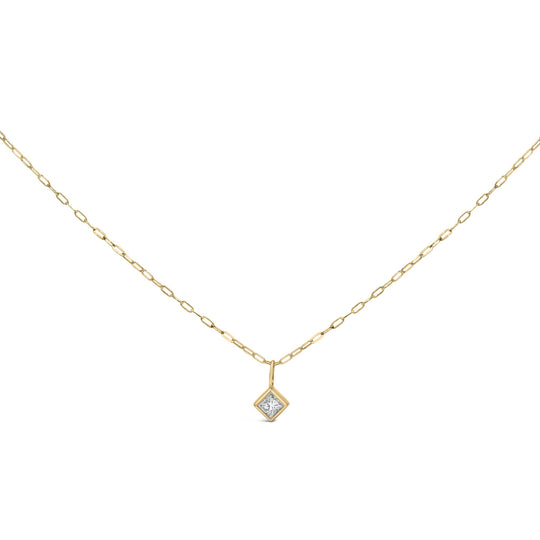
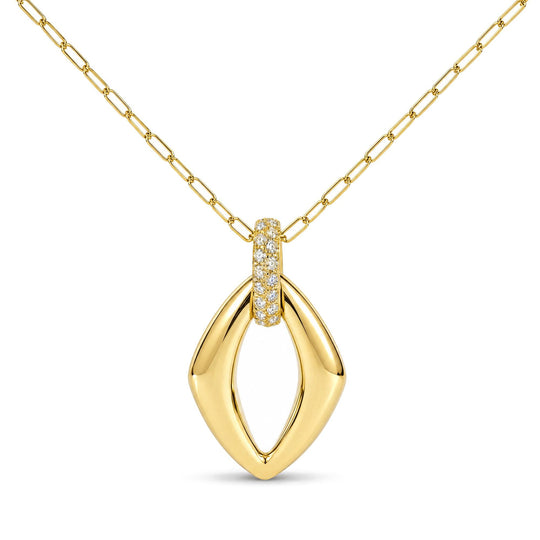
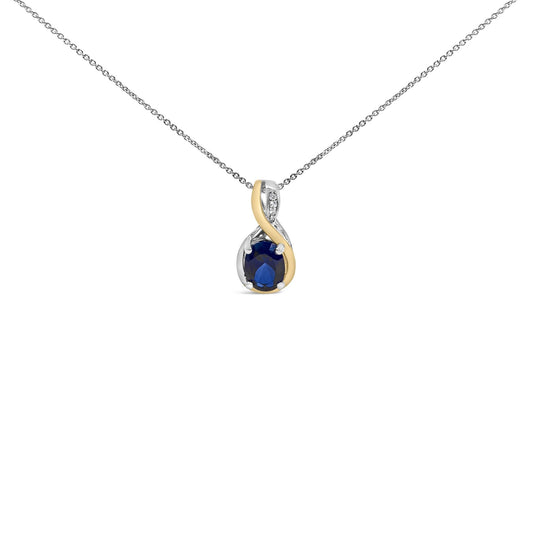
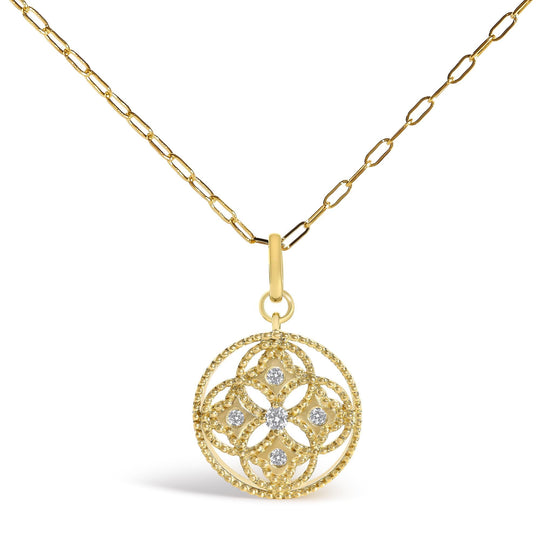
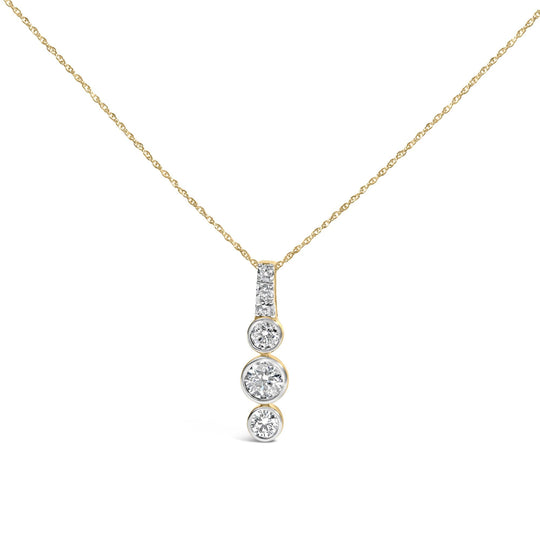
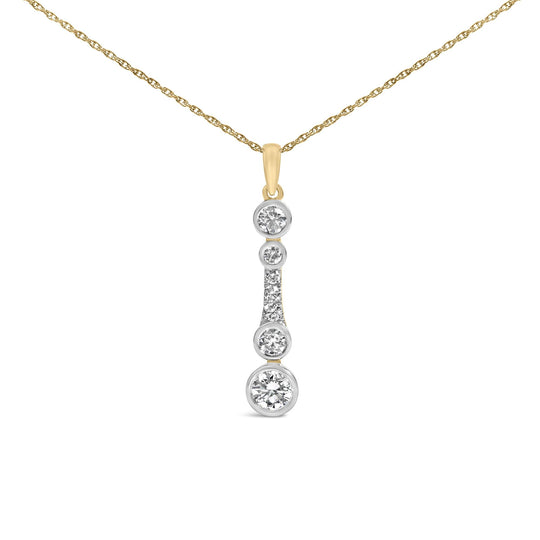
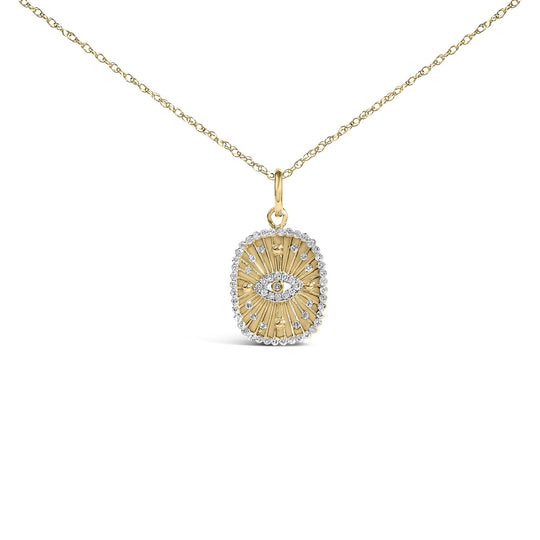
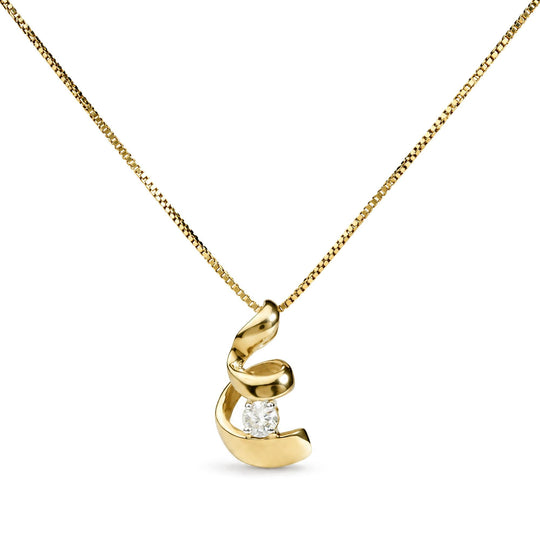
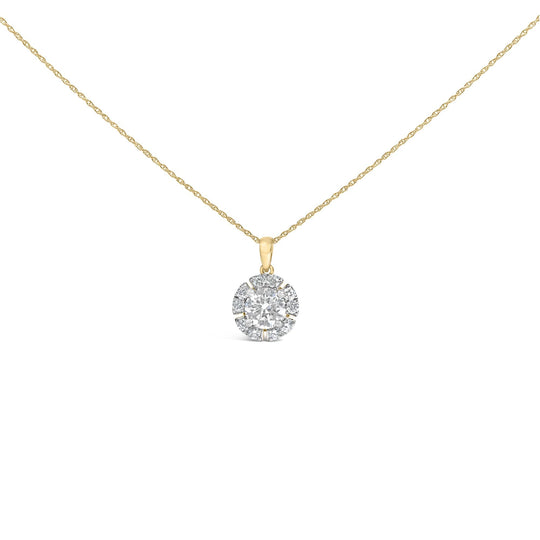
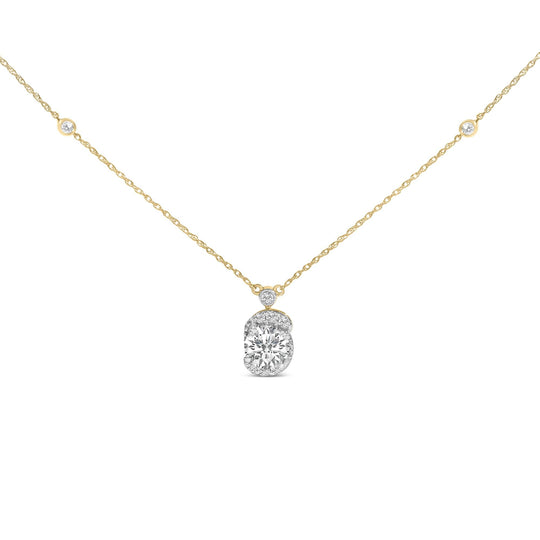
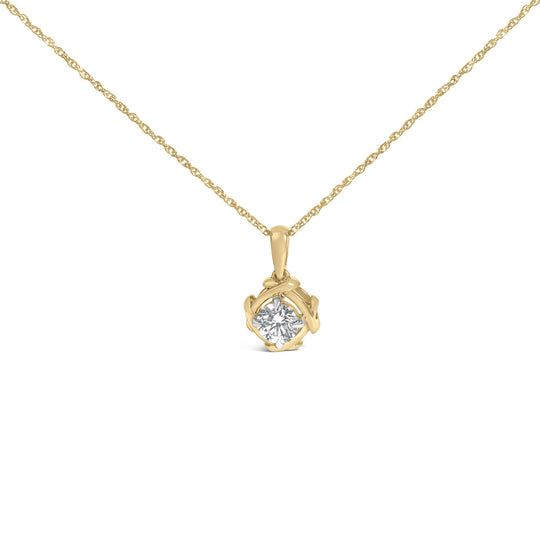
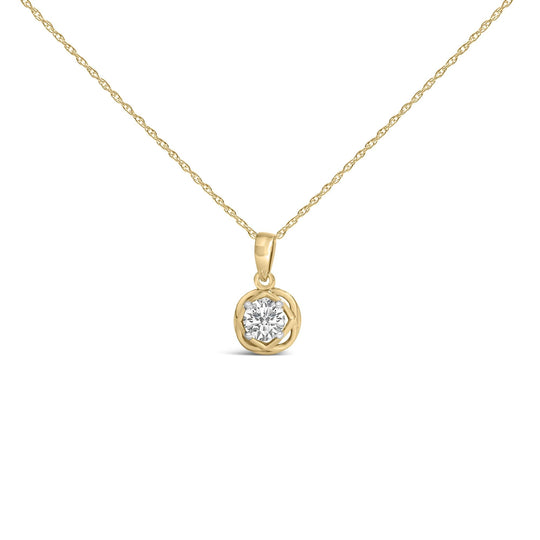
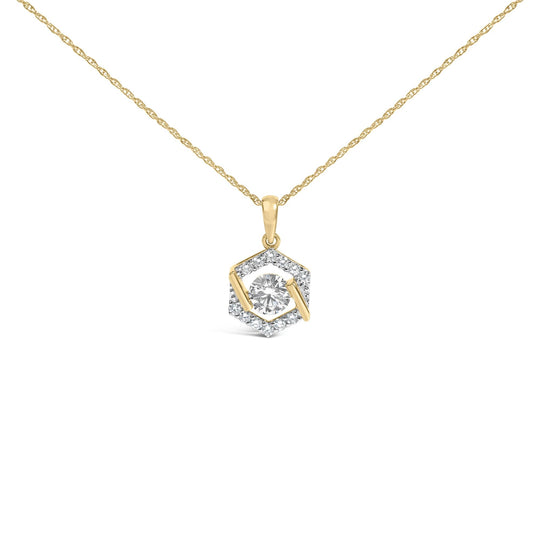
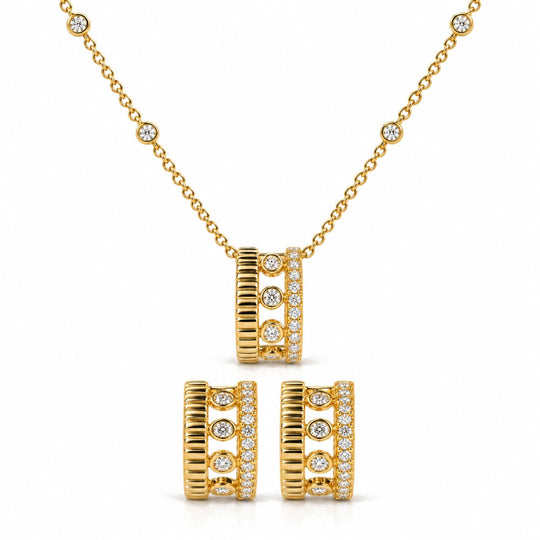
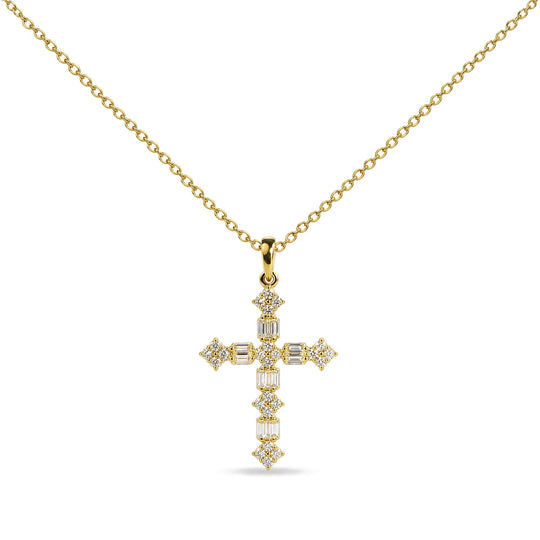
Yellow gold creates a warm, contrasting backdrop for diamonds that reads as vintage or antique-inspired rather than the clean contemporary look of white gold. Solitaire settings in yellow gold let a single stone speak clearly; bezel settings give a modern organic feel; pave settings create all-over warmth and sparkle. Colored gemstones including sapphire, emerald, ruby, and citrine look their richest against yellow gold because the metal reflects into the stone's color rather than competing with it. Browse diamond pendants for diamond-specific setting options.
Matching Yellow Gold Pendants to the Right Chain
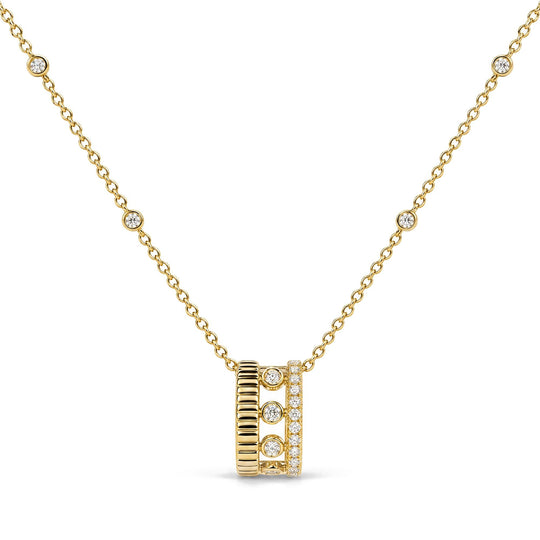
A yellow gold pendant paired with a matching chain creates the most cohesive look. Chain weight should match pendant weight: a delicate 1mm to 1.5mm cable chain suits light pendants under 15mm; a 2mm to 3mm curb or rope chain handles heavier pendants above 25mm. For layering, keeping all chains in the same metal and mixing lengths by two inches or more prevents tangling and creates clean separation between pieces. Collarbone length of 16 to 18 inches is the standard starting point for most pendant styles. Browse yellow gold necklaces for matching chain options.
Yellow Gold vs. Rose Gold Pendants: How They Differ
Yellow gold and rose gold are both warm-toned gold alloys, but they differ visibly in character. Yellow gold's tone is a clean warm gold; rose gold's copper-heavy alloy produces a distinctly pink blush. Yellow gold pairs more naturally with deep-colored gemstones and reads as more traditional; rose gold leans more contemporary and pairs especially well with morganite, pink sapphire, and champagne diamond. Both require no rhodium plating. Yellow gold is more forgiving of everyday wear in terms of visible surface marks against its natural tone. Browse rose gold pendants for the blush-tone alternative. Every order ships free with a 30-day return policy.