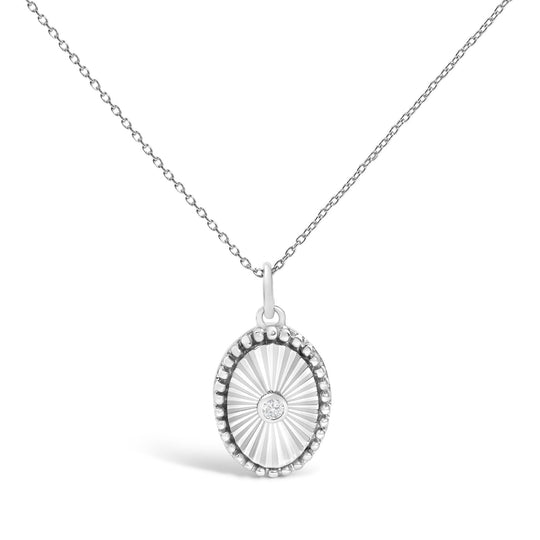
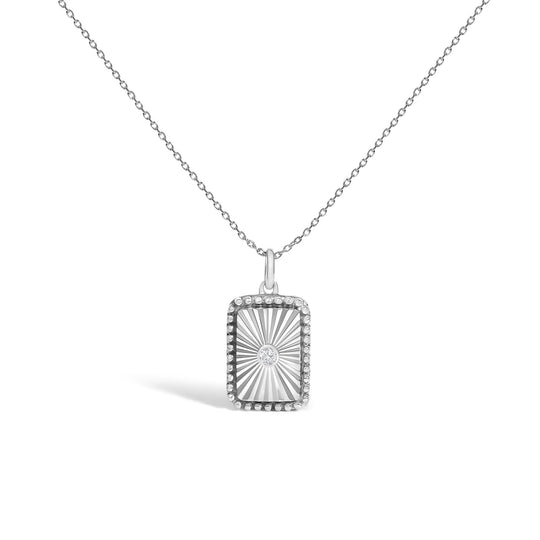
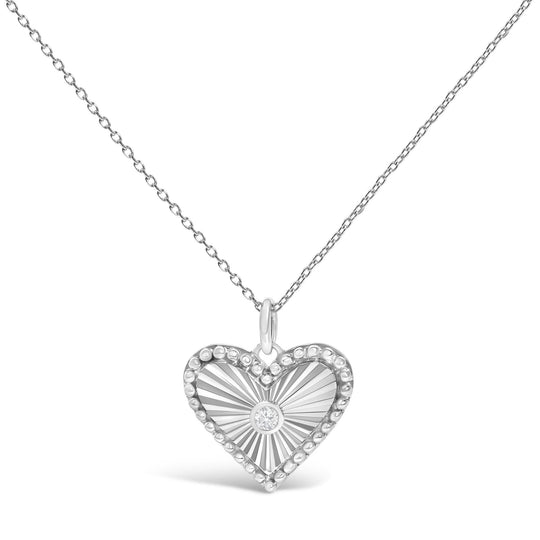
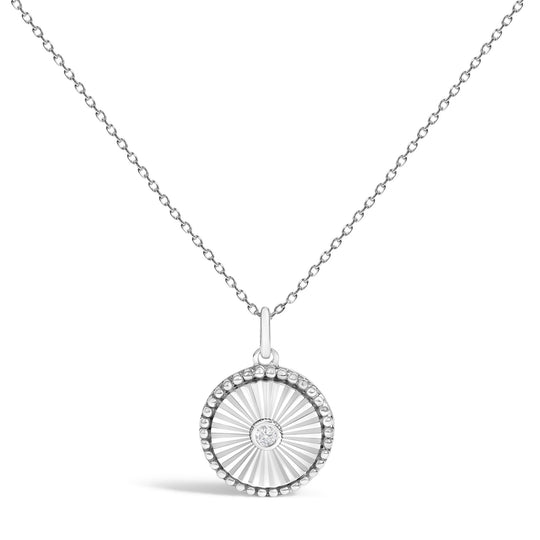
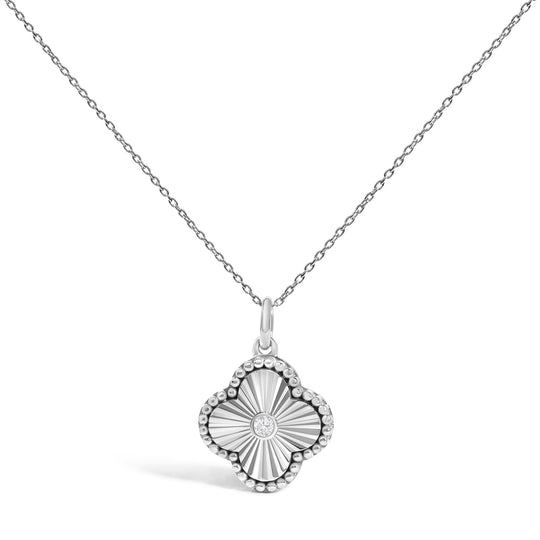
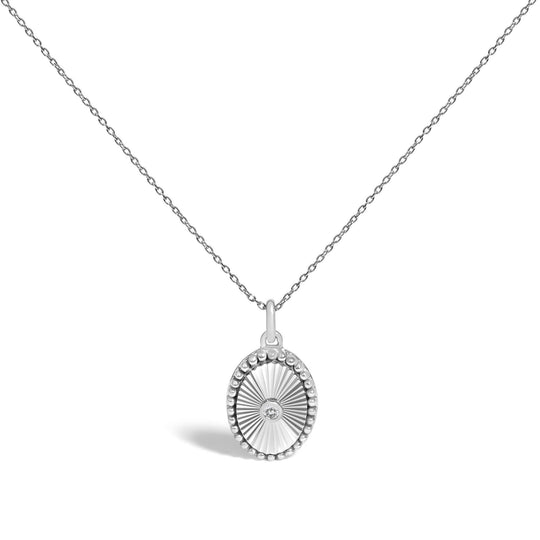
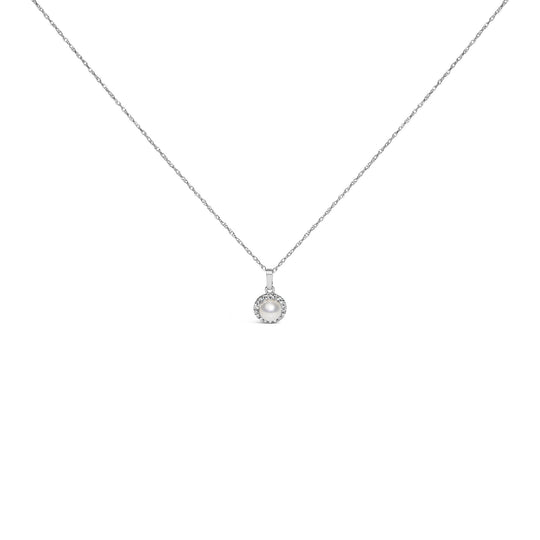
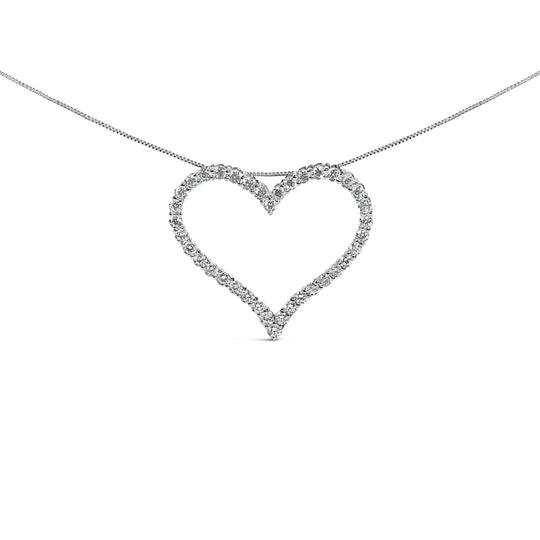
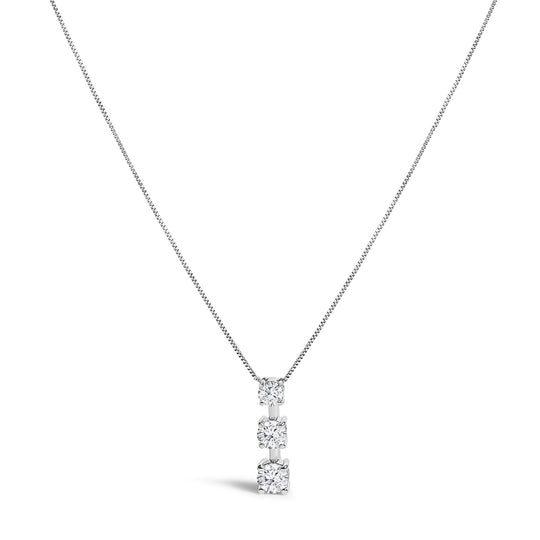
How to Choose a White Gold Pendant That Delivers
Why White Gold Works for Pendant Design
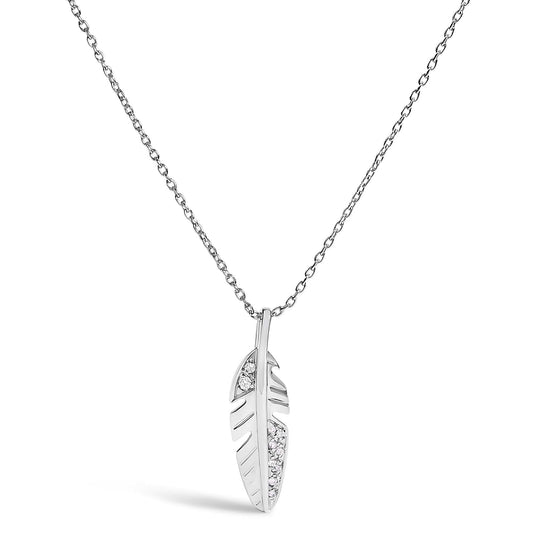
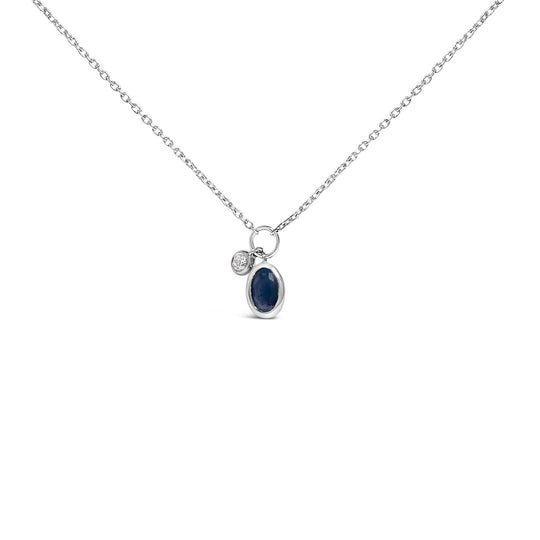
White gold's bright, neutral tone makes it one of the most versatile metals for pendant settings. Its cool finish does not compete with gemstone color the way yellow gold can, which is why white gold is particularly well-suited to diamonds, sapphires, and other stones where color accuracy matters to the buyer. White gold is an alloy: yellow gold mixed with white metals such as palladium, then rhodium-plated to achieve the bright surface finish. The rhodium plating will wear through at contact points over years and can be re-applied by any jeweler. Browse gold jewelry for all gold options in a single view.
Setting Styles That Work Best in White Gold Pendants
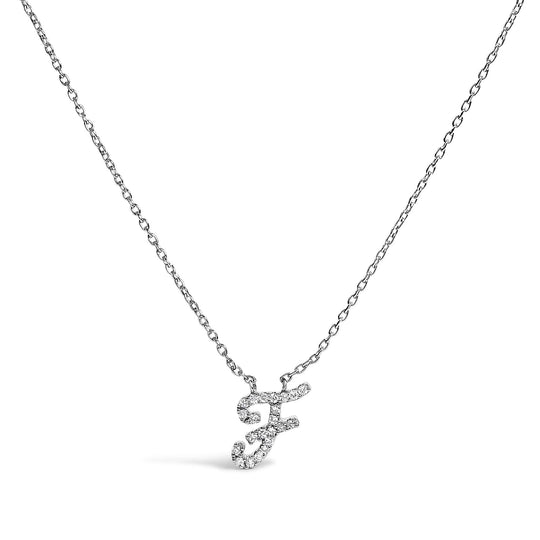
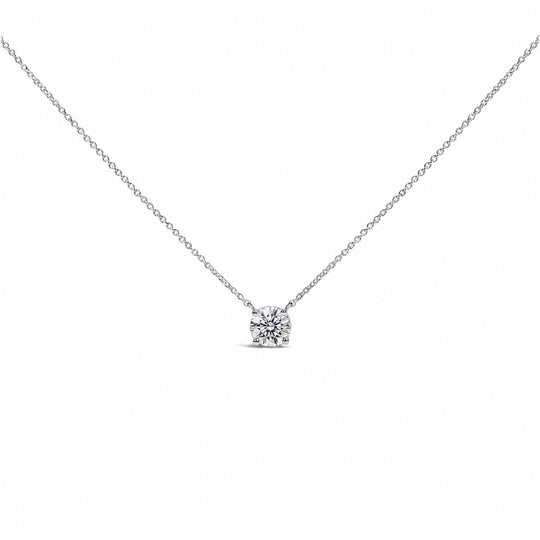
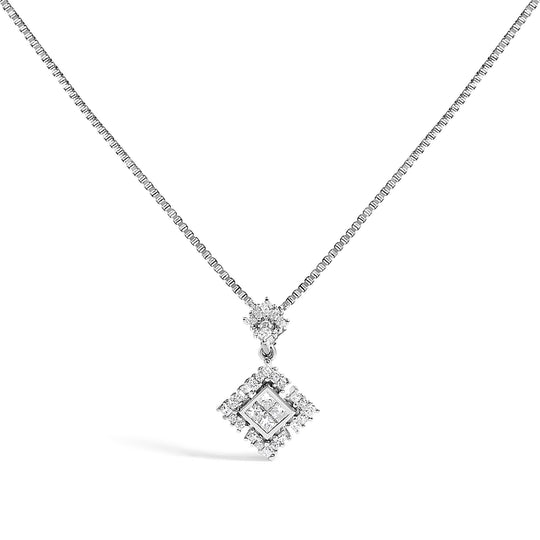
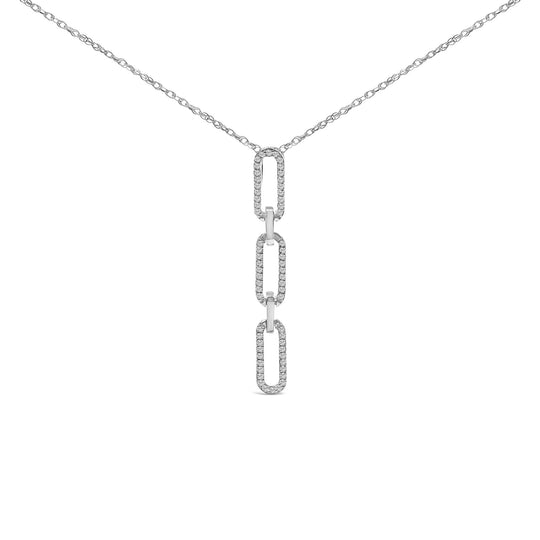
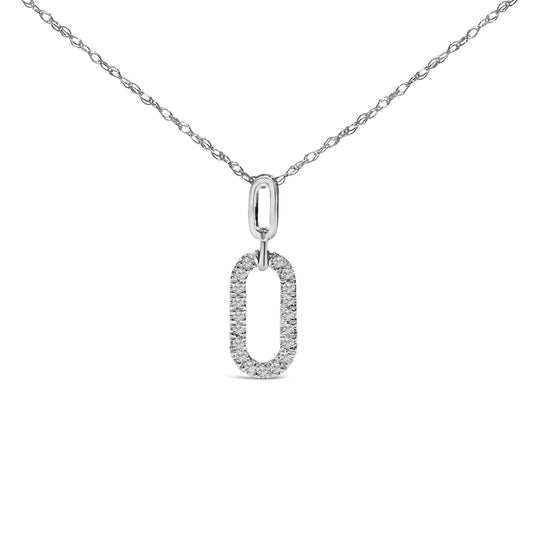
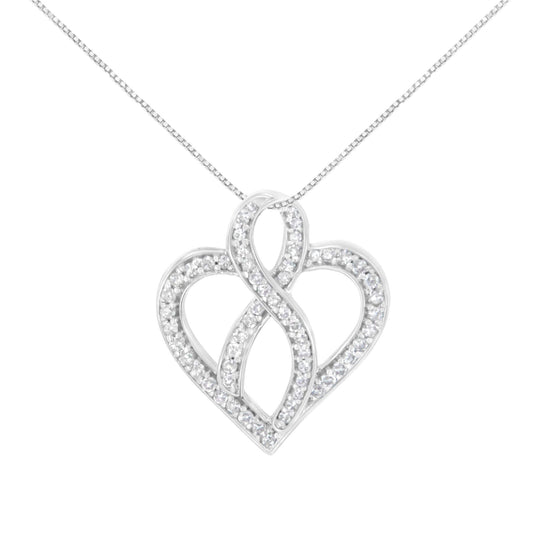
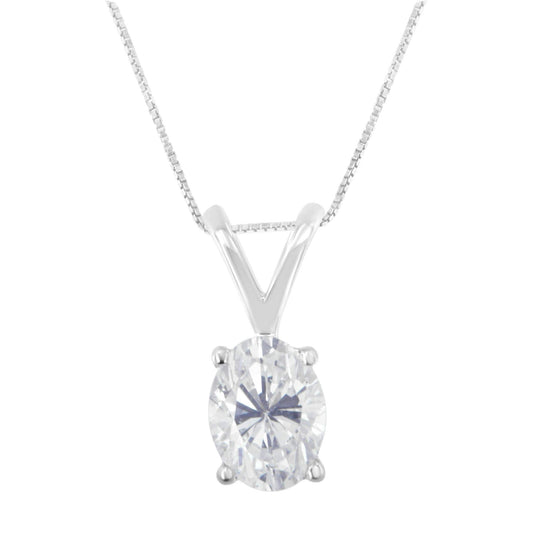
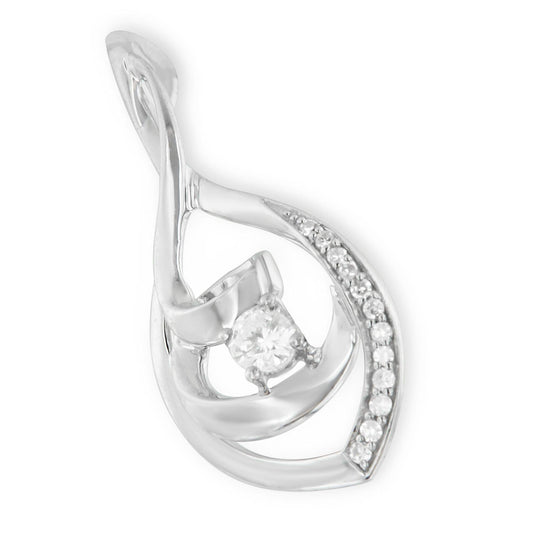
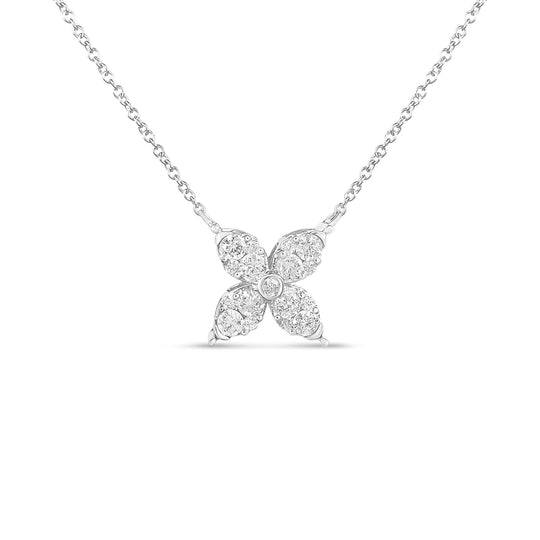
White gold's neutral tone pairs most naturally with diamonds, creating a seamless visual where metal and stone share the same brightness register. Prong settings in white gold maximize how much light enters a stone, which matters most for round brilliant diamonds. Bezel settings produce a sleeker, more modern result and protect the stone's girdle better than prongs. Pave designs create all-over sparkle across the metal surface and suit buyers who want presence without a large center stone. Browse diamond pendants for the full range of diamond setting options.
Choosing a Chain for Your White Gold Pendant
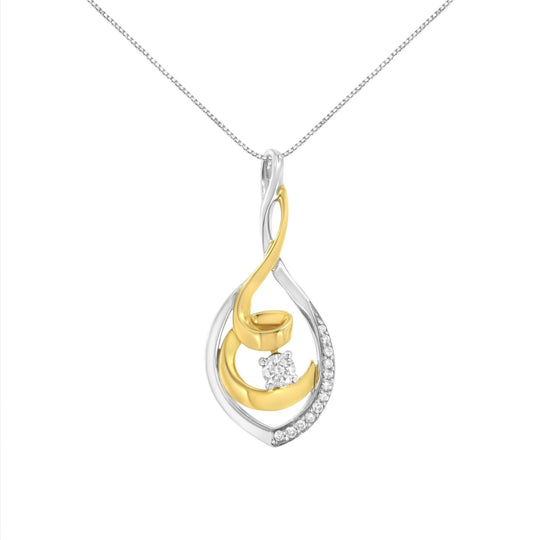
The chain should match the pendant's metal for a cohesive result. A white gold pendant on a yellow gold chain creates intentional mixed-metal contrast, but for a traditional look, matching metals read most cleanly. Chain weight matters as much as style: a thin 1mm cable chain suits small pendants under 15mm, while a pendant at 20mm or above needs a chain at 2mm or heavier to hang level. White gold cable, box, and Singapore chains all complement pendant styles at the collarbone range of 16 to 18 inches. Browse white gold necklaces for matching chain options.
White Gold Pendants vs. Rose Gold: Choosing Between Them
White gold and rose gold are both 14K or 18K gold alloys, but their character is entirely different. White gold produces a cool, high-contrast look suited to diamond settings and classic styling. Rose gold's warm blush tone reads as softer and more romantic, and complements warm-toned gemstones like morganite, pink sapphire, and champagne diamond particularly well. The choice comes down to personal coloring and the look you want. Both metals require similar care, though white gold needs rhodium re-plating over time while rose gold's tone is more stable. Browse rose gold pendants for the blush-tone alternative. Every order ships free with a 30-day return policy.