
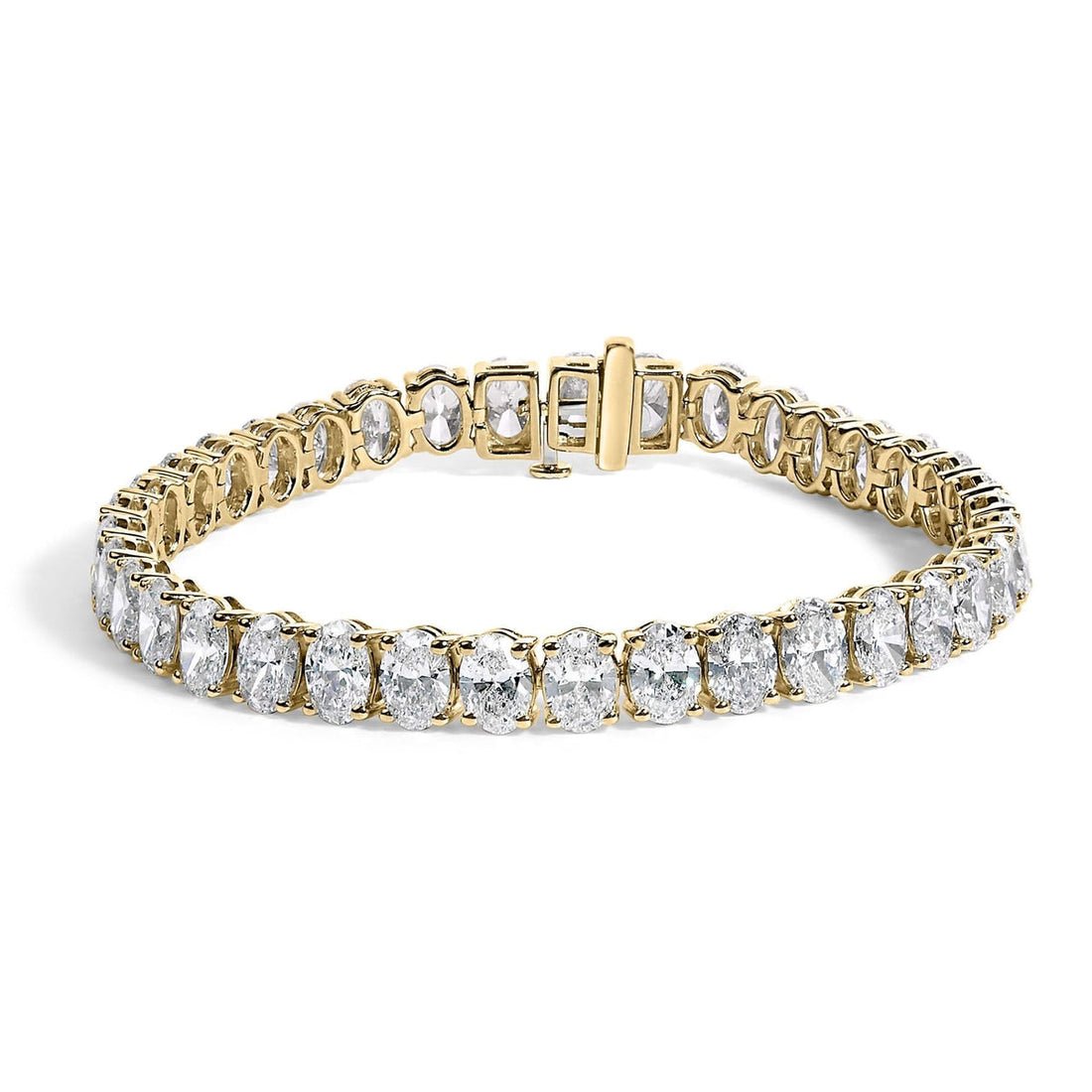
Yellow, white, and rose gold all contain the same pure gold at a given karat; only the alloy differs. Yellow balances silver and copper, white uses white metals plus rhodium plating, and rose leans on copper for its pink. Choose on tone, setting, and upkeep.
Yellow, white, or rose? It is one of the most common questions in fine jewelry, and the answer is more freeing than most people expect: all three are the same gold underneath. This guide puts the three colors side by side, explains where each gets its tone, and gives you a simple way to choose the one that suits your style, your stones, and how much upkeep you want.
Same gold, three different tones
The first thing to know is the most reassuring: at the same karat, yellow, white, and rose gold all contain exactly the same amount of pure gold. A 14K piece is 58.3 percent pure gold whether it is warm yellow, cool white, or soft pink. The color does not come from more or less gold; it comes entirely from which metals are blended with it.
Yellow gold balances silver and copper to keep gold's natural warm tone. White gold swaps in white metals like palladium and silver, then adds a rhodium plating for a bright finish. Rose gold leans on copper, whose red tone tints the alloy pink. Same gold, three different recipes, three different looks.
Each color has its own full guide: the yellow gold guide, the white gold guide, and the rose gold guide. This page sets them side by side.
Yellow, white, and rose side by side
Here is the practical comparison at a glance. The one row worth pausing on is upkeep: white gold is the only one of the three with a plating layer, so it is the only one that benefits from periodic re-plating. Yellow and rose hold their color in the alloy itself.
| Yellow gold | White gold | Rose gold | |
|---|---|---|---|
| Color tone | Warm, classic yellow | Cool, bright white | Soft, warm pink |
| Alloy that sets color | Silver and copper in balance | White metals (palladium, silver) | Higher copper content |
| Pure gold in 14K | 58.3% | 58.3% | 58.3% |
| Plating needed | None | Rhodium, renewed over time | None |
| Upkeep | Simple cleaning | Cleaning plus periodic re-plate | Simple cleaning |
| Best for | Traditional, warm looks | Diamonds, cool tones | Romantic, distinctive looks |
How to choose your color
Choosing among them comes down to three questions. First, what tone do you love: warm, cool, or pink? That is the biggest factor, and it is purely personal. Second, what are you setting: diamonds tend to look brightest in white gold, while warm gemstones glow against yellow or rose. Third, how much upkeep suits you: yellow and rose are the lowest-maintenance, white asks for an occasional re-plate.
Many people mix them, too. Yellow and rose layer warmly together, and white pairs with either for contrast. The guide to styling fine jewelry covers mixing metals across a stack or neckline.
The final word
There is no single best color of gold, only the best color for you. Since all three share the same gold content at a given karat, you can choose purely on tone, setting, and upkeep, with no trade-off in the gold itself.
Once you have a color in mind, the fine jewelry buying guide helps you weigh karat, setting, and quality together, and the complete guide to gold jewelry covers how karat works across all three.
"The inclusion of copper results in the soft pink complexion of rose gold."
World Gold Council
World Gold Council, Gold Jewellery
Further reading: Britannica, karat. Both are long-standing references for gold alloys, color, and standards.
In Short
1At the same karat, yellow, white, and rose gold all contain identical pure gold (58.3 percent at 14K); only the alloy metals differ.
2Yellow comes from silver and copper, white from white metals plus rhodium plating, and rose from a higher copper content.
3White gold is the only one with a plating layer, so it is the only one that benefits from periodic re-plating; yellow and rose hold color in the alloy.
Want the gold color comparison cheat sheet?
A one-page side-by-side of yellow, white, and rose gold: tone, alloy, upkeep, and what each suits best. We will email it to you.
Email Me the Guide →


Every order ships free with a 30-day return policy.
Whichever color you choose, you are getting the same genuine gold, just dressed in the tone you love most. Pick the one that feels like you, and it will look as good in thirty years as it does today. Every order ships free with a 30-day return policy.
Frequently Asked Questions
01
Is yellow, white, or rose gold more valuable?
Yellow, white, and rose gold of the same karat have the same pure gold content, so the gold itself is equivalent across all three colors. A 14K piece is 58.3 percent pure gold whether it is yellow, white, or rose. Differences come down to the alloy metals and any plating, not the amount of gold present.
02
Which gold color is most durable?
All three gold colors at the same karat are similarly durable in their core, since they share the same gold content. Rose gold's higher copper content can make it slightly harder, and white gold has a rhodium surface that wears and is renewed. For everyday wear, 14K in any color offers excellent durability.
03
Can you mix yellow, white, and rose gold?
Mixing yellow, white, and rose gold is a popular and intentional look. Yellow and rose layer warmly together, while white provides a cool contrast against either. Mixed-metal pieces and stacks let you wear all three at once. The guide to styling fine jewelry covers how to combine them well.
04
Which gold color is best for diamonds?
White gold is often chosen for diamonds because its cool, bright tone makes the stones look whiter and more brilliant. That said, yellow and rose gold create a warmer, more vintage setting that many people love, and warm-toned diamonds can look beautiful in them. The best color depends on the look you want.
05
Does the gold color change the value of a piece?
At the same karat, the gold content is identical across yellow, white, and rose, so the color itself is not the main driver of a piece's value. White gold may involve a small added step for rhodium plating. For how to weigh karat, setting, and overall quality together, the fine jewelry buying guide walks through it.
06
Which gold color needs the least maintenance?
Yellow and rose gold need the least maintenance, because their color lives in the alloy itself and there is no plating to renew. White gold asks for periodic rhodium re-plating to stay at its brightest, most often on rings. All three clean the same way with warm water and mild soap.