
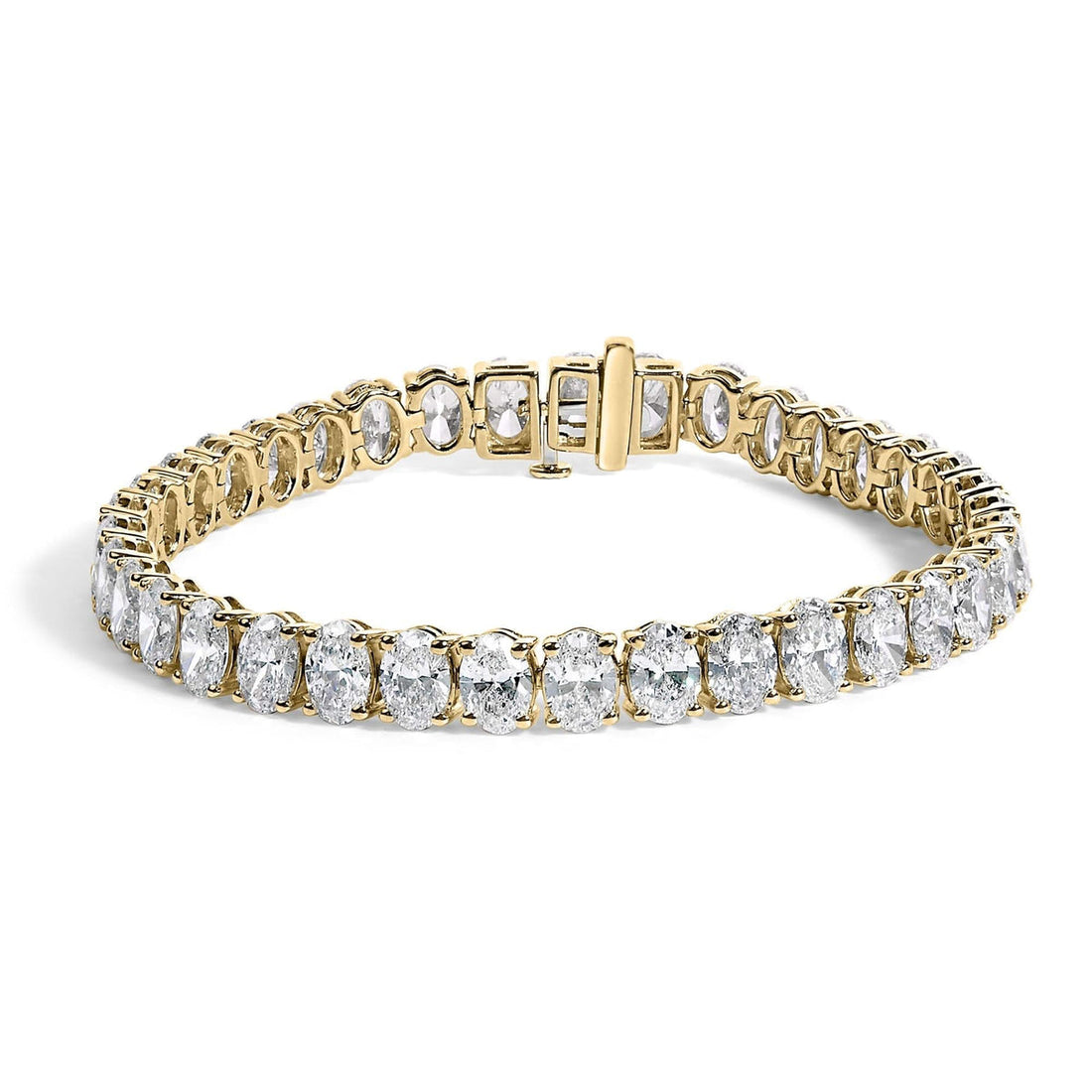
Yellow gold is gold alloyed with silver and copper in balance to preserve its natural warm tone. A representative 14K yellow gold is 58.3 percent pure gold; 18K is 75 percent and reads richer. The color is permanent, and solid yellow gold never tarnishes.
Metal
Yellow gold
Durability
High at 14K
Purity
14K / 18K
Color
Warm yellow
Everyday wear
Excellent at 14K
Hypoallergenic
Usually
Yellow gold is the classic. It is the warm, glowing metal that has defined fine jewelry across cultures and centuries, and for many buyers it is simply what gold should look like. This guide covers what gives yellow gold its color, how karat changes its tone and toughness, how it wears over a lifetime, and who it suits best, so you can choose a piece with complete confidence.
What yellow gold actually is
Yellow gold is gold in its most recognizable form: the warm, golden tone that the word gold brings to mind. That color is gold's natural color, which is why yellow gold is the most traditional and, in much of the world, the most popular way to wear it.
Pure gold is too soft to wear, so yellow gold is an alloy. To keep the warm tone while adding strength, refiners blend gold with silver and copper in balance. A representative 14K yellow gold is about 58.3 percent gold, with silver and copper making up the rest. The result holds gold's signature warmth while standing up to daily wear.
Color is separate from karat: 14K and 18K yellow gold contain different amounts of pure gold but share the same warm family of tones. For how yellow sits next to white gold and rose gold, and how karat works across all three, the complete guide to gold jewelry lays out the full picture.
Karat, color, and which to choose
In yellow gold, karat changes both the depth of color and the durability. 14K yellow gold, at 58.3 percent pure gold, gives a warm but slightly more restrained tone and excellent hardness for everyday pieces. 18K yellow gold, at 75 percent pure gold, reads noticeably richer and deeper, the classic heirloom yellow, but it is a little softer.
58.3%
Pure gold in 14K yellow, the US everyday standard
75%
Pure gold in 18K yellow, a richer heirloom tone
2.5-3
Mohs hardness of pure gold before alloying
| Karat | Pure gold | Tone | Best suited to |
|---|---|---|---|
10K
|
41.7% | Palest, most restrained | Active, hard daily wear |
14K
|
58.3% | Warm, classic yellow | Everyday rings, chains, bracelets |
18K
|
75% | Rich, deep yellow | Heirloom and gently worn pieces |
22K
|
91.7% | Deepest, most saturated | Traditional high-purity pieces, worn carefully |
Karat Tip
For a yellow gold ring or bracelet in daily rotation, 14K is usually the wiser pick: the extra alloy resists dents and scratches better than 18K, so detail stays crisp over decades. Save 18K for pieces worn more gently, where its deeper warmth can shine.
Durability and everyday wear
Yellow gold wears well because the same alloy that sets its color also lends strength. 14K and 10K yellow gold are particularly hard-wearing, making them sensible choices for rings, bracelets, and chains that take daily contact. Like all gold, yellow gold can pick up fine surface scratches, but these polish out and the piece looks new again.
The reassuring part is what yellow gold does not do. Solid yellow gold does not tarnish, flake, or wear through to a different metal, because it is the same alloy all the way through. That is the dividing line between solid gold and gold-plated jewelry, where a thin gold layer eventually rubs off a base-metal core.
Caring for yellow gold
Caring for yellow gold is simple. Warm water, a drop of mild dish soap, and a soft brush lift away the oils and lotion that dull the surface; rinse and dry with a soft cloth. Done every week or two, that routine keeps yellow gold glowing without special products.
Care Note
Keep yellow gold away from chlorine in pools and hot tubs, which can weaken the alloy over time, and store pieces separately so harder stones do not scratch the surface. The step-by-step routine, with what to avoid, sits in the guide to cleaning gold jewelry.
Who yellow gold suits best
Yellow gold flatters warm and olive skin tones especially well, and its classic warmth suits anyone drawn to a timeless, traditional look. It is the natural home for heirloom and bridal pieces, and it pairs beautifully with both warm-hued gemstones and white diamonds, whose brightness it sets off.
If you like to mix metals or layer pieces, yellow gold anchors a stack with warmth and combines confidently with rose gold for a soft, tonal effect. The guide to styling fine jewelry covers how to mix tones and layer without clashing.
Is yellow gold right for you
Yellow gold is the right choice when you want gold to look unmistakably like gold: warm, classic, and timeless. For everyday pieces, 14K gives you that warmth with the durability daily wear demands. For a statement or heirloom piece worn more gently, 18K rewards you with a deeper, richer tone.
If you are choosing a first fine piece or buying a gift, weighing color and karat together is the heart of the decision. The fine jewelry buying guide helps you balance those with setting and quality.
"Yellow gold jewellery is still the most popular colour."
World Gold Council
World Gold Council, Gold Jewellery
Further reading: Britannica, karat. Both are long-standing references for gold purity, alloys, and standards.
In Short
1Yellow gold gets its warm tone from gold alloyed with silver and copper in balance; a representative 14K yellow gold is 58.3 percent pure gold.
214K yellow gold is the durable everyday standard; 18K reads richer and deeper but is a little softer, better for pieces worn gently.
3Solid yellow gold never tarnishes or fades, and a simple warm-water-and-soap routine keeps its warmth bright for life.
Want the yellow gold karat and care cheat sheet?
A one-page reference to yellow gold karats, the warm-tone alloy, and the routine that keeps it glowing. We will email it to you.
Email Me the Guide →


Every order ships free with a 30-day return policy.
Yellow gold is the warm, timeless heart of fine jewelry. Pick the karat that matches how you live, and a yellow gold piece will glow with the same warmth in thirty years as it does today. Every order ships free with a 30-day return policy.
Frequently Asked Questions
01
Is 14K or 18K yellow gold better for everyday wear?
14K yellow gold is the better everyday choice for most people. At 58.3 percent pure gold, it keeps a warm yellow tone while the higher alloy content adds the hardness daily wear demands. 18K yellow gold offers a richer color but is softer, making it better suited to pieces worn more gently.
02
Does yellow gold tarnish or fade?
Yellow gold does not tarnish or fade. Solid yellow gold keeps its warm color permanently because the metal is the same alloy throughout. Lower-karat alloys can show faint surface dulling from oils and lotions over time, but a simple clean restores the shine; this is residue, not a change in the gold itself.
03
What skin tones does yellow gold suit?
Yellow gold flatters warm and olive skin tones particularly well, complementing their natural undertones. Its versatile warmth also works beautifully on many cooler complexions, especially in larger or statement pieces. The most reliable guide is simply trying a piece on and seeing how the warm tone reads against your skin.
04
Why is yellow gold mixed with other metals?
Yellow gold is mixed with other metals because pure 24K gold is too soft to hold a shape or a setting in everyday wear. Blending gold with silver and copper adds the strength a wearable piece needs while preserving the warm yellow color. The karat number records how much pure gold remains in the finished alloy.
05
Can yellow gold and rose gold be worn together?
Yellow gold and rose gold pair beautifully together, since both are warm-toned and share a copper-and-gold lineage. Layering the two creates a soft, tonal look that reads intentional rather than clashing. For more on combining metals across a stack or neckline, the guide to styling fine jewelry covers mixing tones.
06
Is yellow gold a good choice for an engagement ring?
Yellow gold is a classic and enduring choice for an engagement ring, prized for its warmth and timeless character. 14K yellow gold offers the durability an everyday ring needs, while 18K gives a deeper tone for those who prioritize color. The wider trade-offs of setting and metal are covered in the fine jewelry buying guide.
07
How can you tell if yellow gold is real?
Real yellow gold carries a karat or fineness stamp, so 14K and .585 both indicate 58.3 percent pure gold, and 18K and .750 indicate 75 percent. Solid gold also stays the same color all the way through, while plated pieces eventually wear to a different metal at the edges. A jeweler can confirm authenticity in minutes.
08
Does yellow gold need to be replated like white gold?
No. Yellow gold keeps its warm color permanently and never needs replating, because its tone comes from the alloy itself rather than a surface coating. White gold is different: it is usually finished with rhodium that wears over time and is refreshed periodically. The white gold guide explains that upkeep in full.
09
What gemstones pair best with yellow gold?
Yellow gold flatters warm-toned gemstones such as citrine, ruby, and emerald, whose richness echoes the metal's glow. It also makes white diamonds appear brighter by contrast, which is why classic solitaires are often set in yellow gold. The choice comes down to whether you want harmony with warm stones or contrast with cool ones.
10
Is yellow gold good for sensitive skin?
Yellow gold is generally friendly to sensitive skin, especially in higher karats that contain more pure gold and less alloy. Its blend of silver and copper is rarely a problem, though anyone with a known copper sensitivity may prefer 18K. Unlike some white golds, traditional yellow gold contains no nickel.